A physician once recalled a patient who dismissed persistent joint swelling in his big toe as a minor sprain — only to discover months later that untreated gout had begun eroding the joint cartilage. Such scenarios are far more common than most people realize. Understanding arthritis and gout types symptoms is not merely academic; it is essential for timely intervention and effective pain management. This comprehensive overview examines the major classifications, risk factors, diagnostic methods, and treatment pathways associated with these prevalent joint conditions.
Difference between rheumatoid arthritis and osteoarthritis
Arthritis is not a single disease. It is an umbrella term encompassing more than 100 distinct conditions, all characterized by inflammation, stiffness, and pain in one or more joints. Gout, one of the most acutely painful forms of gout pain, falls within this broad category and presents with some of the most intense acute joint pain encountered in clinical medicine. Early identification of the specific arthritis subtype is critical, as each form responds differently to treatment protocols.
For those navigating chronic joint conditions, understanding the distinctions between arthritis subtypes can mean the difference between effective long-term management and progressive, irreversible disability. The following guide examines major types, their symptoms, risk factors, diagnostic approaches, and treatment considerations in a structured, clinically grounded format.
Understanding Arthritis and Gout Types and Symptoms
Arthritis and gout types symptoms vary considerably depending on the underlying cause, the joints involved, and the stage of disease progression. A working knowledge of each category enables more informed conversations with healthcare providers and supports more accurate clinical self-assessment.
Major Forms of Arthritis
The most frequently encountered forms of arthritis include the following:
Osteoarthritis (OA): The most prevalent form, driven by cartilage breakdown from mechanical wear over time. Primarily affects knees, hips, hands, and the lumbar spine. Symptoms include deep aching pain, post-rest stiffness, bony joint enlargements, and progressively reduced range of motion.
Rheumatoid Arthritis (RA): An autoimmune disorder in which the immune system attacks synovial joint linings. Characterized by symmetrical joint involvement, prolonged morning stiffness exceeding one hour, systemic fatigue, and elevated inflammatory markers in the blood.
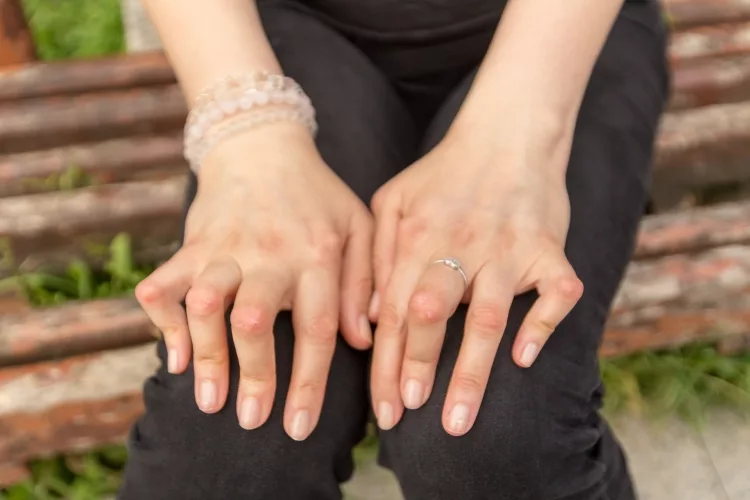
Psoriatic Arthritis: Associated with the skin condition psoriasis. Often presents with dactylitis — sausage-like swelling of individual digits — nail pitting, and enthesitis at tendon or ligament insertion sites.
Reactive Arthritis: Triggered by an infection elsewhere in the body, most commonly genitourinary or gastrointestinal in origin. Typically affects the knees, ankles, and feet and may be accompanied by urethritis or conjunctivitis.
Infectious (Septic) Arthritis: Caused by direct bacterial, viral, or fungal invasion of a joint space. Considered a medical emergency requiring immediate hospitalization and antibiotic therapy to prevent permanent joint destruction.
Ankylosing Spondylitis: A chronic inflammatory arthritis primarily targeting the sacroiliac joints and spine. Progressive stiffness — particularly in the lower back and hips — is the hallmark presentation, with severe cases resulting in spinal fusion.
Inflammatory Arthritis
Gout as a Distinct Form of Arthritis
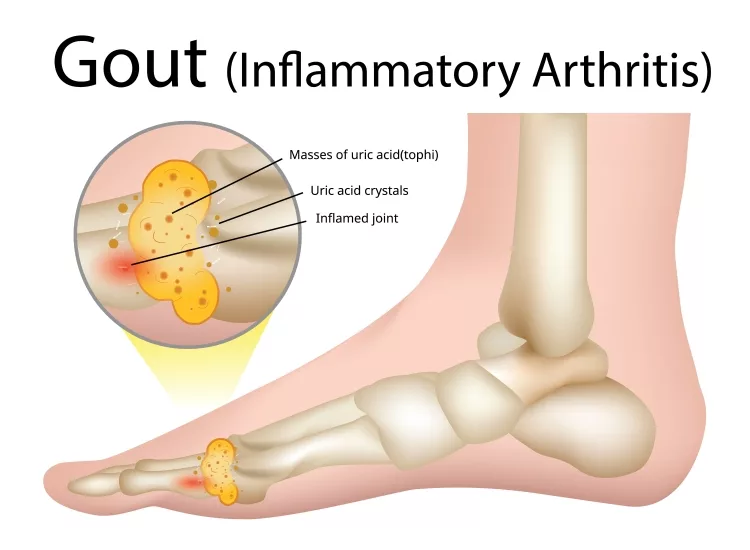
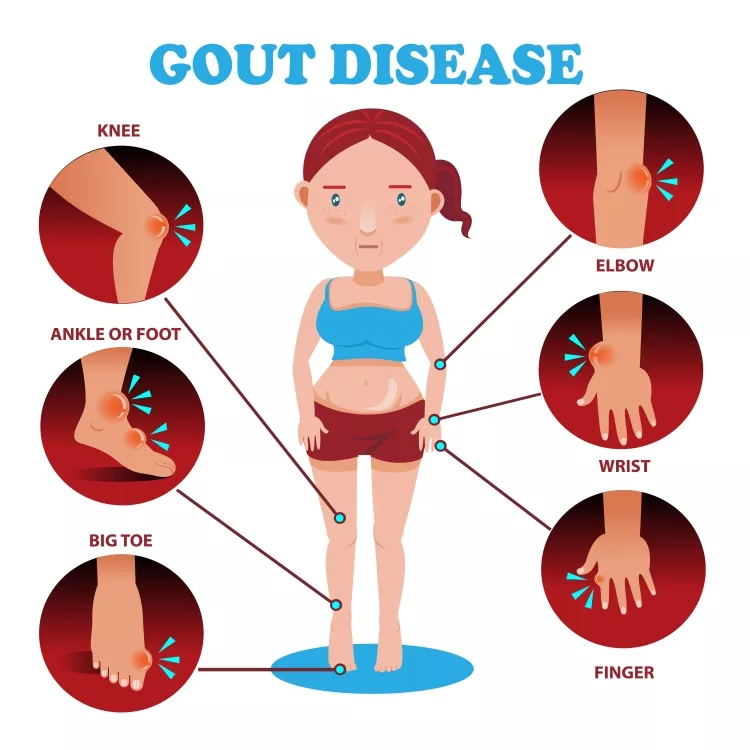
Gout results from hyperuricemia — chronically elevated serum uric acid — which drives the deposition of monosodium urate crystals within joint spaces and surrounding soft tissues. The metatarsophalangeal joint of the big toe is the most commonly affected site, though ankles, knees, wrists, and elbows are also frequently involved.
Symptoms of an acute gout attack include:
Sudden, severe joint pain with rapid onset — often developing overnight
Visible swelling, redness, and warmth concentrated around the affected joint
Extreme tenderness — even the light contact of bedsheets may be intolerable
Spontaneous resolution over seven to ten days, even without treatment
Escalating frequency of attacks if serum uric acid levels remain uncontrolled over time
For evidence-based management strategies, How to Get Rid of Gout provides a thorough clinical overview of both pharmacological and lifestyle interventions currently supported by research.
According to the Centers for Disease Control and Prevention, arthritis affects more than 54 million adults in the United States — making it the nation's leading cause of work disability among adults.
Infectious Arthritis
Misconceptions and Diagnostic Errors to Avoid
Many patients — and occasionally clinicians — fall into diagnostic traps that delay appropriate treatment by months or years. Recognizing these errors is as important as understanding the conditions themselves.
Frequent Misconceptions
"Arthritis only affects older adults." Juvenile idiopathic arthritis (JIA) can begin in childhood. Rheumatoid arthritis most commonly presents between ages 30 and 60, well before most people consider themselves at risk.
"Gout is caused solely by diet." Diet is a contributing factor, but genetics, kidney function, diuretic medications, and metabolic syndrome each play equally significant roles in uric acid accumulation.
"Any joint pain indicates arthritis." Bursitis, tendinitis, and ligament injuries can closely mimic arthritis presentations. Imaging and laboratory testing are necessary to differentiate these conditions accurately.
"Arthritis is manageable without medical intervention." Untreated rheumatoid arthritis can produce irreversible joint deformity within two years of onset. Untreated gout may progress to chronic tophaceous gout — a permanently disfiguring condition marked by large urate crystal deposits beneath the skin.
"Pain control equals disease control." Addressing pain symptoms without treating underlying inflammation or lowering serum uric acid allows structural joint damage to advance silently, undetected by the patient.
Overlapping Symptoms That Cause Confusion
Several conditions share symptom profiles with arthritis and gout, frequently complicating the diagnostic process:
Pseudogout (CPPD disease): Calcium pyrophosphate crystal deposition within joints produces acute pain and swelling almost indistinguishable from gout clinically. Differentiation requires synovial fluid analysis under polarized light microscopy.
Fibromyalgia: Causes widespread musculoskeletal pain and pronounced fatigue without structural joint damage or elevated inflammatory markers. Understanding what happens if fibromyalgia is left untreated illustrates the significant consequences of misdiagnosis in overlapping chronic pain conditions.
Systemic Lupus Erythematosus (SLE): Can cause joint pain and swelling closely resembling RA, but is distinguished by skin manifestations, renal involvement, and distinct autoantibody profiles including ANA and anti-dsDNA.
Lyme Disease: A tick-borne bacterial infection that may cause migratory joint pain and swelling — particularly in the knees — in the weeks following an untreated bite.
Precise laboratory and imaging evaluation is essential before initiating targeted therapy for any of these conditions. Empirical treatment without a confirmed diagnosis risks masking disease progression.
Risk Factors and Protective Influences
A clear understanding of who is most vulnerable to arthritis and gout — alongside factors that reduce risk — supports more informed preventive strategies and earlier clinical action.
Who Is Most at Risk
Risk Factor
Arthritis (General)
Gout Specifically
Age
Risk increases significantly after age 45
More common after age 40 in men; post-menopause in women
Sex
Women more susceptible to RA and OA
Men are 3–4 times more likely to develop gout
Genetics
Family history elevates OA and RA risk substantially
Highly inflammatory diets may worsen RA disease activity
High purine intake — red meat, shellfish, beer — raises uric acid
Medications
Some drugs can trigger drug-induced lupus-like syndrome
Diuretics and low-dose aspirin impair uric acid excretion
Comorbidities
Diabetes and metabolic syndrome increase inflammatory burden
Hypertension, chronic kidney disease, and heart failure raise risk
What is Gout?
Protective Factors
Several evidence-based measures are associated with meaningfully reduced risk or a milder disease trajectory:
Regular low-impact exercise: Strengthens the periarticular muscles that support and stabilize joints, reduces systemic inflammatory markers, and improves synovial fluid circulation — the joint's natural lubrication mechanism.
Dietary modification: Plant-forward eating patterns and certain low-carbohydrate approaches — including a carefully structured ketogenic diet plan — have demonstrated uric acid-lowering effects in clinical studies when protein sources are chosen appropriately.
Adequate hydration: Promotes efficient renal uric acid excretion and reduces the risk of crystal nucleation and precipitation within joint spaces.
Achieving and maintaining a healthy body weight: Reduces both mechanical joint loading and the production of pro-inflammatory adipokines released by excess fatty tissue.
Limiting alcohol consumption: Beer and spirits are especially associated with elevated serum uric acid; abstinence or strict moderation is advised for individuals with a gout history.
Vitamin C intake: Moderate supplementation is associated with modest reductions in serum uric acid levels in randomized controlled trials, offering an accessible adjunctive measure.
Diagnostic Tools and Clinical Assessment Methods
Accurate diagnosis requires integrating clinical evaluation, laboratory testing, and advanced imaging. No single test is definitive for most arthritis subtypes, and the diagnostic pathway differs substantially by suspected condition.
Laboratory and Imaging Tests
Serum uric acid: Elevated levels support a gout diagnosis, though values may normalize during an acute attack — rendering this test an incomplete diagnostic tool when used in isolation.
Synovial fluid analysis (arthrocentesis): The gold standard for gout diagnosis. Identifies negatively birefringent monosodium urate crystals under polarized light microscopy. Also differentiates septic arthritis from crystal arthropathies.
Rheumatoid factor (RF) and anti-CCP antibodies: Core serology for RA diagnosis. Anti-cyclic citrullinated peptide antibodies are highly specific and may appear years before clinical symptoms develop.
ESR and C-reactive protein (CRP): Non-specific markers of systemic inflammation that are useful for tracking disease activity, monitoring treatment response, and identifying inflammatory flares.
X-rays: Detect structural changes including joint space narrowing, bone erosions, subchondral cysts, and — in advanced gout — bony tophi with characteristic "punched-out" lesions.
Ultrasound: Can identify the "double contour sign" of urate crystal deposition on cartilage surfaces in gout and detect synovitis or tenosynovitis in inflammatory arthritis.
MRI: Provides superior resolution for detecting early soft tissue changes, bone marrow edema, and erosive disease not visible on plain radiographs.
Types of Gout:
Clinical Evaluation Criteria
For rheumatoid arthritis, the 2010 ACR/EULAR classification criteria score patients across four domains: joint involvement, serology results, acute-phase reactant levels, and symptom duration. A cumulative score of six or more out of ten indicates definite RA and warrants initiation of disease-modifying therapy.
For gout, the 2015 ACR/EULAR classification criteria integrate clinical features — including attack characteristics and affected joint location — laboratory uric acid values, and imaging findings into a weighted point-based scoring system. Crystal identification via arthrocentesis remains the definitive diagnostic method when feasible and clinically appropriate.
Chronic Tophaceous Gout
Patients experiencing lower extremity joint involvement should also consider whether concurrent structural foot issues are contributing to their pain burden. Resources on curing foot arch pain and practical foot pain reduction strategies address mechanical conditions that frequently coexist with or amplify arthritis symptoms in the feet and ankles.
Treatment Costs and Long-Term Management of Arthritis and Gout
Managing arthritis and gout is a lifelong commitment that involves both pharmaceutical and non-pharmaceutical strategies. Treatment costs vary significantly by disease type, severity, and selected interventions — and understanding this landscape helps patients and caregivers plan effectively.
Treatment Approaches and Associated Costs
Treatment
Primary Indication
Estimated Cost (USD)
NSAIDs — generic (ibuprofen, naproxen)
OA pain, RA flares, acute gout
$10–$30 per month
Colchicine — generic
Acute gout, gout prophylaxis
$20–$60 per month
Allopurinol
Chronic gout (urate-lowering therapy)
$10–$25 per month
Febuxostat
Gout — allopurinol intolerant patients
$100–$200 per month
Methotrexate — generic
Rheumatoid arthritis (conventional DMARD)
$15–$30 per month
Biologic agents (adalimumab, etanercept)
Moderate-to-severe RA, psoriatic arthritis
$1,500–$2,500 per month
Corticosteroid injections
Short-term joint inflammation control
$50–$200 per injection
Physical therapy (per session)
All forms of arthritis and gout rehabilitation
$75–$200 per session
Total joint replacement surgery
Severe OA, advanced RA with joint destruction
$25,000–$45,000 (one-time)
Long-Term Management and Lifestyle Adjustments
Sustained management extends well beyond pharmaceutical intervention. The following measures represent the foundation of effective long-term arthritis and gout care:
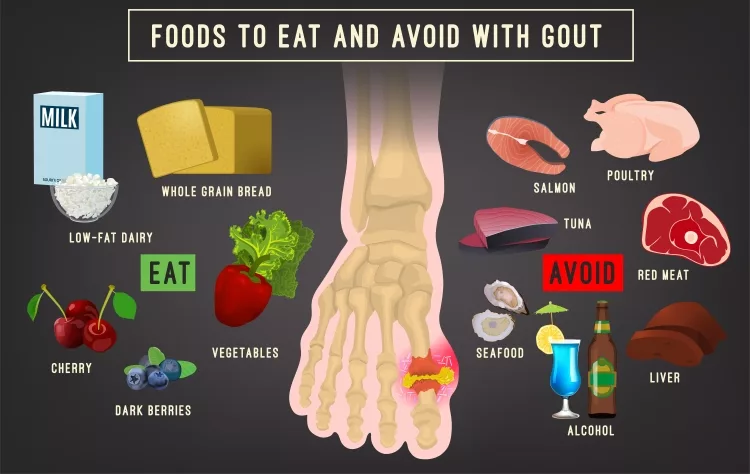
Dietary discipline: Limiting purine-rich foods — organ meats, shellfish, red meat — and increasing consumption of cherries, low-fat dairy products, and vitamin C-rich vegetables has demonstrated measurable uric acid-lowering effects. Consistency is more critical than short-term restriction.
Regular laboratory monitoring: Patients on long-term urate-lowering therapy require periodic serum uric acid checks, renal function panels, and liver enzyme tests to ensure safety and therapeutic adequacy. Uric acid target levels should be maintained below 6 mg/dL for most patients.
Mobility support and appropriate footwear: For patients with lower extremity joint involvement, properly fitted supportive footwear and appropriate mobility aids significantly reduce mechanical load on affected joints. Older adults with concurrent arthritis and foot concerns may benefit from dedicated foot care guidance for seniors alongside strategies for revitalizing aging feet.
Patient education and self-monitoring: Understanding the distinction between an acute gout flare and chronic structural joint deterioration allows patients to communicate effectively with providers, adjust activity appropriately, and avoid overreliance on rescue analgesics.
Integrated comorbidity management: Controlling hypertension, blood glucose, and kidney function directly impacts gout attack frequency and severity. Coordinated care among a primary physician, rheumatologist, and nephrologist is often necessary for patients with complex presentations.
Key Takeaways
Arthritis encompasses more than 100 distinct conditions — including gout — each requiring specific diagnostic evaluation and targeted treatment rather than a generalized approach.
Common misconceptions about arthritis and gout, such as attributing gout solely to diet or dismissing joint pain as a minor aging-related inconvenience, frequently delay effective treatment and allow preventable structural damage to accumulate.
Risk factors span genetics, lifestyle choices, comorbid conditions, and medication use — making individualized risk assessment essential for both prevention and early clinical intervention.
Long-term management requires integrating pharmacological therapy, dietary modification, regular laboratory monitoring, and attentive foot and joint care to minimize disease burden and preserve quality of life over time.
Mehnaz is the founder and editor of RipPain, a health resource site dedicated to helping readers navigate pain management, recovery, and medical device research. Her work on the site is driven by personal experience caring for seriously ill family members, which led her to study evidence-based guidance from physicians, pain specialists, and published medical research. She curates and summarizes expert medical insights to make credible health information accessible to everyday readers.





 Mehnaz