
About 6 million Americans fracture a bone every single year, and one of the most overlooked recovery challenges is simply keeping that cast completely dry during a shower or bath. Finding the best waterproof cast covers makes daily hygiene manageable, protects your cast's structural integrity, and keeps your skin healthy throughout the healing process. You can browse our full range of recovery tools in the medical instruments category alongside this guide to build out a complete recovery kit.
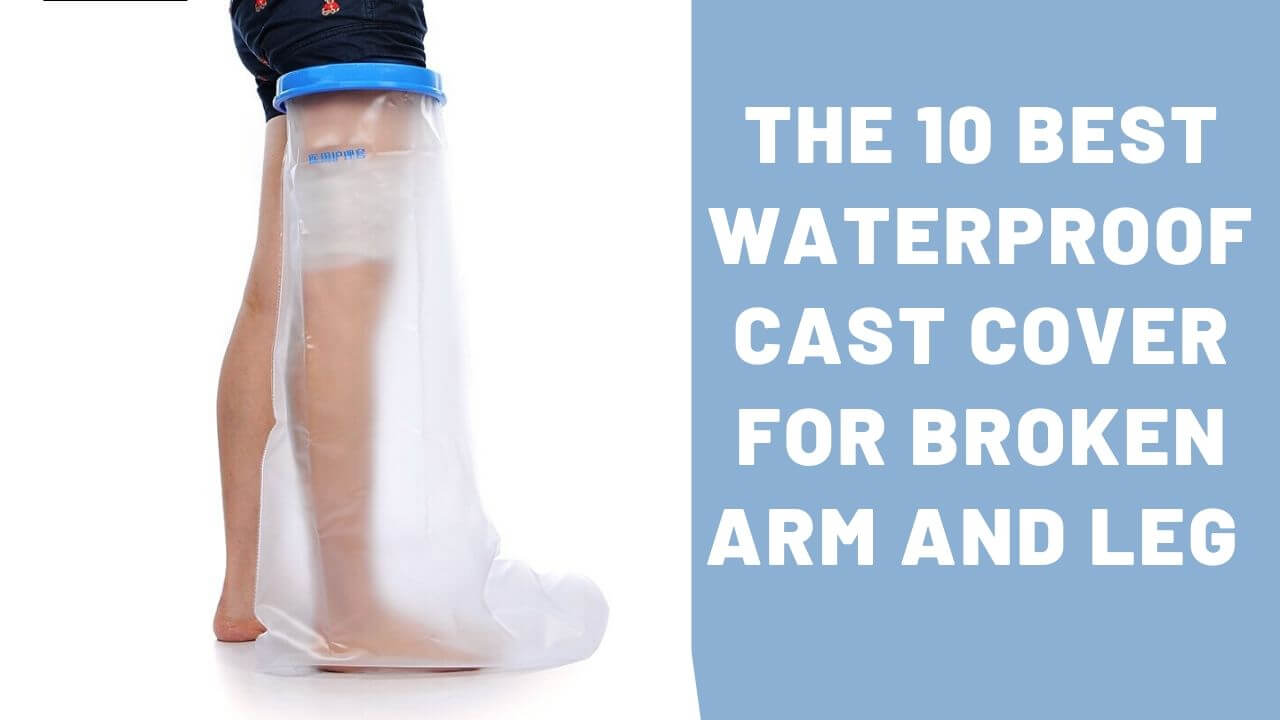
A wet cast is not just uncomfortable — it is a genuine medical risk. When moisture seeps into a plaster or fiberglass cast, the material softens, loses its structural strength, and creates a warm, damp environment where bacteria and mold multiply directly against your healing skin. According to the Centers for Disease Control and Prevention, skin and soft tissue infections are among the most common complications during orthopedic recovery, and a compromised cast raises that risk for you significantly.
Not every cast cover works the same way, and choosing the wrong one leads to leaks, skin irritation, or a product that falls apart after just a few uses. Some covers use a simple ring seal that handles a quick shower, while others create a full vacuum seal strong enough for a bath or swim. This guide covers everything you need — from understanding what to look for before you buy, to the top products available for arms, legs, feet, and kids, to how to get the most out of your cover during the full length of your recovery.
Contents
Picking the right cast cover comes down to three things: the type of seal it uses, the material it is made from, and whether it fits your cast properly. Getting all three right means you stay dry every single time, without wrestling with the cover or worrying about leaks halfway through your shower.
There are two main seal styles you will find across cast covers on the market today, and each one is built for a different level of water exposure.
Most quality cast covers are made from latex-free materials, which matters especially if you have sensitive skin or a latex allergy (a reaction to the natural rubber protein found in some medical products). You want a cover that fits snugly without cutting off circulation — if your fingers or toes tingle or turn blue, the cover is too tight and you need to remove it immediately.
Always measure your limb at its widest point and along the full length of your cast before ordering. A cover that is slightly too small will not seal at all, and one that is too large will gap and leak. Never rely on "one size fits all" marketing without checking the product's specific measurements against your own.
| Feature | Cinch / Ring Seal | Vacuum Seal |
|---|---|---|
| Best for | Showers and light splashing | Baths and swimming |
| Ease of use | Very easy — one-handed possible | Moderate — requires pumping |
| Water protection level | High (not full submersion) | Complete watertight seal |
| Latex-free options | Yes | Yes |
| Reusable | Yes | Yes |
| Typical price range | $10–$25 | $30–$60 |
Below you will find the best waterproof cast covers organized by body part and use case, so you can find the right fit without sorting through products that do not apply to your situation. Every option listed here is latex-free and reusable, selected based on seal quality, durability, and real-world performance.
Arm and wrist casts are the most common type, and these covers are specifically built to handle the awkward challenge of showering with only one usable hand.

This adjustable arm cast cover features an adjustable latex-free ring seal and a wide opening that fits most arm sizes without pinching or restricting blood flow. It is reusable and straightforward enough to slide on with one hand, which is a genuine advantage when your dominant arm is the one in a cast.
| Pros | Cons |
| It's waterproof | It doesn't cover up to your thighs. |
| Latex-free | |
| Reusable | |
| Adjustable opening |

Made from surgical-grade rubber and built around a waterproof signature seal system, this cover expands up to 7.3 inches to accommodate a wide range of cast diameters. Keep in mind that it does not extend to the elbow and is designed for shower sessions no longer than 30 minutes.
| Pros | Cons |
| Waterproof signature design | Can't wear it for more longer than 30 minutes |
| Made with surgical rubber | Doesn't cover the elbow |
| Expands up to 7.3" |
Children's casts require a smaller, specifically sized cover — an adult cover placed on a child's limb will not create any meaningful seal and provides no real protection.

The Bloccs child arm cover is completely watertight and covers the entire arm, making it a reliable choice for kids with wrist or forearm fractures who need protection during bath time. This version is designed for arms only and does not come in a child's leg size, so measure your child's arm length carefully before ordering.
| Pros | Cons |
| Completely watertight | Not available for the child's leg |
| Reusable | |
| Covers the whole arm |
Leg and foot casts are the hardest to protect because of their size and weight. The covers below are built specifically for full-length leg and foot protection, and several of them work for bathing as well as showering.

The Seal-Tight Freedom protector covers your entire leg up to 27 inches and holds its waterproof seal during both standing showers and seated baths, making it one of the most versatile options for full leg casts. It is latex-free and reusable, and the ring seal applies cleanly without needing a second person to assist.
| Pros | Cons |
| It's reusable | It cannot fit in a leg longer than 27" |
| It's latex-free | |
| It covers your whole leg up to 27" | |
| Waterproof even while bathing |
For foot and ankle casts specifically, this next cover fits any size foot or ankle and is designed for both bathing and light walking, giving you practical flexibility during your daily routine. Keep in mind that this cover is rated for up to 8 weeks of use — replace it if your recovery extends beyond that point.
| Pros | Cons |
| It's latex-free | You cannot use it for more than 8 weeks. |
| It can cover any sized foot and ankle | |
| Bath or walk wearing it |

The DryPro vacuum-sealed leg cover creates a fully watertight custom fit through its pump system and is gentle on sensitive skin with a non-allergic material design. If you are unable to pump out the air and create a firm snug seal, this cover will not perform as advertised — the vacuum mechanism is what makes it work.
| Pros | Cons |
| Lightweight yet durable | You can not use if unable to create a snug vacuum seal. |
| Reusable for multiple times | |
| Completely watertight | |
| Non-allergic to sensitive skin |
If you need coverage that extends to the knee and seals from both ends, this dual-seal cover handles lower leg and knee casts reliably with a latex-free build. The opening is a firm fit, so plan on limiting wear to 30-minute shower sessions to stay comfortable against the seal pressure.
| Pros | Cons |
| latex-free | Openings are too tight to wear for more than 30 minutes. |
| It can cover up to 17" including the knee | |
| Water sealed from both ends |
For adults with a longer or wider leg who need significant interior space, this oversized cover provides 42 inches of room with a wide opening designed for adult legs, and it is built for durability across a full recovery period. It does not fit children's feet well, so adult use only applies here.
| Pros | Cons |
| 42" of huge space inside | Not so good for a child's foot |
| Designed to last longer | |
| Fits in adult legs with a wider opening |

This adult leg shower cover uses a stretch opening that accommodates a range of lower leg sizes without pinching or restricting blood circulation, and it is made from a durable yet lightweight material that holds its form across repeated uses. It does not extend above the knee, so it works best for lower leg and foot casts specifically.
| Pros | Cons |
| Stretch opening | Doesn't cover your knee |
| Durable yet lightweight | |
| Does Not choke the blood circulation | |
| Latex-free, not allergic |

The Curad cast protector is lightweight, completely watertight, and gentle on sensitive skin, making it a dependable everyday option for arm casts that stop below the elbow. You may need both hands to apply it, so if your dominant arm is in the cast, having someone help with the first few uses saves a lot of frustration.
| Pros | Cons |
| Lightweight yet durable | Doesn't cover an elbow cast |
| Reusable for multiple times | May need two hands to wear |
| Completely watertight | |
| Non-allergic to sensitive skin |

This specialty cover stands out with a breathable nylon outer layer, a machine-washable design, and a TPR (thermoplastic rubber) sole underneath — making it practical for both showering and brief indoor walking. The drawstring closure takes a few practice runs to master, but once you get it right, it creates a reliable seal and you can put it on independently.
| Pros | Cons |
| Drawstring enclosure | Needs practice before use |
| Breathable nylon outer cover | |
| Machine washable | |
| TPR sole underneath the cover |
Even the best waterproof cast covers run into problems when they are used incorrectly. Most issues trace back to poor fit, a worn-out seal, or pushing the cover beyond what its design can handle. Here is what to watch for and how to address it before your cast ends up wet.
A leaking cast cover almost always means one of three things: the cover is the wrong size for your limb, the seal has degraded from repeated stretching, or you are using a shower-only cover in a bath or pool. If you notice even a small amount of moisture inside the cover, stop the water immediately, dry both the cover and your cast edge carefully, and diagnose the problem before you try again.
Pro tip: Before stepping into the shower, do a quick 30-second dry-run test — press the cover firmly against your limb and check for any gaps or slippage at the seal before any water is involved.
Some people develop redness, rash, or itching along the seal line after wearing a cast cover, especially with ring-seal designs. This typically comes from the rubber pressing against your skin for too long — not from a latex allergy, assuming you chose a latex-free product. Limiting wear time to actual shower duration (usually 10 to 20 minutes) and moisturizing the skin around the cast edge after each use resolves most irritation problems quickly. If you have diabetes or compromised circulation, read the guide on proper diabetic foot care for additional precautions before using any tight-fitting cover on your lower limbs.
A cast cover is not the right tool in every recovery situation. Using one incorrectly — or in a context where it is not appropriate — can cause as many problems as it solves. Here is a clear breakdown of who benefits most and when you should step back entirely.
You are a strong candidate for a cast cover if any of these apply to you:
If you are recovering from a foot fracture alongside other conditions like plantar fasciitis (heel inflammation caused by stress on the plantar fascia ligament), pairing your cast cover with the right supportive socks after removal helps ease the transition — check out the guide to the best plantar fasciitis socks for options that work during early post-cast recovery.
Your orthopedist's instructions always take priority over any product recommendation. Skip the cast cover entirely if your doctor has told you to avoid all water contact even with a cover in place, if your cast covers an open wound or surgical site underneath, or if your limb size or shape — due to significant swelling — prevents the cover from creating a proper watertight seal. A cover that leaks is more dangerous than no cover, because it gives you false confidence while moisture enters your cast silently.
Different daily activities demand different levels of waterproof protection, and matching the right cover to the right task is what separates a successful shower from a damaged cast and a frustrated call to your doctor.
For a standard stand-up shower, a cinch or ring-seal cover is your simplest and most affordable option — it goes on quickly, holds reliably under shower spray, and comes off without trouble. If you take seated showers or baths where the water level rises above your lower limb, you need a cover that seals from both ends or uses a vacuum system, because a single-end seal will fail when submerged. Keep your showers short — 10 to 15 minutes is enough time to get fully clean without putting prolonged pressure on the seal ring.
Swimming with a cast is medically complex, and most orthopedists advise against full submersion even with a waterproof cover in place — pool pressure, movement, and duration create conditions that overwhelm most seal designs. If your doctor has cleared you for water activity, a vacuum-seal cover is your only realistic option, and you should still limit your time in the water to brief sessions. For people managing heel or foot injuries alongside their fracture recovery, the guide on heel pain treatment covers safe, low-impact strategies to stay comfortable and maintain mobility without putting your healing bone at risk.
A waterproof cast cover is one piece of a larger recovery picture. Keeping your cast dry daily matters, but so does caring for the skin around it, managing your activity level sensibly, and knowing what to expect once the cast finally comes off.
When your cast comes off, the skin underneath is typically dry, flaky, and sensitive from weeks of limited air circulation and moisture control. Start with gentle cleaning using warm water and a mild soap, then moisturize consistently to restore the skin's natural barrier. If you used a ring-seal cover throughout your recovery, you may notice some temporary discoloration or indentation marks along the seal line — these fade on their own within a few days without treatment. Once your orthopedist clears you for full weight-bearing and activity, rebuilding your strength gradually through appropriate low-impact movement is what leads to a full and lasting recovery rather than a relapse injury.
A plastic bag is not a reliable substitute for a proper waterproof cast cover. Plastic bags are not designed to create a watertight seal against your skin, and they allow water in through the opening during any movement or adjustment. A purpose-built cast cover with a ring seal or vacuum system is the only dependable way to keep your cast completely dry during a shower or bath.
If your cast feels heavier than usual, smells musty or moldy, or the skin around the cast edges feels damp after showering, moisture has likely entered the cast. Contact your orthopedist right away — a wet plaster cast needs professional evaluation, and you should not attempt to dry it yourself with a hairdryer on high heat, which can burn your skin through the cast material.
Yes — most quality cast covers are designed for repeated use throughout your entire recovery. However, you need to inspect the seal before every use and replace the cover at the first sign of cracking, permanent stretching, or elasticity loss. A degraded seal is the leading cause of leaks, and a leaking cover provides no meaningful protection for your cast.
For actual swimming, only a vacuum-sealed cast cover provides sufficient protection for full submersion. Cinch or ring-seal covers are not rated for submersion and will fail in pool conditions. Even with a vacuum-seal cover, always get explicit clearance from your orthopedist before entering a pool or open water, because the risk of seal failure under water pressure is real and a wet cast can delay your recovery significantly.
No — an adult-sized cover placed on a child's smaller limb will not create a proper seal and offers no real waterproof protection. Always choose a cover specifically sized for children's arms or legs. The Bloccs child arm cover is one of the most reliable options for kids with wrist or forearm fractures, but note that it is not available in a child's leg size.
Most ring-seal covers are designed for sessions up to 30 minutes, which is enough time for a thorough shower. Wearing a cast cover longer than recommended creates prolonged pressure from the seal ring against your skin, which can cause irritation, temporary discoloration, and in some cases minor circulation restriction around the limb. Vacuum-seal covers can generally tolerate slightly longer wear, but stick to the product's stated guidelines in every case.
The best waterproof cast cover is the one you actually use correctly every single time — because one careless shower can undo weeks of careful healing.


About Mehnaz
Mehnaz is the founder and editor of RipPain, a health resource site dedicated to helping readers navigate pain management, recovery, and medical device research. Her work on the site is driven by personal experience caring for seriously ill family members, which led her to study evidence-based guidance from physicians, pain specialists, and published medical research. She curates and summarizes expert medical insights to make credible health information accessible to everyday readers.
You can get FREE Gifts. Or latest Free phones here.
Disable Ad block to reveal all the info. Once done, hit a button below
 Mehnaz