
Night splints work — and if you're waking up every morning with that stabbing first-step heel pain, they deserve your serious attention. Sorting through plantar fasciitis night splint reviews is the smartest first move toward finding a brace that fits your foot, your sleep style, and your recovery timeline. Whether you're newly diagnosed or months into managing this condition, this guide walks you through how to pick the right splint, keep it in good shape, troubleshoot poor fit, and build a recovery protocol that actually holds. Browse our full foot care hub for related resources, or start with our complete breakdown of what plantar fasciitis is if you want the clinical background before diving in.

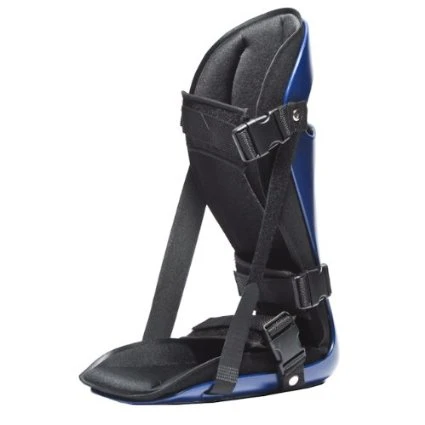
A night splint holds your foot in dorsiflexion — roughly a 90-degree angle — while you sleep. That keeps the plantar fascia under a gentle, sustained stretch for six to eight hours instead of letting it contract overnight. When you step out of bed and load that tissue first thing in the morning, it's already been passively lengthened. Less first-step pain. Faster healing. A fascia that recovers in a functional position rather than a tightened, contracted one.
You'll encounter two main designs while reading reviews. Rigid dorsal splints use a hard plastic shell on top of the foot with straps underneath — they deliver a stronger stretch and are better suited for moderate-to-severe symptoms. Soft sock-style supports use neoprene or knit fabric with a stretch strap at the toe — more comfortable, less intense, better for light sleepers or milder cases. Both designs have solid track records. The right one depends on your pain level and how much restriction you can tolerate through the night.
Contents
Night splints work best for a very specific symptom profile. If you check most of these boxes, a splint fits your situation well:
According to the National Library of Medicine, plantar fasciitis is the most common cause of heel pain in adults, and conservative treatments — including night splinting — carry a strong, well-documented evidence base for reducing morning pain and restoring function.
Pro tip: If your pain peaks mid-day or after prolonged standing rather than first thing in the morning, a night splint alone won't fix it — pair it with daytime orthotics and consistent calf stretching for meaningful relief.
Sometimes a night splint is just one piece of a larger recovery picture. A few scenarios worth knowing:
A night splint is the wrong tool if your pain is concentrated in the arch or toes rather than the heel, if imaging has revealed an acute fascial tear, or if you're a dedicated stomach sleeper who genuinely can't tolerate foot positioning through the night. In those cases, a low-profile soft sock-style support may work as a reasonable compromise — less mechanical tension, far more tolerable position.
Not all reviews are worth your time. Plantar fasciitis night splint reviews on retail platforms are full of noise — one-star posts from people who wore the brace twice and quit, five-star posts from people with mild symptoms who would have healed with any intervention. Here's how to filter signal from noise before you buy.

When comparing options head-to-head, understanding the design differences is essential:
| Splint Type | Best For | Stretch Intensity | Sleep Comfort | Typical Durability |
|---|---|---|---|---|
| Rigid Dorsal Splint | Moderate to severe plantar fasciitis | High | Moderate | High — plastic shell holds shape |
| Soft Sock Splint | Mild to moderate PF, light sleepers | Low to moderate | High | Moderate — fabric stretches over time |
| Posterior Boot Splint | Severe cases, Achilles involvement | Very high | Low | Very high |
| Compression Sleeve + Toe Strap | Maintenance phase or mild prevention | Low | Very high | Low — fabric degrades with washing |
Ignore one-star reviews that complain about zero improvement after two days — that's not how night splinting works. Do pay attention to repeated mentions of:
Pairing your night splint with the right daytime support matters just as much as the splint itself. Our roundup of the best plantar fasciitis socks covers compression options that work well alongside overnight bracing, and the best compression socks for swelling feet is worth reading if you're managing inflammation alongside the fascia pain.
Warning: Avoid any splint that pulls your foot sharply past neutral or creates a burning sensation across the arch — overstretching the plantar fascia aggravates micro-tears and actively delays healing.
A night splint sits against sweaty skin for hours every night. Skip regular cleaning and you're looking at bacterial buildup, material breakdown, skin irritation, and a brace that smells bad enough to make wearing it feel like a punishment. Consistent care keeps your splint therapeutic and hygienic. Our basic foot care tips are a solid companion resource if you want to build a complete foot hygiene routine around your treatment.

Not seeing progress after two or three weeks of consistent use? Don't panic — and don't give up yet. There are almost always fixable reasons a night splint underperforms, and most of them come down to fit, angle, or incomplete treatment strategy.
If your pain is progressively worsening rather than plateauing, stop use and see a podiatrist or orthopedist. Progressive worsening can indicate a partial fascial tear, which requires a different management approach entirely. It's also worth taking a hard look at your foot strength — weak intrinsic foot muscles place excess load on the fascia and undercut whatever splinting accomplishes. Our guide on exercises for strong, healthy feet covers exactly the muscle groups that matter here.
If you've been comparing plantar fasciitis recovery timelines to ankle injury timelines, note they're different situations with different healing windows. Our piece on how long to wear a boot for a broken ankle provides useful context on orthopedic brace timelines if you're juggling multiple foot or lower-leg issues at once.
Reminder: If you've used a night splint correctly for eight full weeks without meaningful improvement, that's your signal to see a specialist — it's time to rule out a stress fracture, partial tear, or nerve entrapment as the actual driver of your symptoms.
A night splint is a powerful tool — but it's not the whole answer. Sustained recovery from plantar fasciitis comes from stacking multiple evidence-based interventions, not from relying on any single one. Here's how to build a protocol that holds up over time and actually gets you back to pain-free mornings.
Most people can begin transitioning off their night splint when all three of these conditions are met consistently:
Phase out gradually. Start by skipping one or two nights per week, then reduce frequency over the following month. If pain spikes back above a 3 out of 10, return to nightly use for another two weeks before reducing again. Rushing the taper is one of the most common reasons people relapse.
Most people notice a meaningful reduction in morning pain within two to four weeks of consistent nightly use. Full symptom resolution typically takes six to twelve weeks, especially when splinting is combined with stretching, orthotics, and supportive footwear. Expect gradual improvement rather than a sudden shift.
Yes — nightly use is the standard clinical recommendation. Night splints are specifically designed for continuous use throughout your treatment period. Unlike daytime bracing, there's no physiological reason to take regular rest nights from overnight splinting.
A dorsal splint sits on top of the foot with straps underneath — lighter, lower-profile, and better tolerated during sleep. A posterior splint is a boot-style brace worn along the back of the leg — it delivers a more aggressive stretch and is better for severe cases or those with significant Achilles tightness, but it's heavier and warmer to sleep in.
Snug, not tight. The straps should hold your foot at roughly 90 degrees without cutting off circulation. If you wake up with numbness, tingling, or visible swelling in the foot, loosen the straps immediately. The goal is sustained gentle stretch — not aggressive compression.
It's difficult with most designs. Rigid dorsal splints and posterior boot splints are nearly incompatible with prone sleeping because of how far they extend up the shin. Low-profile soft sock-style splints are a much better option for stomach sleepers — they sit flat against the foot and don't create the same mechanical conflict.
Many insurance plans, including Medicare Part B, cover night splints when a physician prescribes them and documents medical necessity. Check with your insurer before purchasing out-of-pocket, and ask your doctor for a written prescription — it significantly improves your chances of getting reimbursed or covered upfront.
If you're tired of limping through your morning routine, reading solid plantar fasciitis night splint reviews and choosing the right brace can genuinely change the trajectory of your recovery — but only if you commit to consistent use and stack it with the right daytime treatments. Start with a splint that matches your sleep style and symptom severity, pair it with stretching and supportive footwear, and give it the full four to eight weeks it needs to show results. Head back to our foot care hub to explore orthotics, compression options, and strengthening guides that support your recovery from every angle.


About Mehnaz
Mehnaz is the founder and editor of RipPain, a health resource site dedicated to helping readers navigate pain management, recovery, and medical device research. Her work on the site is driven by personal experience caring for seriously ill family members, which led her to study evidence-based guidance from physicians, pain specialists, and published medical research. She curates and summarizes expert medical insights to make credible health information accessible to everyday readers.
You can get FREE Gifts. Or latest Free phones here.
Disable Ad block to reveal all the info. Once done, hit a button below
 Mehnaz