
Over 77% of Americans experience foot pain at some point in their lives — and for those managing chronic conditions, that discomfort rarely stops at the ankle. If you're evaluating options for the best lower body massager for feet, calves, hamstrings, and glutes in a single device, the Thumper Versa Pro Lower Body Massager is engineered for exactly that scope. Comprehensive foot care addresses the full lower kinetic chain, not just isolated pressure points — and that's precisely where this device separates itself from the crowded consumer massager market.

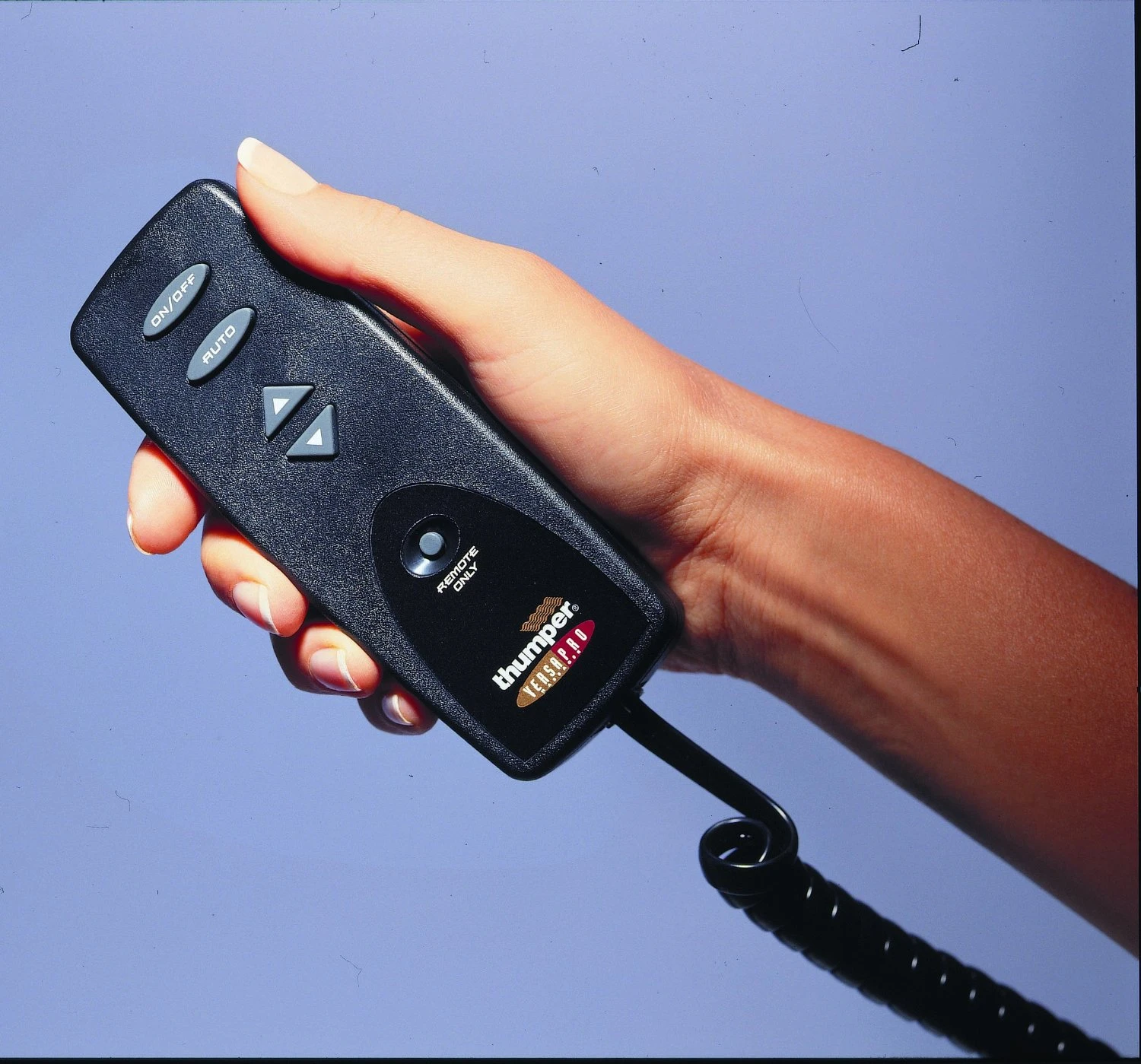
The Thumper Versa Pro is a Canadian-designed, clinically tested percussive massager built on a hands-free mat platform. Two rotating massage heads deliver rhythmic, oscillating compression beneath whatever body part you position over them. An included remote control lets you manage speed settings and session timing without shifting your position — a detail that matters significantly when you're mid-session and finally relieved enough to stay still.
What distinguishes the Versa Pro from handheld percussion guns and basic vibrating platforms is its ability to deliver consistent deep-tissue compression across large muscle groups without requiring constant user effort. It reaches deeper into muscle fascia than most consumer devices, which explains why physical therapists, athletic trainers, and pain management clinics incorporate it into professional protocols. Here's how to use it correctly, build it into a sustainable routine, and determine whether it belongs in your recovery toolkit.
Contents
Getting real results from the Thumper Versa Pro requires more than lying down and switching it on. The device delivers percussion at a depth that overwhelms unprepared tissue — so correct positioning from your first session determines whether you walk away feeling restored or sore. If you've already explored guides on how to choose the right foot massager, you know that setup and fit separate effective sessions from wasted ones.
Place the Versa Pro flat on a firm floor surface — hard floors give better mechanical feedback than carpet. Sit in a supportive chair with your back straight and position one foot directly over both massage heads, centering them under your arch and heel. Begin at speed 1 for the first 60–90 seconds before moving to the ball of the foot.
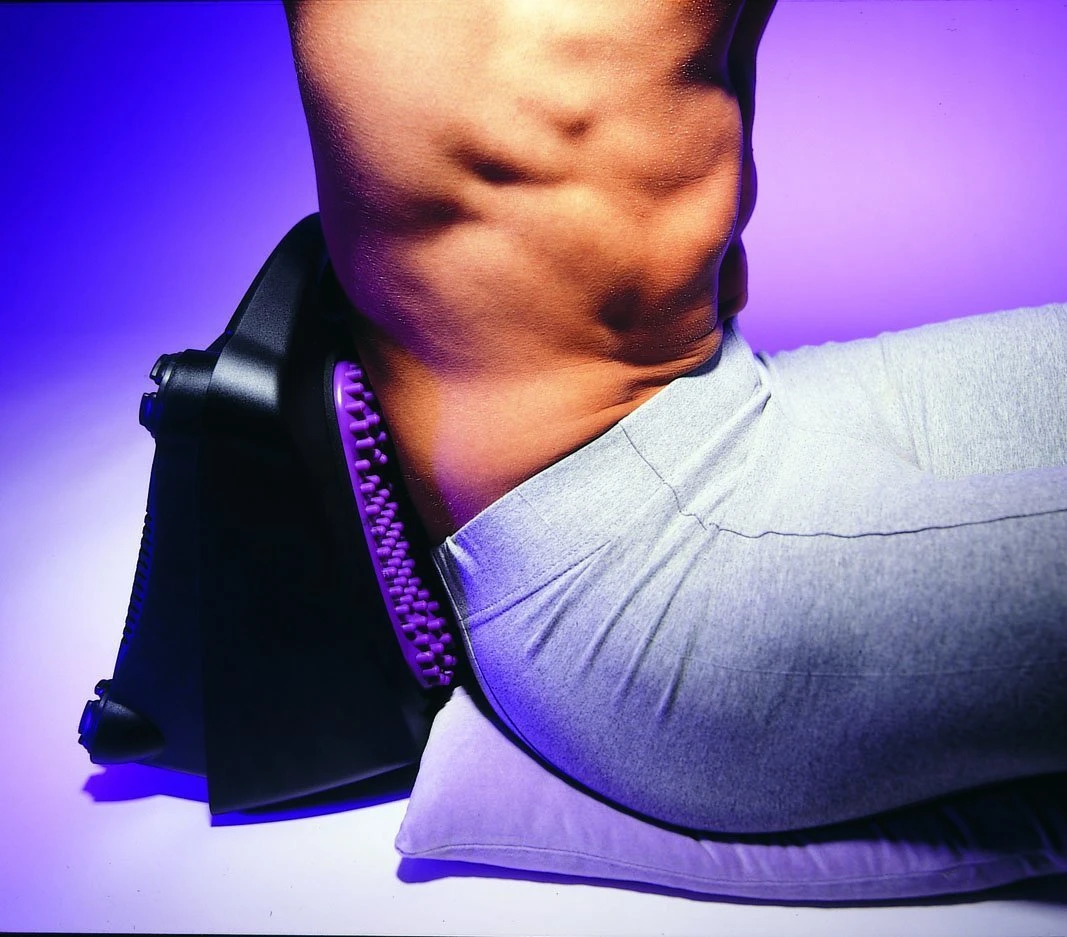
The Versa Pro's clearest competitive advantage shows when you move beyond the feet. Sit directly on the device to target the glutes — the rotating heads work effectively through clothing and reach the piriformis muscle, which is a primary contributor to sciatic pain and chronic lower back tension. For hamstrings, sit on a firm chair and slide the unit beneath the back of your thigh, close to the knee, then gradually work toward the sitting bones.
For thigh coverage, shift your body weight slowly from the inner to outer portion of the muscle while the device runs at a consistent speed. The goal is systematic coverage of the entire muscle belly, not static pressure on a single spot. Spend two to three minutes per zone and note where you feel the most response — those areas warrant focused attention in your next session.
One session delivers relief. A consistent routine delivers change. Percussion therapy works through cumulative effects on muscle fascia — each session breaks down adhesions incrementally, and repeated use over weeks improves tissue mobility and circulation in ways a single session never achieves. According to the National Center for Complementary and Integrative Health, regular massage therapy shows measurable benefits for chronic musculoskeletal pain when applied consistently over time — and the Versa Pro's hands-free design removes the biggest barrier to that consistency.
For most users managing chronic pain or regular athletic training, three to four sessions per week produces the best results without overtaxing tissue. Here's a practical weekly framework you can adapt to your schedule:
Session timing matters as much as frequency. Post-workout massage within 30 minutes of activity accelerates lactate clearance and reduces next-day soreness. Morning sessions before activity warm tissue and improve joint mobility for the hours ahead. Evening sessions calm the nervous system and measurably improve sleep quality in users with chronic pain conditions.
The Versa Pro delivers its best outcomes as part of a layered treatment approach rather than as a standalone fix. For plantar fasciitis sufferers, combine regular sessions with footwear that protects tissue between uses — the best sandals for plantar fasciitis reduce cumulative strain on the fascia throughout the day. If you're also dealing with structural arch issues, plantar fasciitis insoles maintain support during daily activity and prevent re-aggravating the tissue you're actively working to heal.
For those managing fibromyalgia, start at lower intensity and shorter session lengths than the standard protocol. During an active flare, pause Versa Pro sessions and focus on understanding how to recover from a fibromyalgia flare-up before returning to full percussion intensity. Pushing through a flare with high-intensity massage will set you back, not forward.
The Thumper Versa Pro sits in the premium segment of the massager market, and that price point is the first thing most buyers scrutinize. The honest answer: it depends entirely on what you're comparing it against and how frequently you'd otherwise pay for professional massage or physical therapy co-pays.
A professional sports massage session runs $80–$150 per hour. Attending twice monthly means $1,920–$3,600 per year — before you account for travel time and scheduling friction. The Versa Pro's one-time cost falls below that threshold within the first year for any consistent user, with zero scheduling required.
| Treatment Option | Typical Cost | Frequency | Annual Estimate | Hands-Free? |
|---|---|---|---|---|
| Professional Sports Massage | $80–$150/session | 2× per month | $1,920–$3,600 | N/A |
| Physical Therapy Co-Pay | $30–$60/visit | Weekly | $1,560–$3,120 | No |
| Entry-Level Foot Massager | $40–$120 one-time | Daily | $40–$120 total | Yes |
| High-End Percussion Gun | $299–$599 one-time | Daily | $299–$599 total | No |
| Thumper Versa Pro | $350–$450 one-time | Daily | $350–$450 total | Yes |
Thumper backs the Versa Pro with a two-year manufacturer warranty covering mechanical defects. The unit uses commercial-grade motor components from their clinical product line, and most users report the device lasting five to eight years with regular daily use. That longevity fundamentally changes the cost-per-use math compared to consumer-grade devices that need replacement every 18–24 months. Parts availability is solid, and Thumper's customer service has a consistent track record for honoring warranty claims without friction. Budget for quality once and avoid replacing it repeatedly.
Most issues users encounter with the Versa Pro are positioning or intensity errors rather than device failures. The learning curve is real, but the fixes are straightforward once you understand what's happening mechanically.
New users consistently start at too high a speed setting and report soreness the following day — not from injury, but from tissue that wasn't conditioned for that percussion depth. If sessions are leaving you worse than when you started, drop back to speed 1 for all sessions during your first two weeks without exception.
Between sessions, keeping your feet structurally sound reduces the recovery burden you're placing on the Versa Pro. The guide on how to keep your feet healthy covers foundational habits that work in concert with regular percussion therapy to improve tissue resilience over time.
Warning: Never use the Versa Pro directly over varicose veins, active blood clots, or areas of acute inflammation — percussive massage applied to compromised vascular tissue increases irritation and carries real clinical risk.
The Versa Pro is contraindicated for several conditions that require physician clearance before use:
Healthcare workers and nurses who stand for extended shifts should approach initial sessions conservatively. Pairing the Versa Pro with well-designed supportive footwear — specifically the best shoes for nurses with plantar fasciitis — reduces the baseline tension accumulating during your shift and lowers the recovery demand you're placing on the device at the end of the day.
When evaluating the best lower body massager for feet combined with full lower-chain coverage, the Versa Pro's hands-free design is its clearest differentiator. But it helps to see exactly where it lands against the alternatives you're actually considering before committing to that price point.
Entry-level shiatsu foot massagers in the $40–$120 range deliver kneading and heat for surface-level plantar relief and relaxation. They're effective tools for what they do — our guide to how to choose the right foot massager breaks down which options at that price point deliver genuine value. The limitation is structural: they address only the foot, leaving calf tension, hamstring tightness, and glute dysfunction entirely untouched. You still need separate tools or professional sessions for complete lower body recovery.
Another popular adjacent option is ionic foot bath therapy, which targets circulation through a different mechanism altogether. If that approach interests you, the guide to the best ionic detox foot bath machines covers the evidence and top options. The two methods complement each other without overlap — one addresses tissue mechanically, the other circulatorily.
Handheld percussion guns from Theragun and Hyperice match the Versa Pro on motor quality and depth penetration. The core distinction is operational: no handheld device can simultaneously cover both calves or work your glutes without constant user arm effort. For someone managing chronic pain who uses their massager four or more times per week, arm fatigue from sustained handheld use is a real compounding problem. The Versa Pro eliminates that friction entirely through its mat-based design.
The legitimate trade-off: handheld devices offer more precise localized targeting and genuine portability for travel. If your primary use case is spot treatment on the upper body or post-gym recovery on the road, a percussion gun serves that need better. If consistent, deep lower body coverage at home is the goal, the Versa Pro wins on every practical measure that matters for chronic pain management.
Three to four sessions per week is the optimal frequency for most users managing chronic pain or active recovery. Daily use is acceptable for experienced users with conditioned tissue, but beginners should start with every-other-day sessions to allow proper recovery between treatments. More frequent use does not produce proportionally better results — recovery time is when tissue adapts, not during the session itself.
Yes — percussive massage to the plantar fascia and surrounding calf tissue reduces tension along the entire posterior chain that drives plantar fasciitis pain. Position the massage heads under the arch and heel for direct treatment, then follow with calf massage to address the upstream tension. Combine sessions with supportive footwear and insoles for the most complete treatment approach.
It requires medical clearance before use. Peripheral neuropathy reduces your ability to accurately perceive pressure and pain signals, which means you cannot reliably detect when you're compressing tissue too aggressively. A physician or physical therapist should evaluate your specific condition and severity before you begin using any percussive device on affected limbs.
The primary difference is hands-free operation and simultaneous bilateral coverage. The Versa Pro works both feet, both calves, or both sides of the glutes at the same time without any user effort beyond positioning. Handheld guns require sustained arm effort, deliver coverage to one spot at a time, and cannot realistically treat your own glutes or the backs of both calves simultaneously. For home-based lower body recovery, the Versa Pro's design is fundamentally more practical.
The Versa Pro operates at a moderate noise level — comparable to a household fan on medium setting. It is not silent, but it is quiet enough to use while watching television or listening to a podcast without interference. The motor noise is consistent and low-pitched rather than high-frequency, which most users find unobtrusive during typical household activity.


About Mehnaz
Mehnaz is the founder and editor of RipPain, a health resource site dedicated to helping readers navigate pain management, recovery, and medical device research. Her work on the site is driven by personal experience caring for seriously ill family members, which led her to study evidence-based guidance from physicians, pain specialists, and published medical research. She curates and summarizes expert medical insights to make credible health information accessible to everyday readers.
You can get FREE Gifts. Or latest Free phones here.
Disable Ad block to reveal all the info. Once done, hit a button below
 Mehnaz