
Back pain affects roughly 80% of adults at some point in their lives, and your footwear is one of the most overlooked contributors to that statistic. Every step you take sends a shockwave up your kinetic chain — from heel to ankle to knee to lumbar spine — and if your shoes are absorbing zero of that impact, your vertebrae are absorbing all of it. In 2026, shoe technology has advanced to the point where the right pair can meaningfully reduce the compressive load on your spine. The wrong pair can quietly make things worse over months before you even connect the dots.
What you're looking for isn't a single magic feature. It's a combination: adequate cushioning to dampen ground-reaction forces, a stable midsole that prevents your foot from rolling inward and torquing your hip, and a heel-to-toe drop that doesn't force your lumbar into unnatural extension. That's a specific ask, and not every popular shoe delivers it. After testing and researching dozens of options, these seven models stand out for people dealing with chronic or recurring back pain — whether you're running, walking, working a twelve-hour shift, or just navigating daily life.
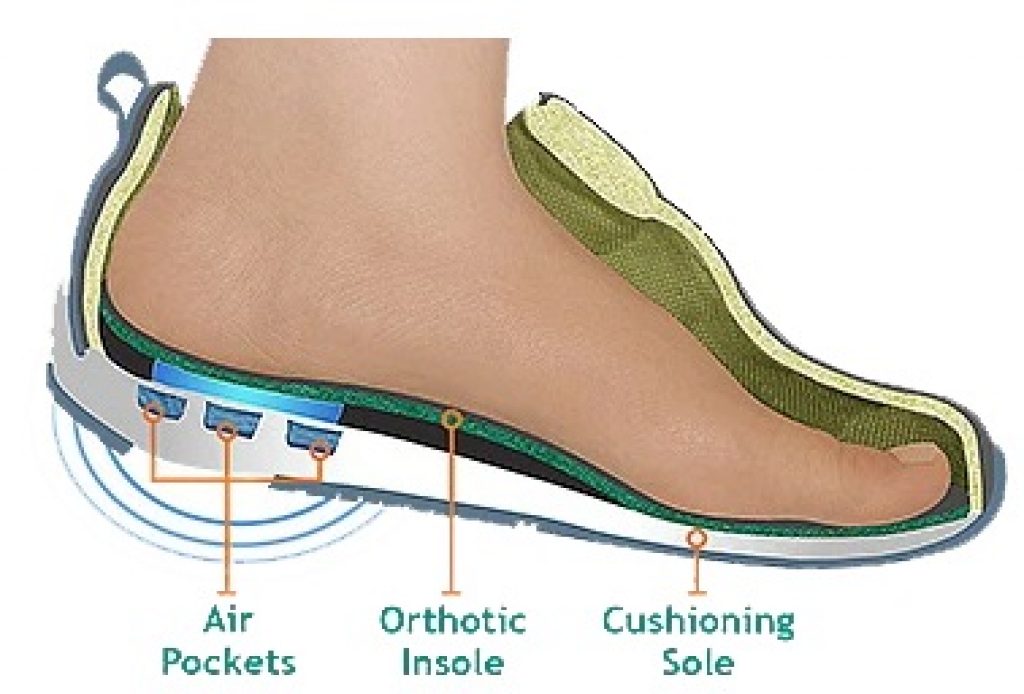
This guide covers top picks across categories — running, walking, casual, and occupational — so you can find the right fit for your lifestyle. If you're also dealing with heel pain or plantar fasciitis, many of these picks address that simultaneously, since the biomechanical overlap is significant. And if your shoes are already doing some of the work but need a small correction, learning how to fix shoes that are too big can also make a meaningful difference in how your foot seats inside the shoe.
Contents





The Bondi 9 is Hoka's flagship max-cushion shoe, and in 2026 it remains one of the most effective tools for managing back pain caused by high-impact activity or prolonged standing. The engineered mesh upper is light and breathable while the midsole stack height is among the tallest in the running shoe market — and that stack does real work. When you land, the foam compresses progressively, which means ground-reaction force is spread across a longer time window rather than spiking into your joints. For a spine that's already under stress, that time delay matters significantly.
The Bondi 9 uses a full-length EVA midsole with a rocker geometry that rolls your foot forward through the gait cycle without requiring your calf or lumbar extensors to do extra work. That's one of the insider details that separates Hoka's design from standard cushioned shoes: the rocker means your foot doesn't have to push off as aggressively, reducing lumbar fatigue over long distances. The textile lining is smooth against the foot and helps prevent hot spots, which is relevant if you're wearing these for six or more hours at a stretch. The fit runs true to size with a wide toe box that lets your foot splay naturally rather than gripping inward and cascading tension upward.
One honest note: the Bondi 9's stack height can feel unstable on uneven terrain if you're not used to it. Give yourself a week to adapt. But for pavement, treadmills, or clinical floors, this is arguably the highest-performing back-pain shoe for men available today.
Pros:
Cons:
The Kayano line has been ASICS' stability flagship for decades, and the 32nd iteration brings meaningful refinements without abandoning what made earlier versions so trusted. The engineered mesh upper is lightweight and reduces the need for external overlays, which keeps the overall construction flexible while maintaining structure where it counts. The knit heel pull tab is a small but thoughtful feature — it makes slipping the shoe on and off easier, which matters more than it sounds when your back is flaring and bending forward is uncomfortable.
The mechanical centerpiece is the 4D Guidance System, a dynamic pod built into the midsole that responds to excessive loading by stiffening just enough to redirect your foot back to neutral. For people who overpronate — whose arches collapse inward with each step and rotate the tibia, hip, and lumbar spine along with it — this is a critical intervention. The 4D Guidance System provides stability without the harsh medial post that older motion-control shoes used, so you get support that works with your gait rather than fighting it. The GEL technology in the forefoot and rearfoot dampens impact at both ends of the footstrike, which is relevant for back pain because harmful compressive forces arrive at the heel and again during toe-off.
The Kayano 32 is a serious running shoe, but it also performs well for long-distance walking and all-day wear in supportive contexts. If your back pain correlates with activity and your gait tends to roll inward, this is the shoe to test first.
Pros:
Cons:
Brooks has been refining the Adrenaline GTS for over two decades, and the 23rd generation is the most polished yet. It carries a certified PDAC A5500 Diabetic shoe designation and the APMA Seal of Acceptance — credentials that matter because they signal the shoe has been independently verified for biomechanical safety, not just comfort. For runners and walkers with back pain who also manage conditions like diabetes or plantar fasciitis, this dual certification is a meaningful differentiator.
The GuideRails Holistic Support System is Brooks' answer to the question of how to support a foot without over-correcting it. Rather than a rigid medial post that blocks inward motion entirely, GuideRails allow your foot to move through its natural range and only engage when excess movement is detected. The practical result is that your hip and lumbar stay in a more neutral position throughout the gait cycle — which is exactly the intervention back-pain sufferers need. The updated DNA LOFT v2 midsole is noticeably softer and lighter than prior generations without becoming mushy, and the combination of soft cushioning and active stability is rare to find in a single shoe.
The Adrenaline GTS 23 is ideal if you've been told you overpronate or supinate, or if your back pain worsens noticeably after longer runs or walks. It's also worth knowing that replacing running shoes on the right schedule is just as important as choosing the right model — most support shoes lose meaningful cushioning after 300–500 miles even when the upper looks fine.
Pros:
Cons:
The Reebok Walk Ultra 7 DMX Max takes a different approach than the performance running shoes on this list. It's engineered specifically for walking — a distinction that matters because walking and running create different biomechanical demands. Walkers land with a flatter foot angle and spend more total time on their feet, so the shoe needs to sustain comfort over hours without the burst-performance peaks a runner demands. The DMX cushioning system is the key innovation here: it moves air from the heel to the forefoot and back as your weight transfers through each step, creating an active cushioning response rather than a static foam one.
The memory foam insole adds a second layer of personalized comfort that compresses to your foot's exact shape over time. For people who stand in one spot for long periods — restaurant staff, retail workers, medical professionals — the combination of DMX air cushioning plus memory foam is one of the most effective anti-fatigue setups available at this price point. The rubber outsole provides reliable traction across gym floors, kitchen tiles, and sidewalks without the aggressive lug pattern that would feel out of place in a professional setting.
The Walk Ultra 7 isn't a flashy shoe, and that's part of its appeal. It's clean in profile, versatile in context, and built around the specific use case of spending many hours on your feet. If your back pain intensifies toward the end of a workday, this shoe's sustained comfort architecture addresses that pattern directly.
Pros:
Cons:
Skechers has transformed its reputation over the past several years by investing seriously in podiatric research, and the Arch Fit line is the result. The Arch Fit insole system was developed from data gathered across 120,000 individual foot scans — a sample size that matters because it means the arch support geometry is calibrated to the actual statistical distribution of foot shapes rather than a single idealized profile. The result is an insole that provides genuine arch support for the broad middle of the population without requiring custom orthotics. For women dealing with back pain that originates in collapsed arches or flat-footedness, this podiatrist-certified support system is a meaningful clinical intervention in a casual shoe format.
The slip-on design with tied-off laces solves a real problem: bending over to tie shoes when your back is in pain is its own daily ordeal. The No Tie Fit system means you step in and go. The removable insole is also worth noting — it means you can swap in your own custom orthotics if your podiatrist has prescribed them, giving you the best of both worlds. The lightweight cushioned midsole reduces shock and disperses weight evenly, which reduces peak pressure under the ball and heel.
Broad foot care begins at the foundation of your arch, and the Arch Fit Arcade demonstrates that supportive shoes don't have to look clinical or dowdy. This is a genuinely wearable everyday sneaker that happens to carry serious biomechanical credentials.
Pros:
Cons:
If you work in healthcare, food service, or any environment that requires twelve hours on hard floors, the Dansko Professional is the industry standard for a reason. It has been recommended by nurses, surgeons, and physical therapists for decades — not because of marketing, but because the results speak for themselves in environments where back and foot fatigue are occupational hazards. The rocker sole geometry is central to this: it propels your foot forward through the gait cycle, reducing the muscular effort required at push-off and consequently reducing lumbar fatigue over the course of a full shift.
The reinforced toe box provides meaningful protection in clinical and kitchen environments while giving your toes enough room to spread naturally — a detail that prevents the toe-crowding that contributes to altered gait and downstream back stress. The padded instep collar adds comfort during prolonged wear and reduces pressure on the dorsal foot. The leather or fabric upper is durable and easy to clean, which is a practical necessity in the environments these clogs are built for.
One thing to know: Dansko clogs have a specific break-in period. The first two to three days can feel stiff. Commit to that adjustment and the payoff is a shoe that many wearers describe as genuinely transformative for occupational back pain. For anyone spending eight or more hours on hard floors, the Dansko Professional remains the benchmark against which all other occupational shoes are measured.
Pros:
Cons:
Vionic is one of the few footwear brands that originated from podiatric science rather than fashion, and the 23Walk 2.0 carries that heritage into a premium leather sneaker that looks right at home in casual and semi-casual settings. The premium leather upper is paired with a breathable 100% polyester mesh liner that wicks moisture and uses a PU foam base to reduce friction against skin — a combination that matters for wearers whose back pain keeps them in shoes for longer uninterrupted periods than they'd prefer.
The durable rubber outsole provides reliable traction across a wide range of surfaces, and the lace-up construction gives you a more secure, customizable fit than slip-on alternatives. Vionic's built-in orthotic footbed is the real story here. It incorporates a deep heel cup and longitudinal arch support that together work to realign the foot, reducing the internal rotation and pelvic tilt that contributes to chronic lumbar strain. The 23Walk 2.0 delivers genuine therapeutic footbed technology in a shoe that doesn't announce itself as a medical product.
For women who want a shoe that transitions from errands to casual outings to light exercise without switching footwear, and who need consistent back-pain support throughout, the Vionic 23Walk 2.0 is one of the most complete everyday options in 2026. If you're also dealing with nurses-level foot demands, compare this against the best shoes for nurses with plantar fasciitis to see how the therapeutic features overlap.
Pros:
Cons:
More cushioning is not always better, but insufficient cushioning is reliably worse for back pain sufferers. The key variable is the type of foam. Standard EVA foam degrades quickly under compression and loses up to 40% of its cushioning capacity within a few hundred miles of use. Higher-quality foams — like ASICS' GEL system, Brooks' DNA LOFT, or Hoka's proprietary EVA compounds — maintain their properties longer and deliver more consistent protection over the shoe's lifespan. When evaluating a shoe, look specifically at midsole height (stack height) and the foam compound used, not just a general "cushioned" label. According to research published on Spine-Health, reducing ground-reaction forces through footwear is a recognized component of conservative lower back pain management.
If your foot rolls inward during the footstrike — overpronation — it sets off a chain of compensatory movements that rotate the tibia inward, drop the hip on the same side, and load the lumbar asymmetrically. Over thousands of steps, this asymmetrical loading is a reliable source of chronic lower back pain. A stability shoe with medial support or a modern guidance system like Brooks' GuideRails prevents that excessive inward roll without over-correcting into the rigid discomfort of an old-style motion-control shoe. Get a gait analysis if you're unsure whether you pronate, supinate, or run neutral — it takes ten minutes and will dramatically narrow your shoe options.
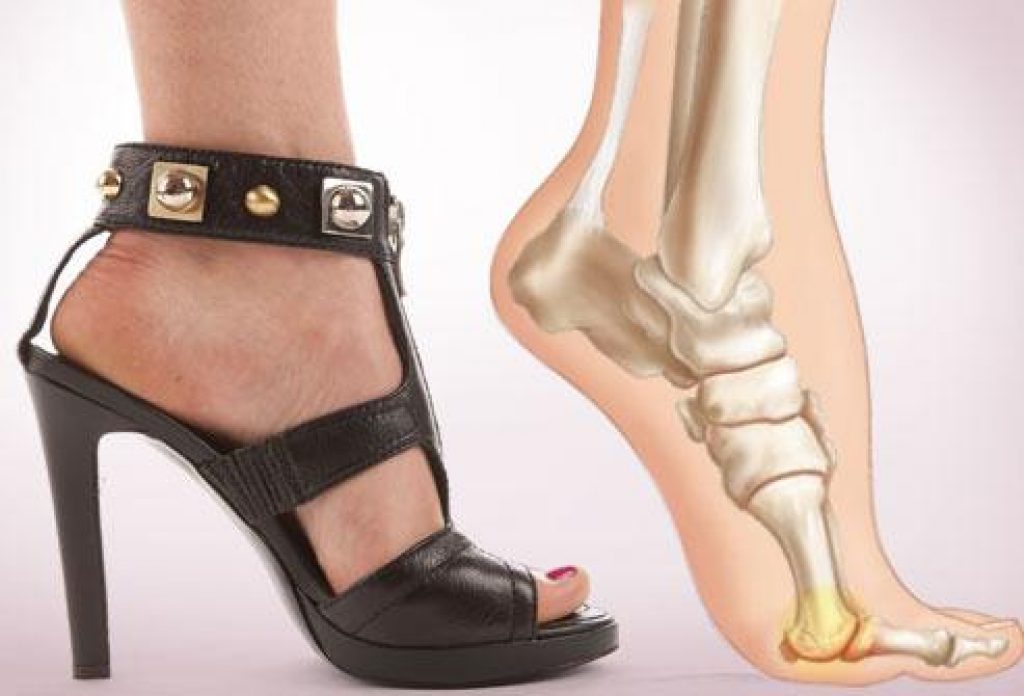
Heel-to-toe drop is the height difference between the heel and forefoot of the shoe. A high drop (8–12mm) shifts your weight rearward and can increase lumbar extension, which aggravates certain types of back pain — particularly facet joint pain and spinal stenosis. A low or zero drop shoe changes the weight distribution toward the forefoot and demands more calf and Achilles engagement. For most people with back pain, a moderate drop of 6–10mm is the sweet spot: enough to protect the Achilles while not forcing the spine into extension. Rocker-sole designs like the Dansko and Hoka Bondi sidestep this issue by geometry — the curved sole rolls the foot forward without requiring a steep drop angle.
A shoe that fits poorly forces compensatory posture from the first step. Too tight across the toe box and your toes grip inward, tightening the plantar fascia and shortening your stride. Too loose in the heel and your foot slides, causing the small stabilizing muscles in your foot and lower leg to work overtime to compensate — fatigue that climbs the kinetic chain to your back by mid-afternoon. When trying shoes for back pain, wear them for at least fifteen minutes in-store or on a treadmill. Back pain is a long-duration problem; a shoe that feels fine in the first sixty seconds but compresses poorly over an hour will fail you when you need it most. Always pair good shoes with quality socks and consider whether the insole is removable for orthotic compatibility.

Yes, directly. Shoes with inadequate cushioning fail to absorb ground-reaction forces, sending repetitive compressive shocks up through the ankle, knee, hip, and into the lumbar spine. Shoes with no arch support allow the foot to overpronate or collapse, creating rotational stress throughout the lower limb that accumulates as chronic lumbar strain. Flat, hard-soled shoes — including certain dress shoes and fashion sneakers — are among the most common footwear contributors to lower back pain seen in clinical settings.
For lower back pain, prioritize a shoe with generous midsole cushioning, a moderate heel-to-toe drop of 6–10mm, and medial stability features if you overpronate. Rocker-sole designs are particularly effective because they reduce the lumbar extension required during toe-off. If you stand all day, look for a shoe specifically rated for occupational wear with sustained cushioning properties — foam that stays responsive over eight or more hours, not just the first two.
Often, yes. Running shoes are engineered to handle high-impact forces efficiently, which means their cushioning and stability systems are well-suited to any high-load use case — including long-distance walking, occupational standing, and general daily activity. The Hoka Bondi 9 and Brooks Adrenaline GTS 23 on this list are both worn by non-runners specifically for their back-pain management properties. The key is to choose a running shoe calibrated to your foot type, not just the most cushioned option available.
More frequently than the average wearer. Most cushioning foams lose meaningful compression resistance after 300–500 miles of use. For daily wearers who also struggle with back pain, that can mean replacing shoes every six to nine months. A reliable sign that cushioning has degraded is the appearance of wrinkle lines across the midsole or a noticeably firmer feel underfoot compared to when the shoe was new. Don't wait until the outsole wears through — the midsole fails long before the visible upper does.
Custom orthotics prescribed by a podiatrist or physiatrist provide the most precisely targeted intervention, but they require a supportive shoe platform to function correctly. A custom orthotic placed into a flat, unsupportive shoe loses most of its benefit because the shoe's structure works against it. The ideal combination is a quality shoe with a removable insole and adequate midsole depth paired with a custom or semi-custom orthotic. The Skechers Arch Fit and Vionic 23Walk 2.0 both feature removable insoles specifically to enable this pairing.
Postpartum back pain often involves ligament laxity, altered pelvic position, and changed gait patterns — all of which demand excellent arch support and medial stability rather than maximum cushioning alone. The Skechers Arch Fit Arcade and Vionic 23Walk 2.0 are both strong choices for this context because they combine arch support with a comfortable, low-impact platform. Avoid high heels entirely during the postpartum recovery period, as heel elevation increases lumbar lordosis and places additional stress on already-taxed spinal structures.


About Mehnaz
Mehnaz is the founder and editor of RipPain, a health resource site dedicated to helping readers navigate pain management, recovery, and medical device research. Her work on the site is driven by personal experience caring for seriously ill family members, which led her to study evidence-based guidance from physicians, pain specialists, and published medical research. She curates and summarizes expert medical insights to make credible health information accessible to everyday readers.
You can get FREE Gifts. Or latest Free phones here.
Disable Ad block to reveal all the info. Once done, hit a button below
 Mehnaz