
A vertical climber workout routine 30 minutes long is one of the most time-efficient full-body workouts you can do at home. You burn serious calories, build functional strength, and spike your heart rate — all in half an hour. If you're looking for sport and fitness routines that actually deliver, the vertical climber belongs at the top of your list.
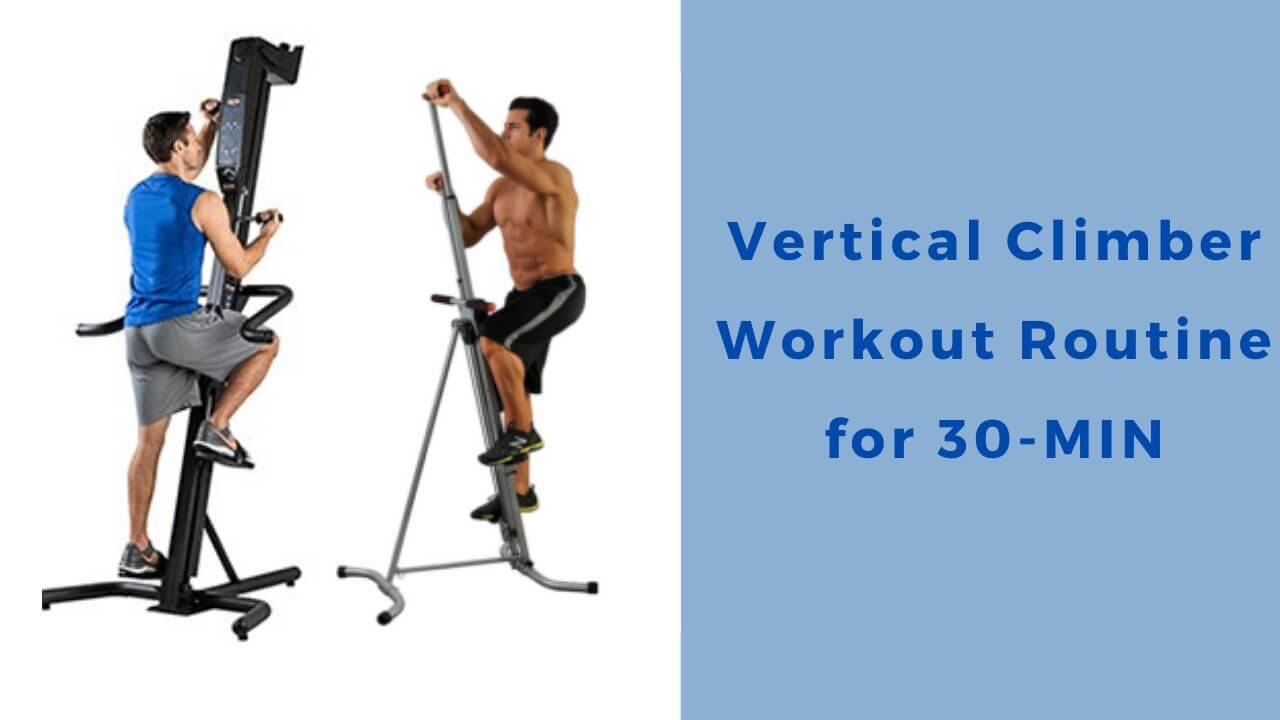
The vertical climber mimics the motion of rock climbing. Your arms and legs move in a synchronized push-pull pattern that activates your shoulders, back, core, glutes, quads, and calves simultaneously. Unlike a stationary bike — where your arms rest — or a treadmill — where your upper body does almost nothing — the climber keeps everything engaged from start to finish. That's why it burns more calories per minute than most machines at equivalent effort.
This guide breaks down the equipment you need, a structured session plan for both beginners and intermediate climbers, who should (and shouldn't) use this machine, technique cues that actually matter, and an honest look at the trade-offs. Whether you're chasing fat loss, building cardio endurance, or adding variety to a stale routine, this is your blueprint.
Contents
The machine you choose shapes every session. Not all vertical climbers are built equally — some wobble under load, others have fixed step heights that don't suit your body proportions. Get this decision right and everything downstream gets easier.
Key specs to evaluate before purchasing:

The Sunny Health & Fitness Vertical Climber is a widely recommended entry-level option. It balances affordability with genuine durability. If you're comparing home cardio machines before committing, see how it stacks up against the top treadmills under $1,000 — a useful comparison for people deciding between step-based and stride-based cardio.
The right accessories extend your sessions and protect your body:
If you notice foot discomfort during or after climbing sessions, compression socks with arch support make a real difference. The best plantar fasciitis socks include several options that work well for step-based, high-repetition workouts like vertical climbing.
If you're new to the machine, start with interval-based climbing rather than continuous effort. Your body needs time to learn the arm-leg coordination pattern, and your grip and shoulder endurance will be the first limiting factor — not your cardiovascular fitness.
Beginner 30-minute structure:
In your first two weeks, prioritize form over speed. Slowing down protects your joints and builds the neuromuscular coordination that makes faster climbing sustainable.
After two to four weeks on the beginner plan, shift to higher-intensity intervals. The intermediate structure introduces true sprint efforts and challenges both your aerobic and anaerobic energy systems in the same session.
| Phase | Duration | Effort Level | Primary Goal |
|---|---|---|---|
| Warm-Up | 5 min | 40–50% | Elevate heart rate, prep joints |
| Beginner Intervals | 15 min | 60–70% | Build endurance and coordination |
| HIIT Sprints (Intermediate) | 17 min | 85–90% | Maximize calorie burn and VO2 max |
| Steady-State | 7 min | 60–65% | Sustain aerobic conditioning |
| Cool-Down | 3 min | 30–40% | Reduce heart rate, prevent dizziness |
The vertical climber works across a wide range of fitness goals and starting points. You're well-positioned to benefit if:
Calorie burn is the standout advantage. According to CDC physical activity guidelines, adults need 75 minutes of vigorous aerobic activity per week. A properly paced 30-minute vertical climber session qualifies as vigorous — meaning three sessions per week covers your full weekly requirement.
A 155-pound person burns approximately 300–400 calories in a vigorous 30-minute climb. That's higher than a comparable session on most stationary bikes or ellipticals because your upper body stays active throughout.
People with mild lower back tension also often tolerate the climber well. The upright posture and constant core engagement reduce lumbar compression compared to seated cardio machines. The motion requires your spine to stay neutral — which is good training for everyday posture as well.
The vertical climber is demanding. Certain conditions make it a poor choice — at least temporarily:
If you've had knee replacement or hip surgery within the past 12 months, get explicit written clearance from your orthopedic surgeon before using a vertical climber — the range of motion required may not be appropriate at your stage of recovery.
Your form determines whether your vertical climber workout routine for 30 minutes is productive or potentially harmful. Poor posture under fatigue is how overuse injuries develop. Build these habits from session one.
Non-negotiable form cues:
Most people underestimate how much breathing technique affects performance. Exhale on the effort phase — when you push down and pull — and inhale during the lighter recovery phase. Shallow chest breathing spikes perceived exertion faster than the exercise itself.
Pacing is where most beginners fail. The vertical climber feels manageable in the first two minutes. By minute eight, people who started too fast are already at their limit. Start conservatively — build effort across the first 10 minutes rather than sprinting from the gun.
Use a simple perceived exertion scale to guide your pacing:
This approach keeps your output high through the full 30 minutes without blowing up early. Consistency across the session beats brief heroics followed by a forced stop.
The vertical climber earns its reputation. Here's what it genuinely delivers:
No machine is a perfect solution. Know the trade-offs before committing:
If joint pain is a recurring issue, a recumbent bike for home cardio may be a better starting point — it removes upper body involvement and reduces knee flexion demand. The vertical climber rewards people who are already mobile and mostly pain-free.
Yes. A structured 30-minute vertical climber session activates every major muscle group and sustains your heart rate in the vigorous aerobic zone. It meets the CDC's weekly vigorous activity recommendation in just three sessions, making it one of the most time-efficient workout formats available.
A person weighing approximately 155 pounds burns 300–400 calories in a vigorous 30-minute session. Heavier individuals and those doing HIIT sprint intervals will burn toward the higher end of that range. Full-body engagement is why the calorie count exceeds most comparable cardio machines.
The vertical climber is highly effective for weight loss when paired with a caloric deficit. Its high caloric burn per minute, full-body activation, and HIIT compatibility make it one of the better tools for fat loss. Three sessions per week produces measurable results within four to six weeks.
Yes, but start with the beginner interval protocol — 45 seconds of active climbing followed by 30 seconds of slow recovery. Focus on form before speed. Most beginners adapt to the coordination pattern within two to three sessions and can progress to higher intensities after two to four weeks.
Your core activates throughout every rep to stabilize your spine and transfer force between your upper and lower body. It's not an isolation exercise, but consistent use builds real functional core strength — the kind that supports posture and reduces lower back stress in daily movement.
It's lower impact than running but still loads the knee joint through repeated flexion and extension. If you have existing knee pain, start with a short session at low intensity and monitor your response carefully. Anyone with a recent knee injury or surgical history should get medical clearance first.
Three to four sessions per week is optimal for most people. This schedule allows 48 hours of recovery between sessions — essential when you're doing HIIT protocols that stress both your cardiovascular and muscular systems. Daily sessions without rest increase injury risk without proportional benefit.
Many people with mild to moderate back discomfort tolerate the vertical climber well because of its upright posture requirement and continuous core engagement. However, acute or severe back pain warrants medical clearance before use. The motion involves spinal extension and stabilization that may not be appropriate for all conditions or stages of recovery.


About Mehnaz
Mehnaz is the founder and editor of RipPain, a health resource site dedicated to helping readers navigate pain management, recovery, and medical device research. Her work on the site is driven by personal experience caring for seriously ill family members, which led her to study evidence-based guidance from physicians, pain specialists, and published medical research. She curates and summarizes expert medical insights to make credible health information accessible to everyday readers.
You can get FREE Gifts. Or latest Free phones here.
Disable Ad block to reveal all the info. Once done, hit a button below
 Mehnaz