Studies show that stair climbing burns approximately 8 to 9 calories per minute — outpacing flat-surface jogging in raw caloric expenditure. If you're evaluating the best stair steppers and benefits they deliver, you're making one of the smarter decisions available in home fitness equipment. Stair steppers engage the glutes, quadriceps, hamstrings, and calves simultaneously while providing low-impact cardiovascular training that spares the knees and hips. For anyone managing chronic pain, recovering from lower-body injury, or searching for efficient daily exercise, this guide covers what matters: the top machines, the real benefits, and exactly how to use them. Find more equipment comparisons in our Sport & Fitness section.
Top Stair Stepper Machines by Editors
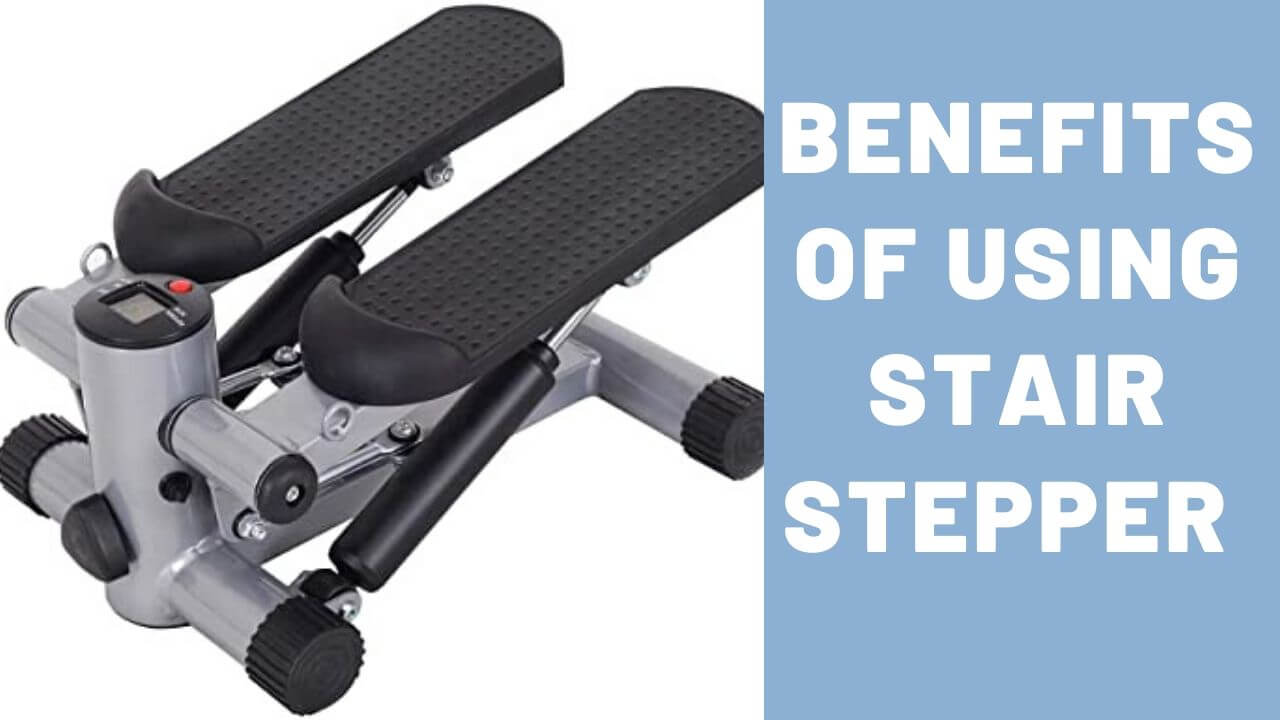
Stair steppers come in three main formats: compact mini steppers, mid-range step machines, and commercial-grade stair climbers. Each category targets a different user profile and budget range. The right choice depends on your fitness goals, available floor space, and how frequently you intend to train. This guide treats all three with equal rigor — no filler, no brand hype.
Research published by the Centers for Disease Control and Prevention (CDC) confirms that adults require at least 150 minutes of moderate-intensity aerobic activity per week for measurable health benefit. A stair stepper delivers exactly that kind of output in focused sessions as short as 20 to 30 minutes, making it one of the most time-efficient tools in home cardio.
The Best Stair Steppers and Benefits: A Side-by-Side Look
Not every stair stepper is engineered the same. Understanding the distinctions between machine categories helps you match equipment to your actual needs — not the marketing copy on the box. The table below maps the three primary types against the variables that matter most to real buyers.
Type
Price Range
Space Required
Resistance Levels
Best For
Mini Stepper
$30–$150
Very small (under-desk use)
Hydraulic (limited range)
Light daily movement, beginners, active recovery
Mid-Range Step Machine
$150–$700
Moderate (approx. 3×4 ft)
8–20 adjustable levels
Home fitness, consistent weight loss training
Commercial Stair Climber
$700–$3,500+
Large (approx. 4×5 ft)
20+ levels, fully programmable
Serious conditioning, physical rehabilitation
Mini Steppers
Mini steppers are the most accessible entry point into stair-based training. They weigh under 15 pounds, cost less than a monthly gym membership, and fit beneath a standing desk. The tradeoff is real: hydraulic resistance limits maximum intensity, and the short stride length reduces muscle activation compared to full-size machines. For light daily movement or supplemental activity between full workouts, they deliver genuine value — particularly for sedentary individuals making their first shift toward structured exercise.
Full-Size Step Machines
Mid-range step machines dominate the home fitness market for good reason. Models in this category offer adjustable resistance, digital progress monitors, built-in workout programs, and step platforms large enough for natural stride mechanics. This category delivers the widest range of stair stepper benefits without requiring a commercial equipment budget. Expect user weight capacities between 220 and 300 pounds in this tier, along with quieter hydraulic or electronic resistance systems.
Commercial-Style Stair Climbers
Machines like rotating-step stair climbers use a continuous belt of steps that mimic real staircase climbing with full range of motion. These produce significantly higher muscle activation and caloric burn than hydraulic step machines. They're also the most expensive, heaviest, and space-intensive option available. For anyone training five or more days per week or using a stair stepper as a primary conditioning tool, commercial-style machines justify the investment.
FAQs for What is the best cardio machine?
Stair Stepper Prices: Breaking Down Your Budget
Price determines not just machine quality, but the quality and consistency of your workout over months of use. Cheaper machines break down under heavy use. Overbuying wastes money on features you'll never access. Here's how each tier performs against realistic training expectations.
Under $150: Hydraulic mini steppers. Adequate for desk workers or people in active recovery who need gentle, sustained movement. Expect limited durability under heavy daily use and a short warranty window.
$150–$400: Entry-level step machines with basic resistance settings and simple calorie/step monitors. A solid choice for consistent moderate training three to four days per week.
$400–$700: The practical sweet spot for most home users. You get programmable workouts, wider step platforms, higher user weight capacity, and significantly quieter operation than budget machines.
$700 and above: Professional-grade machines with commercial warranties, live coaching integrations, and rotating step mechanisms. Justified if you train five or more days per week and treat the stair stepper as your primary fitness equipment.
Before committing to a stair stepper, compare it against other home cardio options. Our breakdown of the best rowing machines under $300 shows how rowing stacks up in terms of full-body engagement, joint impact, and cost efficiency — useful context if you're deciding between machine categories.
Always verify the machine's maximum user weight rating before purchasing. Exceeding it voids the warranty and creates real structural risk during high-intensity use.
How to Use a Stair Stepper Correctly
Using a stair stepper incorrectly eliminates a significant portion of its benefit and raises injury risk. The three most common errors: leaning heavily on the handrails, locking the knees at the bottom of the stroke, and stepping only with the toes. Each mistake reduces muscle engagement and transfers load to the wrong structures.
Posture and Foot Placement
Keep your torso upright or only slightly inclined forward. Rounding the back is the most common postural breakdown.
Engage your core throughout the movement. A loose midsection reduces power transfer and strains the lumbar spine.
Place your full foot on each pedal — heel-to-toe contact distributes load correctly and reduces ankle stress.
Keep your knees tracking over your second toe. Inward collapse (valgus) signals either excessive resistance or fatigued hip stabilizers. Reduce resistance before it becomes a habit.
Release the handrails once you've found your balance. Gripping the rails offloads weight from your legs and reduces caloric burn by up to 25%, according to exercise physiology research.
Building Your Stepping Routine
Begin with 10-minute sessions at the lowest resistance setting. Allow your joints two weeks to adapt before escalating intensity.
Add five minutes per session every three to five days until you reach 30 continuous minutes comfortably.
Introduce interval training: two minutes at elevated resistance followed by one minute at recovery pace. Repeat for the duration of the session.
Target four to five sessions per week for optimal cardiovascular and muscle-building results.
Include at least one full rest day between high-intensity sessions to allow muscular recovery and prevent overuse injury.
If you experience heel or arch pain during or after sessions, read our guide on heel pain and plantar fasciitis before continuing — stair stepping can aggravate existing foot conditions when footwear or stride mechanics are incorrect.
Benefits You'll Notice Within the First Month
The best stair steppers and benefits they generate are not theoretical. Clinical data and consistent user-reported outcomes point to measurable improvements in under 30 days when training is applied with regularity. Here's what the evidence shows across two primary domains.
Cardiovascular Gains
Resting heart rate drops by 3 to 5 beats per minute within four weeks of regular aerobic stair training in previously sedentary individuals.
VO2 max — the measure of your body's oxygen utilization efficiency — responds positively to stair-based aerobic conditioning.
Blood pressure improvements become measurable after as few as three weeks of consistent moderate-intensity stepping sessions.
Because stair climbing recruits the largest muscle groups in the lower body, your cardiovascular system adapts rapidly to meet increased oxygen demand.
Stair stepping elevates heart rate faster than most flat-surface cardio machines at equivalent effort, making it one of the most time-efficient options for cardiovascular conditioning.
Lower Body Strength and Endurance
Glute activation during stair stepping measures higher than during flat treadmill walking at equivalent heart rates, based on electromyography data from exercise science studies.
Quadriceps and hamstrings respond quickly to the step pattern, particularly when stride depth and resistance are progressive.
Calf endurance improves within two weeks — many users report reduced foot and leg fatigue during regular daily activities as an early indicator.
Low-impact design keeps joint stress minimal compared to running, making stair steppers appropriate for individuals managing knee osteoarthritis, hip discomfort, or post-surgical rehabilitation.
Core stability improves as a secondary benefit when users maintain proper upright posture throughout sessions without relying on the handrails.
Stair Stepper Myths That Don't Hold Up
Several persistent misconceptions cause people to misuse stair steppers — or avoid them entirely. The evidence against these myths is clear and consistent.
Myth: Stair steppers are purely a cardio tool. False. Under adequate resistance, the step pattern creates a genuine strength stimulus for the glutes, quads, and hamstrings. The posterior chain responds to load regardless of whether the equipment is labeled "cardio."
Myth: You need to train daily to see results. Incorrect. Four sessions per week with proper recovery days produces faster progress than daily use with accumulated fatigue. Muscle adaptation happens during rest, not during exercise.
Myth: Mini steppers are not worth buying. For sedentary individuals or people in active recovery, sustained low-intensity movement produces real metabolic benefit. Mini steppers fulfill that function effectively and affordably.
Myth: Stair steppers damage your knees. When used with correct form and appropriate resistance, they are among the lowest-impact cardio machines available. Knee problems arise from poor form, excessive resistance relative to current conditioning, or pre-existing structural issues that require medical evaluation.
Myth: Gripping the handrails increases safety. It increases stability at the expense of effectiveness. Handrail dependence reduces balance demand, reduces leg load, and significantly lowers the caloric output of each session.
Best Practices for Safe, Long-Term Progress
Sustained results on a stair stepper come from consistent application of a few core principles. These are the habits that differentiate users who plateau after three weeks from those who build visible fitness over months.
Warm up for five minutes at minimal resistance before increasing intensity. Cold muscles and connective tissue are more prone to strain.
Wear supportive, well-fitted athletic footwear every session. Flat-soled shoes or worn-out trainers increase ankle stress and alter gait mechanics. Our guide to the best shoes for back pain covers support principles that apply equally to stair stepper users managing lower-body discomfort.
Track your sessions. Most mid-range machines include step counters, heart rate monitors, and calorie estimators. Data tracking is one of the strongest behavioral predictors of long-term training consistency.
Increase resistance before increasing duration. Higher resistance means greater muscle recruitment per stroke. Extending session duration at low resistance primarily adds time without proportional benefit.
Cool down with two to three minutes of reduced-pace stepping, followed by static stretching of the quadriceps, hamstrings, and calves. Hold each stretch for 20 to 30 seconds.
Stay hydrated. Stair stepping elevates core temperature quickly. Drink at least 16 ounces of water before and after each session, and more during longer or high-intensity intervals.
Reassess your resistance settings every two weeks. As your conditioning improves, previous resistance levels stop providing adequate stimulus. Progressive overload is the mechanism behind continued results.
The first two weeks are primarily neurological adaptation — your body learning the movement pattern. Weeks three through eight are where cardiovascular and muscular improvements compound into visible, measurable changes. Stay consistent through the early phase.
Key Takeaways
The best stair steppers and benefits they produce include simultaneous cardiovascular conditioning and lower-body strength development in sessions as short as 20 minutes — one of the highest output-to-time ratios in home cardio.
Machine type and price should match your actual training frequency: mini steppers for light or recovery use, mid-range machines for regular home training, commercial climbers for high-frequency serious conditioning.
Correct posture — upright stance, full foot contact, and released handrails — is the single most important variable determining how much benefit you extract from each session.
Most common stair stepper myths are directly refuted by exercise science: they are low-impact, they build muscle under sufficient resistance, and four sessions per week outperforms daily training without recovery.
Mehnaz is the founder and editor of RipPain, a health resource site dedicated to helping readers navigate pain management, recovery, and medical device research. Her work on the site is driven by personal experience caring for seriously ill family members, which led her to study evidence-based guidance from physicians, pain specialists, and published medical research. She curates and summarizes expert medical insights to make credible health information accessible to everyday readers.




 Mehnaz