
Nearly 20% of adults experience cracked heels at some point — and for people living with diabetes, thyroid disorders, or obesity, that number climbs significantly higher. If you're looking for how to soothe cracked heels naturally, you're not dealing with a cosmetic problem. You're dealing with a real skin integrity issue that, left untreated, can lead to bleeding, infection, and chronic pain. Your approach to foot care matters more than most people realize, and the right natural routine can turn this around completely.

Cracked heels — medically referred to as heel fissures — develop when the thick skin around the heel rim loses moisture and elasticity. The constant pressure of standing and walking then splits that dry skin into painful cracks. Mild fissures look rough and feel uncomfortable. Deep ones bleed, introduce bacteria, and make every step a problem. The encouraging reality is that most cases respond well to consistent, targeted natural care.
This guide covers the root causes, the tools and ingredients worth your time, a proven daily routine, and a frank breakdown of when natural care is enough — and when it's time to bring in a professional. Every section is focused on what delivers real results.
Contents
Cracked heels don't happen randomly. There's almost always a specific cause driving the problem — and once you identify it, you can target your fix precisely. Check this list against your own habits and situation:
If your exfoliation and skin smoothing routine has been inconsistent or non-existent, that alone is often the primary driver. Dead skin buildup creates thick calluses that crack under pressure.
Sometimes lifestyle factors aren't the only issue. Several medical conditions significantly increase your risk of severe heel fissures:
Pro tip: If your heels crack in the same spots repeatedly despite consistent moisturizing, get your thyroid function and blood sugar checked — the problem may be systemic, not topical.
You can't moisturize your way through a thick callus. Exfoliation has to come first. The right tool makes the difference between effective dead skin removal and damaging the live skin underneath. Here's a comparison of the most common options:
| Tool | Best For | Risk Level | Frequency |
|---|---|---|---|
| Pumice stone | Mild to moderate calluses; best used on wet skin | Low | 2–3x per week |
| Metal foot file / rasp | Thick, stubborn calluses | Medium — easy to over-file | 1x per week |
| Electric callus remover | Consistent, controlled exfoliation | Low to medium | 1–2x per week |
| Exfoliating foot scrub | Maintenance between filing sessions | Very low | Daily or every other day |
| Foot peel mask | Whole-foot dead skin removal | Low — avoid on open cracks | Monthly |
Always use exfoliation tools on softened, damp skin — never on dry heels. And stop immediately if you feel pain or see pink skin. That's live tissue, not callus.
The natural world offers several proven options for healing and sealing cracked heels. These are the ones with real evidence behind them:
For a deeper look at which natural ingredients hold up best for overall foot health, the guide to essential ingredients for taking care of your feet breaks it down in more detail.
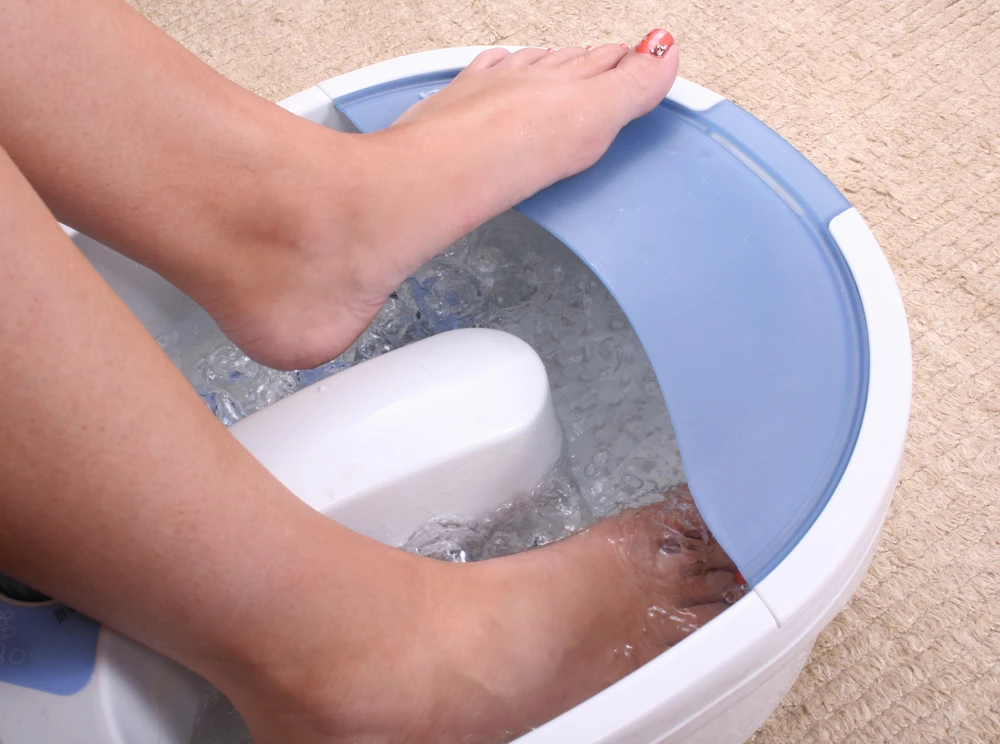
Consistency is what separates people who fix their cracked heels from those who manage them temporarily. Build this evening routine into your week and stick with it:
If you want to turn this into a full routine, the guide to giving yourself a homemade pedicure covers additional steps for complete foot maintenance at home.
The overnight window is your most powerful treatment opportunity. Your skin repairs itself during sleep, and occlusion — sealing moisture in with a barrier — dramatically accelerates healing in cracked heel skin.
Warning: Never use a foot peel mask or strong urea cream on heels with open, bleeding fissures — you need those cracks partially closed before applying anything with exfoliating actives.
Natural treatment works well in most cases. You're a good candidate for the home approach if your situation matches these criteria:
In these cases, two to four weeks of the consistent routine described above produces visible, measurable improvement. Most people with mild to moderate heel fissures see significant softening within ten days.
Some situations require professional evaluation. Stop home treatment and contact a podiatrist or your primary care physician if you notice any of the following:
A podiatrist can debride severe calluses safely, prescribe higher-strength urea formulations, and rule out systemic causes you might not have considered. Don't wait until a crack becomes an infected wound.
What you put on your feet — and what you walk on — has a direct, daily impact on heel health. These changes cost almost nothing and pay off immediately:
Your skin is a reflection of what you put into your body. These nutritional adjustments support the healing process from the inside:
These changes won't replace a topical routine — but they create the physiological environment in which healing actually happens efficiently.
Most people with mild to moderate heel fissures see meaningful improvement within 10 to 14 days of consistent nightly treatment — soak, exfoliate, moisturize, seal with socks. Deep or long-standing fissures can take four to six weeks of daily attention before the skin is fully restored.
Coconut oil is an effective emollient and antimicrobial treatment, but it works best as part of a layered approach. Apply it after exfoliation and seal it in with petroleum jelly and cotton socks overnight. Used alone without an occlusive barrier, it evaporates too quickly to produce lasting results on severely cracked skin.
No. Daily filing irritates skin and removes healthy tissue along with the callus. Limit pumice stone use to two to three times per week and metal foot files to once per week. Over-filing thins the protective layer and can make cracking worse, not better.
Increased water intake supports overall skin health and improves elasticity, but it's not a standalone fix for heel fissures. Think of hydration as a supporting condition — it helps your topical treatments work better. You still need consistent moisturizing and exfoliation to see real structural improvement in the skin.
The fastest natural option is a combination treatment: a 10-minute warm Epsom salt soak followed immediately by filing, then a generous layer of shea butter or urea cream sealed with petroleum jelly and cotton socks overnight. Done consistently for five to seven nights in a row, this produces visible softening faster than any single-ingredient approach.
See a podiatrist if your fissures are bleeding, show signs of infection (redness, swelling, warmth, discharge), haven't improved after four weeks of consistent treatment, or if you have diabetes or poor circulation. In those cases, home treatment isn't enough and waiting can lead to serious complications.
Soft, pain-free heels aren't luck — they're the result of ten consistent minutes every evening, the right ingredients, and knowing exactly when to ask for help.


About Mehnaz
Mehnaz is the founder and editor of RipPain, a health resource site dedicated to helping readers navigate pain management, recovery, and medical device research. Her work on the site is driven by personal experience caring for seriously ill family members, which led her to study evidence-based guidance from physicians, pain specialists, and published medical research. She curates and summarizes expert medical insights to make credible health information accessible to everyday readers.
You can get FREE Gifts. Or latest Free phones here.
Disable Ad block to reveal all the info. Once done, hit a button below
 Mehnaz