
Nearly 70% of people will develop athlete's foot at least once in their lifetime — making it one of the most widespread fungal infections on the planet. If you're searching for effective ways to treat athlete's foot at home, the encouraging news is that most mild to moderate cases respond well to over-the-counter antifungals and consistent daily habits. You can explore more practical guidance in our foot care section. What matters most is understanding what you're dealing with and applying the right treatment from the start.

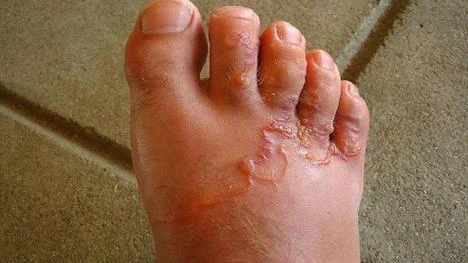
Athlete's foot — clinically called tinea pedis — is a fungal infection, not a cleanliness problem. It thrives in warm, moist environments: locker room floors, communal showers, the inside of your shoes. Even people who wash their feet every day can develop it. The critical point is that soap and water alone won't eliminate it. You need antifungal agents that target the organism directly.
It's also worth knowing that athlete's foot and fungal toenail infections share the same root cause — dermatophytes — and frequently occur together. Treating one while ignoring the other often leads to reinfection. Keep that connection in mind as you work through your treatment plan.
Contents
You can't treat something effectively without knowing what it is. Athlete's foot is caused by a group of mold-like fungi called dermatophytes. These organisms feed on keratin — the protein that makes up your skin and nails — and they thrive in environments that are warm, dark, and damp. According to the CDC, fungal skin infections are among the most common infections globally, affecting hundreds of millions of people at any given time.
Athlete's foot doesn't always look the same. Identifying your specific type helps you choose the most effective treatment approach:
Dermatophytes are remarkably resilient. They survive on surfaces — towels, shower floors, socks, gym equipment — for extended periods without a host. You pick them up through direct contact with contaminated surfaces or infected skin. Walking barefoot in communal areas is the single most common route of transmission.
Once exposed, your feet become vulnerable if they stay warm and moist. Tight, non-breathable shoes accelerate fungal growth significantly. If you already deal with sweaty feet, addressing that problem alongside antifungal treatment gives you meaningfully better long-term results.
You don't need a medicine cabinet full of products to treat athlete's foot at home effectively. A focused, well-chosen set of items — used consistently — is more effective than a scattershot collection of remedies.
Over-the-counter antifungals are your primary weapon. Look for products containing one of these active ingredients:
Apply your chosen product to clean, dry feet twice daily. Continue for the full recommended course — typically two to four weeks — even after symptoms disappear. Stopping early is the leading cause of recurrence. The fungi that survive a partial treatment can come back more resistant than before.
Some natural options have genuine evidence behind them. Others are more speculative. Here's a balanced look:
Natural remedies can complement antifungal treatment, but they're rarely strong enough to clear an established infection on their own — always use a proven OTC antifungal as your primary approach.
There's no shortage of options when it comes to home treatment for athlete's foot. The challenge is knowing which ones are worth your time and money. The table below compares the most widely used approaches across five key factors so you can make an informed choice.
| Treatment | Type | Effectiveness | Typical Duration | Average Cost | Best For |
|---|---|---|---|---|---|
| Terbinafine cream | OTC antifungal | High | 1–2 weeks | $10–$18 | Most infection types |
| Clotrimazole cream | OTC antifungal | High | 2–4 weeks | $6–$12 | Interdigital type |
| Tolnaftate | OTC antifungal | Moderate | 2–4 weeks | $5–$10 | Mild cases, prevention |
| Tea tree oil | Natural adjunct | Moderate | 4–8 weeks | $8–$20 | Mild symptoms, complement |
| Antifungal powder | OTC preventive | Low–Moderate | Ongoing | $5–$10 | Sweaty feet, prevention |
| Vinegar foot soak | Home remedy | Low | Varies | Under $2 | Mild symptoms, adjunct |
| Prescription oral antifungal | Rx medication | Very High | 2–12 weeks | $20–$150+ | Severe or resistant cases |
OTC antifungal creams — particularly terbinafine — offer the best combination of effectiveness, speed, and cost for most people. Natural remedies and home soaks are reasonable additions but shouldn't replace proven antifungals as your core treatment.
One of the most compelling reasons to start with home treatment is the price. Even a persistent case can typically be resolved for well under $30 if you choose your products wisely and use them consistently.
Here's a realistic breakdown of what you might spend at different levels:
If your infection clears and returns within a few months, don't just repeat the same treatment. Evaluate your environment. Are you reinfecting yourself from contaminated shoes? Are your socks trapping moisture? Repeat infections suggest an ongoing source that products alone won't eliminate. Solving the root cause saves you money in the long run.
Most athlete's foot cases improve noticeably within one to two weeks of consistent antifungal use. If yours isn't improving, there are a few likely reasons — and most of them are correctable without a prescription.
Home treatment handles the vast majority of cases. But there are situations where professional evaluation makes clear sense:
A doctor can prescribe oral antifungals like fluconazole or itraconazole, which travel through the bloodstream and reach areas that topical creams can't. These are significantly more effective for nail involvement or widespread infection.
Successfully treating an active infection is only half the equation. Studies suggest that up to 40% of people experience a recurrence within a year of clearing athlete's foot — usually because the habits that enabled the first infection were never changed. Prevention is genuinely simpler than repeated treatment.
Your shoes and socks have an outsized impact on whether athlete's foot returns. A few practical guidelines that actually make a difference:
Most mild to moderate cases clear within two to four weeks with consistent use of an OTC antifungal cream. Terbinafine-based products often work faster — sometimes in one to two weeks. Complete the full course even after symptoms disappear, because stopping early is the most common reason athlete's foot keeps coming back.
Rarely. Fungal infections don't typically resolve without antifungal intervention. Symptoms may fluctuate — appearing to improve in cooler or drier conditions — but the underlying infection usually persists and often worsens over time. Treating it promptly is far more effective than waiting it out.
Yes. OTC antifungal creams are formulated for daily use. Most treatment protocols call for application once or twice daily for two to four weeks. If you notice increasing skin irritation, redness, or worsening symptoms from the cream itself, stop use and consult a pharmacist or doctor about alternative options.
Yes, it can. The dermatophytes responsible for athlete's foot can spread to your toenails (onychomycosis), your groin (jock itch), and even your hands if you scratch the infected area and then touch other body parts. Treating the infection promptly and washing your hands after touching affected skin helps prevent this spread.
Athlete's foot typically causes itching, burning, and scaling that starts between the toes or on the sole, and may progress to blistering. Dry skin tends to cause uniform flaking without significant itching or burning and doesn't follow the same interdigital pattern. If you're unsure, a pharmacist can often help you identify the difference, or a doctor can confirm with a simple skin scraping test.
You don't need to stop going to the gym entirely, but take precautions. Wear sandals or flip-flops in shared locker rooms and shower areas. Wash and dry your feet thoroughly after every workout and apply antifungal cream as directed. Avoid sharing towels or footwear with anyone until your infection is fully cleared.
OTC antifungal creams have limited effectiveness against toenail fungus because the nail plate physically blocks absorption. If you suspect nail involvement, look for products specifically formulated for nails, or consult a doctor about prescription options. That said, treating any associated athlete's foot is still important to prevent the infection from cycling back and forth between the skin and nails.
Athlete's foot is common, treatable, and — with the right prevention habits — largely avoidable going forward. If you're ready to break the cycle, start with a proven antifungal cream like terbinafine, pair it with thorough drying habits and breathable footwear, and give the treatment the full course it needs to work. Check out our guide to the best athlete's foot creams if you'd like a specific product recommendation to get started today.


About Mehnaz
Mehnaz is the founder and editor of RipPain, a health resource site dedicated to helping readers navigate pain management, recovery, and medical device research. Her work on the site is driven by personal experience caring for seriously ill family members, which led her to study evidence-based guidance from physicians, pain specialists, and published medical research. She curates and summarizes expert medical insights to make credible health information accessible to everyday readers.
You can get FREE Gifts. Or latest Free phones here.
Disable Ad block to reveal all the info. Once done, hit a button below
 Mehnaz