
If you want the fastest cure available without a prescription, Lotrimin Ultra is the one to reach for — its prescription-strength butenafine formula eliminates most athlete's foot infections between the toes in just seven days. But not every case is the same, and the right cream for your situation depends on your active ingredient preference, skin sensitivity, and whether you need short-term treatment or long-term prevention.
Athlete's foot (tinea pedis) is one of the most stubborn fungal infections out there. The itch, the burning, the cracked and peeling skin between your toes — it's uncomfortable and embarrassing, and it spreads easily in shared spaces like gyms, locker rooms, and public showers. According to the CDC, fungal skin infections affect tens of millions of Americans every year, and athlete's foot is among the most common. The good news is that the right over-the-counter antifungal cream, applied consistently, can clear most infections within one to two weeks.
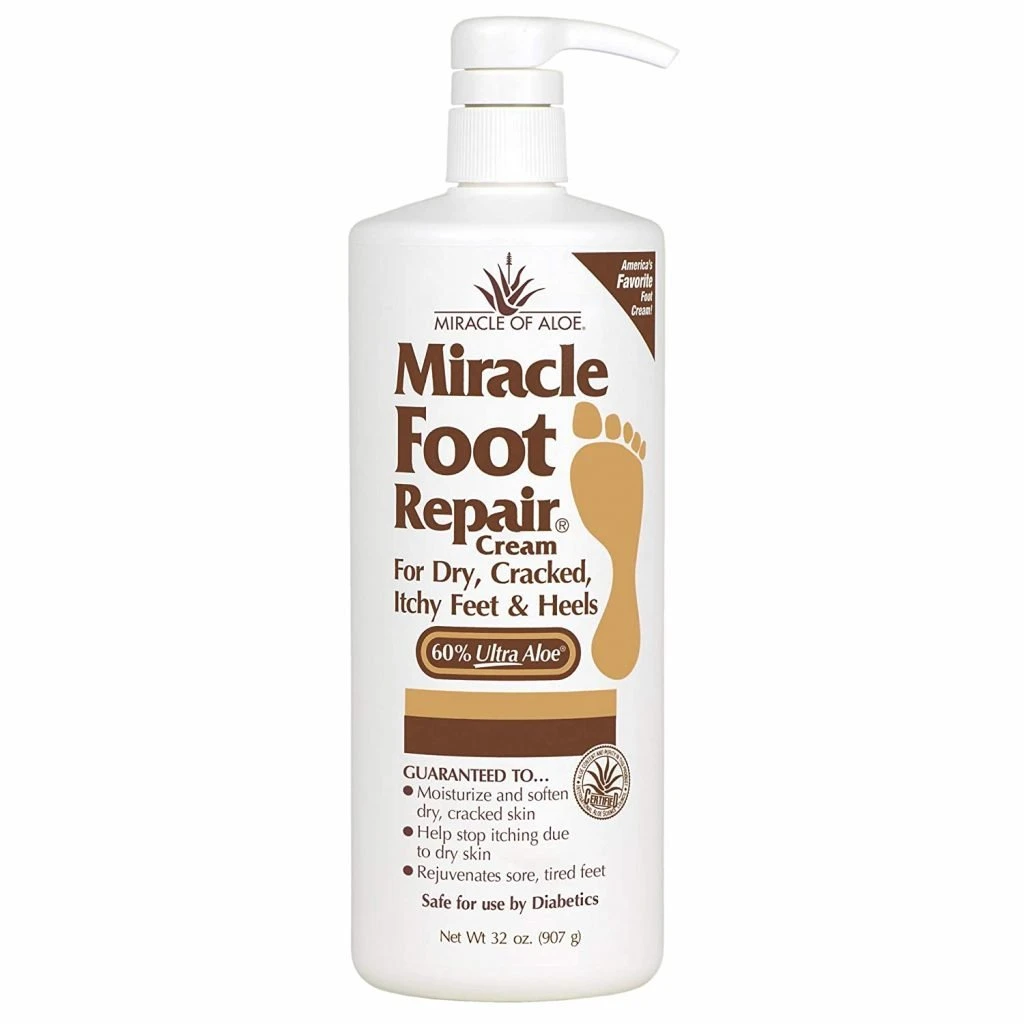
In this guide, I've put together the seven best athlete's foot creams available on Amazon in 2026, breaking down what makes each one worth your money — and where each one falls short. Whether you're an athlete dealing with a first-time infection, someone managing chronic recurrences, or a gym-goer looking for daily protection, there's a product here that fits your situation. While you're at it, check out our broader foot care section for tips on keeping your feet in great shape year-round, and our round-up of basic foot care tips for year-round exposure to avoid letting the problem come back.
Contents






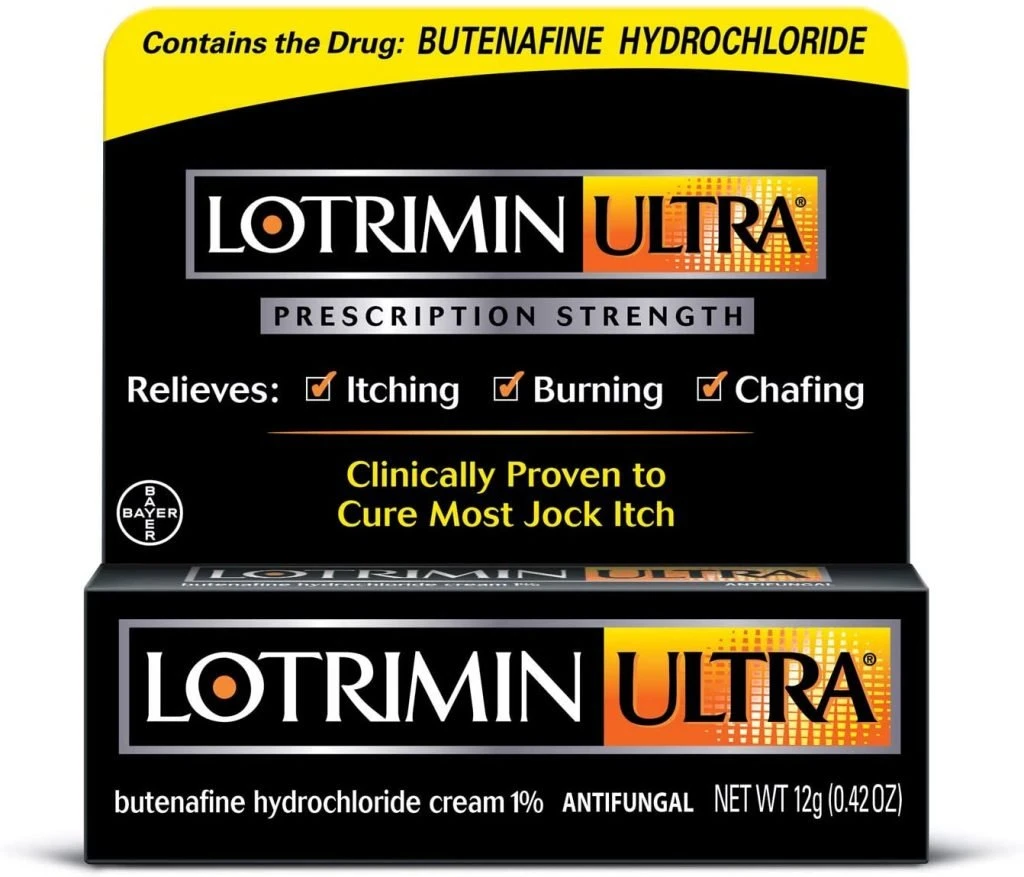
Lotrimin Ultra is the gold standard for over-the-counter athlete's foot treatment in 2026, and the reason is straightforward: butenafine hydrochloride at 1% prescription strength is one of the most potent antifungal actives you can buy without a prescription. Most competing creams use tolnaftate or clotrimazole, which typically require two to four weeks of daily application. Butenafine kills the fungus faster, which is why Lotrimin Ultra can clear most between-the-toe infections in a single week when applied once daily.
Beyond the speed, the cream's texture is comfortable — it absorbs reasonably well without leaving a heavy greasy residue, and it doesn't have an overwhelming medicinal smell. One of the underappreciated benefits is its role in reducing your risk of nail fungus. When athlete's foot goes untreated, the infection can spread under the toenails, where it becomes significantly harder to treat. Using Lotrimin Ultra at the first sign of symptoms stops that progression in its tracks. Apply it once daily to clean, dry skin for seven days, and continue for the full week even if symptoms clear earlier — that's what ensures the fungus is fully eliminated.
The 1.1 oz tube gives you enough product for a standard treatment course, though people with larger feet or more widespread infections may want to pick up two. This is the cream I'd recommend first to anyone dealing with a standard between-the-toe flare-up. If you're managing foot issues related to diabetes or circulation problems, diabetes foot checks become especially important alongside antifungal treatment.
Pros:
Cons:
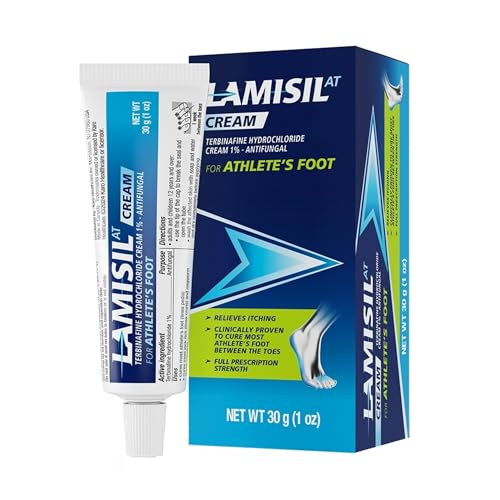
Lamisil is one of the most recognized names in antifungal treatment, and for good reason. Its active ingredient — terbinafine hydrochloride at 1% — is a prescription-grade antifungal that not only kills the fungus causing your current infection but also prevents it from coming back for up to three months. That's the standout feature that sets Lamisil apart from most competitors. If you keep getting athlete's foot and you're tired of the cycle, this is the cream to reach for.
Applied twice daily for one week, Lamisil delivers rapid relief from itching, burning, cracking, redness, and scaling. The cream absorbs well into the skin and doesn't feel heavy or slick on your feet. Terbinafine works by inhibiting an enzyme essential for fungal cell membrane production, which means it's killing the infection at the cellular level rather than just managing surface symptoms. The 30g tube gives you enough for the standard seven-day course, and the formula is clinically proven — this isn't a case where manufacturer claims outrun the evidence.
The main trade-off compared to Lotrimin Ultra is that Lamisil requires twice-daily application rather than once. For most people that's a minor inconvenience. But if you're prone to forgetting doses, the once-daily Lotrimin Ultra might suit your routine better. For active people who exercise regularly and want protection against recurrence after treatment, Lamisil is the stronger long-game option.
Pros:
Cons:
Tinactin has been around for decades, and there's a reason it's still on pharmacy shelves in 2026: it works. The active ingredient here is tolnaftate 1%, a time-tested antifungal that's been clinically proven effective against most athlete's foot and ringworm infections. It's not the fastest option — you'll typically need four weeks of daily use rather than one — but it's a reliable, well-understood formula that's gentle enough for sensitive skin.
What Tinactin does particularly well is relief from the immediate symptoms. The itching, burning, and cracking start to ease within the first few days of use, even before the infection is fully cleared. That's meaningful when you're miserable. The cream also prevents recurrence when used consistently, making it a solid choice for people who need ongoing management rather than a one-time blitz treatment. The 1-ounce tube is compact and easy to travel with.
The longer treatment duration is the main drawback compared to butenafine or terbinafine-based creams. You need discipline to stick with a four-week regimen. But if you have sensitive skin that reacts to stronger formulas, or if you prefer a proven, time-honored ingredient, Tinactin is a dependable pick. It's also widely available and competitively priced.
Pros:
Cons:
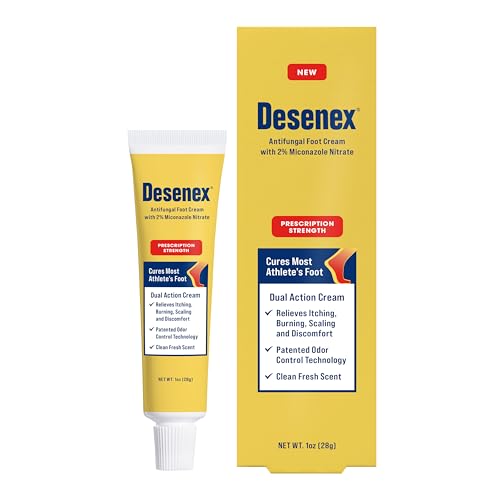
Desenex brings something specific to the table that most antifungal creams skip entirely: patented odor control technology alongside its antifungal treatment. Athlete's foot and foot odor often go hand in hand because the same warm, moist environment that breeds fungus also encourages odor-causing bacteria. Desenex tackles both problems simultaneously with 2% miconazole nitrate — a prescription-strength concentration — plus its fresh-scented odor control formula.
The miconazole nitrate at 2% is notably stronger than the 1% concentration you'll find in most OTC antifungal products, giving it excellent fungicidal power. It relieves the itching, burning, and scaling of athlete's foot effectively, and the all-day odor control makes it a practical everyday companion for people who spend long hours in shoes or work on their feet. The 1 oz tube and fresh scent make it feel less clinical than most antifungal creams.
If foot odor is a significant concern alongside the infection — maybe you're back at work in dress shoes, or you spend hours in boots — Desenex's dual-action formula is genuinely useful rather than just a marketing feature. The trade-off is that a two-week treatment course is typical for miconazole, so you're not getting the one-week cure speed of Lotrimin Ultra or Lamisil.
Pros:
Cons:
Don't confuse Lotrimin AF with Lotrimin Ultra — they share a brand name but use different active ingredients. Lotrimin AF relies on clotrimazole 1%, a broad-spectrum antifungal that's clinically proven effective against athlete's foot, jock itch, and ringworm. Clotrimazole is one of the most studied antifungal agents in the world, with a long safety record and consistent efficacy across a wide population. It typically requires a four-week treatment course rather than one week, but for mild to moderate infections, it's a reliable and cost-effective choice.
The cream's texture is one of its strongest selling points. It uses a white, non-greasy base that absorbs quickly and doesn't leave residue on your socks or feel uncomfortable between your toes. The aluminum tube with a twist-off cap is easy to use and travels well. At 1.1 oz, you get enough for a full four-week treatment, and the formula is gentle enough for daily use without skin irritation for most people.
Lotrimin AF is also effective for jock itch and ringworm, so if you're dealing with multiple fungal infections at once — common in athletes who sweat heavily — one tube covers all three. It's a practical medicine cabinet staple. The slower treatment timeline compared to Lotrimin Ultra is the trade-off, but if you don't need the speed, the AF version offers comparable effectiveness at a friendlier price point.
Pros:
Cons:
Ting stands out immediately for one practical reason: 72 grams of antifungal cream compared to the 28–31g you typically get from competing brands. If you're treating larger areas, managing recurring infections across multiple family members, or simply want a tube that lasts through multiple treatment courses without reordering, Ting's size advantage is real. The formula is designed for twice-daily application to address athlete's foot and foot odor simultaneously, and it's straightforward to add to a daily routine.
The cream relieves itching, burning, and cracking from athlete's foot fungus effectively, and its lightweight texture makes it suitable for everyday use without discomfort. It's a particularly practical option for people dealing with seasonal flare-ups during summer months when feet sweat more heavily, or for households where athlete's foot is a recurring issue across multiple people. The larger tube also reduces the cost-per-gram compared to smaller options.
Ting doesn't specify its active ingredient in the product listing with the same transparency as brands like Lotrimin or Lamisil, which is a mild frustration if you're comparing formulas closely. But for anyone who prioritizes quantity and daily usability over a branded specific active ingredient, Ting delivers solid antifungal performance at a compelling value.
Pros:
Cons:
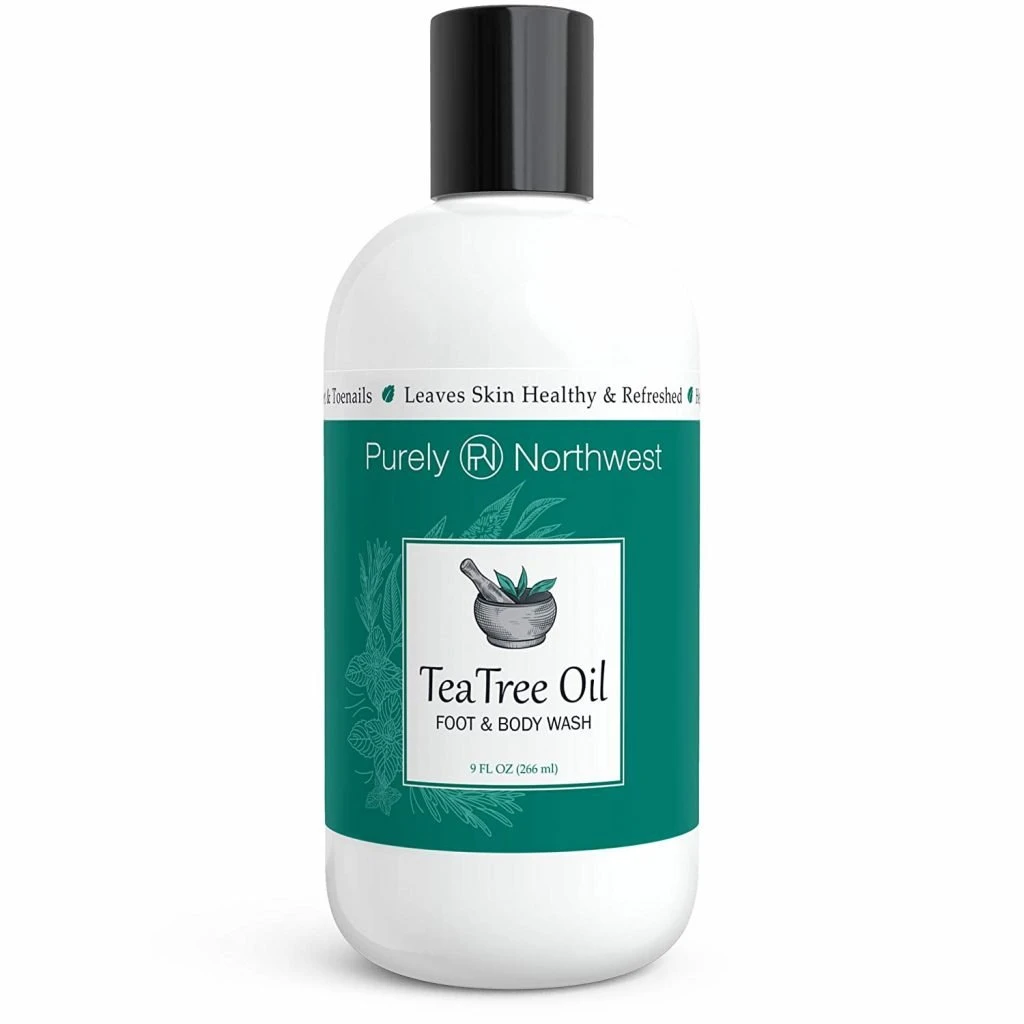
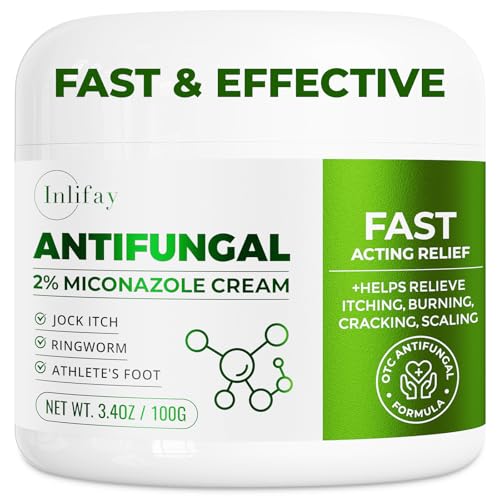
Inlifay is specifically formulated with active, gym-going users in mind. Its 2% miconazole nitrate formula — the same prescription-strength concentration as Desenex — targets the fungal skin conditions that commonly develop from shared gym equipment, sweaty workout shoes, and locker room floors. The emphasis here is on daily protection alongside treatment, making it a practical part of a post-workout recovery routine rather than just a one-time remedy.
The formula is steroid-free and paraben-free, which matters if you're putting cream on your skin every day. It absorbs fast without leaving a greasy film, so you can apply it after a shower and put socks on without any discomfort. The 3.4 oz tube gives you a substantial amount of product — enough for a full treatment course plus ongoing preventive use. It's designed for application on feet, body, and skin folds, covering the range of areas where fungal infections crop up in athletes.
What you're getting with Inlifay is a modern, clean-formula antifungal cream sized generously for regular use. The light fresh scent is pleasant without being overpowering. If you hit the gym several times a week and want an antifungal cream you can use as part of your regular hygiene routine — not just when symptoms flare — this is one of the better options for that use case in 2026. For broader foot fitness advice, our guide to strong and healthy feet through exercise pairs well with an antifungal treatment regimen.

Pros:
Cons:
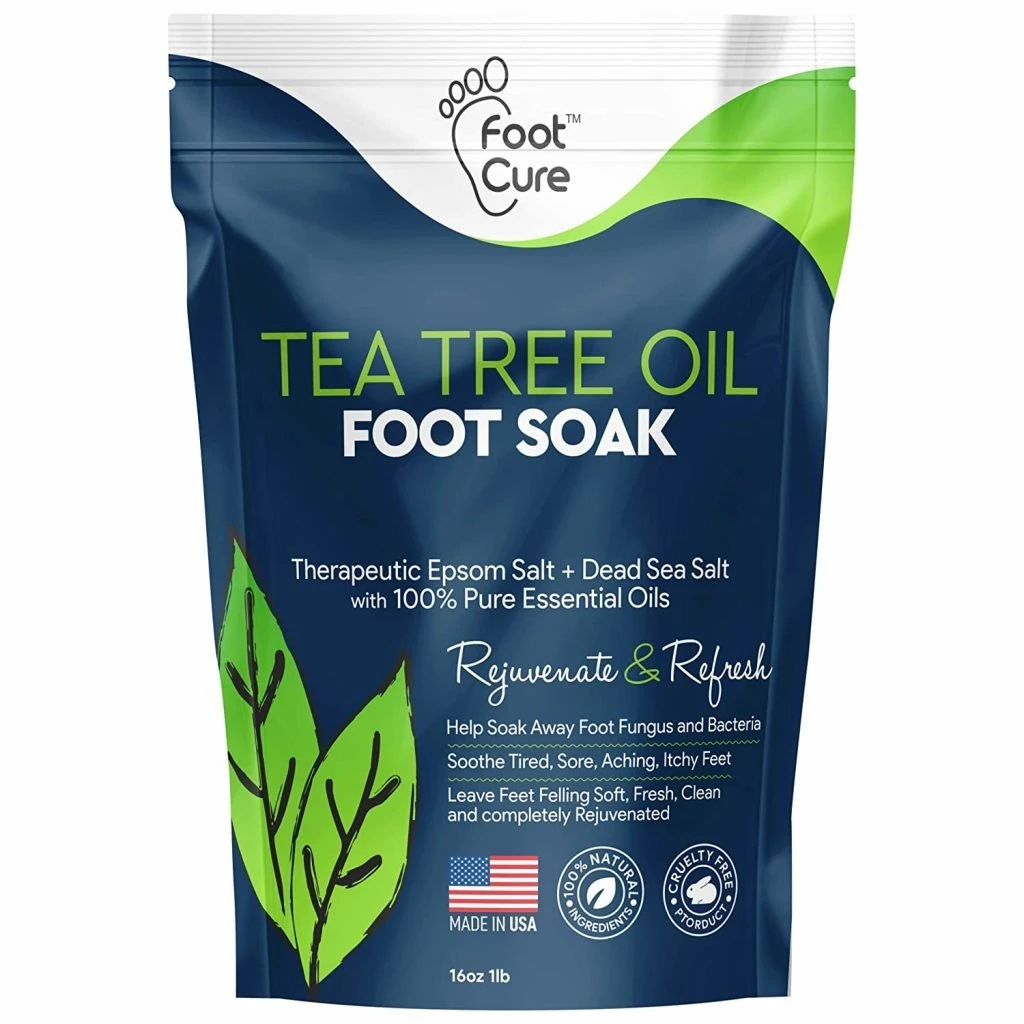
The active ingredient determines both how fast the cream works and how long you need to use it. Here's the short version for 2026: butenafine and terbinafine are the fastest-acting options, clearing most infections in one week. Miconazole nitrate (especially at 2%) is potent and broad-spectrum, typically needing two weeks. Clotrimazole and tolnaftate are reliable classics that require up to four weeks of consistent use. If speed matters, go with butenafine (Lotrimin Ultra) or terbinafine (Lamisil). If you have sensitive skin or prefer a well-established formula with a longer track record of gentle use, clotrimazole or tolnaftate are sound choices.
A one-week treatment sounds obviously better than four weeks, but the real factor is whether you'll actually complete the course. Most treatment failures happen because people stop applying cream once symptoms improve — not because the product doesn't work. The fungus can still be present even after the itch and burning subside. If your lifestyle is busy and you know you'll struggle with a twice-daily, multi-week regimen, Lotrimin Ultra's once-daily, one-week course is going to produce better real-world results than a two-week cream you don't finish. Be honest with yourself about your follow-through when choosing.
Most people tolerate OTC antifungal creams without issue, but if you have sensitive skin or a history of reactions to topical medications, the gentler formula matters. Tinactin and Lotrimin AF are both well-established for skin tolerability. Inlifay's steroid-free, paraben-free formulation is a considered choice for daily users who are mindful of what goes on their skin. If you experience redness, swelling, or increased irritation after starting any cream, stop use and consult a dermatologist — this can occasionally indicate a contact allergy to the inactive ingredients rather than the antifungal itself.
Standard athlete's foot between the toes responds well to all seven products reviewed here. But if your infection has spread to the soles or sides of your feet — a pattern called moccasin-type tinea pedis — you may need a longer treatment course regardless of active ingredient, and some cases require prescription-strength oral antifungals. Similarly, if you need to treat the same area repeatedly or cover a larger skin surface, tube size becomes a real practical factor. Ting's 72g and Inlifay's 3.4 oz give you significantly more product than the 1 oz options. If you're also dealing with cracked or dry skin alongside the infection, check out our guide to foot creams for pain and skin repair for complementary products.

For fastest results, butenafine hydrochloride 1% (Lotrimin Ultra) and terbinafine hydrochloride 1% (Lamisil) are the most effective — both can clear most between-the-toe infections in one week. Miconazole nitrate at 2% (Desenex, Inlifay) is also highly effective and typically requires two weeks. Clotrimazole 1% and tolnaftate 1% are proven, gentler options that need up to four weeks of consistent use.
You'll usually notice symptom relief — reduced itching, burning, and cracking — within the first two to four days of use regardless of which cream you choose. Full elimination of the infection takes longer: one week for butenafine or terbinafine-based creams, two weeks for miconazole, and up to four weeks for clotrimazole or tolnaftate. Always complete the full course even after symptoms disappear, or the infection is likely to return.
Athlete's foot cream itself does not spread the infection. However, if you use the same unwashed hands or applicator across different areas of your body without care, you can manually transfer the fungus. Always wash your hands before and after applying cream, apply to clean and thoroughly dry skin, and avoid applying cream to broken or severely raw skin without medical guidance.
Yes, for most people. Formulas like Inlifay and Ting are designed with daily use in mind. If you're applying cream preventively — especially if you frequent gyms, locker rooms, or public pools — once-daily application to clean, dry feet is a sensible protective measure. If you develop skin irritation, redness, or worsening symptoms with daily use, reduce frequency and consult a pharmacist or dermatologist.
See a doctor if your infection hasn't improved after completing a full OTC treatment course, if the infection has spread significantly beyond your toes, if you have diabetes or a compromised immune system, or if you notice the infection spreading to your toenails. Nail fungus requires different treatment entirely — OTC foot creams are generally not effective for nail infections. If you're diabetic, thorough diabetes foot checks alongside antifungal treatment are important for catching any complications early.
Prevention comes down to consistently removing the conditions that allow the fungus to thrive. Keep your feet clean and completely dry — especially between the toes — after showering or swimming. Wear moisture-wicking socks and change them daily. Use sandals or flip-flops in communal showers, locker rooms, and pool areas. Rotate your shoes to let them dry out fully between wears. Consider a preventive application of antifungal cream one to two times per week if you're regularly exposed to high-risk environments like gyms or sports facilities.
For most people dealing with athlete's foot in 2026, Lotrimin Ultra is the clear first choice — prescription-strength butenafine, one-week cure, once-daily application. If you want long-term recurrence prevention, go with Lamisil. Active gym users will appreciate Inlifay or Desenex for their higher miconazole concentration and daily-use design. Pick the cream that matches your situation, apply it for the full treatment course, and pair it with the preventive habits in the buying guide above — that combination is what keeps athlete's foot from becoming a permanent fixture in your life.


About Mehnaz
Mehnaz is the founder and editor of RipPain, a health resource site dedicated to helping readers navigate pain management, recovery, and medical device research. Her work on the site is driven by personal experience caring for seriously ill family members, which led her to study evidence-based guidance from physicians, pain specialists, and published medical research. She curates and summarizes expert medical insights to make credible health information accessible to everyday readers.
You can get FREE Gifts. Or latest Free phones here.
Disable Ad block to reveal all the info. Once done, hit a button below
 Mehnaz