
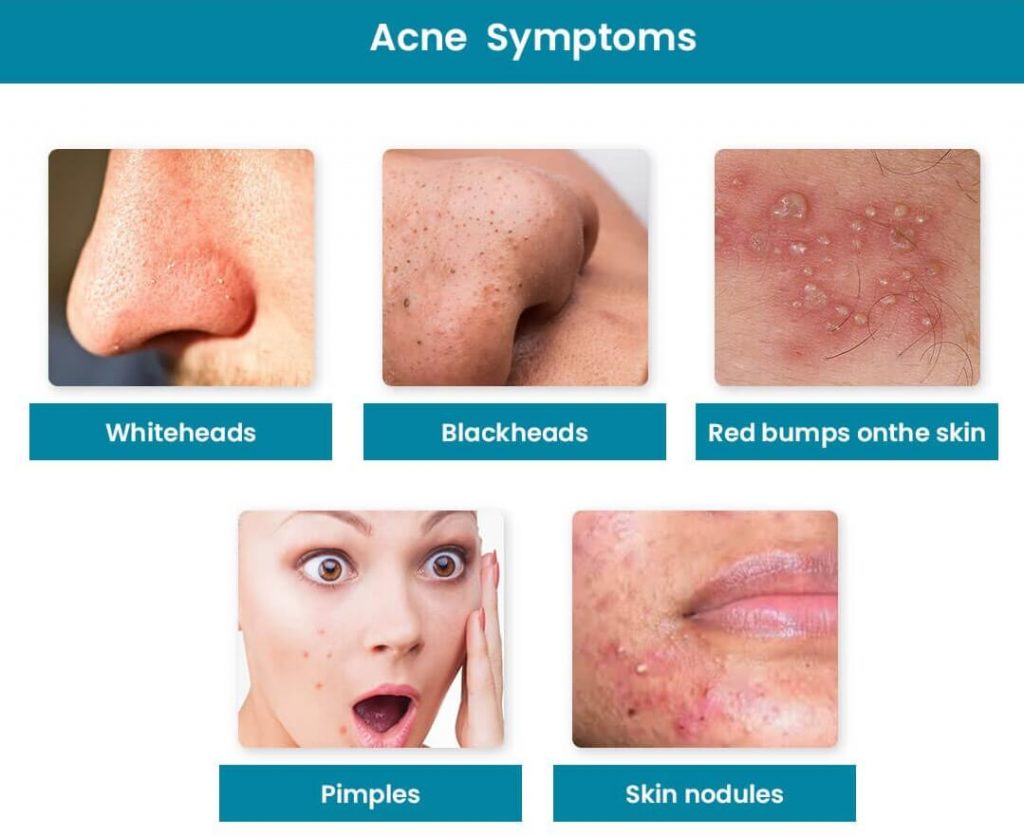
Acne affects approximately 85% of people between the ages of 12 and 24 at some point in their lives — and according to the National Institute of Arthritis and Musculoskeletal and Skin Diseases, it remains the most common skin condition in the United States, affecting up to 50 million Americans annually. Yet in 2026, with hundreds of products competing for shelf space and ad dollars, knowing which one actually works for your skin type is harder than ever. The wrong product doesn't just fail — it can trigger irritation, dryness, and rebound breakouts that set your progress back weeks.

We've reviewed the top dermatologist-recommended acne products available on Amazon in 2026, focusing on active ingredient concentration, formula gentleness, clinical evidence, and real-world results. Whether you're dealing with stubborn cystic nodules, surface whiteheads, or the occasional stress breakout before a big event, there's a product in this list built for exactly your situation. This isn't a list padded with mediocre options — every product here earns its place.
![Best Acne Products [Dermatologist-Recommended]](https://s.rippain.com/static/user_img/20210916/pimple-popping-toy-designboom-600.gif)
The products below represent a carefully curated selection from our beauty and skin care research. We've organized them by use case — cleanser, retinoid treatment, spot treatment, and full systems — so you can match the right product to the way acne actually shows up in your life. Read the reviews in full, or jump directly to what you need using the table of contents below.
Contents






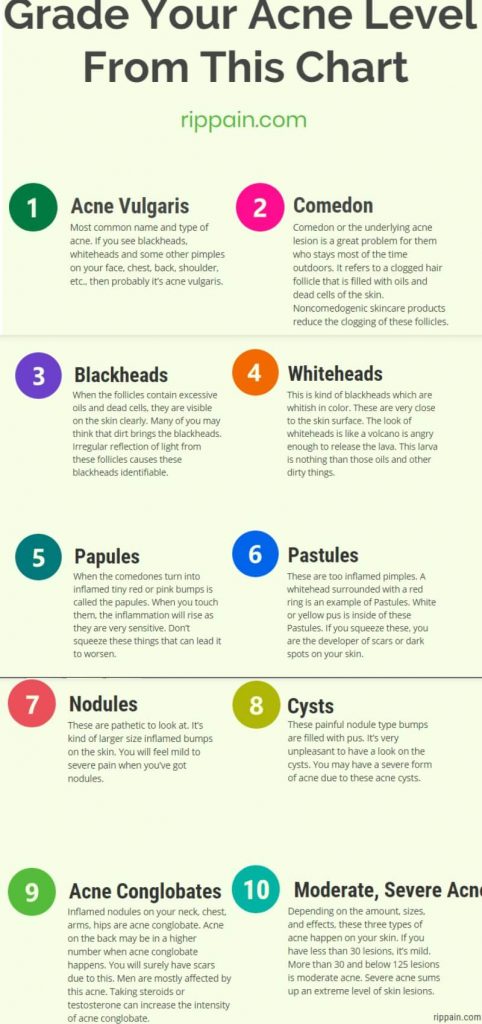
If you've ever used a benzoyl peroxide cleanser and ended up with skin so dry it flaked, the CeraVe Acne Foaming Cream Cleanser was built to solve exactly that problem. It delivers 4% benzoyl peroxide to kill acne-causing bacteria while simultaneously restoring the skin barrier with hyaluronic acid, niacinamide, and three essential ceramides. Most acne cleansers treat the blemish and damage everything around it. This one doesn't do that.
The formula starts as a cream and transforms into a foam when lathered — which means it clears pores without the aggressive stripping that triggers the overproduction of oil and creates a breakout cycle. It's fragrance-free, non-comedogenic, and gentle enough for daily use. Dermatologists frequently recommend it as a first-line acne cleanser because it works without making your overall skin condition worse. If you've been bouncing between harsh washes and doing nothing, this is where to start in 2026.
One thing to note: 4% benzoyl peroxide is a balanced concentration. It's strong enough to address mild to moderate acne effectively without the redness and peeling that comes with 10% formulas. For the majority of people dealing with everyday breakouts, this concentration hits the sweet spot.
Pros:
Cons:
Differin is genuinely in a category of its own. It's the first and only FDA-approved over-the-counter acne retinoid, delivering 0.1% adapalene — the same prescription-strength active that dermatologists have been prescribing for decades. Before Differin went OTC, getting adapalene meant a doctor's visit and a prescription. Now you can get a 45g pump on Amazon without either. That's a significant shift in what's accessible for acne treatment in 2026.
What makes adapalene stand apart from benzoyl peroxide spot treatments is how it works. Instead of just killing surface bacteria, it normalizes skin cell turnover at the cellular level. This addresses two root causes of acne simultaneously: clogged pores and inflammation. The result is cleaner, clearer skin that stays that way — not just a blemish that dries up and returns two weeks later. Consistent use over 12 weeks produces transformative results for many users.
There's an adjustment period. During the first two to four weeks, your skin may purge — meaning existing clogged pores come to the surface faster than they would on their own. This looks like a temporary increase in breakouts. Push through it. After that initial phase, most users report a consistent, significant reduction in both active acne and post-inflammatory marks. Use it in the evening, apply a broad-spectrum SPF the next morning, and let it work.
Pros:
Cons:
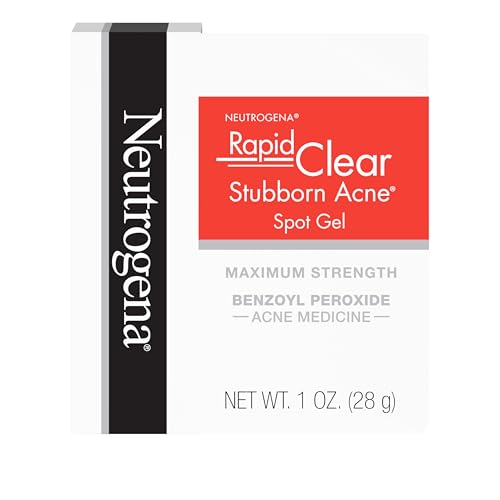
When a pimple appears two days before something important, you don't need a gentle long-term treatment. You need maximum strength, fast-acting results. The Neutrogena Rapid Clear Stubborn Acne Spot Treatment delivers exactly that with 10% benzoyl peroxide — the highest concentration available without a prescription — packed into a precise gel formula designed for targeted application. Dermatologists have relied on 10% BP for stubborn blemishes for decades, and this formula makes that power accessible.
The gel penetrates pores directly to fight the bacteria causing the breakout. Within two hours, users report visible reduction in the size and redness of active pimples. That's a clinically meaningful timeline for a spot treatment. Apply it to a clean, dry face, using just a thin layer over the specific blemish. Don't spread it across your entire face — at 10%, it will dry out surrounding healthy skin.
This is a precision tool, not a broad treatment. Keep it in your medicine cabinet for targeted use. It works best on surface-level whiteheads and emerging pimples that haven't gone deep. For persistent under-the-skin cysts, you'll want to pair this with something like Differin for long-term prevention, and use the Neutrogena for whatever surfaces in the meantime.
Pros:
Cons:
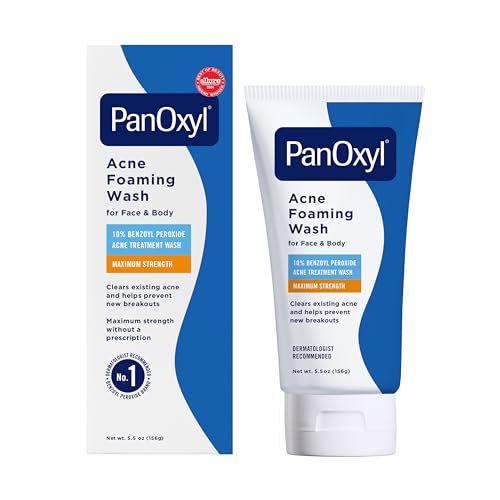
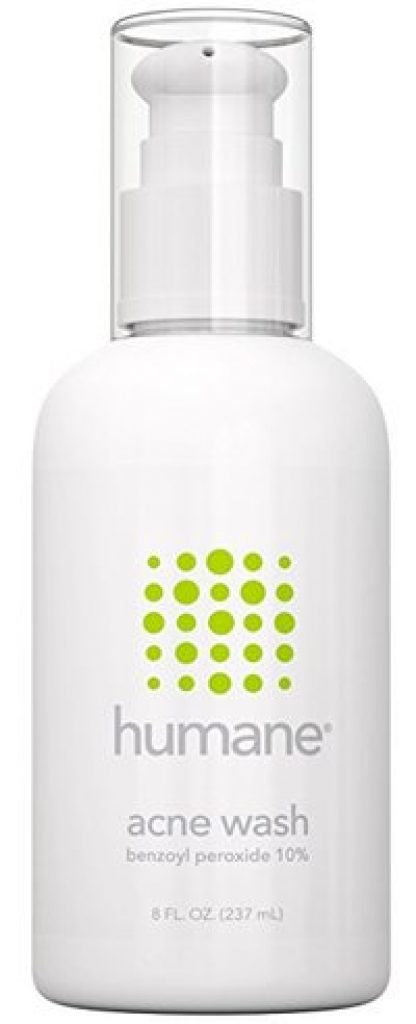
PanOxyl is the number one best-selling acne wash in the United States, and that position isn't held by marketing — it's earned by results. The 10% benzoyl peroxide formula kills 99% of acne-causing bacteria in just 15 seconds of contact time. That's an antimicrobial performance benchmark that very few over-the-counter products can match. Dermatologists recommend it for both face and body acne, making it one of the most versatile acne cleansers on the market.
The foaming wash format makes this particularly effective for bacne, chest acne, and shoulder breakouts — areas that daily cleansers often treat inadequately. Work the lather onto your skin, leave it for 30 to 60 seconds, then rinse. That brief contact time is all it needs to do its work. Users with moderate to severe acne who switch to PanOxyl as a full-body wash consistently report significant clearing within four to six weeks of daily use.
The tradeoff with 10% benzoyl peroxide is that it's drying — especially for the face. If your facial skin tends toward dryness or sensitivity, use this on your body and opt for CeraVe's 4% formula for your face. Used together, you get maximum-strength bacterial coverage where your skin is toughest and a gentler approach where it's most reactive. That combination is smart, not redundant.
Pros:
Cons:
Pimple patches went from niche K-beauty import to mainstream dermatologist recommendation in just a few years, and Mighty Patch Original is the product that drove that shift. These hydrocolloid stickers work by creating a moist, occlusive environment directly over an active blemish — the same medical-grade wound-healing technology used in professional dressings. In 6 to 8 hours (typically overnight), the patch draws out pus, bacteria, and fluid from a whitehead, leaving you with a visibly smaller, flatter, less inflamed spot by morning.
The genius of hydrocolloid patches isn't just what they draw out — it's what they prevent. Wearing a patch eliminates the temptation to pop, squeeze, or pick at a blemish. Picking is one of the primary causes of post-inflammatory hyperpigmentation and acne scarring. By covering the blemish overnight, you protect it from your own hands and from bacteria transferred by pillowcases and sheets. The patch stays adhered through a full night of tossing and turning, which is genuinely impressive adhesion for something that peels off cleanly in the morning without redness or irritation.
The 72-count pack is practical for regular use — you'll go through patches faster than you expect once you start using them consistently. They're transparent and low-profile enough to wear during the day if needed, though they're most effective applied to clean, dry skin before sleep. Clinically tested and safe for all skin types, Mighty Patch earns its award-winning reputation every single time.
Pros:
Cons:
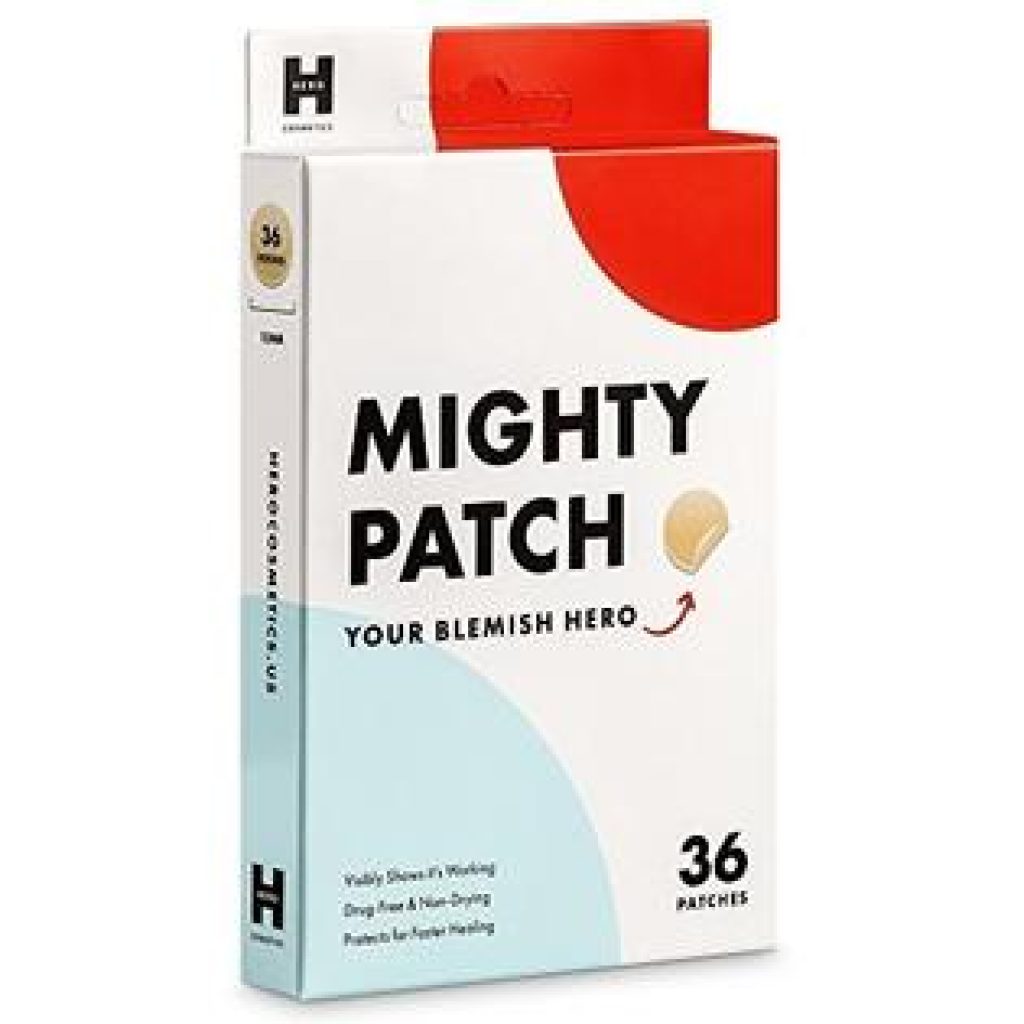
Proactiv didn't start a skincare revolution by accident. The original 3-step system — renewing cleanser, revitalizing toner, and repairing treatment — was designed with a foundational insight that the skincare industry often ignores: acne isn't a single-step problem, and no single product can fully solve it. Treating acne effectively requires cleansing bacteria, unclogging pores, and then targeting remaining blemishes with a concentrated active. Proactiv delivers all three, sequentially, in a 30-day kit.
The formula uses finely-milled benzoyl peroxide that penetrates pores more effectively than standard granular formulations, reaching the bacteria that cause breakouts before they surface. The toner step removes residual impurities and excess oil while balancing skin pH — a step that most single-product approaches completely skip. The repairing treatment then delivers targeted benzoyl peroxide directly to blemishes and affected areas. When you use all three steps consistently twice daily, the synergy between them produces results that no individual product matches.
Proactiv is the right choice if you've tried individual products without consistent results and want a structured, systematic approach. The 30-day kit is an excellent starting point to evaluate whether the system works for your skin before committing to a longer subscription. Skin care isn't just about what you put on your face — it's about consistency and the right sequence. Overall skin health also ties into body-wide wellness; if you're focused on feeling your best from head to toe, you might also find value in reading about foot beauty and skin health as part of a broader personal care routine.
Pros:
Cons:
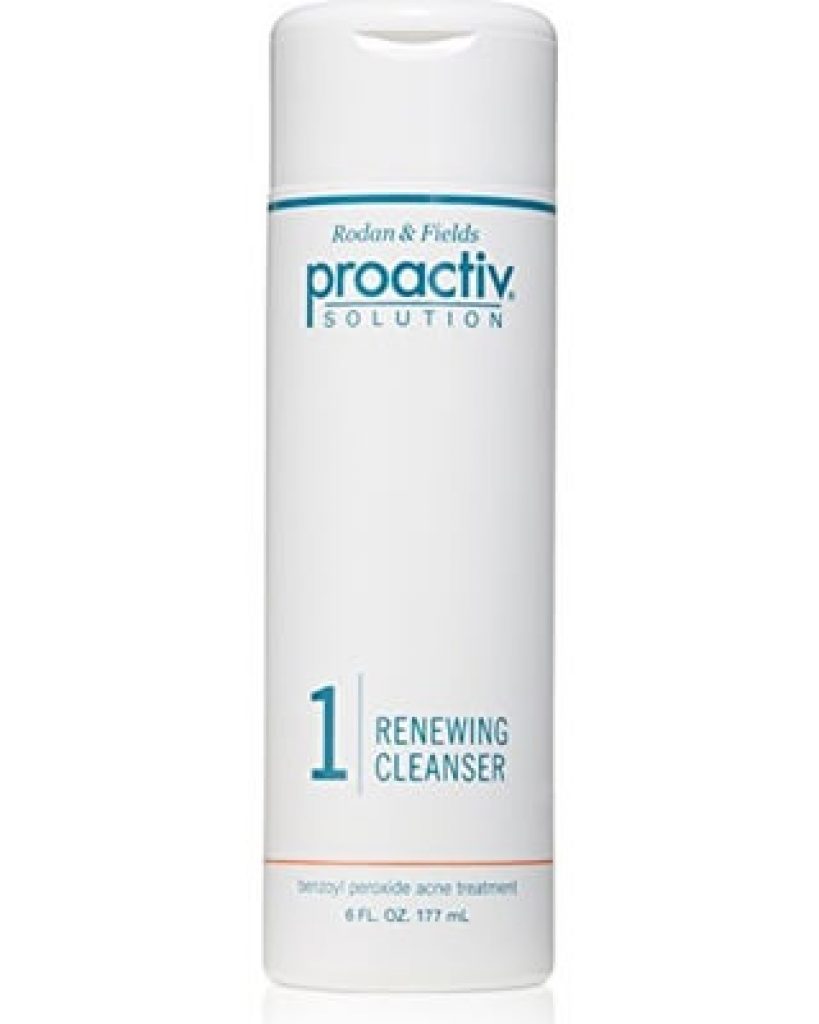
The AcneFree Terminator 10 doesn't have the marketing budget of Proactiv or the brand recognition of CeraVe, but it delivers maximum-strength 10% benzoyl peroxide in a dermatologist-developed formula at a price point that makes it accessible for everyday use. When a spot treatment costs significantly less than alternatives with the same active concentration, and it performs comparably, that's worth paying attention to. The Terminator 10 is a no-nonsense option for anyone who wants clinical-grade spot treatment without the premium price.
What separates this from a simple benzoyl peroxide gel is the addition of ginger and chamomile. Ginger has documented anti-inflammatory properties that help fight active blemishes — it complements the BP's antibacterial action by addressing redness and inflammation. Chamomile soothes the skin during the treatment process, reducing the harshness that high-concentration benzoyl peroxide can cause. The combination is oil-free and fragrance-free, which keeps it compatible with sensitive and reactive skin types.
Apply a thin layer directly to individual blemishes — not across your whole face. Limit use to once or twice daily. Because it's oil-free, it doesn't add shine or clog pores in the process of treating them. For anyone building an acne-fighting kit without spending a lot, the Terminator 10 slots in as a reliable spot treatment alongside a gentler daily cleanser. A complete skincare approach — much like caring for the rest of your body — benefits from proper exfoliation techniques, a concept explored in our guide on exfoliation for skin health.
Pros:
Cons:
Walking into the acne treatment aisle — or scrolling through Amazon — without a framework for decision-making is how people end up with a bathroom cabinet full of products that don't work together. The right pick depends on your acne type, skin sensitivity, and how you want to build your routine. Here's what to evaluate before you buy anything in 2026.
Every acne product on the market works through one or more of a small handful of clinically proven active ingredients. Understanding what each one does helps you match the ingredient to your specific acne type rather than guessing based on branding.
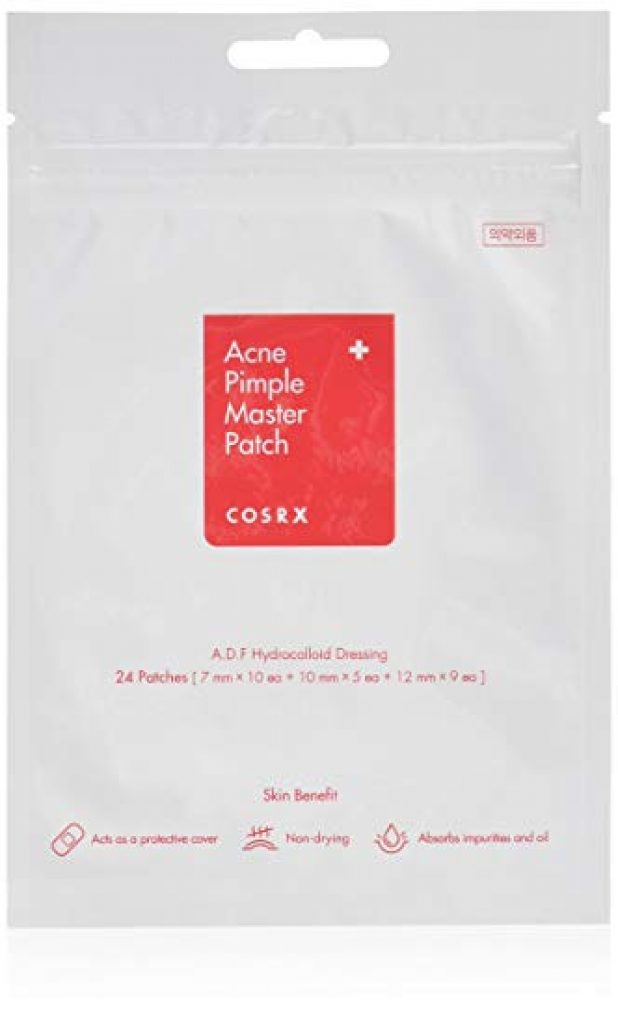
The format of your acne treatment shapes how you use it and how likely you are to stay consistent. Consistency, more than any single product, determines results.
Higher active concentrations aren't automatically better for your skin. The goal is to use the strongest formulation your skin can tolerate without triggering excessive dryness, peeling, or irritation — all of which compromise your skin barrier and can worsen acne over time.
If your skin is naturally dry or reactive, start with lower-concentration benzoyl peroxide (2.5% to 4%) and a moisturizer containing ceramides and hyaluronic acid. The CeraVe Acne Foaming Cream Cleanser is built specifically for this profile. If your skin is oily and resilient, 10% benzoyl peroxide products like PanOxyl and AcneFree Terminator 10 will perform better. Combination skin usually does well with a 4%–5% cleanser and targeted spot treatment for stubborn areas.
Beyond skin type, look for the following on labels: non-comedogenic (won't clog pores), fragrance-free (fragrance is a common irritant for acne-prone skin), and oil-free (avoids adding sebum to an already oily surface). These aren't marketing terms — they're formulation characteristics that matter for acne-prone skin specifically.
The seven products reviewed above represent the best all-around picks, but the acne treatment landscape is broad. Depending on your specific needs, these additional options are worth considering as part of a comprehensive routine:
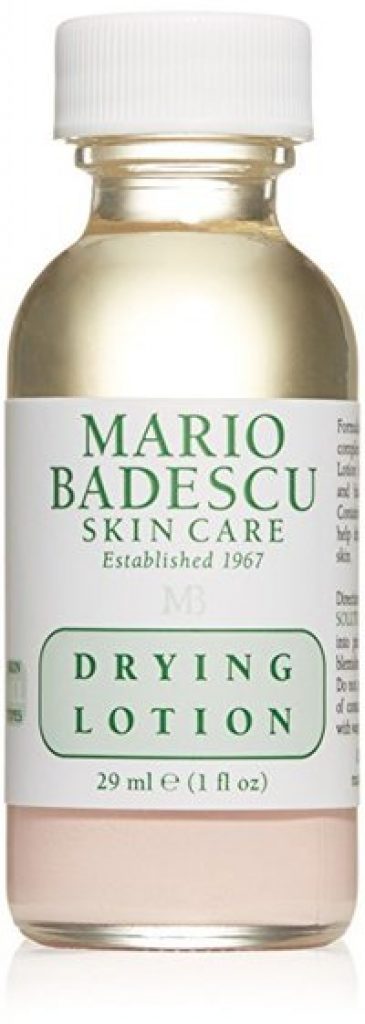
Mario Badescu Drying Lotion is a cult-favorite overnight spot treatment that combines salicylic acid, sulfur, and calamine. It's particularly effective on underground cysts and persistent underground blemishes that surface treatments can't fully reach. Apply with a cotton swab directly to blemishes before sleeping — don't shake the bottle.
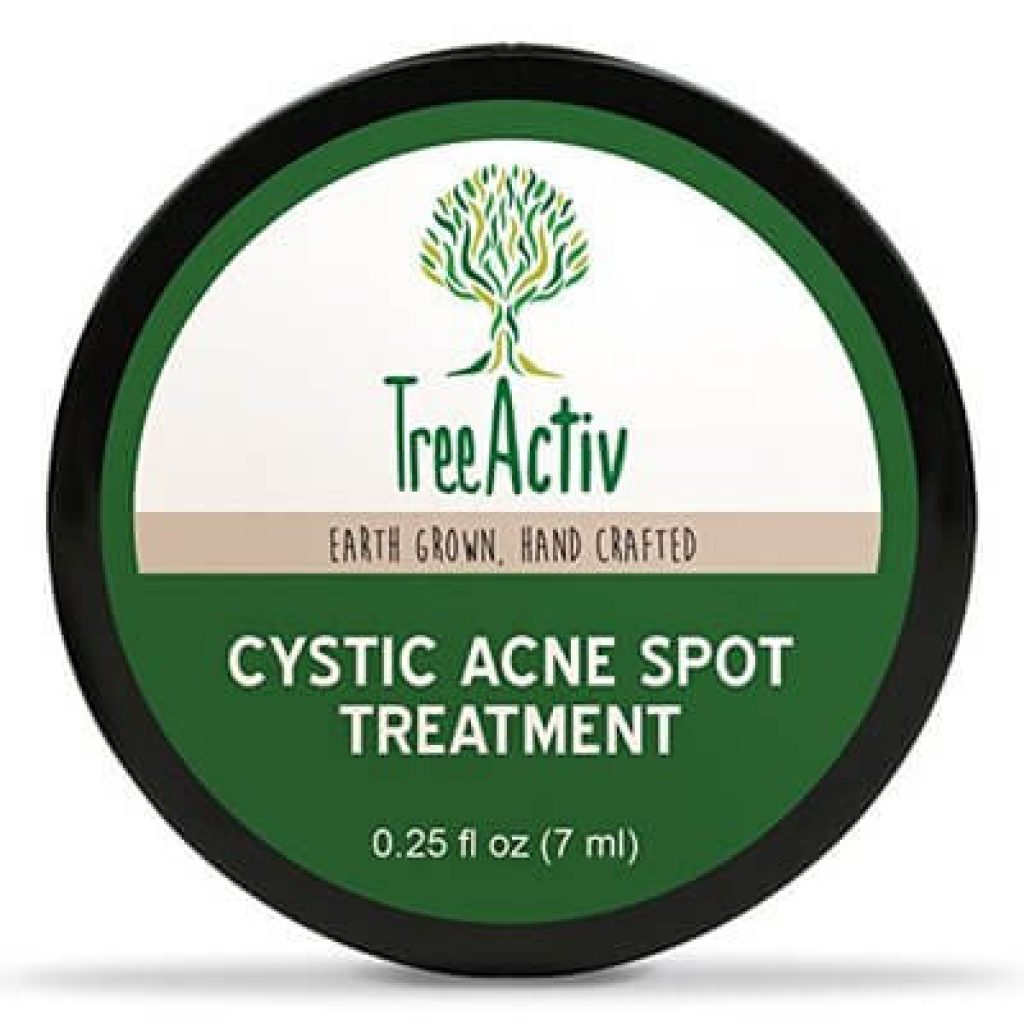
TreeActiv Cystic Acne Spot Treatment targets deep cystic blemishes with a natural-leaning formula combining tea tree oil, sulfur, and echinacea. For people with hormonal or cystic acne who react poorly to benzoyl peroxide, this is a genuine alternative worth evaluating.
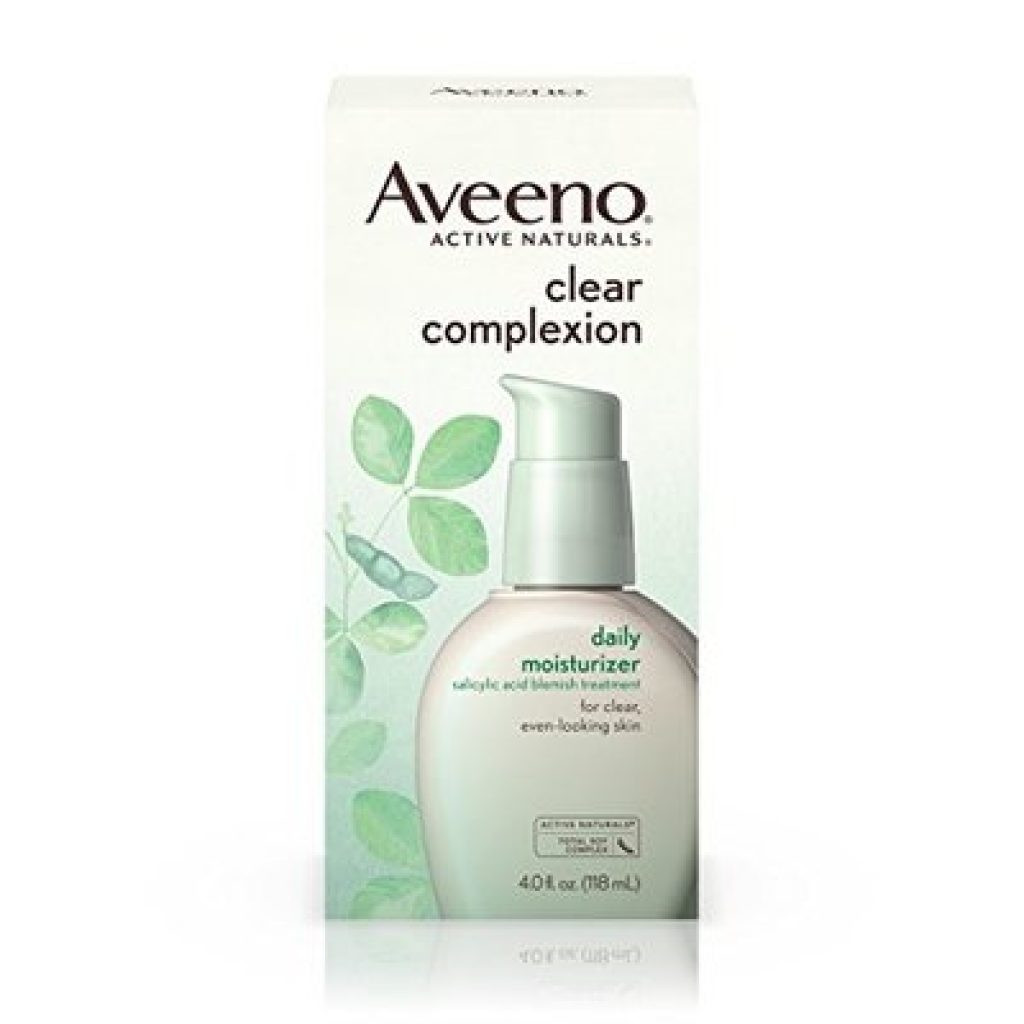
Aveeno Clear Complexion Daily Face Moisturizer delivers 0.5% salicylic acid in a moisturizer format, meaning you get acne treatment and hydration in one step. It's ideal for mild, blackhead-prone skin and for people looking to add a treatment step without disrupting a minimal routine. It also contains soy extract to help even skin tone — useful for post-acne marks.
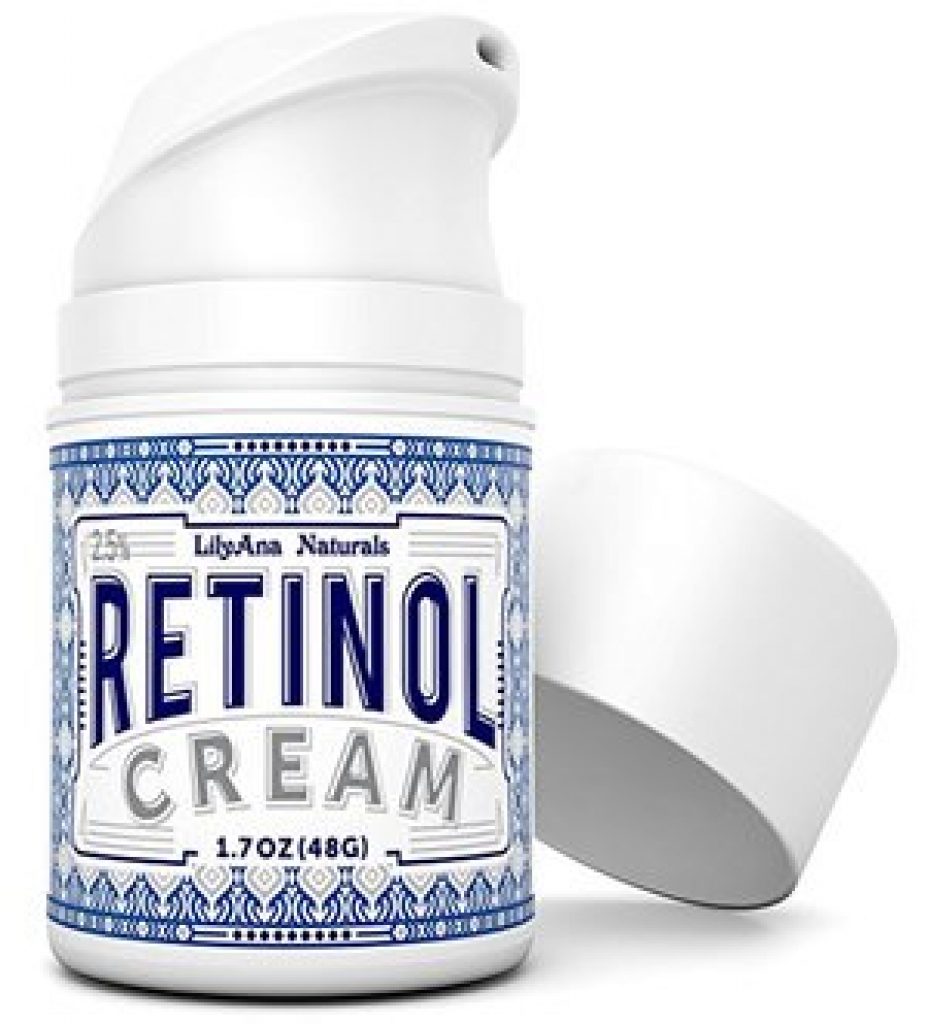
LilyAna Naturals Retinol Cream provides a gentler retinol delivery in a moisturizing cream base — useful for those who find Differin's pure adapalene gel too intense during the adjustment phase. It won't match Differin's clinical potency, but it's a good bridge product for sensitive-skin users working toward a retinoid routine. Knowing how to care for your skin across your whole body — not just your face — is part of a complete approach; our piece on what your nails reveal about your health covers how skin and body health connect in ways you might not expect.
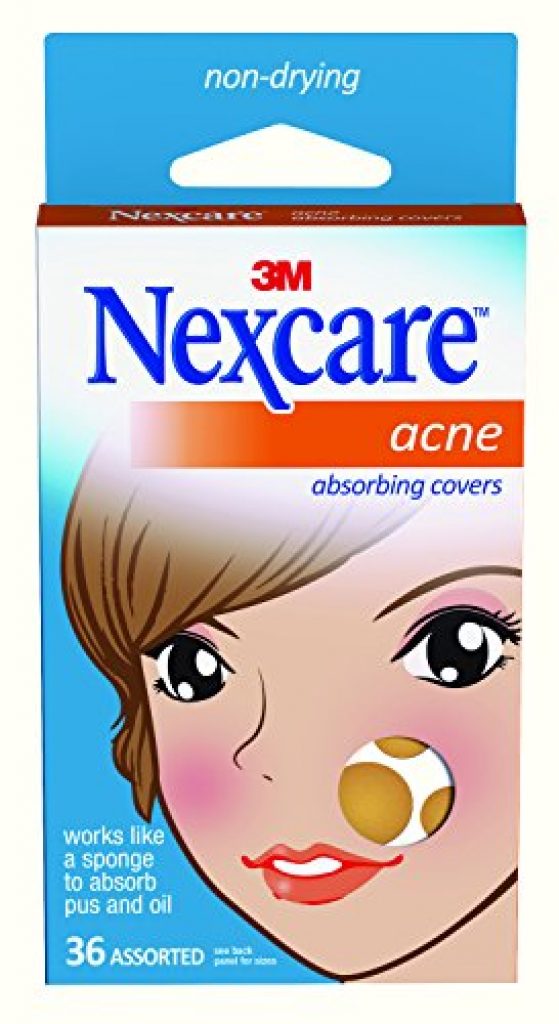
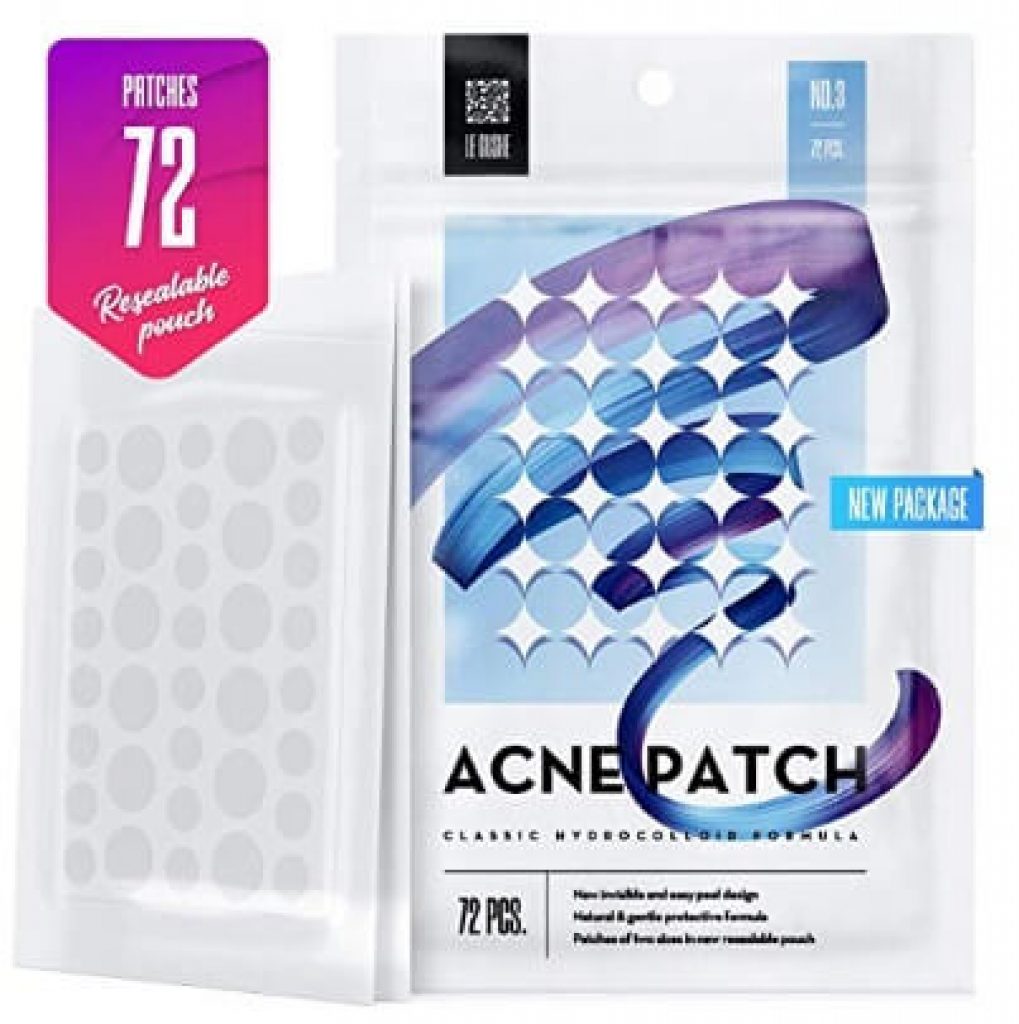
Nexcare Acne Cover is a drug-free hydrocolloid patch alternative from 3M — a brand with deep roots in medical-grade wound care. Slightly more opaque than Mighty Patch but comparably effective. A good alternative if Mighty Patch is out of stock or you prefer a more established medical brand. Works on the same principle of creating a moist healing environment over active blemishes.
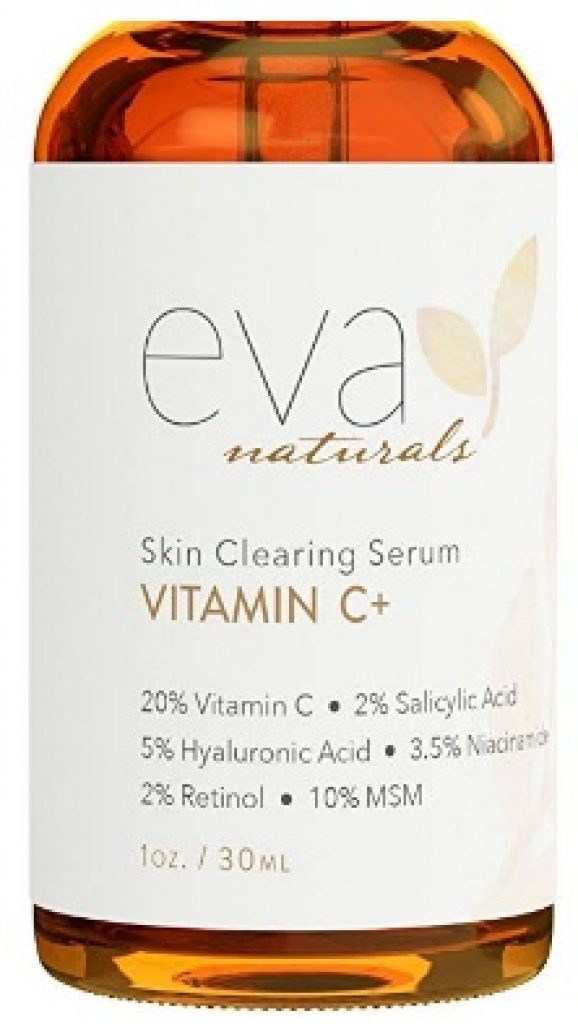
A multi-active serum combining vitamin C, retinol, niacinamide, salicylic acid, and hyaluronic acid addresses acne treatment, post-acne hyperpigmentation, anti-aging, and hydration in a single product. For people managing acne alongside early signs of aging or significant post-inflammatory marks, a comprehensive serum can simplify a complex routine. Look for stabilized vitamin C formulations — unstable vitamin C oxidizes quickly and loses efficacy.
Differin Gel (0.1% adapalene) and benzoyl peroxide products are the two most clinically validated OTC acne treatments available. Differin is the only OTC retinoid FDA-approved specifically for acne, and it addresses the root causes — cell turnover abnormalities and inflammation — rather than just surface bacteria. For mild to moderate acne with a surface-level component, a 4%–10% benzoyl peroxide cleanser or spot treatment delivers fast and proven results. The most effective routine in 2026 combines both: a BP cleanser or spot treatment for active blemishes and Differin for long-term prevention.
Most acne treatments require at least four to six weeks of consistent use before you see meaningful improvement — and some, like Differin, require up to 12 weeks for full results. The first two to four weeks with a retinoid like Differin often bring a "purge," where existing clogged pores surface faster than normal, temporarily looking like more acne. This is expected and indicates the product is working. Spot treatments like benzoyl peroxide work faster — reducing individual blemishes within 24 to 48 hours — but they don't prevent new ones. Patience with a consistent routine is the most important factor in acne treatment outcomes.
You can, but timing matters. Differin and benzoyl peroxide can theoretically interact and reduce each other's effectiveness if applied simultaneously to the same area. The standard dermatologist-recommended approach is to use benzoyl peroxide in the morning and Differin at night. This gives each active ingredient its own window without competition. Alternatively, use a benzoyl peroxide cleanser (wash-off format) in the morning and Differin as a leave-on treatment at night — the cleanser rinses away before any interaction can occur.
Pimple patches using medical-grade hydrocolloid are genuinely effective — this isn't marketing. Hydrocolloid is a wound dressing material used in clinical settings to promote moist wound healing and draw fluid from tissue. Applied to a whitehead, it draws out pus and bacteria through osmotic pressure over 6 to 8 hours. Multiple clinical studies support hydrocolloid's effectiveness for superficial blemishes. The caveat: they only work on whiteheads that have come to the surface. Deep cystic nodules don't respond to patches — those require different treatment. But for surface blemishes, patches are one of the most effective and lowest-risk interventions available.
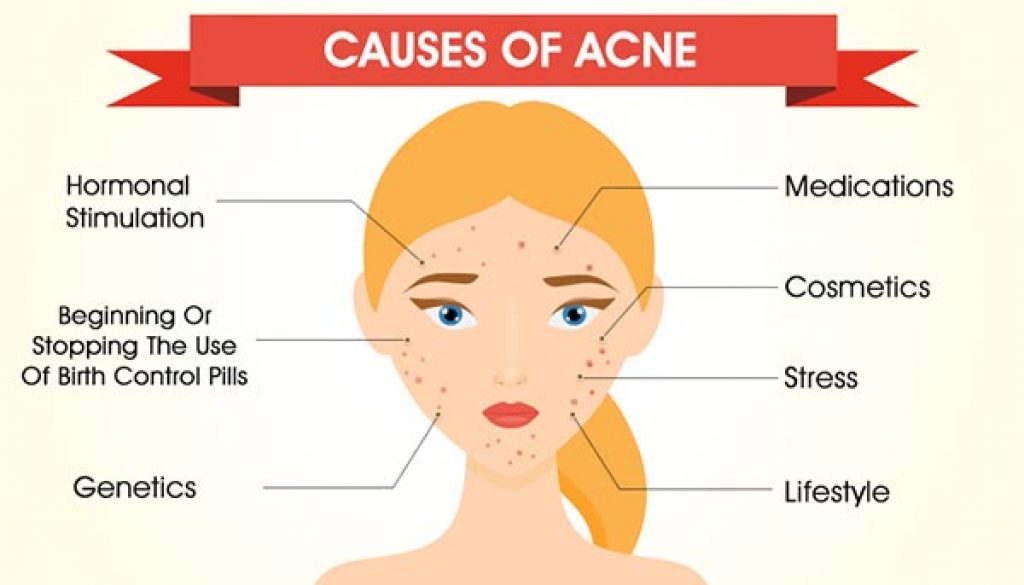
Teen acne is primarily driven by the dramatic surge in androgen hormones during puberty, which triggers sebaceous gland enlargement and oil overproduction across the face, back, and chest. Adult acne — affecting up to 15% of adult women and a smaller percentage of adult men — is more often driven by hormonal fluctuations tied to menstrual cycles, stress-induced cortisol spikes, certain medications, and diet. Adult acne tends to cluster along the jaw, chin, and neck more than the forehead and nose. Treatment approaches overlap significantly, but adults with hormonal acne patterns often see better results with retinoids and anti-androgen prescription options rather than benzoyl peroxide alone.
Most acne products are designed for daily use, but safe daily use depends heavily on the specific product and your skin's tolerance. Gentle cleansers with 4% benzoyl peroxide (like CeraVe Acne Foaming Cream Cleanser) are formulated specifically for daily use. High-concentration spot treatments (10% BP) should be used only on individual blemishes, not across your whole face, and only as often as needed. Differin is used daily, but skin typically needs a two-week adjustment period starting with every-other-day application. The universal daily rule: always follow with a non-comedogenic moisturizer and broad-spectrum SPF in the morning — treating acne without protecting the skin barrier creates a cycle of dryness, overproduction of oil, and new breakouts.


About Mehnaz
Mehnaz is the founder and editor of RipPain, a health resource site dedicated to helping readers navigate pain management, recovery, and medical device research. Her work on the site is driven by personal experience caring for seriously ill family members, which led her to study evidence-based guidance from physicians, pain specialists, and published medical research. She curates and summarizes expert medical insights to make credible health information accessible to everyday readers.
You can get FREE Gifts. Or latest Free phones here.
Disable Ad block to reveal all the info. Once done, hit a button below
 Mehnaz