
The first time you try a menstrual cup and it presses uncomfortably against your pubic bone — or slides down within an hour — that is not you doing something wrong. That is a sizing mismatch. If your cervix sits closer to your vaginal opening than average, most standard cups simply are not built for your anatomy. Finding the best menstrual cup for low cervix anatomy is the single most important step toward comfortable, leak-free periods. If you have been dealing with cup frustration alongside general period pain every cycle, this guide is exactly what you need.
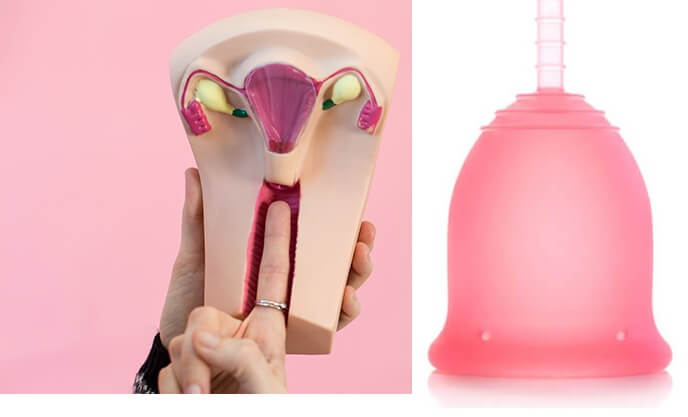
A low cervix means the opening of your uterus — the cervix (the narrow lower end of the uterus that connects to the vagina) — sits closer to your vaginal entrance than average. This is more common than most people realize. During menstruation, the cervix tends to drop even lower than its normal position. The problem is that most menstrual cups on the market are designed for medium or high cervix anatomy, which leaves low-cervix users with cups that protrude, press painfully, or leak regardless of how carefully they insert them.
This guide cuts through the confusion. You will learn how to measure your cervix height at home, which cup dimensions actually matter, which specific products consistently work for low cervix anatomy, and how to get a reliable seal every time. If you have tried a cup before and given up, this is your second chance — with the right cup, it is a completely different experience.
Contents
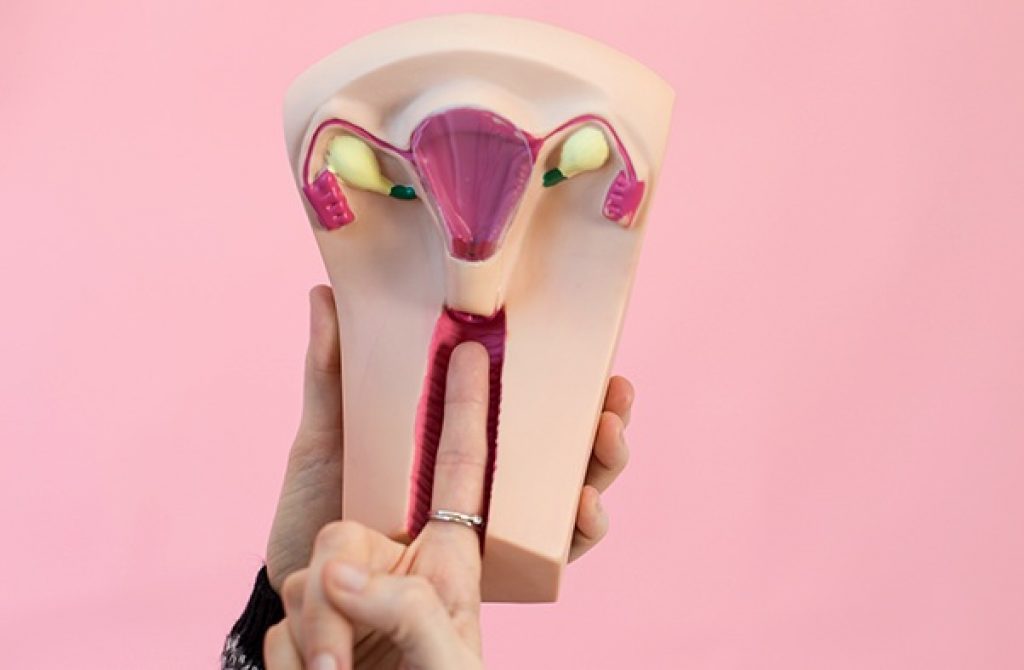
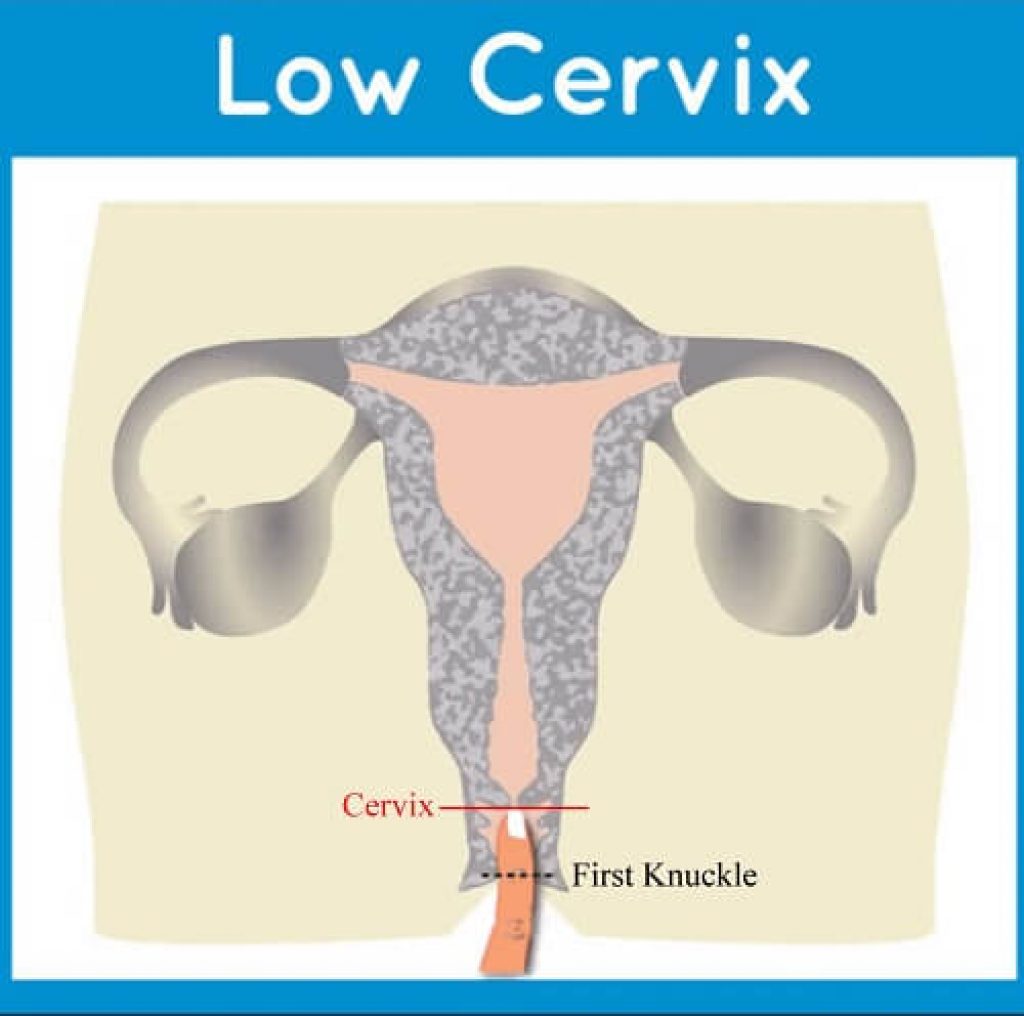
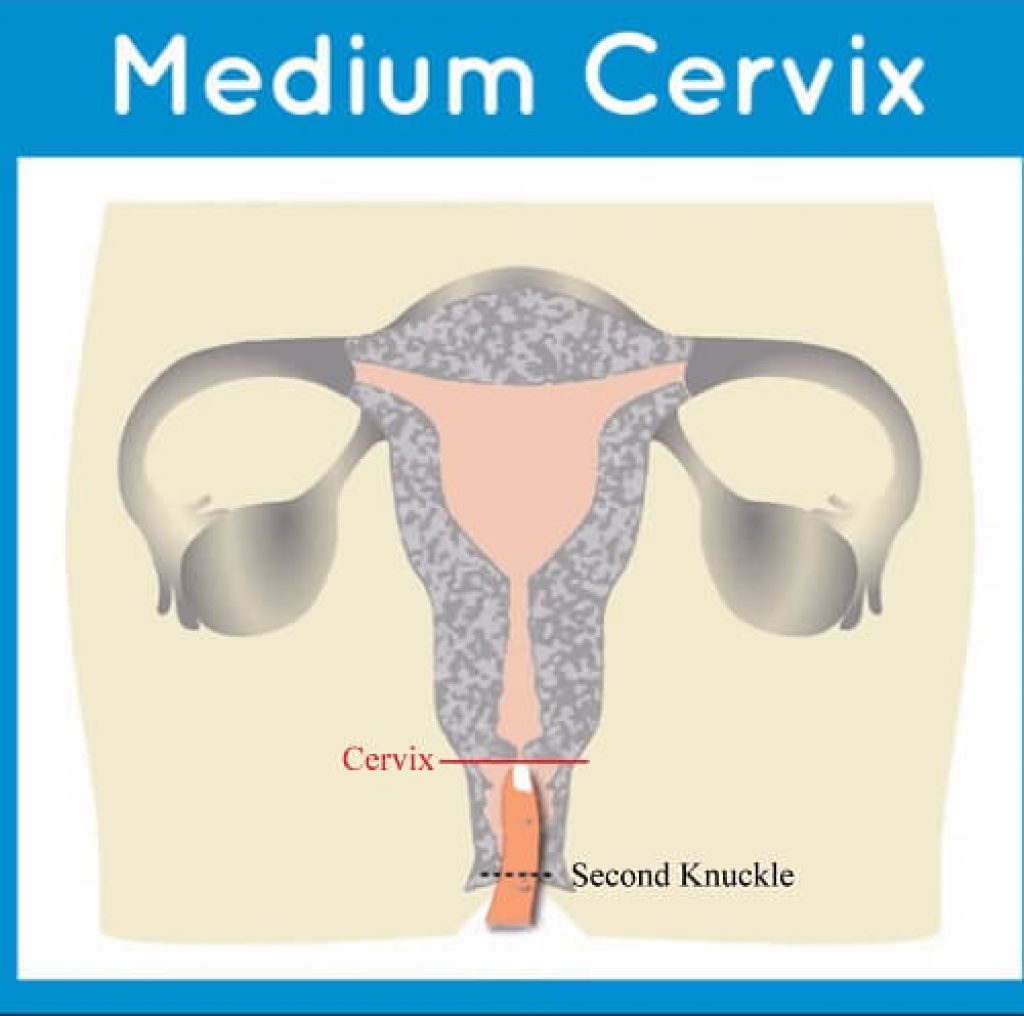
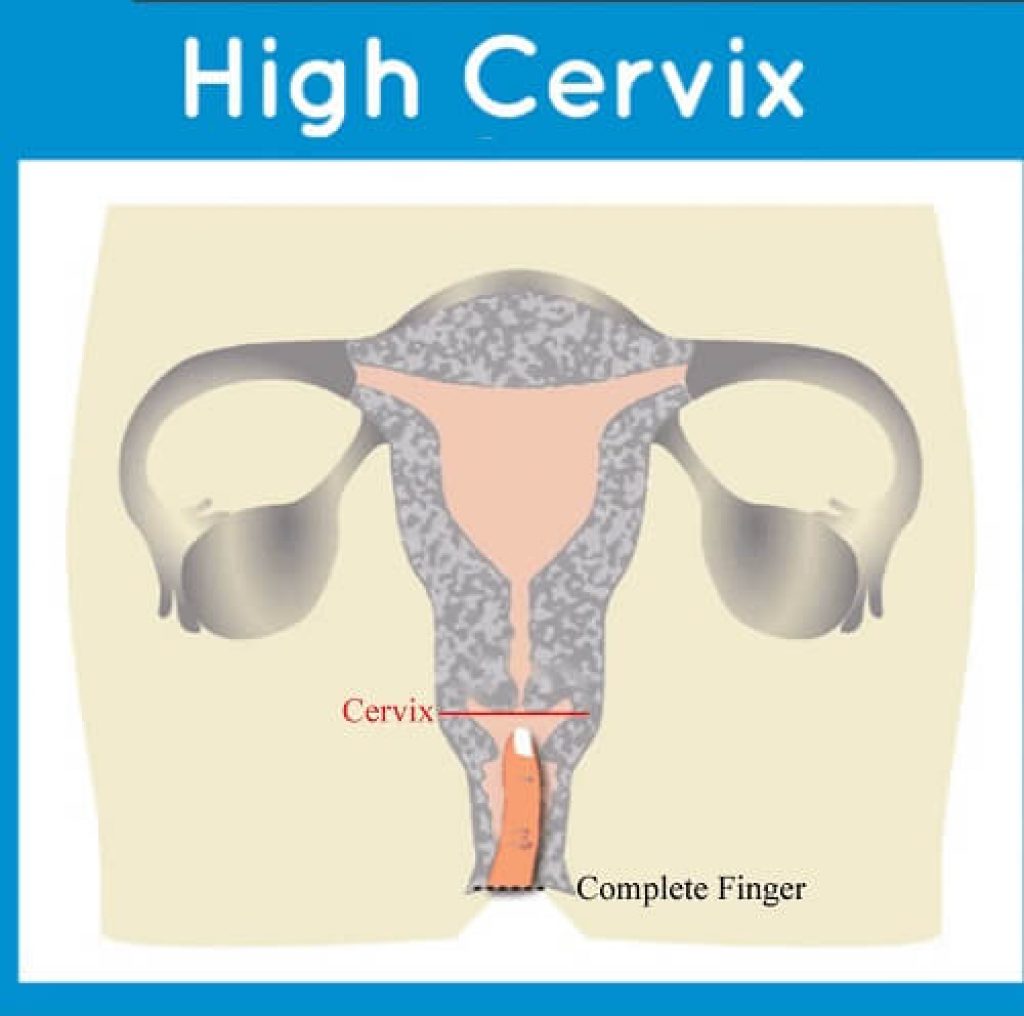
Before you spend money on another cup, you need to know your cervix height. The method is straightforward: wash your hands thoroughly, insert your index or middle finger into your vagina, and feel for a firm, rounded bump — similar in texture to the tip of your nose. That bump is your cervix. If you reach it at your first knuckle (roughly one to two inches in), you have a low cervix. First to second knuckle is medium. Barely reaching it with a fully inserted finger means you have a high cervix.
Do this check during your period, not mid-cycle. The cervix shifts position throughout the month and typically sits lowest when you are actually menstruating — which is exactly when your cup needs to fit correctly.
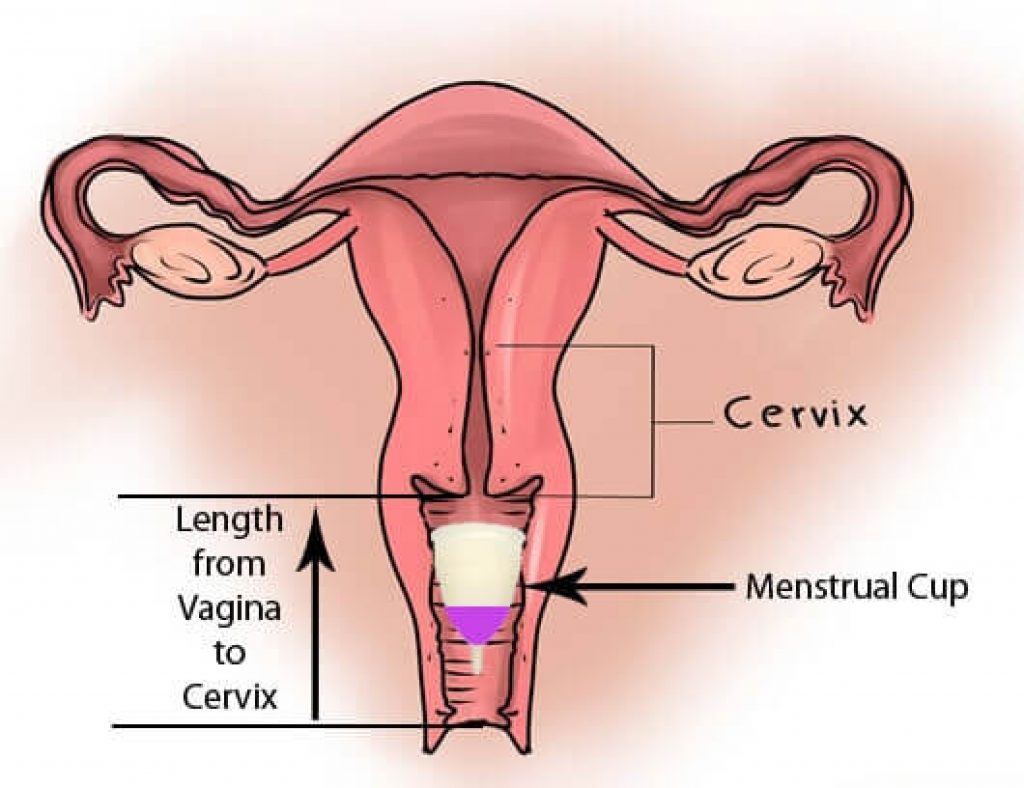
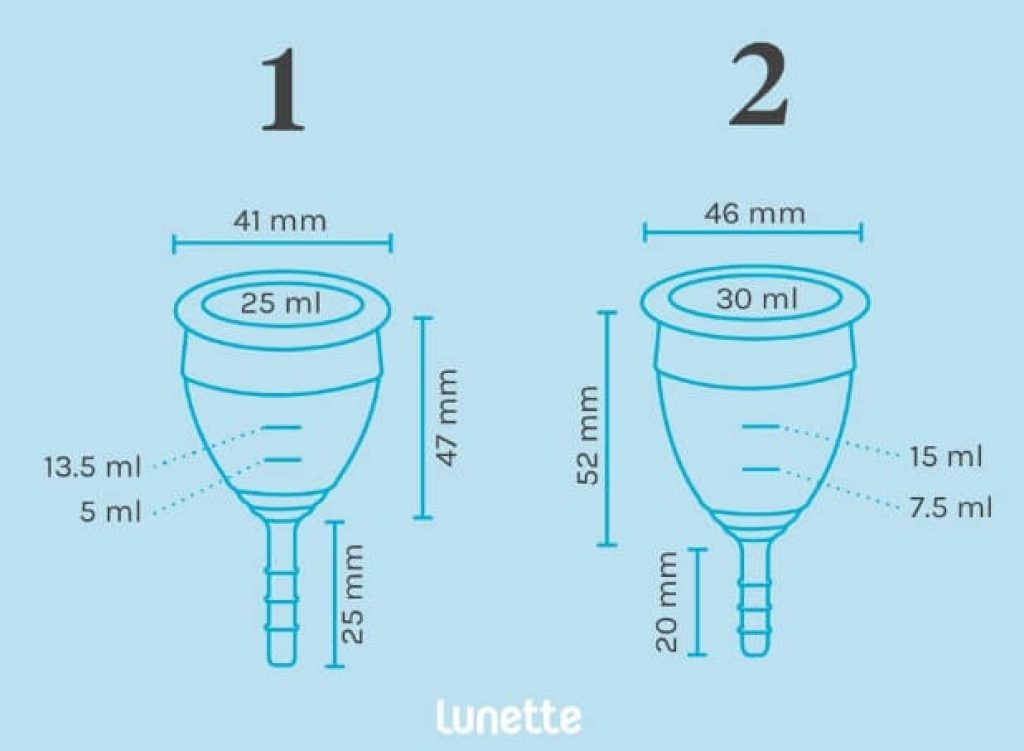
When shopping for the best menstrual cup for low cervix anatomy, there are two numbers that matter: total cup length (body plus stem) and cup body length alone. For a low cervix, aim for a total cup length under 65mm. Many low-cervix users do best with cups under 55mm total — sometimes even shorter. The diameter matters too, but length is the priority. A cup that is too long will be pushed partway out by your cervix and will press against your pubic bone constantly.
Not every cup marketed as "small" is actually short. You need to look at the body length specifically, not just volume or diameter. These four options consistently perform well for low cervix anatomy and are worth your attention.

The Intimina Ziggy Cup is genuinely different from every other option on this list. Instead of the traditional bell shape, it is a flat, disc-like cup that sits at the top of the vaginal canal, just below the cervix. Because it sits horizontally rather than vertically, it takes up almost no vertical space — making it one of the best choices if your cervix is extremely low. It holds 76ml, which is impressive for how little space it occupies, and you can even wear it during partnered sex. The learning curve for insertion is a bit steeper, but it rewards patience.

The Saalt Cup Small has a total length of 63mm (with stem) and a body length of just 45mm, putting it firmly in the low-cervix-friendly range. It is made from ultra-soft, medical-grade silicone and pops open easily on the first try — which matters a lot when you are still learning. The stem is thin and flexible so it does not dig in if a small amount protrudes. Many users with a low cervix trim the stem partially or remove it entirely and still get a secure fit.

The Lunette Model 1 (the smaller size) has a body length of 47mm and a total length of 70mm with its flat-tab stem. The stem is easy to trim to your exact needs. It is a firmer cup than the Saalt, which some people find pops open more reliably — especially useful if you have strong pelvic floor muscles (which can collapse softer cups). Lunette is a trusted brand with a long safety record, and its Model 1 is a go-to recommendation for first-time cup users with a low cervix.

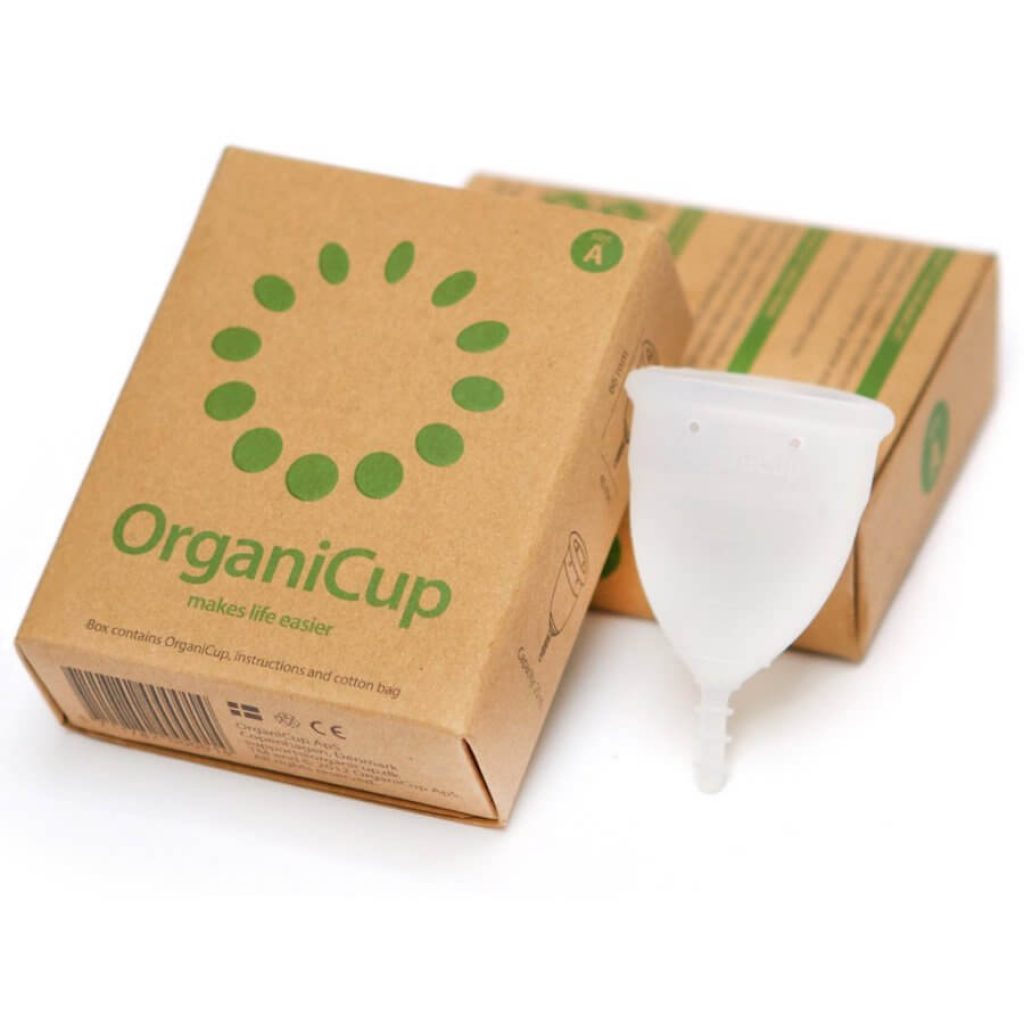
The OrganiCup Size A is an excellent all-rounder. Made from 100% AllMatters-certified silicone, it is free from dyes, chemicals, and latex — a plus if you have any sensitivities. Size A has a body length of 45mm and a flexible stem you can trim as needed. It is soft enough to be comfortable but firm enough to open reliably. For anyone who wants a straightforward, no-fuss option, OrganiCup earns its reputation.
| Cup | Body Length | Total Length (with stem) | Firmness | Best For |
|---|---|---|---|---|
| Intimina Ziggy Cup | N/A (disc shape) | ~25mm tall (disc) | Medium-soft | Very low cervix, can wear during sex |
| Saalt Cup Small | 45mm | 63mm | Soft | First-time users, sensitive anatomy |
| Lunette Model 1 | 47mm | 70mm (trimmable stem) | Medium-firm | Strong pelvic floor, active users |
| OrganiCup Size A | 45mm | 65mm (trimmable stem) | Medium-soft | Sensitive users, everyday reliability |
This one is everywhere, and it leads to a lot of wasted money. Trimming the stem only shortens the stem — it does nothing to the body length of the cup itself. If you have a low cervix and the cup body is 60mm long, you cannot trim your way to comfort. The cup body will still be too long and will press against your pubic bone or sit partially outside your vaginal canal. You need a cup with a shorter body, not just a shorter stem. Stem trimming is a finishing touch, not a fix for the wrong size.
This is simply not true. It is a conclusion people jump to after one bad experience with the wrong cup. A low cervix does not disqualify you from cup use — it just narrows your options to cups specifically designed for shorter anatomy. Plenty of people with very low cervixes use cups daily with zero discomfort or leaking. The disc-style cups like the Ziggy Cup essentially sidestep the problem entirely. The issue was never your anatomy. It was the cup.
Pro insight: If your cup ever feels like it is about to fall out, or you can feel it constantly, do not force yourself to tolerate it — that sensation is a reliable sign your cup is too long for your anatomy.
The case for menstrual cups is strong. A single cup lasts up to ten years with proper care, making it dramatically cheaper than disposables over time. You get up to twelve hours of protection from a single insertion. No dry tampon removal, no chemical-laden products against sensitive tissue, no midnight runs to the pharmacy. For people who experience menstrual cramps and period discomfort, cups also eliminate the irritation and dryness that tampons can cause, which many users report makes their overall period experience noticeably more comfortable.
No one gets it perfect on the first try. Expect a cycle or two of practice before insertion and removal feel natural. Removal in particular — pinching the base to break the seal before pulling — takes some muscle memory to develop. Public restrooms require more planning since you need to rinse the cup or wipe it clean before reinserting. If you have any conditions that make insertion uncomfortable, check with your doctor first. The investment in learning pays off fully once you have the technique down.
The fold you use makes a big difference. For a low cervix, the C-fold (folding the cup in half into a C shape) and the punch-down fold (pushing one side of the rim into the cup) are the most reliable starting points. The punch-down fold creates a smaller insertion point and tends to pop open more easily once inside, which is exactly what you need when working with limited space. After insertion, run your finger around the base of the cup to confirm it has fully opened — you should feel a round, smooth surface with no dents or collapsed sides. A proper seal means no leaks.
Relax your pelvic floor muscles during insertion. Tensing up makes everything harder. Some people find squatting works better than sitting on the toilet; others prefer one leg up on the seat. Try both and see what gives you easier access. A small amount of water-based lubricant on the rim of the cup makes insertion significantly smoother, especially in your first few cycles.
One of the best features of a menstrual cup is that it is genuinely safe to sleep in for up to twelve hours — no midnight changes needed. If you are nervous about your first overnight experience, our full guide to sleeping with a menstrual cup walks through exactly what to expect and how to set yourself up for a leak-free night. A cup with a good seal that fits your cervix height correctly should give you complete peace of mind while you sleep.
For removal, bear down gently with your pelvic muscles (like you are pushing slightly) to bring the cup lower, then pinch the base firmly to break the suction seal before pulling. Never yank the stem alone — that creates uncomfortable suction. Once you have the pinch-and-pull motion down, removal takes less than thirty seconds.
Insert a clean finger into your vagina and feel for a firm, rounded bump. If you reach it at or before your first knuckle — roughly one to two inches in — you have a low cervix. Check during your period for the most accurate reading, since the cervix sits lowest at that time.
Aim for a total cup length (body plus stem) under 65mm. Many low-cervix users are most comfortable with cups under 55mm total. Always check the body length separately from the stem length, since stems can be trimmed but the cup body cannot.
Yes. Menstrual discs like the Intimina Ziggy Cup sit horizontally at the base of the cervix rather than vertically in the vaginal canal, which makes them ideal for extremely low cervix anatomy. They use a different insertion method but offer many of the same benefits as traditional cups.
Yes, most cup stems can be safely trimmed with clean scissors. Remove the cup first, trim a small amount at a time, and smooth any rough edges. Some users remove the stem entirely. Just keep in mind that trimming only addresses stem length — it does not change the cup body length.
Most people feel confident after two to three full cycles of practice. The first cycle is typically the hardest. Insertion and removal become faster and easier as your muscle memory develops. Using the cup at home before wearing it out gives you a lower-stakes environment to learn.
A well-fitted cup should not worsen cramps. However, a cup that is too firm or positioned incorrectly can press on the cervix or vaginal walls and cause added discomfort. If you find your cup increases cramp-like sensations, try a softer option and double-check that the cup is fully open and properly seated after insertion.


About Dr. Lauren Abern, MD
Dr. Lauren Abern is an obstetrician-gynecologist and assistant professor at Emory University School of Medicine. She completed her training at the University of Miami and her residency at Abington Memorial Hospital, and is affiliated with Brown University Health. Her clinical and research focus includes reproductive health, women's health equity, and evidence-based gynecological care.
You can get FREE Gifts. Or latest Free phones here.
Disable Ad block to reveal all the info. Once done, hit a button below
 Dr. Lauren Abern, MD