
Studies suggest that up to 91% of menstrual cup users would recommend them to a friend — yet sleeping with a menstrual cup is the one step that stops many people from fully committing. If period pain already costs you sleep, you don't need a soaked pad or a dried-out tampon adding to the problem. A correctly inserted cup forms a suction seal that holds for up to 12 hours, giving you uninterrupted rest through even your heaviest nights.
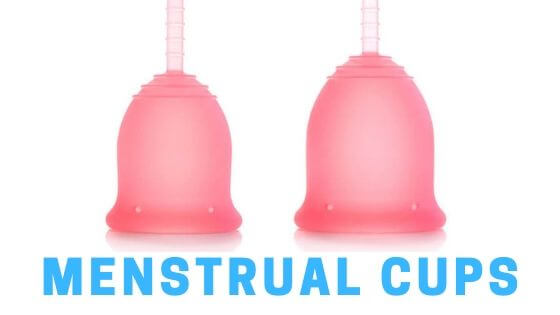
This guide covers how cups compare to other period products, what they actually cost over time, the myths that hold people back, when to use one overnight and when not to, and the practical moves that make leak-free sleep possible from the very first try.
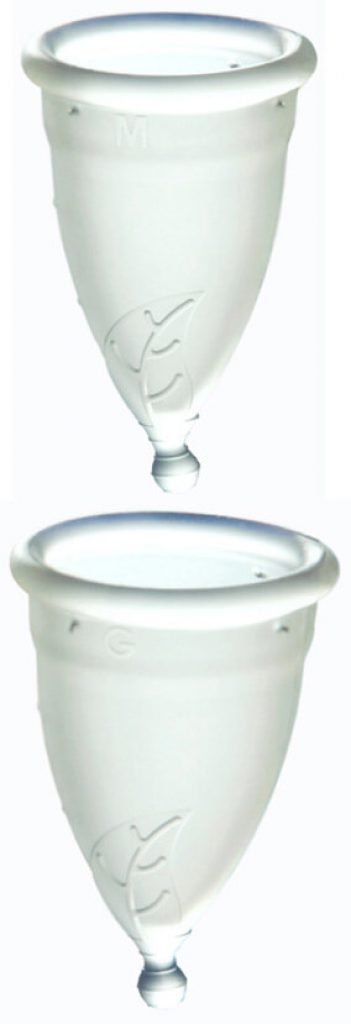
Menstrual cups are small, flexible bell-shaped collectors — usually made from medical-grade silicone — that sit inside the vaginal canal and collect flow rather than absorbing it. According to Wikipedia, menstrual cups have been commercially available since the 1930s, though widespread adoption has only accelerated recently. Choosing the right size and mastering insertion are the two factors that determine everything, especially overnight.
Contents
Before committing to overnight use, it helps to see the actual numbers. Most cups hold 20–30 ml of fluid — roughly two to three times the capacity of a super-absorbency tampon. On a moderate flow night, that capacity covers a full 8 hours of sleep without a single change. The comparison across product types makes the case plainly.
| Product | Capacity | Max Continuous Wear | Overnight Suitability | Environmental Impact |
|---|---|---|---|---|
| Menstrual Cup | 20–30 ml | Up to 12 hours | Excellent | Very low (reusable) |
| Super Tampon | ~12 ml | 8 hours max | Moderate | High (single-use) |
| Overnight Pad | Variable | 8 hours | Good (bulky) | High (single-use) |
| Period Underwear | ~20 ml | 8–12 hours | Good | Low (reusable) |
| Menstrual Disc | ~30 ml | Up to 12 hours | Excellent | Low (reusable options) |
A properly inserted cup sits high enough in the vaginal canal that you don't feel it lying down. Most people report they forget the cup is there once insertion is correct. That's a sharp contrast to the shifting bulk of an overnight pad or the drying effect a tampon produces after several hours. The cup moves with your body — it doesn't bunch, shift, or cause the kind of friction that disrupts sleep.
The sticker price of a menstrual cup — typically $20–$45 — makes some people hesitate. Run the numbers over time, though, and the math is unambiguous. Most people spend $60–$100 per year on disposable period products. A cup lasts up to 10 years with proper care. That works out to a potential savings of $600–$1,000 over a decade from a single purchase.
If you're already investing in your reproductive health through options like fertility supplements for women, redirecting disposable period product spending toward a one-time cup purchase is a straightforward financial decision. The savings compound the longer you stick with it.
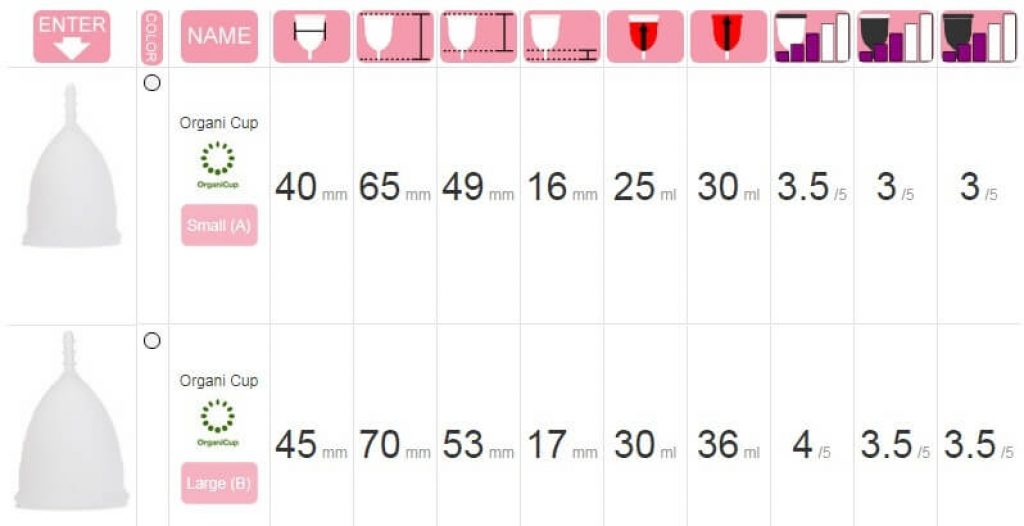
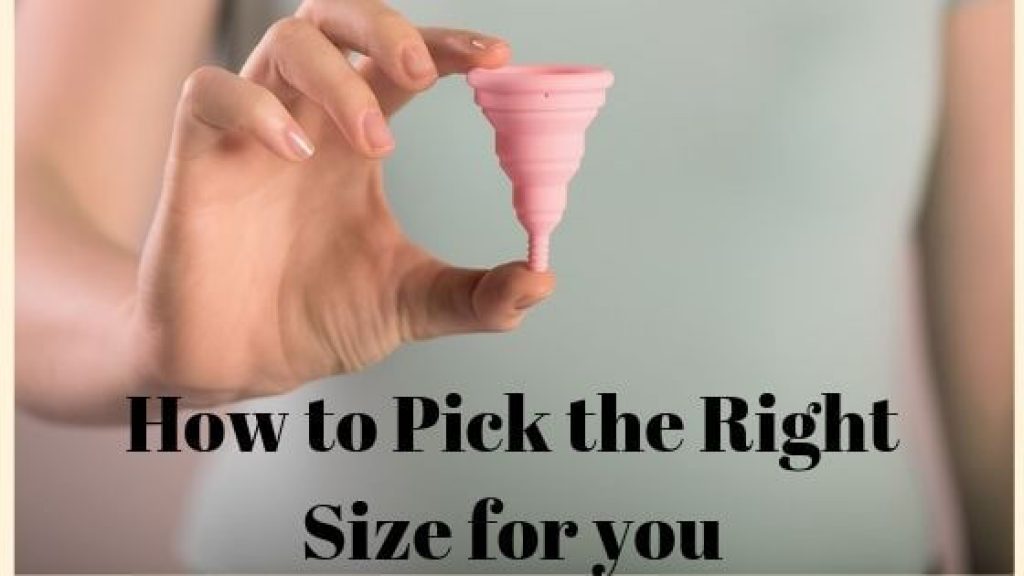
Cups come in small and large sizes. Most brands use age and vaginal birth history as the primary guide — if you haven't given birth vaginally, a size small or size A is the standard starting point. If you have, a larger cup provides better overnight coverage. Firmness matters too: a firmer cup opens more reliably on insertion, while a softer cup is more comfortable if you experience pelvic tension or lower back pain during your period.

Popular brands include the OrganiCup, Lena Cup, Saalt Cup, and DivaCup. They differ in stem length, rim diameter, and stiffness. Budget $20–$30 for a reliable entry-level option, or $35–$45 for premium brands with better firmness options. Buying two different cups to compare isn't unusual — many people switch brands after their first cycle to find a better fit.
This is the most stubborn myth — and the least accurate. Leaks come from incorrect insertion, not from lying down. A cup that hasn't fully opened, sits too low, or is the wrong size will leak in any position. Fix the seal and the leak disappears. Gravity has no effect on a properly seated cup — the suction seal holds regardless of how you sleep.
Pro tip: After inserting your cup, run a clean finger around the base to confirm it has fully opened into a circle — a dented or folded cup is the single most common cause of overnight leaks.
Many first-time users give up after one leak that was entirely a positioning issue. Give yourself at least two or three full cycles to dial in your technique before drawing any conclusions about whether cups work for you.
Toxic shock syndrome has historically been linked to high-absorbency tampons that create conditions for bacterial overgrowth. Menstrual cups collect rather than absorb, and silicone doesn't harbor bacteria the way fiber-based products do. The TSS risk with menstrual cups is considered extremely low by medical consensus. If you develop sudden high fever, a rash, or dizziness while wearing one, remove it immediately and seek medical attention — but that caution applies to any internal period product.
Sleeping with a menstrual cup is the right choice in these situations:
Cups aren't the right overnight choice for every situation. Be cautious in these cases:
The C-fold and punch-down fold are the two most reliable techniques for beginners. With the C-fold, you fold the cup in half lengthwise into a C shape before inserting. The punch-down fold creates a narrower entry point that many people find easier. Both should result in the cup popping open fully once inside the vaginal canal.

Consistency turns cup use from a learning curve into a simple habit. A short pre-sleep routine makes all the difference. Insert the cup 20–30 minutes before bed so you have time to check and reinsert if something feels off, rather than discovering a problem at midnight.
Sleep position matters far less than insertion quality. A properly sealed cup holds through side sleeping, back sleeping, and stomach sleeping alike. Once you've confirmed the seal on a few waking cycles, overnight use becomes second nature.
Yes. Most menstrual cups can safely be worn for up to 12 hours, which more than covers a standard night of sleep. On heavy flow days you may need to empty it before bed and again immediately upon waking, but for moderate to light nights, a single insertion at bedtime is sufficient.
There is no best or worst sleeping position — a correctly inserted cup seals against the vaginal walls and holds regardless of whether you sleep on your side, back, or stomach. If you experience leaks in a particular position, the issue is almost always the seal rather than the position itself.
The fix for overnight leaks is nearly always a positioning correction. Confirm the cup has fully opened after insertion by running a finger around the base to feel for any dents or folds. The cup should sit slightly above the vaginal opening and rotate smoothly. If leaks persist, try a different fold technique or consider a firmer cup that pops open more reliably.
Yes, provided you empty and rinse the cup at least every 12 hours and sterilize it properly between cycles. Menstrual cups are made from medical-grade silicone that does not support bacterial growth the way absorbent products do, making them safe for overnight use throughout your entire period.


About Dr. Lauren Abern, MD
Dr. Lauren Abern is an obstetrician-gynecologist and assistant professor at Emory University School of Medicine. She completed her training at the University of Miami and her residency at Abington Memorial Hospital, and is affiliated with Brown University Health. Her clinical and research focus includes reproductive health, women's health equity, and evidence-based gynecological care.
You can get FREE Gifts. Or latest Free phones here.
Disable Ad block to reveal all the info. Once done, hit a button below
 Dr. Lauren Abern, MD