
Are cracked heels just a dry skin problem that a little lotion can fix? Not always — and that distinction matters quite a bit. Our team has tested and reviewed dozens of products across the foot care category, and pinpointing the best cream for cracked heels requires looking well past the marketing language printed on the tube. The Profoot Heel Rescue Foot Cream has earned a loyal following among people dealing with painful, splitting heel skin, and our team wanted to know whether that reputation holds up under scrutiny. This review covers the formula, the active ingredients, real-world performance expectations, and the honest limitations every buyer deserves to understand before committing to a purchase.
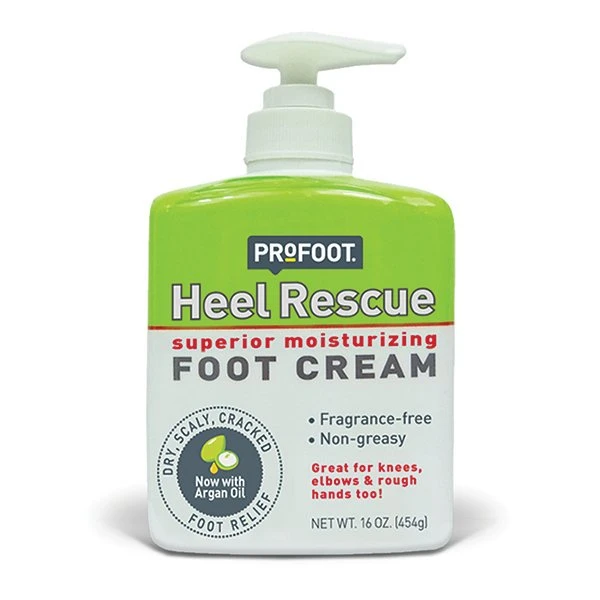
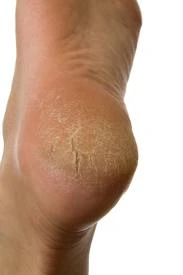
Cracked heels — clinically referred to as heel fissures — affect a substantial portion of the adult population. Our team has explored the broader foundations of this issue in our guide to basic foot care tips for healthy feet year round, but today's focus is narrower: does this one specific product deliver on its promises? Profoot has been manufacturing budget-friendly foot tools and creams for decades, which gives the brand real credibility in a crowded market. Longevity alone isn't enough to earn our recommendation, though — performance is what counts.
Our team also wants to be upfront about scope: heel fissures range from mild surface dryness to deep, painful cracks that bleed and invite infection. Where this cream fits on that spectrum — and where it falls short — shapes everything else in this review.
Contents
The heel bears more mechanical stress than almost any other patch of skin on the human body. Constant pressure, friction from footwear, and a near-total absence of sebaceous oil-producing glands make this skin uniquely prone to drying out. When skin loses moisture and flexibility, it begins to crack — first superficially across the surface, then deeper into the dermis. Deep heel fissures can become entry points for bacterial infection, which elevates what looks like a cosmetic inconvenience into a genuine health concern that warrants attention.
According to MedlinePlus, severely dry skin can sometimes signal underlying conditions including eczema, psoriasis, or thyroid dysfunction. Most people with mild-to-moderate cracking have no systemic driver behind it — but understanding the full picture helps anyone decide whether a cream is the right first move or whether a physician's input is needed.
Heel fissures are more common among people who spend long hours standing or walking, those who frequently wear open-backed footwear, and anyone with naturally dry skin. Older adults tend to experience more cracking because skin loses elasticity and moisture-retention capacity with age. Body weight also plays a role — greater mechanical load on the heel pad accelerates the physical breakdown of skin at the rim.
Profoot Heel Rescue centers on a urea-based formula. Urea is one of the most clinically validated ingredients in topical dermatology, functioning simultaneously as a humectant — drawing moisture into the skin — and as a keratolytic agent that softens and breaks down thickened, hardened skin cells. Most reputable heel creams use urea concentrations ranging from 10% to 25%. At lower concentrations it primarily hydrates; at higher concentrations it actively exfoliates thickened tissue.
The formula pairs urea with emollients that seal moisture in after the urea draws it through the outer skin layer. This two-step mechanism is precisely what separates a proper heel treatment from a standard body lotion. Regular moisturizers simply lack the keratolytic action needed to penetrate the dense, thickened skin that develops on chronically dry heels — which is why so many people find body lotion disappointing when applied to cracked feet.
Our team's assessment — consistent with broad user reports — is that Heel Rescue applies smoothly without the greasy residue that plagues many thick foot balms. The scent is mild and fades quickly, which is a practical advantage for anyone applying it before bed. The cream absorbs within a few minutes of application, making it entirely compatible with immediately pulling on cotton socks. No artificial colorants or heavy fragrance compounds appear in the formulation, which matters for anyone with reactive or sensitive skin.
The soak-and-seal approach is the most effective application protocol our team has found for any intensive heel treatment. The process is simple: soak feet in warm water for 10 to 15 minutes to soften the outer skin layer, gently pat dry, and apply the cream while the skin is still warm and the pores remain open. Applying to dry, unprepped heel skin produces significantly slower results — the thickened outer layer resists penetration when it hasn't been softened first.
Our team's top recommendation: Covering treated heels with cotton socks overnight dramatically accelerates results — the occlusion effect traps moisture against the skin and amplifies the cream's keratolytic action substantially.
For moderate-to-severe cracking, our team recommends applying Heel Rescue twice daily — once in the morning and once before bed — for the first two weeks. After noticeable improvement, most people can maintain soft heels with a single nightly application. Consistency matters far more than the quantity applied; a thin, even layer penetrates more effectively than a thick amount that simply sits on the surface. Anyone building a more comprehensive foot health routine will find our guide on exercises for strong and healthy feet a useful complement — physical conditioning and topical treatment genuinely reinforce each other.
Profoot Heel Rescue performs best on mild-to-moderate fissures — the kind where skin is visibly dry, thickened, and cracked at the surface but not bleeding or showing infection. Anyone seeking a daily maintenance product to prevent recurring dryness will also get strong results here. The accessible price point and pharmacy availability make it a logical first-line option before turning to more aggressive or prescription-strength interventions. Athletes and people who spend extended time on hard surfaces tend to benefit particularly well from the preventive application.
Deep fissures that bleed, show signs of spreading infection — redness extending away from the crack, warmth, discharge — or have persisted for months without improvement are beyond what any over-the-counter cream should be expected to resolve. People managing diabetes or peripheral vascular disease need to approach heel cracking with particular caution; compromised circulation slows healing and dramatically raises infection risk. A podiatrist's evaluation comes before any topical product in those cases. Similarly, when structural foot pain accompanies the cracking, the root cause may be mechanical rather than dermatological — and resources like our coverage of plantar fasciitis orthotics and sleep supports may be more relevant to the overall picture.
Our team reviewed several commonly recommended heel creams alongside Profoot to provide a fair comparative assessment. The table below reflects our evaluation across the criteria that matter most: active ingredient type, strength, texture compatibility, approximate price tier, and suitability for severe cracking.
| Product | Key Ingredient | Best For | Price Tier | Overnight Sock Compatible |
|---|---|---|---|---|
| Profoot Heel Rescue | Urea + Emollients | Mild to moderate cracking | Budget | Yes |
| Flexitol Heel Balm | 25% Urea | Moderate to severe cracking | Mid | Yes |
| O'Keeffe's Healthy Feet | Glycerin + Allantoin | Dry skin maintenance | Budget | Yes |
| AmLactin Foot Cream | 12% Lactic Acid | Rough, thickened skin | Mid-High | Not ideal |
| CeraVe Healing Ointment | Petrolatum + Ceramides | Barrier repair, sensitive skin | Mid | Yes |
Profoot holds its own firmly at the budget end of the spectrum. Where it gives ground is urea concentration — products like Flexitol carry a higher percentage, making them more effective on deeply fissured skin. However, Profoot's price-to-performance ratio is difficult to match for anyone with moderate cracking who doesn't require pharmaceutical-grade intervention. It's a solid starting point before stepping up to stronger formulas.
Profoot Heel Rescue is widely available at major pharmacies, grocery chains, and online retailers. A standard tube retails in the budget-to-mid price range, placing it among the most accessible heel cream options on the market. Most users apply a pea-to-dime-sized amount per session, meaning a single tube realistically lasts several weeks with consistent twice-daily use — bringing the effective cost per application down to just a few cents.
Our team's view is that the real cost comparison isn't Profoot versus another cream. It's the cost of treating the problem early versus the cost of ignoring it. Untreated heel fissures that deepen over months can eventually require a podiatrist visit, prescription-strength keratolytics, or debridement procedures that far exceed the price of any over-the-counter product. Prevention and early treatment are always the more economical path. Investing in a proven heel cream before cracking becomes severe is straightforward preventive economics, not an indulgence.
For those who prefer buying in bulk, multi-packs consistently bring the per-unit price down further. Online marketplaces tend to offer the most competitive pricing, though local pharmacy availability makes Profoot easy to replenish without waiting on shipping.
Our team encounters this frustration regularly: someone applies a heel cream for a week, sees minimal change, and concludes the product doesn't work. In most cases, the issue isn't the cream — it's the application method. Applying to unwashed, unsoaked heels significantly reduces absorption. Skipping the overnight sock step cuts effectiveness by a meaningful margin. Using inconsistent amounts or skipping applications entirely will stall progress regardless of the formula's quality.
Footwear is another frequently overlooked factor. Open-backed shoes and sandals continuously expose healing skin to air friction and mechanical stress, directly counteracting the cream's work. Switching to closed-heel footwear during the active treatment period gives the skin a substantially better chance to recover — a simple adjustment that most people overlook entirely.
If consistent application over three to four weeks produces no measurable improvement, our team recommends considering a higher-urea product — 25% or above — or booking a consultation with a podiatrist or dermatologist. Persistent heel fissures that resist topical treatment sometimes have a systemic driver: thyroid dysfunction, a nutrient deficiency, or a diagnosed dermatological condition that no cream alone will address. Escalating to professional care at that point isn't a failure of the product — it's simply the appropriate next step in the diagnostic process, and the right call for long-term foot health.
Most people notice meaningfully softer, less painful heels within five to seven days of consistent twice-daily application paired with the soak-and-seal method. For deeper fissures, our team expects noticeable improvement to take two to three weeks of uninterrupted use — and full resolution may take longer depending on severity.
People managing diabetes should consult a podiatrist before using any over-the-counter heel cream. Diabetic peripheral neuropathy can mask pain signals, making it easy to miss worsening fissures or early infection. Our team always recommends professional guidance for anyone managing diabetes alongside foot skin concerns — the stakes are simply higher in that population.
A standard moisturizer hydrates surface skin but lacks the chemical tools to address thickened, hardened tissue. The best cream for cracked heels includes a keratolytic agent — most commonly urea or lactic acid — that actively breaks down compacted dead skin cells while simultaneously delivering deep hydration. That dual mechanism is what makes heel-specific creams far more effective than body lotion on chronically dry, thickened heel skin.
The formula works effectively on other areas of dry or thickened skin, including elbows and knees. However, the concentration and keratolytic strength are calibrated for the particularly dense skin of the heel pad. On more delicate facial or body skin, a milder formulation is generally the more appropriate choice to avoid over-exfoliation.
Profoot Heel Rescue Foot Cream earns a clear recommendation from our team for anyone dealing with mild-to-moderate heel cracking who wants an accessible, budget-friendly entry point into proper heel care. The urea-based formula is clinically sound, the texture is practical for everyday use, and the price removes any serious barrier to trying it. The most productive next step for anyone ready to take action is straightforward: pick up a tube, commit to the soak-and-seal routine every night for two full weeks, and give the process enough time to work — because consistent application, far more than the cream itself, is what actually delivers lasting results.


About Mehnaz
Mehnaz is the founder and editor of RipPain, a health resource site dedicated to helping readers navigate pain management, recovery, and medical device research. Her work on the site is driven by personal experience caring for seriously ill family members, which led her to study evidence-based guidance from physicians, pain specialists, and published medical research. She curates and summarizes expert medical insights to make credible health information accessible to everyday readers.
You can get FREE Gifts. Or latest Free phones here.
Disable Ad block to reveal all the info. Once done, hit a button below
 Mehnaz