
About 75% of adults experience significant foot pain at some point in their lives, yet most people never dedicate a single minute to exercises to strengthen feet. The foot contains 26 bones, 33 joints, and more than 100 muscles, tendons, and ligaments — and when those structures go untrained, the consequences ripple upward through the ankles, knees, hips, and spine. Our team at RipPain covers this extensively in our foot care resource hub, and what the research consistently shows is that targeted strengthening is the most effective prevention strategy available.
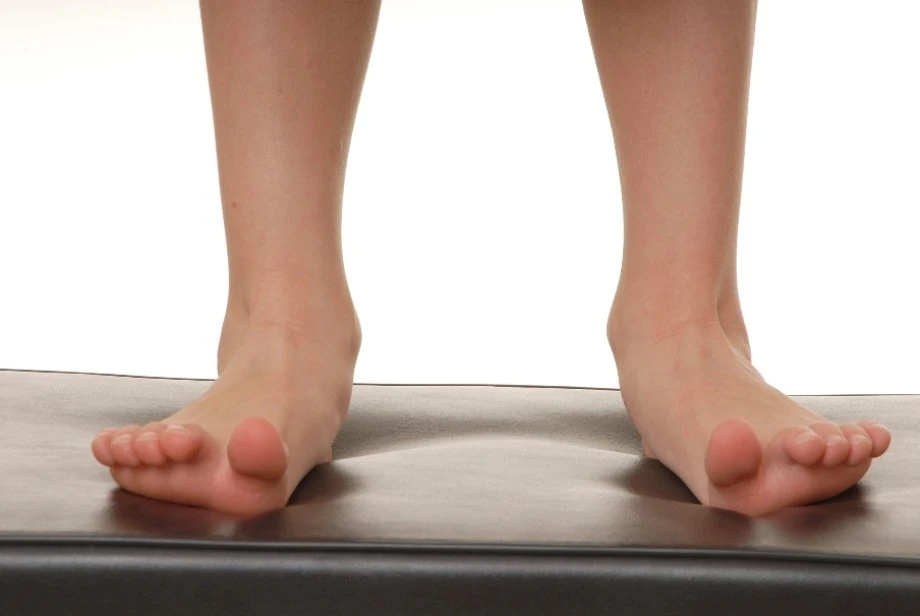
Most people treat feet as passive structures — something that carries them from place to place without requiring active maintenance. That view leads to problems. Weak intrinsic foot muscles force larger muscle groups to compensate, increasing fatigue and injury risk across the entire lower body. The good news is that the threshold for improvement is low. Even modest, consistent training — 10 to 15 minutes a few times a week — builds meaningful resilience over time.
Our team has compiled this guide to walk through the mechanics of foot strengthening: what exercises work, how they scale across fitness levels, and how to maintain results long-term. Whether someone is recovering from heel pain or simply trying to stay mobile and active, the principles here apply broadly.
Contents
Most people don't connect lower back stiffness, recurring knee aching, or chronic ankle sprains to foot weakness — but our team sees this link repeatedly in the clinical literature. The foot is the body's primary contact point with the ground. When its muscles are underdeveloped, the entire kinetic chain compensates. Overpronation — the inward rolling of the foot during weight-bearing — is among the most common presentations, placing abnormal stress on the shin, knee, and hip with every stride.
According to the National Institute of Arthritis and Musculoskeletal and Skin Diseases, foot problems rank among the most common musculoskeletal complaints affecting adults. The majority are preventable with consistent, progressive strengthening work started early enough.
Sedentary adults are the obvious high-risk group, but athletes who train exclusively in heavily cushioned footwear face the same problem from a different angle. Modern running shoes absorb so much impact that intrinsic foot muscles rarely fire at full capacity — and those muscles atrophy from disuse just like any other. People managing diabetic foot conditions face compounded risk because reduced circulation and diminished nerve sensitivity make structural weakness harder to detect before it causes serious injury.
Older adults experience a natural decline in proprioception — the body's sense of position in space — which makes strong feet critical for maintaining balance and preventing falls. Our team recommends that anyone over 50 treat foot strengthening as a non-negotiable component of their fitness routine, not an optional supplement to it.
Starting with bodyweight movements and minimal props is the most effective way to build a base without overwhelming underdeveloped muscles. Most people can perform these barefoot on a flat surface, needing nothing beyond a chair for balance support during initial sessions.
Our team recommends performing these beginner exercises at minimum three times a week for four consecutive weeks before advancing. Consistency at this stage matters far more than intensity.
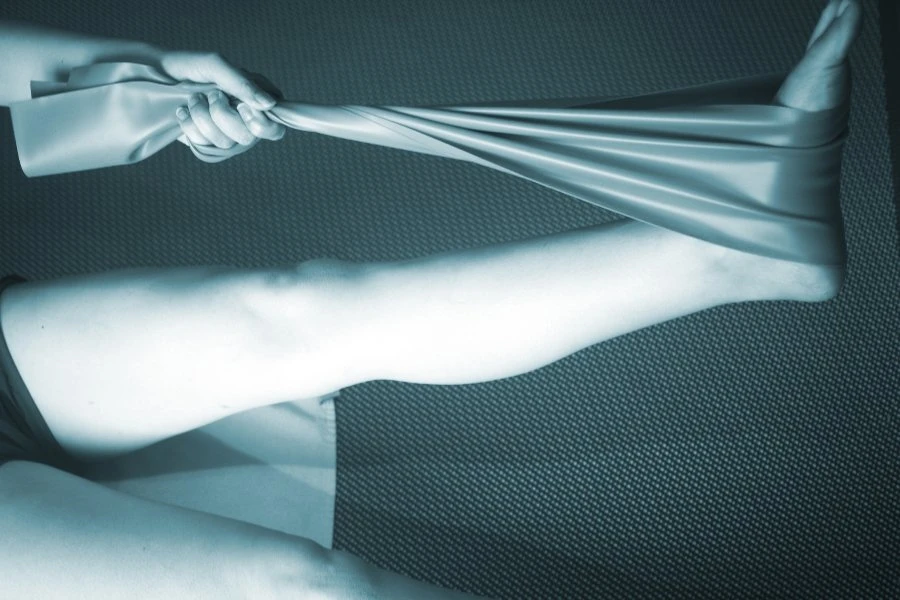
Once the foundation is solid, resistance tools and unstable surfaces introduce the progressive overload that drives real adaptation. Therabands are the most accessible and versatile tool for this stage of foot strengthening.
Integrating foot work into existing exercise sessions is efficient. Someone following a vertical climber workout routine places significant demand on ankle stability with every repetition — pairing that session with a brief foot protocol beforehand reduces injury risk meaningfully. Similarly, those using a recumbent bike for low-impact cardio can add a 10-minute foot sequence during cooldown with minimal added time.
Pro tip: Performing the short-foot exercise while standing in a queue or waiting at a desk activates the deep intrinsic muscles passively — our team considers it one of the highest-value micro-habits for cumulative foot conditioning.
| Exercise | Level | Primary Muscles Targeted | Recommended Volume | Equipment |
|---|---|---|---|---|
| Toe Raises | Beginner | Extensor digitorum, intrinsic flexors | 3 × 15 reps | None |
| Heel Raises | Beginner | Gastrocnemius, soleus, arch | 3 × 20 reps | None |
| Towel Scrunches | Beginner | Plantar intrinsics | 3 × 30 seconds | Small towel |
| Single-Leg Balance | Beginner–Intermediate | Full foot stabilizer complex | 3 × 45 seconds | None |
| Theraband Flexion/Extension | Intermediate | Tibialis anterior, peroneals | 3 × 15 each direction | Resistance band |
| Short-Foot Exercise | Intermediate–Advanced | Deep intrinsic plantar layer | 3 × 10 reps | None |
| BOSU Balance Holds | Advanced | Full ankle-foot stabilizer complex | 3 × 60 seconds | BOSU ball |
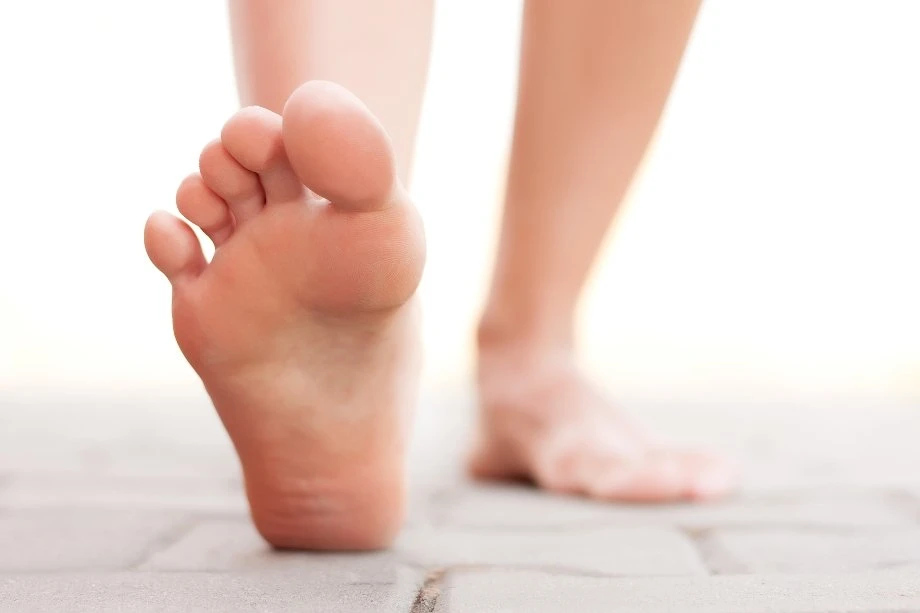
Strength training creates micro-damage that requires adequate recovery to produce adaptation. Most people skip this step entirely, treating rest days as passive when they should be actively supportive. Our team has found that simple daily recovery practices make the difference between consistent progress and chronic low-grade soreness that eventually derails the program.
Skin integrity matters more than most people recognize. Cracked heels and thickened calluses alter foot mechanics by changing how pressure distributes across the plantar surface during movement. Our team recommends pairing any strengthening routine with a quality foot cream for cracked feet to maintain the skin barrier. This is especially critical for anyone with circulatory compromise or reduced sensation.

Footwear is a force multiplier — it either supports the work done in training or steadily undermines it. Our team consistently observes that people who commit to exercises to strengthen feet but continue wearing highly cushioned or structurally restrictive shoes plateau significantly faster than those who gradually incorporate lower-stack or minimalist options into daily wear. The transition should be slow and deliberate — rushing it creates a new injury risk before the foot has adapted.
For those managing ongoing plantar fasciitis symptoms during a strengthening program, compression socks provide meaningful symptom control without interfering with training. Our team's review of plantar fasciitis socks highlights options that deliver targeted arch support without restricting circulation or toe splay.
People recovering from foot or ankle injuries who rely on mobility aids benefit from maintaining as much foot muscle activity as possible even in limited weight-bearing phases. Our overview of walker benefits examines how assistive devices can be integrated into an active recovery plan rather than simply replacing movement.
The exercises themselves aren't the hard part. Consistency is. Our team's observation — supported by behavioral research on habit formation — is that foot exercises become habitual fastest when anchored to an existing routine. Immediately after waking, during a post-cardio cooldown, or right before bed are the three attachment points most people find sustainable.
Most people who abandon foot strengthening programs do so because results aren't visible fast enough. The intrinsic muscles of the foot adapt more slowly than large prime movers — four to six weeks of consistent work is the minimum before meaningful strength changes become measurable. Our team advises anyone beginning this process to commit to that timeline fully before evaluating whether it's working.
Exercise builds structure, but nutrition maintains it. Collagen synthesis — critical for tendon and ligament integrity throughout the foot — depends on adequate vitamin C intake alongside sufficient dietary protein. Omega-3 fatty acids reduce systemic inflammation that amplifies chronic foot pain, particularly in conditions like plantar fasciitis where low-grade inflammation is a persistent driver. For people prone to gout, which commonly presents as severe pain and swelling at the big toe joint, dietary management is inseparable from structural foot health. Our team's detailed breakdown of gout prevention supplements covers the evidence base for uric acid management and its direct impact on foot function.
Hydration is consistently underrated in this context. Dehydrated connective tissue is measurably less elastic and more prone to microtear under repeated mechanical loading. Our team recommends treating daily water intake as an integral part of any foot strengthening protocol rather than a separate wellness concern.
Our team recommends starting with three sessions per week and progressing to daily sessions once basic movements feel comfortable and controlled. Each session needs only 10 to 15 minutes to produce meaningful adaptation. The intrinsic foot muscles respond to frequency more than to volume, so daily short sessions outperform occasional long ones.
The evidence here is clear and consistent. Strengthening the intrinsic muscles of the foot reduces the mechanical load placed on the plantar fascia with each step, addressing the underlying structural cause rather than just managing symptoms. Our team advises pairing targeted foot exercises with appropriate supportive footwear during the active recovery phase for the best outcomes.
Barefoot walking activates foot muscles more effectively than cushioned footwear and is a valuable complement to structured training. However, it does not provide the progressive resistance or targeted isolation needed to build meaningful intrinsic strength on its own. Our team recommends barefoot walking as an addition to — not a replacement for — a deliberate exercise protocol.
Strong, healthy feet aren't the result of luck or genetics — they're built deliberately, one session at a time, by the people willing to treat the foundation of every movement they make as something worth training.


About Mehnaz
Mehnaz is the founder and editor of RipPain, a health resource site dedicated to helping readers navigate pain management, recovery, and medical device research. Her work on the site is driven by personal experience caring for seriously ill family members, which led her to study evidence-based guidance from physicians, pain specialists, and published medical research. She curates and summarizes expert medical insights to make credible health information accessible to everyday readers.
You can get FREE Gifts. Or latest Free phones here.
Disable Ad block to reveal all the info. Once done, hit a button below
 Mehnaz