
Roughly 20% of adults in the United States deal with cracked heels or severely dry feet at some point in their lives, yet most people treat it as a minor inconvenience rather than a real skin condition worth addressing. If you've ever winced stepping out of bed in the morning, or noticed your heels catching on bed sheets, you know exactly how uncomfortable and embarrassing cracked feet can be. The good news is that 2026 has brought a strong lineup of foot creams that actually work — and choosing the right one makes a dramatic difference in how fast you heal.
Cracked heels aren't just cosmetic. Deep heel fissures can become painful and, in some cases, lead to infections — especially if you have circulation issues or diabetes. Proper diabetic foot care includes daily moisturizing as a core preventive measure, which is why dermatologists and podiatrists consistently recommend keeping a targeted foot cream in your routine. Browse the full range of options in our foot care section for more product guides and tips.
The market is crowded with options ranging from budget drugstore picks to high-urea clinical formulas. To help you cut through the noise, we've tested and researched seven of the most popular foot creams for cracked feet available right now. Each one has its own strengths — some excel at fast relief, others at long-term repair. Read on to find which one fits your situation best.

Contents





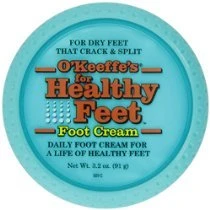
O'Keeffe's has built a loyal following by focusing on one thing: delivering intense, long-lasting moisture to skin that other creams can't seem to reach. The Healthy FEET formula is no exception. It creates a concentrated layer of moisture that locks in hydration more effectively than standard lotions, and users consistently report softer heels within the first few applications. If you're someone who stands for long hours or simply neglects foot care until things get uncomfortable, this cream rewards daily use with steady, visible improvement.
The texture is thick but not heavy — it absorbs reasonably well without leaving a greasy film that makes walking around barefoot feel slippery. Apply it before bed with a pair of cotton socks and you'll notice the difference by morning. It doesn't have a strong scent, which is a plus if you're sensitive to fragrance. The jar format is classic O'Keeffe's and gets slightly awkward when the product level drops, but the formula itself holds up from first use to last.
One thing worth noting: this isn't a high-urea clinical formula, so if your cracks are very deep or painful, you may want something stronger for the initial recovery phase and then switch to O'Keeffe's for maintenance. For mild-to-moderate dryness, however, it's hard to beat the price-to-performance ratio.
Pros:
Cons:
Gold Bond has been a household name in skin care for decades, and their Healing Foot Cream earns its place on this list through sheer reliability. The formula combines seven moisturizers with three nourishing vitamins — A, C, and E — along with aloe to hydrate, soften, and gradually restore the look of healthier skin. It's designed to address the kind of rough, dry heels that build up over months of neglect, and it handles that job competently without any fuss.
For a budget cream, the texture is surprisingly pleasant. It's not watery like a basic hand lotion, and it doesn't sit on top of the skin in a thick crust. The aloe gives it a slightly cooling sensation on application, which feels refreshing after a long day on your feet. Results won't appear overnight — this is a cream best used consistently over one to two weeks — but steady users see real improvements in skin softness and texture.
The 4 oz tube is easy to travel with and keep by the bed. At this price range, the value is excellent. You're not getting the clinical-grade urea concentration of some of the other options on this list, but for moderate dryness and daily upkeep, Gold Bond delivers without making you think too hard about the spend.
Pros:
Cons:
Eucerin's reputation in clinical skincare is well-earned, and this foot cream reflects that pedigree. It's formulated with Ceramide-3 and Natural Moisturizing Factors — the same approach Eucerin uses in their hospital-grade body lotions — to repair the skin's moisture barrier from the inside out rather than just coating the surface. If you've got genuinely sensitive skin, or you've been burned by fragranced creams in the past, this is the fragrance-free, non-greasy option that dermatologists tend to recommend first.
The cream absorbs quickly and completely without the tacky residue you get from heavier balms. Ceramide-3 is particularly effective at repairing compromised skin barriers, which matters when your heels have reached the point of cracking and flaking. The gentle exfoliating action helps shed dead skin cells over time without abrasion. The travel-size tubes in this pack are also a practical bonus if you want to keep one in a gym bag or office drawer.
Results are noticeable within a few days of consistent use. It may not have the dramatic overnight turnaround of high-urea formulas, but for people with reactive skin who can't tolerate stronger actives, Eucerin Advanced Repair is the safe, dependable choice. It's also worth mentioning that this is a solid pick for people managing foot issues related to medical conditions — see our guide on diabetic foot care for more on why gentle, barrier-repairing formulas matter in that context.
Pros:
Cons:
When heel cracks have moved from surface-level dryness to deep, painful fissures, it's time to bring in something formulated specifically for that severity. Dr. Scholl's Severe Cracked Heel Repair Balm is built around a 25% urea concentration combined with a proprietary blend of hydrating ingredients that together soften, fill, and repair even the most stubborn heel damage. If you've been avoiding sandals for months or stepping gingerly because of the discomfort, this is the product category you should be looking at — and this Dr. Scholl's formula is one of the more well-rounded options in it.
The balm is thick and rich, which is exactly what you want for severe cracking. It smooths and fills heel fissures rather than just sitting on top of them, which is what sets the high-urea approach apart from conventional moisturizers. Apply a generous layer at bedtime, cover with socks, and within a few nights you should see a meaningful reduction in the depth and number of cracks. The balm leaves a protective moisture layer that persists through the night, doing its repair work while you sleep.
One thing to be aware of: the 2.5 oz size runs out faster than you'd expect if you're applying a thick coat daily. But for targeted intensive treatment over two to three weeks, it should be sufficient for most people to get through the worst phase of cracking. Think of it as the heavy-duty phase before transitioning to a maintenance cream for ongoing care.
Pros:
Cons:
Flexitol Heel Balm has been around long enough to have the clinical data to back up its claims, which is more than most foot creams can say. It's clinically tested to hydrate and soften cracked heels and rough feet, and the brand stakes its reputation on the promise of visible results within a single day of use. That's not a guarantee that your heels will be sandal-ready in 24 hours, but it does mean you'll feel a difference quickly — soft enough to notice by morning if you apply before bed.
The formula is built on a 25% urea base, which is the sweet spot for intensive foot care. Urea at this concentration both deeply moisturizes and gently exfoliates thickened, hardened skin — doing two jobs at once instead of just coating the surface. The balm also contains lanolin and other emollients that give it a rich, protective feel. It's slightly less sticky than the Dr. Scholl's balm and absorbs reasonably well for a high-urea product, though you'll still want socks after application.
Where Flexitol distinguishes itself is in its focus on severe, callused skin as well as standard heel cracking. If you've got thick calluses in addition to dry cracks — the kind that build up on the ball of the foot or the outer edge of the heel — the exfoliating action of the urea starts breaking those down over time. For persistent, hard-to-treat foot skin issues, Flexitol is worth your serious attention. According to the American Academy of Dermatology, urea-based products are among the most effective ingredients for treating severely dry, thickened skin — a claim well-supported by this product's formulation.
Pros:
Cons:
Miracle Foot Repair Cream takes a completely different approach from the urea-heavy formulas on this list. Its active ingredient is a 60% ultra aloe concentration — an unusually high ratio compared to most creams where aloe sits far down the ingredient list. The result is a formula that's deeply soothing, intensely moisturizing, and genuinely gentle — making it a standout option if you want to avoid the chemical-intensive path or if you're managing foot care as part of a broader health condition.
The diabetic-safe certification is a meaningful differentiator here. People with diabetes need to be especially cautious about foot products — certain ingredients can cause sensitivity reactions or interact poorly with compromised circulation. Miracle Foot Repair's aloe-dominant formula side-steps those risks and focuses purely on moisturizing, softening, and protecting the skin. It also claims to help with the discomfort associated with ingrown toenails, which is an unusual but welcome bonus for people dealing with that issue alongside dry skin.
The 2-pack value is genuinely good — you get two 4 oz tubes, which is enough to run a full daily routine for several weeks. Absorption is smooth and fast for an aloe-heavy cream, and it doesn't leave your feet feeling sticky. Results are steady rather than dramatic: expect gradual softening and improved skin texture over a week or two rather than overnight transformation. If you or someone in your household manages diabetes or other conditions that require extra foot care attention, this is absolutely worth including in the routine alongside guidance from your care provider.
Pros:
Cons:
If you've tried everything and your feet are still stubbornly rough, cracked, and resistant to improvement, the OUKEYA Urea Cream 40% is the next logical step. At 40% urea, this is the highest-concentration formula on our list — it sits in the range typically found in medical-grade products and is noticeably more powerful than the 25% formulas from Dr. Scholl's and Flexitol. The higher urea percentage means more aggressive exfoliation of dead, thickened skin and deeper moisture penetration, which can make a real difference when standard creams have already failed you.
Beyond the urea, OUKEYA loads in glycerin, avocado, sucrose, and corn starch to round out the formula with natural nourishing ingredients. These additions help counterbalance the sometimes harsh feel of high-concentration urea and give the cream a more pleasant texture than you might expect at this strength. The dermatologist-tested formulation is designed to minimize corns and calluses while softening and nourishing not just the feet but also rough patches on hands, elbows, and knees.
A 40% urea cream should be used thoughtfully — start with a thin layer to test your skin's response, and avoid open wounds or broken skin. But for intact skin that's simply very thick, very dry, and very resistant, this is the level of treatment that gets results when milder options haven't. Combined with a consistent nightly routine and the right footwear — if ill-fitting shoes contributed to your heel problems, our article on what a heel spur is covers how pressure and friction damage foot skin over time — you'll see meaningful improvement within a week of regular use.
Pros:
Cons:
With seven strong options on the table, the decision comes down to your specific situation. Ask yourself how severe your cracking is, whether you have any skin sensitivities or health conditions, and what you're most concerned about — speed of results, gentleness, or long-term maintenance. The right answer differs for each person.
Urea is the most clinically proven ingredient for treating cracked heels and very dry foot skin. It does two jobs simultaneously: it acts as a humectant, drawing moisture into the skin, and as a keratolytic, softening and breaking down the hardened outer layer of skin cells. The question is how much you need.
If you're using a 40% urea cream, treat it like a targeted intervention rather than an everyday moisturizer. Use it until the hardened skin is addressed, then transition to a gentler maintenance formula.
Fragrance is the most common irritant in foot creams. If you've experienced redness, itching, or burning from skincare products before, always look for fragrance-free options — Eucerin Advanced Repair is the standout fragrance-free pick on this list. People with eczema or psoriasis on the feet should also lean toward ceramide-containing or very gentle formulas rather than high-urea products, at least without guidance from a dermatologist.
Diabetes changes the foot care equation significantly. Diabetic individuals need products that are gentle, non-irritating, and won't cause complications with already-compromised skin. Urea creams are generally considered safe for diabetics and are actually recommended by many podiatrists for managing dry, cracking skin. But very high concentrations should be used cautiously, and any open sores or wounds on the feet need medical attention before applying any topical cream. The Miracle Foot Repair Cream's diabetic-safe certification makes it a safe default for this group, and our dedicated guide on diabetic foot care covers the full picture of what to watch for.
The best foot cream is the one you'll actually use consistently. A thick balm that's a pain to apply or that leaves you slipping around the bathroom at midnight is going to sit unused. Think about how the format fits into your actual routine.
Foot creams repair and maintain — but they can't fully compensate for underlying contributors to cracked skin. Consider what's driving your foot issues in the first place. Ill-fitting shoes that create pressure points, walking barefoot on hard floors, inadequate hydration, and nutritional deficiencies (particularly omega-3 fatty acids and vitamin E) all contribute to chronic heel cracking. Wearing footwear that doesn't fit well can also create structural foot strain — see our guide on how to fix shoes that are too big for practical tips. A foot cream is most effective when combined with attention to footwear, hydration, and the occasional exfoliation scrub to remove the dead skin layer that builds up before the cream can reach healthy tissue beneath.
The highest-strength over-the-counter option is a 40% urea cream like OUKEYA, which offers medical-grade exfoliation and deep moisturization. For most people with severe cracking, 25% urea formulas like Dr. Scholl's Severe Cracked Heel Repair or Flexitol Heel Balm are strong enough and may be better tolerated. If cracks are bleeding or very deep, see a podiatrist before relying solely on OTC products.
For best results during the repair phase, apply a generous layer every evening before bed and cover with cotton socks. Once your heels are healed and you're in maintenance mode, once daily or even every other day is sufficient for most people. Consistency matters more than quantity — a small amount applied nightly beats a thick coat applied occasionally.
Yes, urea-based foot creams are generally recommended for diabetics because they effectively address the dry, thickened skin that's common with diabetes-related circulation changes. However, never apply any cream to open wounds, sores, or broken skin without medical guidance. Lower concentrations (10–25% urea) are generally preferred for daily diabetic foot care. Our full article on diabetic foot care covers this topic in detail.
For mild-to-moderate cracking, you can expect noticeable softening within 3–5 days of nightly application. Deep fissures with significant buildup of hardened skin typically take 1–3 weeks of consistent treatment to show meaningful improvement. High-urea formulas (25–40%) generally produce faster results than standard moisturizing creams. Pairing cream use with regular gentle exfoliation accelerates the process.
Absolutely. Most foot creams, especially urea-based formulas like OUKEYA and Flexitol, are formulated for any area of the body with thickened, dry skin — hands, elbows, knees, and feet all respond well. OUKEYA specifically markets its 40% urea cream as a multi-area product. The higher concentration may tingle slightly on thinner skin, so test a small patch first if you're using it on your hands for the first time.
Foot-specific creams are formulated with higher concentrations of emollients and actives precisely because foot skin is much thicker and more callused than skin elsewhere on the body. Regular body lotions contain lighter humectants and lower concentrations of active ingredients that absorb quickly — which is ideal for normal skin but insufficient for feet. Foot creams use heavier occlusive agents and targeted actives like urea or ceramides that can actually penetrate and repair the thick stratum corneum layer on your heels. Using regular body lotion on cracked heels often produces disappointing results simply because the formula isn't built for the job.


About Mehnaz
Mehnaz is the founder and editor of RipPain, a health resource site dedicated to helping readers navigate pain management, recovery, and medical device research. Her work on the site is driven by personal experience caring for seriously ill family members, which led her to study evidence-based guidance from physicians, pain specialists, and published medical research. She curates and summarizes expert medical insights to make credible health information accessible to everyday readers.
You can get FREE Gifts. Or latest Free phones here.
Disable Ad block to reveal all the info. Once done, hit a button below
 Mehnaz