
If you want to know how to reduce foot pain, here's the direct answer: identify the source, apply targeted treatment, and fix the habits driving the problem. Rest alone rarely works long-term. Your feet carry your full body weight across thousands of steps each day — and when something breaks down, whether a strained tendon, a calcium deposit, or the wrong shoes, the fallout travels all the way up to your knees and hips. Explore the full library of solutions in our foot care section to match your specific symptoms with the right approach.
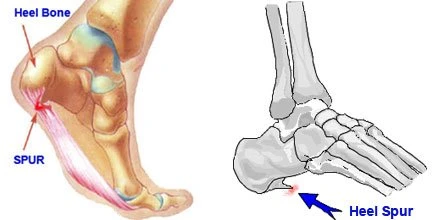
Foot problems are staggeringly common and consistently undertreated. According to the National Institute of Arthritis and Musculoskeletal and Skin Diseases, foot disorders affect millions of Americans each year — yet most people push through the discomfort until what started as a manageable ache becomes a chronic condition. That delay always extends recovery and often creates secondary problems in the ankles, knees, and lower back.
Whether you're dealing with sharp heel pain in the morning, aching arches after a long shift, or persistent toe joint soreness, this guide walks you through the conditions causing your pain, which treatments actually work, the daily habits that prevent recurrence, and the clear signals that tell you when to stop self-treating and see a professional.
Contents
Effective treatment starts with an accurate diagnosis. The approach for plantar fasciitis is fundamentally different from the approach for a stress fracture, and guessing wrong doesn't just waste time — it can make the underlying problem significantly worse. Here are the three most prevalent structural causes of foot pain.
Plantar fasciitis is the leading cause of heel pain in adults. It develops when the plantar fascia — the thick connective tissue band running from your heel bone to the base of your toes — becomes inflamed through repetitive strain or overload. The defining symptom is a stabbing pain in the heel during your first steps after waking or after long periods of rest, which typically eases as you move but returns at the end of a demanding day.
For a complete evidence-based protocol covering causes, stretches, and remedies, the guide on plantar fasciitis treatment is the best starting point.
A heel spur is a calcium deposit that grows on the underside of the heel bone, usually as a byproduct of long-standing plantar fasciitis. Importantly, the spur itself is rarely the direct source of pain — it's the surrounding soft tissue inflammation that creates the discomfort. Many people have visible spurs on X-ray with zero symptoms at all.
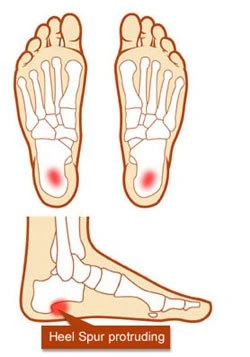
Diagnosis requires an X-ray to confirm. Treatment mirrors plantar fasciitis management — targeted stretching, supportive footwear, orthotics, and anti-inflammatory interventions. Surgery is reserved for severe, treatment-resistant cases and is rarely necessary.
A bunion forms when the bones in the front of your foot shift out of alignment, pushing the big toe toward the second toe and creating a bony prominence at the joint. The result is visible deformity, redness, swelling, and persistent pain — particularly in shoes with a narrow toe box.
If you're uncertain whether your joint pain has crossed the threshold for treatment, read when bunions need to be treated for clear decision criteria. If arch pain is your primary complaint, the focused guide on how to treat arch foot pain covers the most effective targeted approaches.
There's no shortage of advice on reducing foot pain — the problem is separating what's genuinely effective from what just sounds plausible. Here's a clear-eyed look at both sides.
| Treatment | Best For | Typical Relief Timeline | Cost Range |
|---|---|---|---|
| RICE Method | Acute injuries, swelling | 2–5 days | Free |
| Foot Massage | Plantar fascia tension, fatigue | Immediate to days | Low |
| OTC Orthotics | Arch pain, overpronation | 1–4 weeks | Low–Moderate |
| Daily Stretching | Chronic tightness, fasciitis | 2–6 weeks | Free |
| Night Splints | Morning heel pain | 2–4 weeks | Low–Moderate |
| Custom Orthotics | Complex structural imbalances | 2–8 weeks | High |
| Corticosteroid Injection | Severe, treatment-resistant inflammation | 1–7 days | High (medical) |
Lasting relief from foot pain is built through consistent daily habits, not one-time interventions. The goal is to reduce cumulative load on vulnerable structures while building the strength and flexibility that prevent pain from returning.
Tight calves and weak intrinsic foot muscles are two of the most overlooked contributors to chronic foot pain. Addressing both takes under 10 minutes a day and delivers compounding results over time.
Build these exercises into your daily routine:
Consistency is what prevents recurrence. Do these daily, not only when pain flares — that's when they're already working reactively instead of proactively.
Your shoes are either protecting your feet or undermining them. There's no middle ground. The wrong shoe amplifies every biomechanical weakness your foot already has — and accumulates damage with every step you take in it.
The path from manageable discomfort to chronic pain is almost always paved with predictable, avoidable mistakes. Recognizing them means you can stop making them.
Foot pain rarely appears without warning. There's usually a period of mild soreness after activity, stiffness first thing in the morning, or occasional sharp sensations you attribute to "overdoing it." Acting during that window prevents acute injuries from becoming entrenched chronic conditions.
Pro tip: If your foot pain doesn't meaningfully improve within 7–10 days of consistent self-care — rest, ice, stretching, and supportive footwear — that's your signal to see a podiatrist, not to give it another week.
Treating an acute episode is one thing. Building a lifestyle that prevents chronic foot pain from developing in the first place is another — and it requires attention to a few key areas beyond just footwear and stretching.
Every pound of excess body weight translates to roughly three to four pounds of additional force on your feet and ankles with each step. At that multiplication rate, the cumulative stress on foot structures across a full day of normal activity is enormous. Weight management is one of the most impactful and under-discussed levers for reducing foot pain.
For a detailed look at the mechanical relationship between weight and foot health, read how excess weight affects your feet and ankles.
Strong feet hurt less and recover faster. Building intrinsic foot strength changes the structural support available to your plantar fascia, metatarsals, and Achilles — reducing the load that passive structures like tendons and ligaments must absorb.
Three to four sessions per week, consistently applied over 8–12 weeks, produces meaningful structural adaptation. Pair with daily stretching for maximum effect.
Self-care manages the majority of foot pain cases effectively. But there are specific situations where professional evaluation is non-negotiable, and recognizing them early prevents serious harm.
If you're an older adult navigating foot pain alongside other age-related changes, the dedicated guide on foot care tips for seniors addresses age-specific considerations that general advice routinely overlooks.
The fastest short-term relief comes from the RICE method — rest, ice (15–20 minutes on, 40 minutes off), compression with a bandage, and elevation above heart level. For heel and arch pain specifically, stretching the plantar fascia before your first steps of the day and switching to supportive footwear delivers the next layer of relief. Addressing both acute inflammation and the mechanical cause simultaneously speeds recovery more than either approach alone.
Minor foot soreness from a single demanding day often resolves within 24–48 hours with rest. But structural causes — plantar fasciitis, heel spurs, bunions, tendinopathy — do not self-resolve without intervention. Left unaddressed, they almost always progress. The longer you wait, the more entrenched the condition becomes and the more treatment it requires. Early, targeted action is always the faster path to a pain-free outcome.
See a doctor if your pain hasn't improved after two to three weeks of consistent home care, if you experienced a sudden injury with swelling or visible deformity, if you have numbness or tingling, or if you have diabetes and notice any wound that isn't healing normally. Pain at rest or pain that wakes you at night also warrants professional evaluation. When in doubt, a podiatrist appointment rules out fractures and nerve conditions quickly and gives you a clear treatment direction.
Your feet carry you through everything — give them the same attention you'd give any system that works this hard, and they'll stop being the reason you slow down.


About Mehnaz
Mehnaz is the founder and editor of RipPain, a health resource site dedicated to helping readers navigate pain management, recovery, and medical device research. Her work on the site is driven by personal experience caring for seriously ill family members, which led her to study evidence-based guidance from physicians, pain specialists, and published medical research. She curates and summarizes expert medical insights to make credible health information accessible to everyday readers.
You can get FREE Gifts. Or latest Free phones here.
Disable Ad block to reveal all the info. Once done, hit a button below
 Mehnaz