
Have you ever wondered why so many older adults end up with serious, preventable foot problems — and what it would actually take to stop that from happening to you? The answer is simpler than most people expect. Applying the right foot care tips for seniors consistently makes the difference between minor inconvenience and major medical complications. Whether you're managing a chronic condition or just noticing changes in how your feet feel and look, building a solid foot care routine is one of the highest-leverage health habits you can start right now.
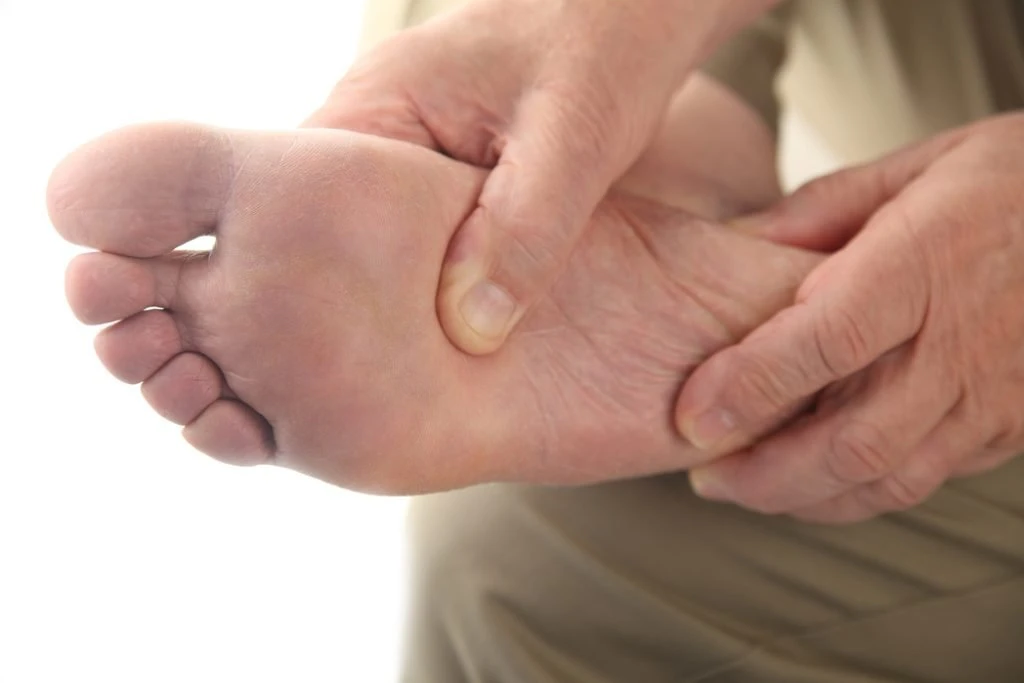
Your feet absorb more punishment than almost any other part of your body. The fat pads that once cushioned every step thin out as you age, circulation slows, skin becomes drier and more fragile, and nerve sensitivity can quietly diminish — all of which means small problems grow faster than they used to. According to the Centers for Disease Control and Prevention, people with diabetes should inspect their feet every single day to catch problems before they become serious. That same daily habit protects every senior, diabetic or not.
This guide covers the situations where foot care matters most, the myths that quietly work against you, the tools that make the job manageable, the mistakes that undo good intentions, and what the whole thing actually costs. Before diving in, it helps to understand what you're up against — read about the 8 ways aging can affect your feet so the advice ahead makes immediate sense.
Contents
Foot care isn't one-size-fits-all. The stakes change depending on your health history, activity level, and what your feet are currently dealing with. Understanding when it matters most helps you put your attention in the right places.
When you live with diabetes, peripheral neuropathy (nerve damage that reduces sensation in the feet), or poor circulation, your feet carry a much heavier burden than most people realize. The real danger is subtle: you may not feel a small cut forming or a blister developing because the nerve damage dulls the signal. That cut can become infected. Left untreated, that infection can escalate into a limb-threatening emergency requiring hospitalization.
Daily visual inspection is non-negotiable when any condition affects your blood flow or nerve function. Check the tops, the bottoms, and between every single toe — every day without exception. Arthritis also changes the picture. Inflamed joints alter your gait (the way your body moves as you walk), shifting pressure to parts of your foot not designed to handle the load. Over time, this creates calluses, bunions, and new pain in places that were never a problem before. Catching these patterns early prevents them from becoming structural damage.
Staying active is genuinely good for your feet. Movement improves circulation, maintains joint flexibility, and strengthens the muscles that support your arch and stabilize your ankle. The key is matching your footwear and terrain to your activity level. A well-cushioned, wide-toe-box shoe absorbs the impact that aging joints can't. If you enjoy outdoor movement, these tips for a light nature walk cover the footwear, terrain, and pacing principles that protect your feet just as much as your knees and hips.
Whether you're healing from bunion surgery, a stress fracture, or a course of plantar fasciitis treatment, the same principle applies in every case: keep the area clean, dry, and protected. Never rush back into regular footwear before your podiatrist (foot doctor) clears you. Premature weight-bearing or compression on a healing structure can undo weeks of progress in a single afternoon. Recovery demands patience, but the payoff is a foot that functions fully — not one that becomes a recurring problem.
A lot of common foot care advice is flat-out wrong — and some of it actively causes harm. These are the three myths most likely to be working against you right now.
Pain is not the only signal that something is wrong. Fungal infections, early-stage ulcers (open sores that develop on the skin), and slow-progressing skin breakdown can all advance without causing any noticeable discomfort — especially when nerve sensitivity has already decreased with age. Waiting for pain before acting is one of the most dangerous habits seniors fall into. Make daily visual inspection a habit, even on days when your feet feel completely normal. Two minutes of looking catches problems that months of waiting will miss.
Many people believe that soaking their feet in warm water every day hydrates the skin and keeps it soft and healthy. The truth is the opposite. Prolonged soaking strips the skin of its natural protective oils, increases dryness, and makes heel cracking significantly worse over time. Keep any foot soak to 10–15 minutes in lukewarm — never hot — water, and only when there's a specific reason for it. Always apply a thick moisturizer immediately after to lock in whatever hydration remains.
Comfort is a starting point, not an endpoint. A shoe that feels soft and cushiony but lacks proper arch support or a firm heel counter can cause long-term structural damage to your foot. Look for a wide toe box that gives your toes room to spread naturally, a cushioned insole, and a secure, adjustable closure that accommodates any swelling that builds through the day. Avoid slides and flip-flops as everyday footwear — when your toes have to grip constantly to keep the shoe on, you're straining your tendons and disrupting the mechanics of your entire stride.
You don't need a medicine cabinet full of products to take care of your feet. You need the right few things, used correctly and consistently.
Good foot hygiene starts with simple supplies: a mild fragrance-free soap, lukewarm water, a soft washcloth, and a clean dry towel. The step most people skip is drying between the toes — but that's exactly where moisture collects and fungal infections begin. If bending is difficult, a long-handled scrub brush or a textured bath mat with bristles makes thorough cleaning possible without straining your lower back. You don't need to skip the job; you need a tool that fits your range of motion.
Thick emollient (oil-based) creams outperform thin lotions on aging skin every time. Apply generously to your heels and soles each night before bed, but skip the spaces between your toes — that area needs to stay dry. For toenails, use clippers with a straight cutting edge and cut straight across, never curved into the corners. Curving the cut is a direct path to ingrown toenails, which are painful and prone to infection. If you're already noticing discoloration, thickening, or brittleness, start by identifying common toenail problems early, before they require professional intervention.

Use this quick-reference table to build the right foot care toolkit without overcomplicating it:
| Tool | Purpose | What to Look For | Approx. Cost |
|---|---|---|---|
| Mild fragrance-free soap | Cleaning without stripping natural oils | No sulfates, no heavy fragrance | $5–$12 |
| Long-handled scrub brush | Reaching soles without bending | Soft bristles, non-slip grip | $8–$20 |
| Thick emollient foot cream | Moisturizing heels and soles nightly | Urea-based or shea butter formulas | $10–$25 |
| Straight-edge nail clippers | Clean, flat toenail trimming | Straight jaw, not curved blade | $8–$18 |
| Moisture-wicking socks | Keeping feet dry throughout the day | Cotton or merino wool, no tight elastic | $10–$30/pack |
| Supportive insoles | Cushioning and arch support in shoes | Replace every 6–12 months | $20–$60 |
Even people who believe they're taking care of their feet often slip up on a few key steps. These are the mistakes that quietly undo your best efforts — often without any obvious warning until a real problem develops.
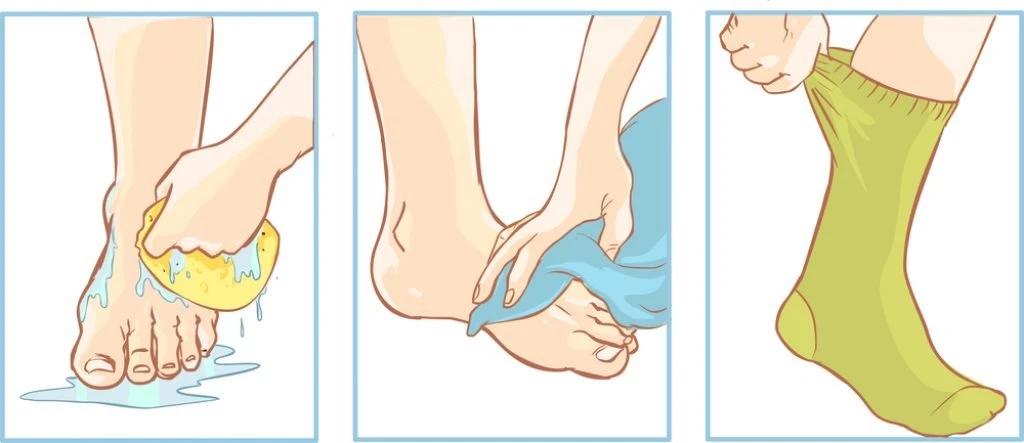
Washing your feet is a good habit. Not drying them thoroughly is where the problem starts. Moisture trapped between your toes creates the exact warm, damp, dark environment that fungal infections thrive in. After every wash, take a clean towel and pat between each toe individually — not just a quick wipe across the top. Don't rub aggressively either. Aging skin is thinner and more fragile, and friction causes irritation that breaks down the protective barrier you're trying to maintain.
The shoes that look best are rarely the ones doing the most for your feet. High heels shift your entire center of gravity forward and compress the toes into an unnatural angle. Pointed toe boxes squeeze the forefoot in ways that contribute to bunions and hammer toes over time. Completely flat shoes with no arch support put strain on the plantar fascia (the band of tissue running along the bottom of your foot) just as much as excessive heel height does. Your footwear affects your posture, your balance, and the long-term health of every joint from your ankles to your hips. Good news: properly fitting, supportive shoes now come in styles that work for most occasions — function and appearance are not mutually exclusive.
One of the most common reasons people put off proper foot care is the assumption that it's expensive. It isn't — at least not the parts that matter most.
The most effective foot care habits cost absolutely nothing. Daily inspection takes two minutes. Drying between your toes adds ten seconds to your existing shower routine. Cutting your toenails straight across costs only the price of a quality pair of clippers — an investment you'll use for years. These habits, done consistently, are what prevent the conditions that eventually require costly treatments. The expense of neglect is almost always higher than the cost of prevention.
Annual visits to a podiatrist are worth budgeting for, especially if you have diabetes, arthritis, or circulation problems. A podiatrist can identify developing problems you can't feel or see, safely treat thickened toenails and calluses that have become too difficult to manage at home, and prescribe custom orthotics (shoe inserts molded specifically to your foot's shape) when over-the-counter options aren't enough. Use this table to estimate what different levels of care typically run:
| Level of Care | What's Included | Estimated Annual Cost |
|---|---|---|
| Basic daily care | Soap, nail clippers, moisturizer, socks | $30–$70/year |
| Quality footwear | Supportive shoes with proper fit | $60–$150/pair (1–2 pairs) |
| OTC insoles | Cushioning and arch support | $20–$60 |
| Podiatrist visit | Checkup, nail care, skin assessment | $50–$200 (insurance often covers) |
| Custom orthotics | Prescription molded shoe inserts | $200–$600 (frequently covered with Rx) |
For most seniors without complex structural issues, basic daily habits plus a good pair of shoes and one annual podiatrist visit covers everything. The custom orthotics and specialist visits are reserved for when symptoms signal a real underlying problem — not a routine expense for everyone.
Wash your feet once daily with mild soap and lukewarm water. The more important step is what comes after — dry thoroughly between every toe to prevent moisture buildup that leads to fungal infections. Over-washing or prolonged soaking strips protective oils and causes the dry, cracked skin you're trying to avoid.
Look for a thick emollient cream — not a thin lotion — formulated with urea, shea butter, or glycerin. These ingredients draw moisture into the skin and hold it there. Apply to your heels and soles nightly, and skip the spaces between your toes. Urea-based creams at concentrations of 10–25% are especially effective for stubborn dry or cracked heels.
Schedule an annual visit regardless of symptoms if you have diabetes, poor circulation, or arthritis. Outside of routine checkups, see a podiatrist promptly if you notice a wound that isn't healing within a few days, signs of infection such as redness or swelling, significant changes in nail texture or color, new or worsening pain, or numbness that wasn't there before. Don't wait to see if it resolves on its own.


About Mehnaz
Mehnaz is the founder and editor of RipPain, a health resource site dedicated to helping readers navigate pain management, recovery, and medical device research. Her work on the site is driven by personal experience caring for seriously ill family members, which led her to study evidence-based guidance from physicians, pain specialists, and published medical research. She curates and summarizes expert medical insights to make credible health information accessible to everyday readers.
You can get FREE Gifts. Or latest Free phones here.
Disable Ad block to reveal all the info. Once done, hit a button below
 Mehnaz