
The most effective ways to improve circulation in your feet and ankles involve movement, compression, elevation, and consistent daily habits — and many of these strategies cost you nothing. Poor circulation in the lower extremities is not just a minor inconvenience; left unaddressed, it can lead to nerve damage, skin breakdown, and chronic swelling that becomes increasingly difficult to reverse. If your feet regularly feel cold, numb, or heavy by mid-afternoon, targeted action can change that quickly. Explore our foot care hub for additional guides on keeping your feet healthy and pain-free.
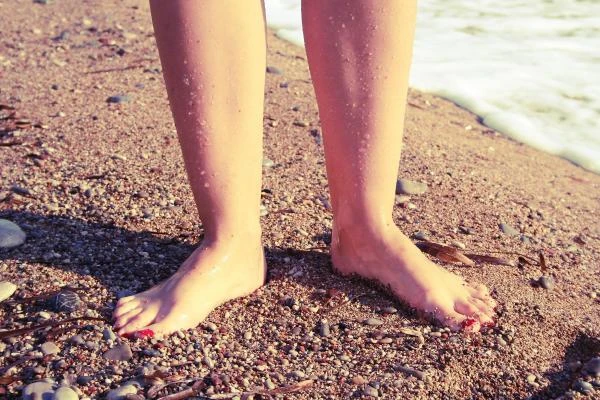
Your feet and ankles sit at the bottom of a long circulatory loop. Blood travels down through arteries with gravity's help, but returning it upward through veins requires the active pumping action of your lower leg muscles. When you stay in one position for hours, that muscular pump stops working, blood pools in the lower legs, and tissues begin to starve for oxygen. The result is swelling, tingling, cramping, and a dull heaviness that many people write off as normal — it isn't.
Whether you're managing a chronic condition like peripheral artery disease, recovering from an injury, or simply spending too many hours at a desk, the strategies in this guide give you a clear, evidence-based path forward. You don't need expensive equipment or a gym membership — just the right knowledge and the discipline to apply it consistently.
Contents
You don't need to overhaul your entire lifestyle to feel a difference. A handful of targeted micro-movements, done consistently throughout the day, are enough to restart the venous pump and get blood moving again. Think of these as your baseline — the foundation everything else builds on.
Ankle rotations are one of the most effective tools you have, and you can do them anywhere — seated at your desk, in the car, or in bed before you get up in the morning. Rotate each ankle 10 times clockwise, then 10 times counterclockwise. Follow that with 20 toe curls and 20 toe extensions. This sequence activates the small intrinsic muscles of the foot and stimulates venous return within minutes of starting.
Calf raises are equally powerful. Stand at a counter or chair back, rise onto your toes, hold for two seconds, and lower slowly. Do 15 repetitions every hour when you're spending long periods seated or standing. The calf muscle is often called the "second heart" because it actively squeezes deep veins with every contraction, pushing blood upward against gravity. Without this pump working, blood has nowhere to go but down.
Do 15 calf raises every hour during long sedentary periods — it takes under 60 seconds and dramatically reduces venous pooling in the lower legs.
A 20-minute walk activates every major muscle group in the lower leg, generates rhythmic venous compression, and raises your heart rate enough to increase arterial pressure throughout your feet and ankles. It costs nothing, requires no equipment, and the evidence supporting it is overwhelming. If you're currently sedentary, start with 10-minute walks twice a day and build from there. Consistency matters far more than intensity — a daily 20-minute walk outperforms an occasional 90-minute session by a wide margin when it comes to sustained circulatory improvement.
Not every case of cold or swollen feet signals a serious medical problem, but some symptoms are genuine warning signs that require professional evaluation. Knowing the difference protects you from both overreacting to minor issues and dismissing something that needs treatment.
Seek medical evaluation promptly if you notice wounds or sores on your feet that heal slowly or not at all, persistent discoloration such as blue, purple, or mottled skin, sudden one-sided swelling with no obvious cause, or severe pain in the legs during walking that resolves completely with rest — a pattern clinically known as claudication. These symptoms can indicate peripheral artery disease, deep vein thrombosis, or advanced diabetic neuropathy — conditions that require professional management, not self-care routines.
Numbness that doesn't resolve with movement, visible varicosities that become warm and tender, or any sudden change in skin temperature of one foot compared to the other are also signals to act on quickly. Don't wait to see if they improve on their own over weeks. The window for effective intervention narrows as these conditions progress.
General coldness in both feet, mild swelling after a long day of sitting or standing, occasional pins-and-needles that resolve when you move around, and mild achiness through the ankles are all symptoms that respond well to the strategies in this guide. These patterns typically reflect venous insufficiency or simple inactivity rather than arterial disease, and they're highly responsive to consistent lifestyle changes.
Track your symptoms over two to four weeks of applying these strategies. If you see consistent improvement, you're on the right track. If symptoms worsen, plateau at a problematic level, or include any of the red flags above, schedule an appointment with your primary care physician or a vascular specialist.
Certain products meaningfully support circulation improvement — and a few are genuinely worth the investment. The key is choosing tools that match your specific situation and using them correctly, rather than relying on marketing promises.
Graduated compression socks apply the most pressure at the ankle and gradually reduce it up the calf — exactly the mechanical support your veins need when muscular activity alone isn't enough. They're particularly valuable for long flights, extended work shifts that require standing, and for anyone with mild venous insufficiency. If you're also dealing with foot pain or plantar fasciitis alongside poor circulation, our guide to the best compression socks for plantar fasciitis covers options engineered to address both issues simultaneously.
For general daily use, look for compression socks in the 15–20 mmHg range. If you have more pronounced swelling or are recovering from surgery, 20–30 mmHg provides stronger support. Medical-grade options are worth the additional cost — they maintain consistent compression throughout the day, unlike cheaper alternatives that lose tension after a few hours of wear.
Electric foot massagers and percussion tools stimulate blood flow through rhythmic compression and vibration in the soft tissue, mimicking the effect of manual massage without the effort. They're especially useful at the end of a long day when your muscles are too fatigued for active exercises. For a detailed breakdown of what to look for, our resource on how to choose the right foot massager covers the key features and the common traps buyers fall into.

Whether you're using a device or your own hands, always work in an upward direction — from the foot toward the knee. This technique follows the direction of venous flow and actively supports blood return to the heart. Massaging downward provides far less benefit and can, in certain conditions, work against you.
| Method | Cost | Time Required | Best For | Evidence Level |
|---|---|---|---|---|
| Ankle rotations / calf raises | Free | 2–5 min per session | Daily prevention, everyone | Strong |
| Walking (20+ min) | Free | 20–30 min per day | General circulation, weight management | Strong |
| Graduated compression socks | $15–$60 | Worn all day | Venous insufficiency, long work shifts | Strong |
| Electric foot massager | $50–$200 | 15–30 min per session | End-of-day swelling, muscle fatigue | Moderate |
| Leg elevation | Free | 15–20 min per session | Acute swelling, post-exercise recovery | Strong |
| Contrast water therapy | Free | 10–15 min per session | Vascular adaptation, recovery | Moderate |
Quick fixes produce short-term relief. The lasting transformation comes from building circulation-supportive behaviors into your daily structure — habits that don't require extra time so much as they require consistent attention to how you're already spending your day.
Dehydration increases blood viscosity, making it harder for your heart to push blood through the small vessels of the extremities. Drinking adequate water — roughly 2 to 2.5 liters per day for most adults — is one of the simplest ways to support healthy circulation, and it's also one of the most consistently ignored recommendations in foot health.
Nutritionally, certain foods produce direct improvements in vascular function. Nitrate-rich vegetables like beets, spinach, and arugula promote nitric oxide production, which relaxes and dilates blood vessel walls. Omega-3 fatty acids found in fatty fish, walnuts, and flaxseed reduce arterial inflammation over time. Flavonoids in dark berries and dark chocolate have demonstrated vasodilatory effects in clinical research. Conversely, a high-sodium diet increases fluid retention and peripheral swelling — reducing processed food intake produces measurable improvements in ankle swelling within days for many people.
Elevating your legs above heart level for 15–20 minutes allows gravity to assist venous return without any muscular effort required. Do this after long sitting or standing sessions and you'll notice a significant reduction in ankle swelling within that window. Use a wedge pillow or simply prop your feet on two stacked pillows while lying flat on your back.
Sleep position matters more than most people realize. If you regularly wake with foot swelling, try elevating the foot of your bed by a few inches using bed risers. This slight incline maintains passive drainage throughout the night. Avoid sleeping in positions where your legs are compressed beneath you for hours at a time — this restricts venous outflow in a sustained way that morning calf raises can't fully undo.
Misinformation about circulation is widespread, and following bad advice wastes your time at best — and worsens your condition at worst. Here's what the evidence actually says about the most persistent myths.
Circulation problems affect people at every age. Prolonged sitting, smoking, sedentary work, poor diet, and excess body weight are all significant risk factors — and none of them have an age floor. Young adults in desk jobs, people with early-onset diabetes, and those who smoke can develop measurable circulatory impairment in their twenties and thirties. Age accelerates the risk, but it doesn't create it.
This myth causes real harm because it leads younger people to dismiss symptoms that genuinely warrant attention and action. If you're 28 years old with chronically cold feet and persistent ankle swelling, your age doesn't mean those symptoms are normal — it just means the underlying cause may differ from what it would be in an older adult. The appropriate response is still the same: investigate and address it.
Warm water does dilate surface blood vessels and provides temporary symptomatic relief — there's no question that a warm foot soak feels good. But it doesn't address the underlying mechanisms of poor circulation, and for people with arterial insufficiency or diabetic neuropathy, hot water poses a genuine burn risk because reduced sensation prevents them from detecting dangerous temperatures.
Contrast therapy — alternating between warm and cool water — has more robust evidence behind it for driving lasting circulatory adaptation. Two minutes in warm water followed by 30 seconds in cool water, repeated three to four cycles, triggers vasodilation and vasoconstriction in sequence, improving overall vascular responsiveness. Think of it as training your blood vessels, not just warming them temporarily.
If you have diabetes or reduced foot sensation, avoid hot foot soaks entirely — nerve damage means you won't feel a burn until real tissue damage has occurred. Always test water temperature with your elbow first.
While healthy circulation benefits everyone, certain groups see the most dramatic improvements — and carry the greatest risk if they don't address the problem proactively.
If you spend six or more hours a day seated, your lower leg muscles are essentially inactive for the majority of your waking life. The venous pump that depends on those muscles stops functioning, and blood pools in the veins of your calves and ankles. Over months and years, this creates a pattern of chronic low-grade insufficiency that progressively worsens without targeted intervention.
The solution is straightforward: break up sitting time deliberately. Stand or take a brief walk every 45 to 60 minutes, do ankle exercises at your desk between tasks, and use a standing desk for part of the day if one is available to you. These micro-interventions are enough to prevent the most significant consequences of prolonged sitting on lower-extremity circulation — but only if you actually do them consistently rather than knowing about them in theory.
For people with diabetes, circulation impairment is both more likely and more dangerous than in the general population. Elevated blood glucose damages arterial walls and peripheral nerves simultaneously, reducing both blood flow and the sensation that normally alerts you to developing problems. Diligent foot care, daily circulation exercises, and regular medical monitoring are non-negotiable for this group — not optional add-ons.
People with peripheral artery disease or significant varicose veins benefit from many of the same interventions — particularly walking, compression, and elevation — but should work with a vascular specialist to determine what level of activity and compression pressure is appropriate for their specific condition. Not all compression is safe for severe PAD; high external pressure can further restrict already-limited arterial inflow and produce serious consequences.
Knowing what helps is only half the equation. Putting it into a practical daily structure is what separates people who improve their circulation from those who stay stuck. This routine fits into a real day, not an idealized one.
Before you get out of bed, spend 60 seconds on ankle rotations — 10 rotations each direction per ankle — followed by 20 toe curls. This prepares your venous system for the load of being upright before you even stand. Once you're up, take a 5-minute walk around your home before sitting down for breakfast or work. Put on your compression socks before your feet have been on the floor for more than a few minutes — this is when veins are still partially decompressed from lying down and the socks can provide maximum benefit from the start.
If time allows, eat something with circulation-supportive nutrients. A smoothie with spinach, mixed berries, and a tablespoon of flaxseed takes three minutes to make and delivers nitrates, flavonoids, and omega-3s in a single serving — a straightforward way to support your vascular system before the day begins.
After a day of sitting or standing, your lower legs need active recovery, not just rest. Spend 15 minutes with your legs elevated above heart level, either propped on a sofa cushion or on a wedge pillow while lying down. Follow that with 5 minutes of firm, upward self-massage from the soles of your feet to just below the knees. This combination — elevation followed by upward massage — clears pooled blood and lymphatic fluid more efficiently than either technique alone.
If you have an electric foot massager, use it during your elevation session. The mechanical stimulation combined with gravity-assisted drainage produces faster results than either approach in isolation. End with 10 minutes of gentle walking if your energy allows. Going to bed with unaddressed ankle swelling simply means starting tomorrow already behind — the fluid doesn't drain itself overnight without some assistance.
You can follow all the right advice and still undermine your progress with a handful of common habits. These mistakes are easy to overlook precisely because they don't cause immediate pain — they just slowly erode your progress in the background.
Shoes that are too tight in the toe box or across the top of the foot compress the small blood vessels running through those areas, restricting circulation directly at the source. High heels alter calf mechanics in a way that reduces the pumping efficiency of the gastrocnemius and soleus muscles — two of the primary drivers of venous return from the lower leg. Completely flat shoes create a different problem, allowing overpronation that stresses the plantar fascia and indirectly alters how load is distributed through the ankle with every step.
Wear shoes that match your foot's actual shape, provide adequate arch support, and have a moderate heel height between 0.5 and 1.5 inches. Socks that are too tight around the ankle or calf band also restrict circulation — if removing your socks leaves a deep red indentation in the skin, they're too constricting for circulatory health regardless of how comfortable they feel.
Crossing your legs at the knee for extended periods compresses the popliteal vein behind the knee — a major vessel responsible for venous drainage from the entire lower leg. This is one of the most common causes of unilateral foot swelling and numbness in otherwise healthy people, and most people don't realize they're doing it habitually for hours every day. Sit with both feet flat on the floor whenever possible. If you need to cross your legs, cross at the ankle instead — this has a far smaller impact on deep vein compression.
Prolonged slouching also contributes to the problem by compressing abdominal vessels and altering pelvic alignment in ways that restrict femoral circulation. Good seated posture — hips at 90 degrees, feet flat on the floor, lumbar spine supported — functions as a circulatory intervention as much as a comfort or ergonomic one. The two goals are inseparable in practice.
Most people notice some improvement within one to two weeks of consistent effort — less swelling, less coldness, and fewer tingling episodes. Meaningful, lasting improvement in vascular function typically develops over six to twelve weeks of daily practice. The timeline depends on how severe your current impairment is and how consistently you apply the strategies outlined here.
For most people with lifestyle-related circulation issues — sedentary habits, poor diet, mild venous insufficiency — significant reversal is genuinely achievable through consistent exercise, dietary changes, and appropriate compression. For those with structural arterial disease or advanced diabetes-related damage, the goal shifts toward management and preventing further decline rather than full reversal. Early intervention gives you the best chance of substantial recovery.
Alternating heat and cold — contrast therapy — produces the best results for driving lasting circulatory adaptation. Heat alone dilates vessels temporarily but doesn't train the vascular system. Cold alone constricts vessels initially before prompting reactive dilation afterward. Alternating the two — two minutes warm to 30 seconds cool, repeated three to four cycles — creates a pumping effect in the vasculature that neither consistent heat nor cold alone can replicate.
Yes — both manual and device-assisted massage improve local circulation when applied correctly. Direction is critical: always massage upward from the toes toward the knee to support venous return rather than working against it. Deep, firm pressure stimulates the venous system more effectively than light stroking. Even five minutes of firm upward massage at the end of the day reduces ankle swelling and supports overnight recovery in the lower extremities.


About Mehnaz
Mehnaz is the founder and editor of RipPain, a health resource site dedicated to helping readers navigate pain management, recovery, and medical device research. Her work on the site is driven by personal experience caring for seriously ill family members, which led her to study evidence-based guidance from physicians, pain specialists, and published medical research. She curates and summarizes expert medical insights to make credible health information accessible to everyday readers.
You can get FREE Gifts. Or latest Free phones here.
Disable Ad block to reveal all the info. Once done, hit a button below
 Mehnaz