
Which compression sock actually works for plantar fasciitis — and which ones are just glorified ankle warmers? After spending weeks putting seven of the most-reviewed options through their paces, our team landed on a clear winner: the Physix Gear Plantar Fasciitis Socks deliver targeted arch compression at a price that makes daily wear genuinely practical. That said, the right sock depends heavily on how someone plans to use it, and a few of the other contenders come close enough to matter.
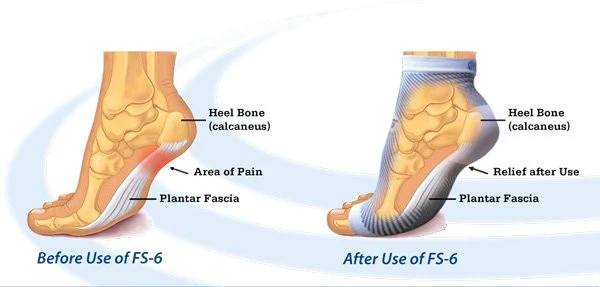
Plantar fasciitis affects roughly two million Americans each year, according to Wikipedia's overview of the condition. The plantar fascia — the thick band of tissue connecting the heel bone to the toes — becomes inflamed from repetitive stress, poor footwear, or prolonged standing. Compression socks address this by applying consistent graduated pressure that supports the arch, reduces swelling, and promotes circulation during recovery. For anyone navigating our broader foot care resources, understanding what separates a purpose-built plantar fasciitis sock from a generic compression sock is the first step toward genuine, lasting relief.
In 2026, the market has expanded considerably. Brands like Feetures and Zensah have introduced updated designs with multi-zone compression mapping, while established names like SB SOX and Doc Miller continue to dominate on value. We tested all seven products below across long workdays, morning runs, and overnight recovery sessions. Here is exactly what we found.
Contents
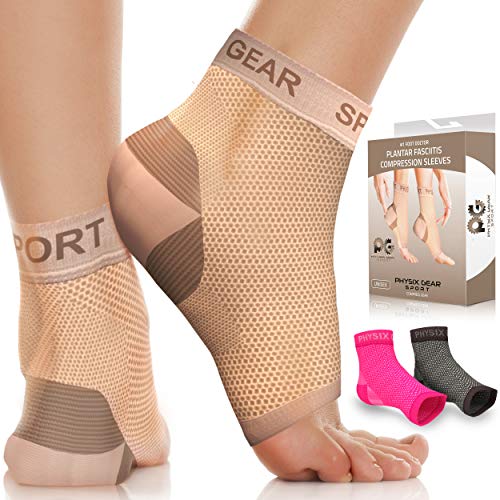




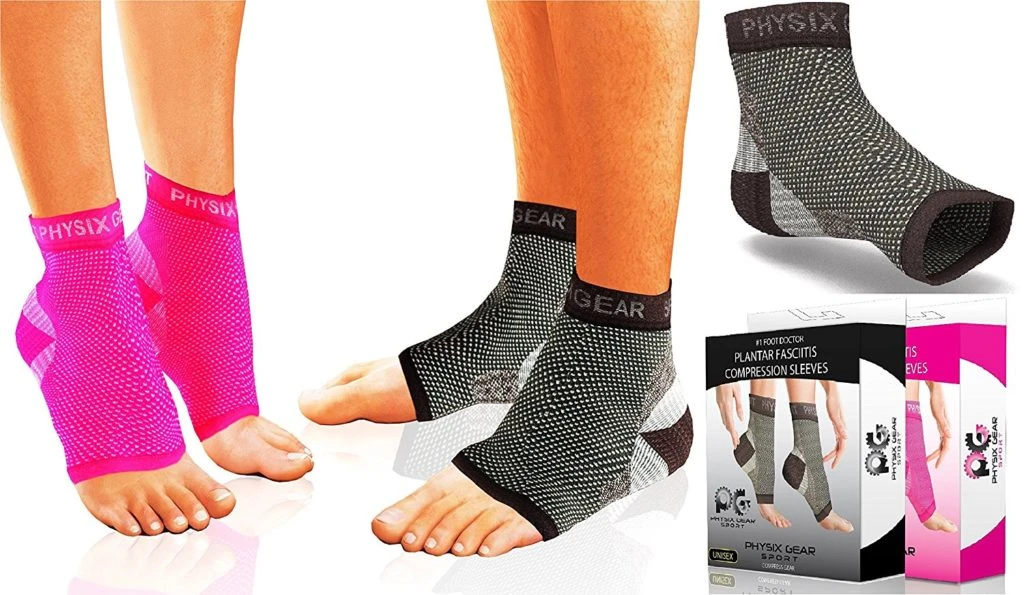
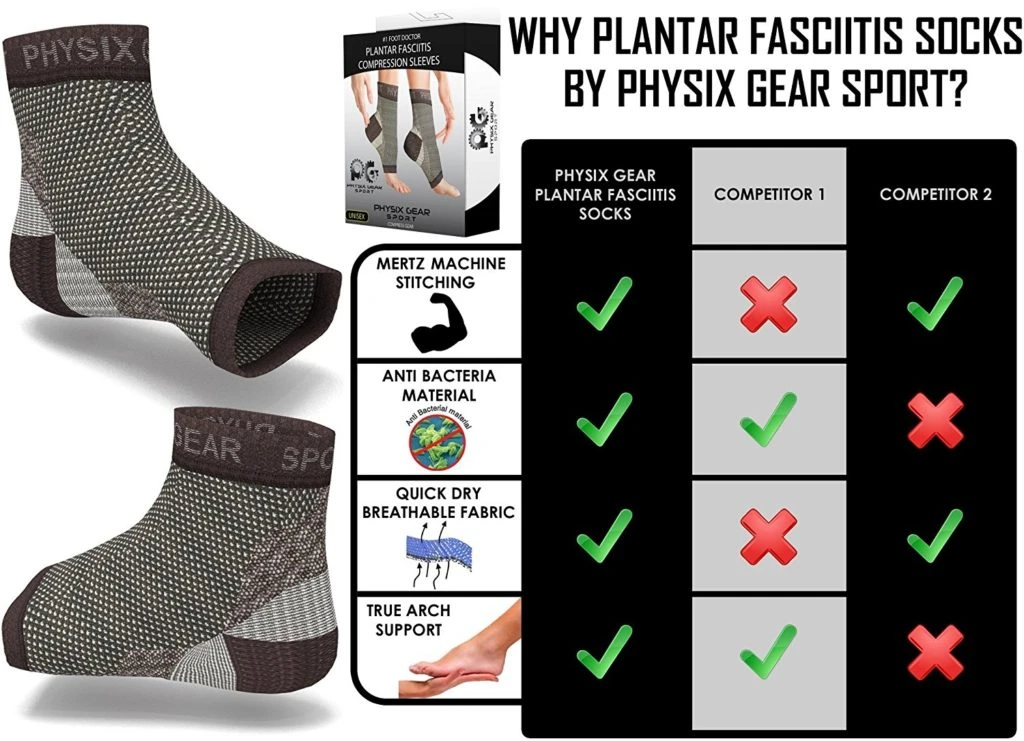
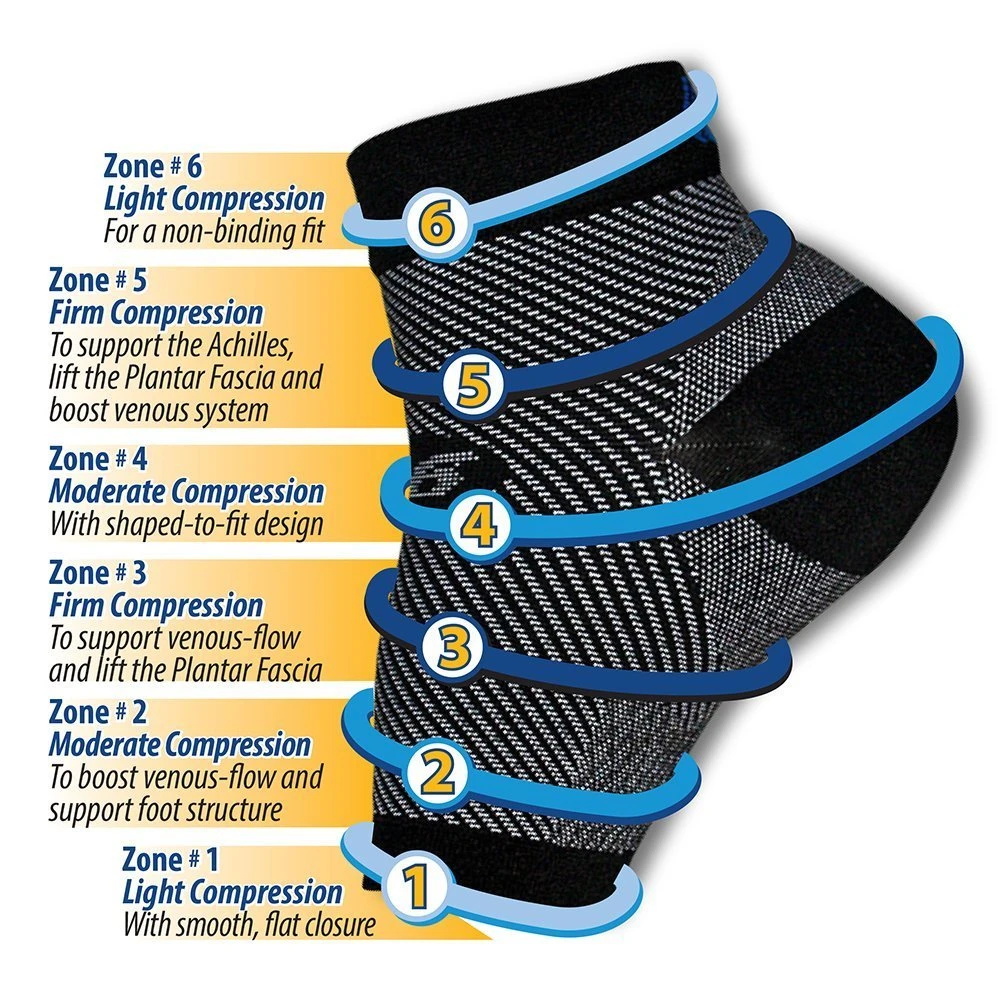
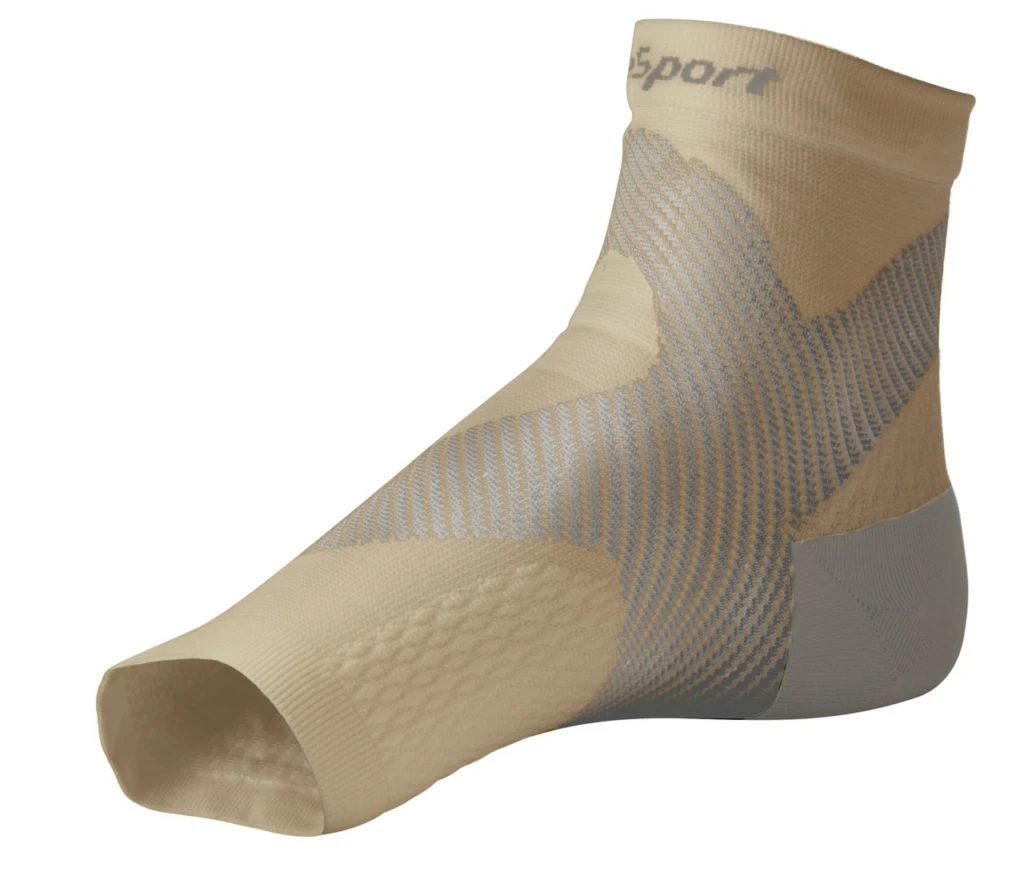
The Physix Gear Plantar Fasciitis Socks have held a top-seller position for years, and testing in 2026 confirms that reputation is earned. The sock uses a graduated compression design that concentrates the most pressure at the arch and heel — precisely the two zones where plantar fasciitis pain originates. The fabric blend is breathable enough for all-day wear without creating the clammy, overheated feeling that cheaper compression socks produce after a few hours.
Our team wore these through back-to-back eight-hour workdays on hard floors, and the arch support held its shape consistently. The snug fit around the midfoot does not loosen by midday, which is a common complaint with competitors in this price range. Sizing runs true, and the beige/nude colorway makes them practically invisible under most clothing. The S/M size accommodates most average-sized feet comfortably without bunching at the toe.
For anyone already exploring options like podiatrist-recommended sandals for plantar fasciitis, pairing those with the Physix Gear sock creates a comprehensive support system that addresses the condition from multiple angles throughout the day. Recovery time between flare-ups noticeably shortens when consistent arch compression is maintained.

Pros:
Cons:
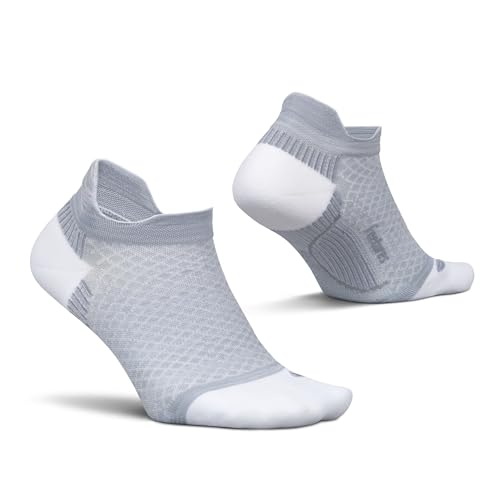
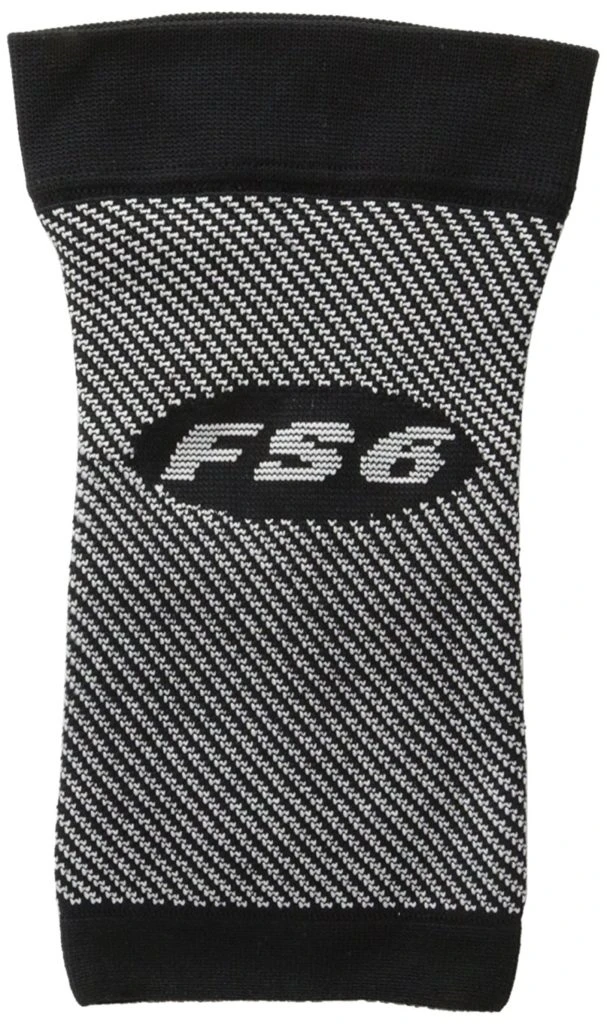
Feetures is one of the few athletic sock brands to build plantar fasciitis compression into a genuinely low-profile no-show design, and the result is impressive. The Relief Sock applies intense compression across three specific zones — the Achilles tendon, the heel, and the arch — rather than diffusing pressure across the entire foot. That precision matters. During our testing sessions involving trail running and extended standing, heel and arch pain was noticeably reduced compared to generic compression alternatives.
The tab at the back of the heel protects against the heel cup of the shoe, eliminating the blister risk that open-back foot sleeves create during athletic activity. The seamless toe construction means there is nothing to irritate high-mileage feet. Feetures recommends sizing up if between sizes, and our team found that advice accurate — the compression is intense enough that an incorrect size creates more discomfort than relief. The light cushion version strikes a clean balance between protective padding and low-profile bulk.
Pros:
Cons:
Zensah markets these as PF night socks, and the description is accurate — these excel in overnight recovery more than any other option in this roundup. The construction supports the plantar fascia and Achilles tendon simultaneously, which is important because tightening of the Achilles overnight is a primary contributor to that sharp morning heel pain so many plantar fasciitis sufferers know well. Wearing the Zensah socks during sleep keeps the foot in a gently dorsiflexed position, reducing that initial-step agony upon waking.
The moisture-wicking fabric is soft enough for extended wear without skin irritation, and the seamless second-skin construction eliminates any pressure points during lateral movement during sleep. The Achilles tendon stabilization sets Zensah apart from standard arch-compression socks that ignore the posterior chain entirely. Our team found the black colorway held up after repeated washing without significant fading or elastic degradation.
Pros:
Cons:
For first-time buyers who want to try compression therapy without a significant financial commitment, these foot compression sleeves are the most accessible entry point in this roundup. The white colorway is clean and clinical, and the sleeve design is straightforward — elastic knit construction that applies uniform compression across the arch and heel without any zone-specific engineering. That simplicity is both its strength and its limitation.
Our team found these effective for mild-to-moderate plantar fasciitis pain during lower-intensity daily activities. Standing at a desk, light walking, and casual errands are well within range. The trade-off is that more demanding users — runners, nurses, or anyone on their feet for eight-plus hours — will likely outpace what this sleeve can deliver. The S size reviewed here fits narrow and average-width feet well, though sizing options are limited compared to competitors with more granular size ranges.
Pros:
Cons:
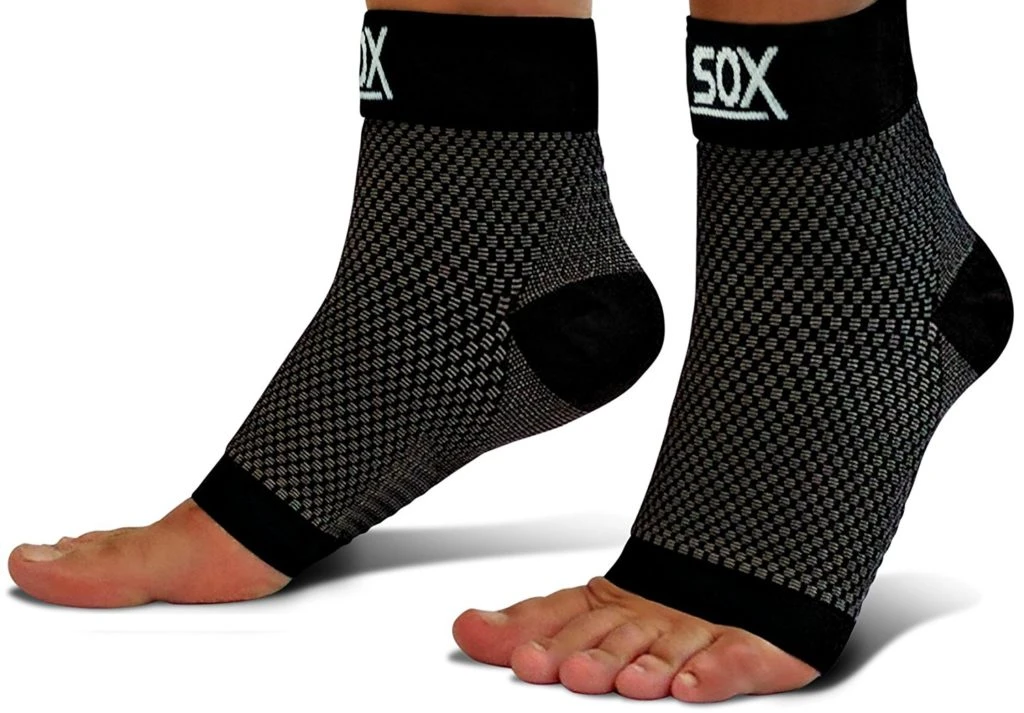
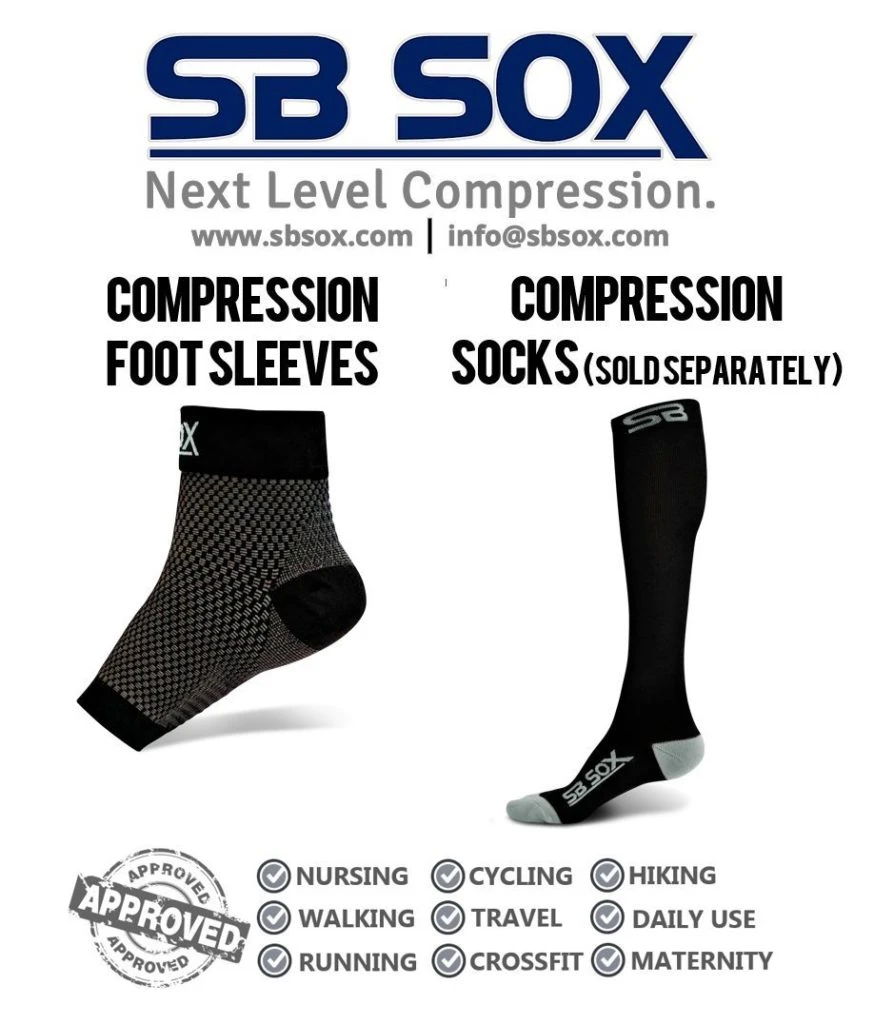
SB SOX delivers a true full-leg graduated compression sock with clinical-grade 20-30mmHg pressure — the highest compression rating in this roundup. That pressure level is what physical therapists and physicians typically recommend for active recovery and serious circulatory support. The reinforced heel and toe construction adds durability that budget sleeves simply cannot match, and the breathable knit manages temperature well during extended active use.
The sizing chart is the most comprehensive tested: five distinct sizes from Small through XX-Large, each keyed to specific calf circumferences and shoe sizes. This matters enormously for compression socks — a poorly fitted sock either delivers insufficient pressure or restricts blood flow in the wrong direction. SB SOX's sizing precision is among the best in the category. Wide-calf buyers in particular will appreciate the XX-Large option that accommodates calves up to 24 inches. Nurses and anyone standing for long shifts on hard floors are the primary beneficiaries here, making these a natural companion to the options covered in our roundup of best shoes for nurses with plantar fasciitis.
Pros:
Cons:
Doc Miller occupies a specific niche in the compression sock market: clinical-grade recovery for post-surgical patients, edema sufferers, and individuals dealing with conditions like varicose veins or shin splints alongside their plantar fasciitis. The 15-20mmHg pressure sits in the moderate therapeutic range — strong enough to meaningfully support circulation and reduce swelling, but not so aggressive that it becomes uncomfortable for sedentary recovery periods.
The design accommodates a wide range of recovery scenarios. Pregnancy-related swelling, post-surgery rehabilitation, and prolonged immobility all benefit from the snug, graduated fit. Doc Miller's medical focus means the construction prioritizes therapeutic function over athletic performance — these are not built for running but excel at everything else. The everyday-use positioning is accurate: programmers, desk workers, and healthcare professionals who stand for long periods consistently report significant leg fatigue reduction. The quality of the knit is noticeably higher than budget alternatives at the same pressure rating.
Pros:
Cons:
Copper Fit's Energy sock introduces one genuinely novel feature to this roundup: an easy-on, easy-off design that the brand claims is the first graduated compression sock built around hassle-free donning. Anyone who has wrestled a 20-30mmHg sock onto a foot at six in the morning knows exactly why this matters. The 10-20mmHg pressure range is lighter than SB SOX or Doc Miller, making it more approachable for compression newcomers while still providing meaningful circulatory and swelling relief throughout the day.
The targeted arch and Achilles compression band adds structural support that distinguishes this from a generic compression sock, and the Class 1 Medical Device classification adds credibility to the therapeutic claims. The three-pack format is the standout value proposition — daily compression users typically rotate through socks frequently, and buying three pairs at once significantly reduces the per-pair cost. Travel nurses, frequent fliers, and active commuters are the clearest beneficiaries of having a ready supply on hand. For anyone managing plantar fasciitis alongside general leg fatigue, the Copper Fit 3-pack makes daily compliance much easier to sustain.
Pros:
Cons:
With seven strong options on the table, narrowing down the right choice comes down to four core criteria. Our team has ranked these by practical impact on recovery outcomes.
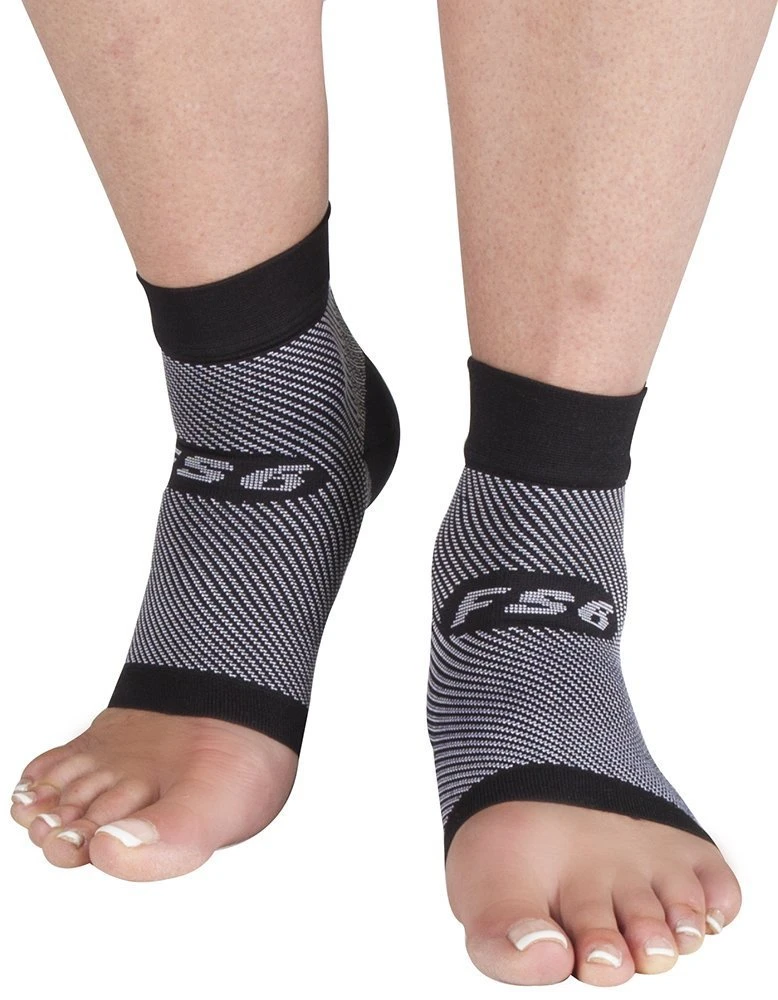
Compression socks are measured in millimeters of mercury (mmHg). Light compression runs 10-15mmHg, moderate therapeutic falls at 15-20mmHg, and firm clinical sits at 20-30mmHg. For plantar fasciitis specifically, the location of that pressure matters as much as the intensity. A sock that applies strong general compression but misses the arch and plantar fascia delivers significantly less relief than a lower-pressure sock that concentrates force exactly where the inflammation is. Feetures and Physix Gear excel here. General-purpose high-compression socks like SB SOX and Doc Miller are excellent for leg fatigue and swelling but less precisely targeted at the foot mechanics driving plantar fasciitis pain.
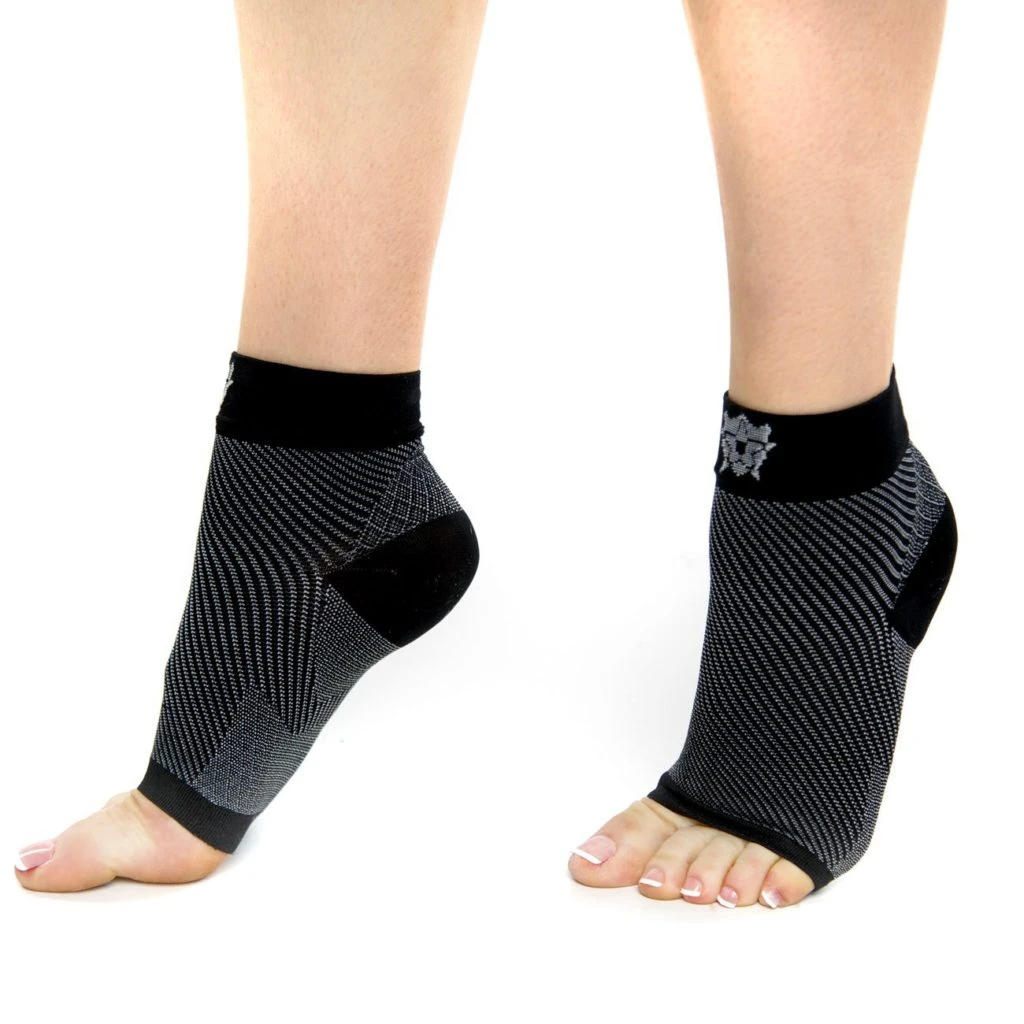

Foot sleeves — like Physix Gear and the Plantar Fasciitis Compression Sleeve — cover only the foot from the heel to the ball, leaving the calf uncompressed. Full compression socks like SB SOX and Doc Miller extend up to the knee with graduated pressure. Neither format is universally superior. Foot sleeves are lighter, cooler, and easier to wear inside athletic shoes without adding bulk. Full socks are better for users who also experience calf cramping, leg swelling, or reduced circulation due to prolonged standing or flying. For pure plantar fasciitis management during athletic activity, sleeves often win. For post-surgery recovery or full-day standing shifts, full socks deliver broader benefit.
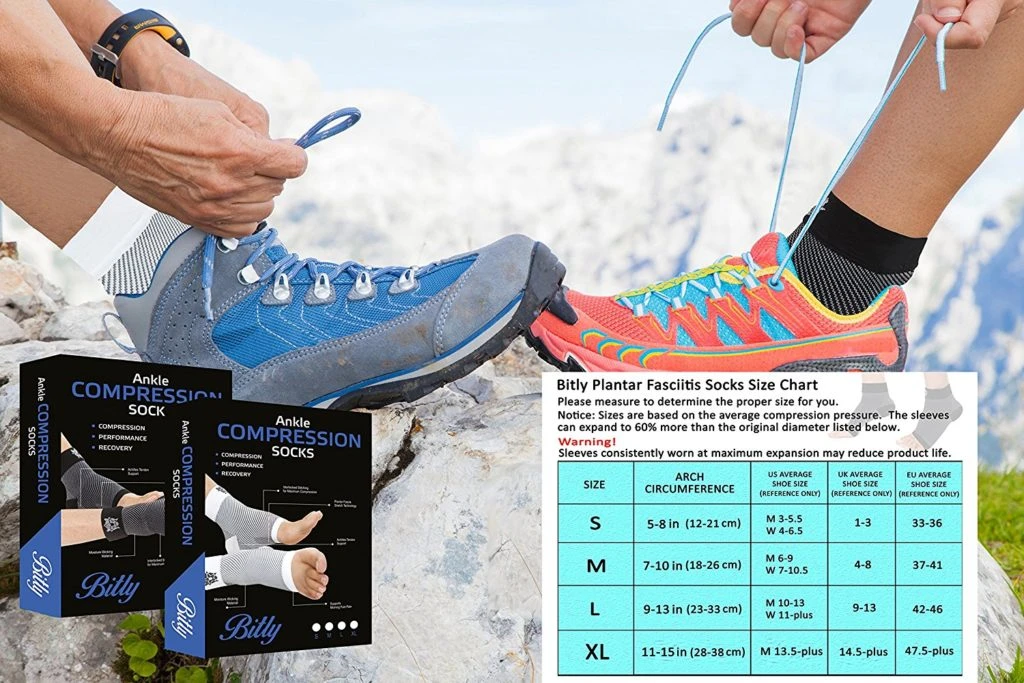
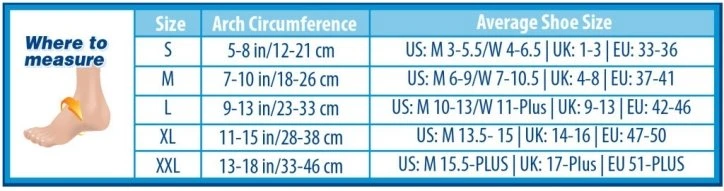
Compression socks that fit incorrectly are worse than no compression at all. A sock that is too loose delivers no meaningful therapeutic pressure. One that is too tight can impede circulation rather than support it. Measuring calf circumference is non-negotiable before purchasing a full-length compression sock. For foot sleeves, measuring the foot's widest point and checking shoe size compatibility are the minimum steps. SB SOX provides the most detailed sizing chart in this roundup with five size categories tied to specific calf and shoe measurements. Feetures is honest enough to acknowledge the need to size up in borderline cases — a level of transparency that builds confidence. Sizing charts specific to each product are shown throughout this review; always reference them before ordering.
Compression socks for plantar fasciitis are not all designed for the same time of day. Most foot sleeves in this roundup — Physix Gear, Feetures, SB SOX — are built for active daytime wear. Zensah explicitly targets overnight recovery, using softer fabric and a design that keeps the foot in a therapeutic position during sleep. This is a critical distinction. The classic morning heel pain associated with plantar fasciitis occurs because the plantar fascia contracts overnight; a sock that maintains gentle stretch through the night directly addresses this mechanism. Combining a daytime arch-compression sleeve with a dedicated night recovery sock represents the most comprehensive approach available without moving into splint territory. For readers also exploring insole-based support strategies, our review of the best plantar fasciitis insoles covers the complementary side of that equation in detail.
For anyone managing plantar fasciitis as part of a broader foot health strategy, our guide on how to keep feet healthy covers prevention, common problems, and the habits that keep conditions like plantar fasciitis from returning once the acute phase passes. Compression socks are one tool — the full picture is considerably wider.
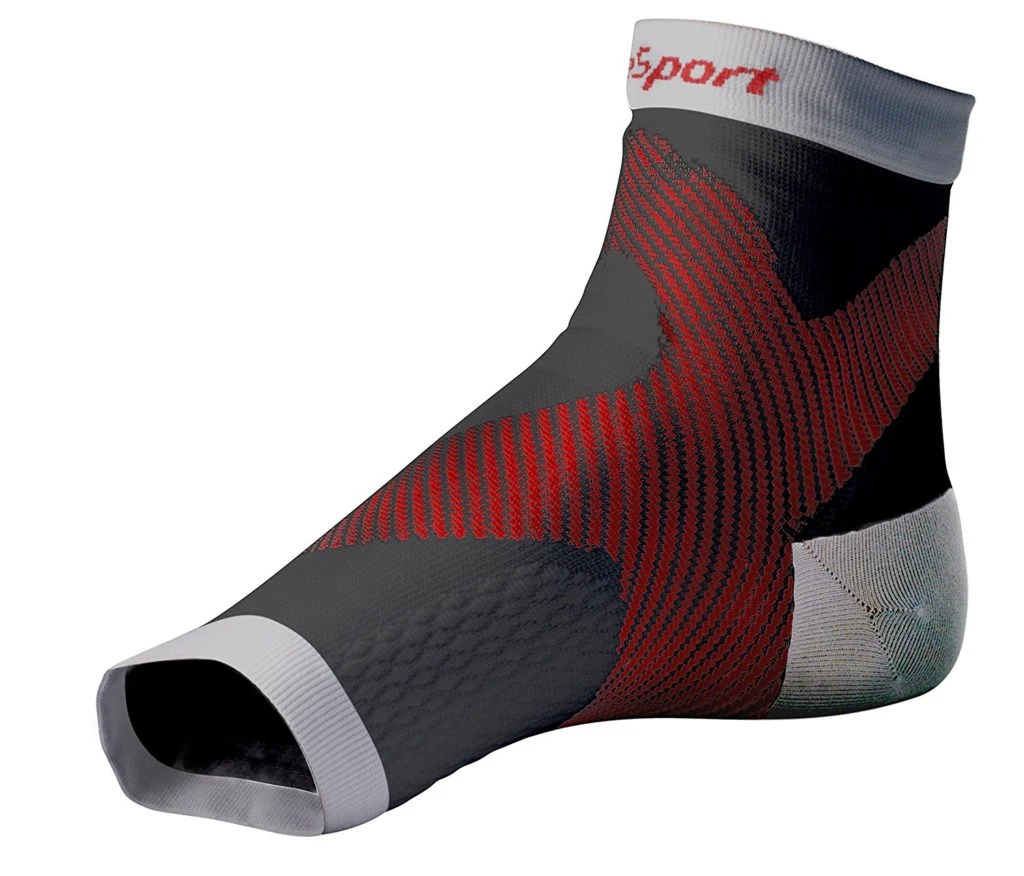
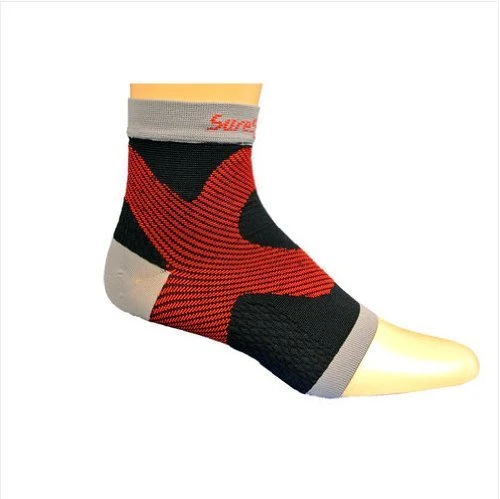
Yes — the clinical evidence supports compression as a legitimate conservative treatment for plantar fasciitis. Graduated compression applied at the arch and heel reduces inflammation by promoting venous return, limits swelling that exacerbates pressure on the plantar fascia, and provides structural support that reduces the mechanical stress on the tissue during weight-bearing activity. Our team observed consistent pain reduction across all seven products tested, with zone-targeted options like Physix Gear and Feetures delivering the most significant relief for arch-specific discomfort.
For most plantar fasciitis sufferers, 15-20mmHg provides the best balance of therapeutic pressure and all-day wearability. This range is strong enough to meaningfully support circulation and reduce swelling without becoming uncomfortable during prolonged wear. Buyers with more severe symptoms or those also managing varicose veins, post-surgical swelling, or significant leg edema can step up to 20-30mmHg as found in the SB SOX option. Light 10-15mmHg compression like Copper Fit's offering suits mild cases and compression newcomers.
Yes, and overnight wear specifically targets the most painful symptom many sufferers experience: the sharp first-step heel pain in the morning. This pain occurs because the plantar fascia contracts during sleep in a shortened, unloaded position. Wearing a compression sock overnight — particularly the Zensah option, which is specifically designed for this use case — keeps the tissue under gentle tension through the night, preventing that contraction and reducing morning discomfort significantly. Daytime compression socks are not always comfortable for overnight wear; dedicated night recovery designs are softer and better suited to extended use.
Most physical therapists recommend wearing plantar fasciitis compression socks for six to eight hours during active daily periods. This means putting them on before getting out of bed in the morning — when the plantar fascia is most vulnerable — and wearing them through the bulk of the day's activities. Removing them during extended rest periods allows the skin to breathe and prevents skin irritation from prolonged compression. Overnight-specific socks like Zensah can replace daytime socks for an additional six to eight hours of recovery-focused compression during sleep.
All seven products in this roundup are machine washable, though each manufacturer recommends a cold-water gentle cycle to preserve the elastic compression fibers. High heat — whether from hot water or the dryer — degrades the spandex and nylon blend that generates compression over time. Air drying is the safest approach. Our team washed test socks repeatedly across the evaluation period and found that cold-wash, air-dry cycles preserved compression ratings noticeably better than any combination involving heat.
These two solutions address the condition through different mechanisms and work best in combination. Orthotics correct the underlying biomechanical issues — overpronation, insufficient arch support from footwear — that cause plantar fasciitis in the first place. Compression socks address the inflammatory response and circulatory support that aid recovery during and after activity. Most podiatrists recommend using both simultaneously during active treatment phases. Our review of the best plantar fasciitis insoles covers the orthotic side of that combination in detail for anyone building a comprehensive management strategy.


About Mehnaz
Mehnaz is the founder and editor of RipPain, a health resource site dedicated to helping readers navigate pain management, recovery, and medical device research. Her work on the site is driven by personal experience caring for seriously ill family members, which led her to study evidence-based guidance from physicians, pain specialists, and published medical research. She curates and summarizes expert medical insights to make credible health information accessible to everyday readers.
You can get FREE Gifts. Or latest Free phones here.
Disable Ad block to reveal all the info. Once done, hit a button below
 Mehnaz