
After a long double shift, you kick off your shoes and feel that familiar burning ache spread through your heels and arches. You've heard a foot massager might help, but you've stared at the options online and walked away more confused than when you started. Learning how to choose the right foot massager really comes down to a handful of clear factors — and once you understand them, the decision gets a lot easier. This guide walks you through everything from massager types to real price tiers, so your next purchase actually gets used instead of collecting dust. For a broader look at everyday foot care, our dedicated section covers tips and product guides in depth.
Foot pain touches more people than most realize. According to research on massage therapy, targeted pressure on soft tissue can ease localized tension and improve circulation — though individual results vary widely. Whether you're dealing with plantar fasciitis, gout flare-ups, or simple muscle fatigue from a long day, a foot massager won't replace medical care, but it can be a meaningful part of your daily recovery. If you're already navigating fibromyalgia flare-ups, a well-chosen foot massager can be one more gentle tool in your comfort routine.
You don't need to spend a fortune or understand every spec to make a smart choice. You just need to ask the right questions before you buy. By the end of this guide, you'll know exactly what separates a useful purchase from one that collects dust under the bed.
Contents
The first step in figuring out how to choose the right foot massager is knowing what the main categories actually do. They're not all built the same way, and the differences matter far more than the marketing language suggests.
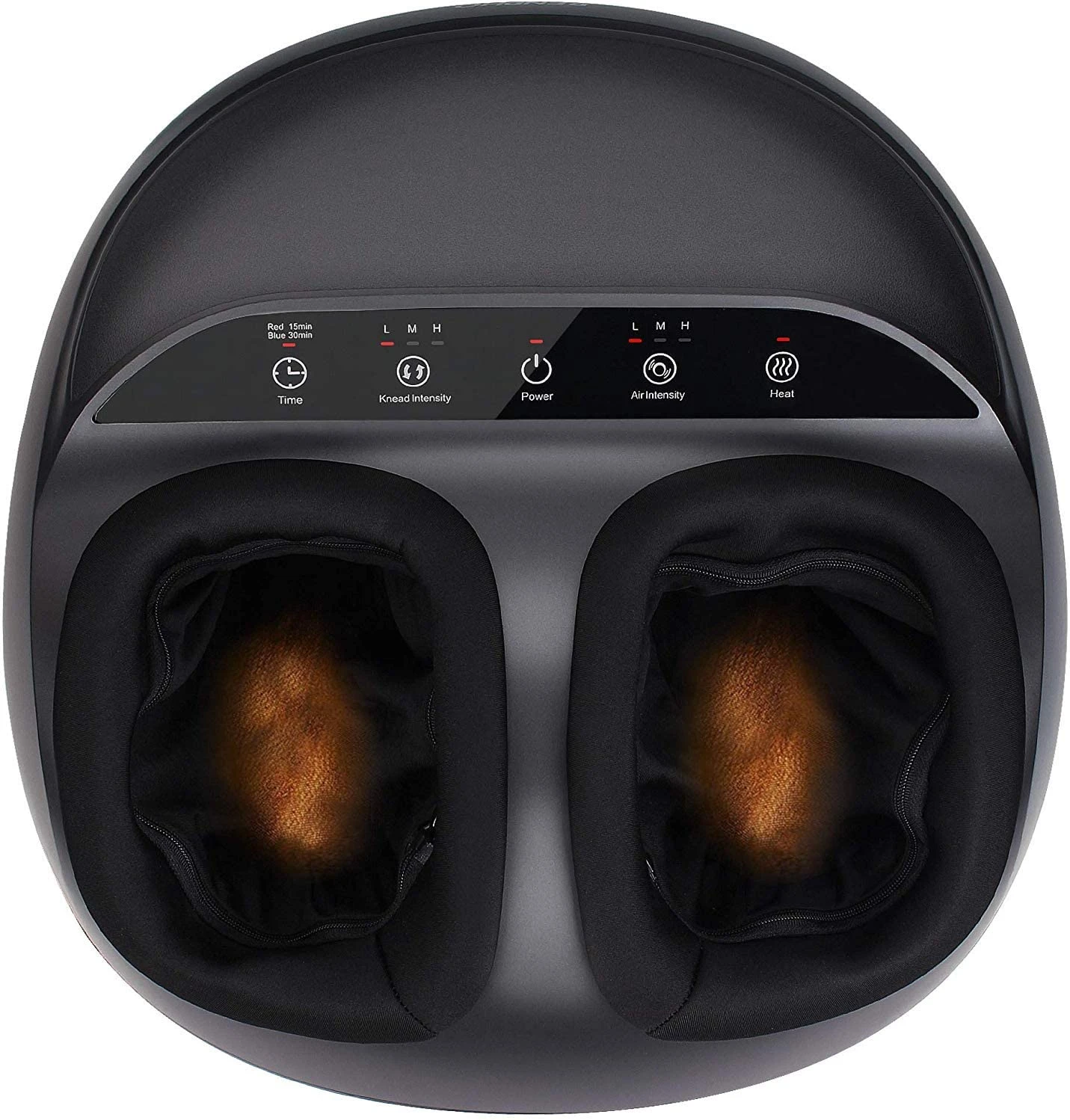
Shiatsu massagers use rotating nodes — small balls or rollers embedded in the unit — that press into the sole and arch of your foot, mimicking the kneading motion of a human thumb. These are the most popular type for people with plantar fasciitis or deep muscle tension. Air compression massagers take a different approach: inflatable chambers squeeze and release your foot in rhythmic pulses, which is especially helpful for circulation and mild swelling rather than deep tissue work. Vibration massagers sit somewhere in between — gentler, quieter, and usually more affordable, though the relief tends to be less targeted.
Some electric models combine two or three of these methods — shiatsu with heat, or air compression with vibration. Combination units offer the most flexibility but also cost more. If you're pairing your massager routine with supportive footwear, the options reviewed in our best sandals for plantar fasciitis guide pair particularly well with a shiatsu model that includes heat.
Manual tools — wooden rollers, massage balls, spiked mats — cost almost nothing and require no electricity. They work by letting you apply your own body weight and pressure. They're portable and durable, but the effort required means most people use them less consistently over time. Hybrid options, like heated massage slippers or vibrating insoles, blur the line between wearable and device. They're convenient, but generally offer lighter pressure than a full electric unit. For very light, daily maintenance, they're worth considering. For genuine therapeutic use, they usually fall short.
Not everyone experiences foot massagers the same way, and your specific situation should guide which type you choose. Understanding your use case helps you avoid buying something that sounds impressive but doesn't fit your actual needs.
If you manage conditions like plantar fasciitis, gout, neuropathy, or fibromyalgia, a foot massager can offer targeted comfort between medical appointments. People dealing with gout-related foot pain should approach foot massage carefully during active flare-ups — pressure on an inflamed joint can make things worse, not better. In those situations, a gentle vibration massager or a heat-only option is safer than deep shiatsu pressure. Always check with your doctor before starting any massage routine if you have nerve damage, open wounds, or a clotting condition.
Medical note: If you have diabetes or peripheral neuropathy (reduced foot sensation), consult your physician before using any foot massager — you may not feel when pressure becomes harmful.
Nurses, retail workers, teachers, and anyone who logs long hours standing or walking can benefit significantly from daily foot massage. For those in demanding jobs, the recovery goal is usually muscle tension release rather than deep therapeutic work. A mid-range electric massager used for 15–20 minutes after a shift can make a real difference in how your feet feel the next morning. If you're also thinking through your footwear choices for long workdays, the best shoes for nurses with plantar fasciitis is worth reading alongside this guide — good footwear and a good massager work better together than either one alone.
Marketing copy is full of buzzwords. When you're comparing models, focus on these practical factors instead of surface-level claims — they're what actually affect your day-to-day experience.
This is the feature most people forget to check until the massager arrives at their door. If your feet are larger than a men's size 12, many standard electric massagers will feel tight or won't fully reach your arch. Check the manufacturer's listed foot size range — this is usually buried in the specs tab, not the headline. Width matters too. Wide feet need extra clearance inside the unit, and a footwell that's too narrow will push the rollers toward your toes or heel rather than the arch where relief is most needed. When in doubt, size up.
Heat is one of the most-requested features in foot massagers for good reason — warmth increases circulation and helps muscles relax faster. Look for models with adjustable heat rather than a single fixed temperature, since preferences vary and cold-weather sessions feel different from summer ones. Intensity levels matter just as much. A massager with only one speed is fine for light use, but if your pain varies day to day, having three or more settings gives you real flexibility. Finally, think about control placement — are the buttons reachable while your feet are inside the unit? Controls on the top of the device are much easier to use than ones hidden on the back or side panels.
Price ranges in this category span from under $30 to well over $300. Here's a straightforward breakdown of what your money actually gets you at each tier, so you can match your budget to your real needs.
| Price Range | Type | Best For | Key Features | Typical Drawback |
|---|---|---|---|---|
| Under $40 | Manual rollers, basic vibration | Occasional use, travel | Portable, no power needed | Requires user effort, limited intensity |
| $40–$80 | Basic electric (vibration or air) | Light daily use, fatigue relief | Multiple settings, some with heat | Fewer features, shorter lifespan |
| $80–$150 | Mid-range shiatsu or air compression | Regular use, plantar fasciitis | Heat, adjustable intensity, multiple modes | May be tight for large or wide feet |
| $150–$300 | Combination shiatsu + air | Chronic pain, therapeutic use | Wide size range, deep kneading, programmable | Bulkier, heavier to store or move |
| $300+ | Full-foot spa systems | Medical-grade home use | Calf coverage, app control, water features | High cost, large footprint in any room |
Not necessarily. Most people find that the $80–$150 range hits a real sweet spot — enough features for genuine daily benefit without the size and cost of premium units. If you're curious about a complementary approach, the best ionic detox foot bath machines review covers water-based alternatives that some people find effective for circulation and end-of-day relaxation. The right choice depends on how often you'll realistically use the device and what condition you're trying to address — not on what sounds most impressive in a listing.
These are the decisions that lead to buyer's remorse — and almost all of them are avoidable with a few minutes of research before you commit.
Buying based on what worked for a friend or a five-star review ignores the fact that your feet have a history. Deep shiatsu pressure is not appropriate for everyone. People with varicose veins, blood clots, recent foot surgery, or open skin wounds should avoid strong mechanical pressure on their feet entirely. Those with severe neuropathy may not feel the pain signals that normally warn of tissue damage. The healthy feet guide covers common conditions that affect how your feet respond to pressure and treatment — it's worth a read before you finalize any purchase decision.
Foot massagers are personal — the pressure that feels perfect after five minutes can feel completely wrong after thirty. Always check the return policy before purchasing, especially when buying online. A 30-day return window is standard; anything shorter is a red flag worth noting. Keep the original packaging for at least two weeks after you start using the unit. If the device doesn't feel right within the first week, don't wait to see whether you adjust — return it and try a different type entirely.
Tip: Read the one-star and three-star reviews on any massager you're considering — they'll tell you far more about real-world use than the five-star ones ever will.
Owning a foot massager is one thing. Using it effectively is another. A few simple adjustments to how and when you use it can make your sessions significantly more useful over time.
Evening sessions — after work or in the hour before bed — tend to yield the best results for most people. Your muscles are already warmed from the day, and the relaxation effect helps with sleep quality. Aim for 15–20 minutes per session. Most electric massagers have automatic shutoffs at 15 minutes, which is actually a reasonable guideline built into the design. Longer sessions don't necessarily mean more benefit, and they can cause soreness if the intensity is too high. Start with shorter, lighter sessions — 10 minutes on the lowest setting — and increase gradually over your first week of use.
A foot massager works best as part of a broader routine rather than as a standalone fix. Combining regular massage with supportive insoles and appropriate footwear gives your feet both daily support and proper nightly recovery. Stretching your calves and Achilles tendon before a session also helps — foot pain often originates higher up the kinetic chain, and loosening the calf reduces pulling on the plantar fascia. Staying hydrated after a deep massage session is worth noting too. It helps your muscles recover and supports the body's natural process of flushing metabolic waste from tissues.
The most expensive foot massager in the world does nothing sitting in a closet. Consistency matters far more than the brand printed on the side of the unit.
The easiest way to build a lasting habit is to attach your foot massage session to something you already do every evening. Put the massager next to the couch where you watch TV. Set a phone reminder for 30 minutes before bed. Keep the device somewhere visible — out of sight really does mean out of mind for most people when it comes to recovery tools. For additional strategies on maintaining foot health over the long term, our best books on foot health round-up includes several titles focused on preventive care and pain management routines that complement regular massage well.
A foot massager is a comfort and recovery tool — it is not a medical device. If your foot pain is getting worse despite regular massage, or if you're experiencing numbness, persistent swelling, or sharp pain during or after sessions, stop using the massager and see a podiatrist or physician. These signs can point to structural issues, nerve involvement, or conditions that need targeted medical treatment. No device replaces a proper diagnosis, and the sooner you get one, the faster you can build a recovery plan that actually fits what your feet need.
Most people do best with 15–20 minutes per session. Many electric massagers have an automatic shutoff at 15 minutes, which is a sensible default. If you're new to foot massage, start with 10 minutes on a low setting and increase gradually over the first week to avoid muscle soreness from overuse.
For most healthy adults, daily use is fine and even beneficial. However, if you have diabetes, neuropathy, varicose veins, or a blood clotting condition, consult your doctor before using any foot massager regularly. Even for healthy users, starting each session on a lower intensity setting gives your muscles time to adjust before you increase the pressure.
Yes, with the right type. Shiatsu massagers that target the arch and heel can reduce plantar fascia tension when used consistently. Heat combined with kneading tends to be especially effective. Pairing the massager with supportive footwear and daily calf stretches produces the best overall results — massage alone is helpful but rarely sufficient on its own.
Shiatsu massagers use rotating nodes that press and knead your foot, focusing on muscle tissue and trigger points. Air compression massagers use inflatable chambers that squeeze and release rhythmically, which targets circulation and swelling rather than deep muscle tissue. Both have genuine benefits — the right choice depends on whether your primary issue is muscle tension or circulation.
People with diabetes need to be cautious. Diabetes can cause peripheral neuropathy — reduced foot sensation — which means you may not feel when pressure is becoming too intense or causing skin damage. Always consult your physician before using a foot massager. If approved, use the gentlest setting and inspect your feet after each session for any redness or skin changes.
Check the manufacturer's listed maximum foot size in the product specifications before buying — it's usually buried in the spec sheet rather than the headline. If you wear a men's size 12 or larger, look for models specifically designed for large or wide feet. A unit that's too narrow will push the pressure zones to the wrong areas and deliver discomfort instead of relief.
Air compression massagers are the most effective type for circulation, since their squeeze-and-release action mimics the pumping motion that helps move blood and lymphatic fluid through the feet and lower legs. Shiatsu and vibration massagers also improve local blood flow, though the effect is less targeted. People who sit for long periods or experience mild edema (fluid swelling) often notice improvement with regular use.
The $80–$150 range covers most people's needs very well. Below $40, you're typically looking at manual tools or basic vibration devices with limited functionality. Above $150, you get more features — wider size accommodation, combination massage modes, calf coverage — but the gains are incremental unless you have specific therapeutic needs. Buy the simplest model that meets your actual requirements rather than the most feature-rich one available.
The right foot massager isn't the one with the most features — it's the one that fits your feet, your health, and the routine you'll actually stick to.


About Mehnaz
Mehnaz is the founder and editor of RipPain, a health resource site dedicated to helping readers navigate pain management, recovery, and medical device research. Her work on the site is driven by personal experience caring for seriously ill family members, which led her to study evidence-based guidance from physicians, pain specialists, and published medical research. She curates and summarizes expert medical insights to make credible health information accessible to everyday readers.
You can get FREE Gifts. Or latest Free phones here.
Disable Ad block to reveal all the info. Once done, hit a button below
 Mehnaz