
Picture your uncle limping into the kitchen one morning, barely able to touch his swollen big toe to the floor, convinced he'd somehow broken it in his sleep — that's exactly what a gout attack feels like the first time it hits. If you're searching for how to get rid of gout, you already know the pain is unlike anything else, and you deserve a clear, actionable plan that actually works. Gout is one of the most painful forms of inflammatory arthritis, but it's also one of the most treatable — provided you understand what's driving it and act quickly and consistently. Start by exploring our dedicated gout pain resource hub for additional support and condition-specific guidance.

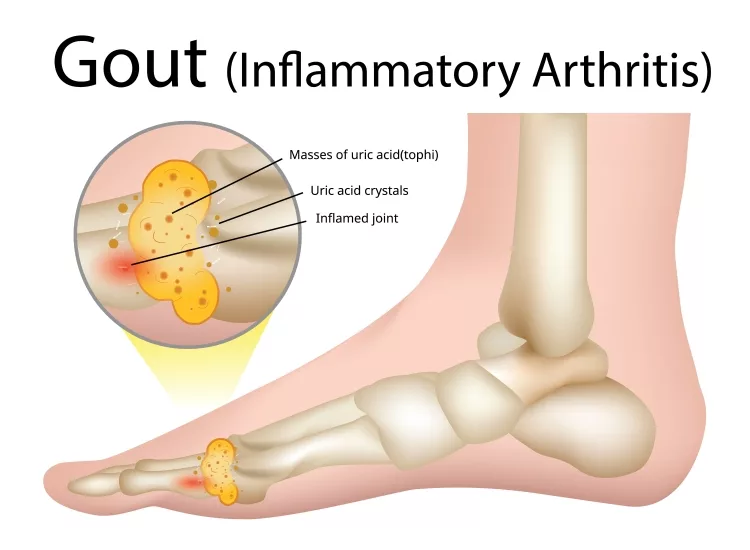
Gout develops when uric acid accumulates in your bloodstream and precipitates into sharp, needle-like crystals inside your joints, igniting an intense inflammatory response that can immobilize you within hours. The condition affects millions of adults worldwide, and the number is rising alongside increasing rates of obesity, high blood pressure, and processed food consumption — all of which elevate uric acid levels directly.
The encouraging reality is that gout responds exceptionally well to modern treatment when you combine fast-acting flare management with long-term strategies that bring your uric acid down and keep it there permanently.
Contents
Gout is a metabolic form of inflammatory arthritis caused by hyperuricemia — an excess of uric acid circulating in your blood — which eventually crystallizes inside your joint spaces and surrounding soft tissues. Your body produces uric acid naturally as it breaks down purines, compounds found in many foods and in your own cells during normal cellular turnover, so both your diet and your underlying metabolism determine how high your levels climb.

Several factors push your uric acid levels high enough to spark crystallization and ignite a flare:
Gout progresses through distinct stages, and your stage determines your entire treatment strategy:
According to the Wikipedia overview of gout, the condition affects approximately 1–2% of the Western population and stands as the most common inflammatory arthritis in men over the age of 40.
A single gout flare can take you completely off your feet — the pain intensity is frequently described as exceeding that of a broken bone, and even the light pressure of a bedsheet resting on the joint becomes genuinely unbearable. Understanding the real-world pattern of gout helps you recognize an attack early and distinguish it from a sprain, infection, or other joint condition that requires a different treatment approach entirely.
Gout carries a specific clinical signature that separates it from other causes of acute joint pain:

If your feet consistently bear the worst of your gout attacks, pairing your treatment protocol with targeted strategies from our guide on how to reduce foot pain provides meaningful additional relief both during flares and in the recovery window between them.
The most effective approach to eliminating gout combines fast-acting relief for acute attacks with sustained long-term strategies that drive your baseline uric acid level below the crystallization threshold permanently. Treatment falls into three clear categories: prescription medications, evidence-based home interventions, and lifestyle restructuring.
Pro tip: Begin treatment within the first 24 hours of a flare — the earlier you intervene, the shorter and less severe the entire episode will be.
Your doctor can prescribe several proven pharmaceutical options depending on your attack frequency and current stage:
While medication forms the backbone of any serious gout plan, these home interventions accelerate relief and meaningfully reduce attack frequency when practiced consistently:
Not every gout scenario calls for the same response, and matching the right intervention to your specific situation determines whether you recover in two days or suffer for two weeks while sustaining additional joint damage in the process.
When a flare erupts, your immediate priority is aggressive, early inflammation control — follow this sequence without delay:
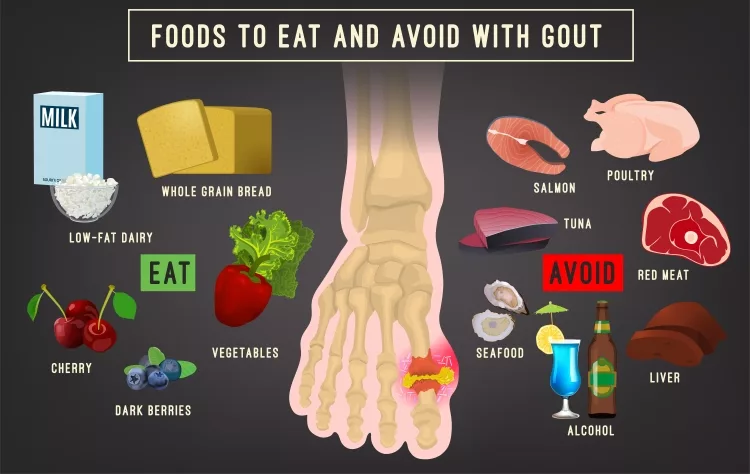
After the flare resolves, the critical work begins — sustained prevention requires both daily habits and, in most recurrent cases, ongoing medication to keep uric acid permanently suppressed:
Managing gout doesn't have to be financially draining, but understanding where the real costs land helps you spend strategically and avoid wasting money on overpriced supplements that deliver minimal clinical benefit.
| Treatment | Estimated Monthly Cost | Key Notes |
|---|---|---|
| Ibuprofen (OTC) | $5–$15 per flare | Effective for mild-to-moderate attacks; use at maximum recommended dose |
| Colchicine (generic) | $15–$60/month | Prescription required; older generic formulation is the most affordable option |
| Allopurinol (generic) | $10–$30/month | Standard first-line urate-lowering therapy; universally cost-effective long-term |
| Febuxostat (brand-name) | $150–$300/month | Often requires prior authorization; generic availability is expanding |
| Tart cherry extract | $15–$35/month | No prescription needed; use as a complement to medication, not a replacement |
| Dietary overhaul | Minimal to cost-neutral | Replacing meat and alcohol with vegetables and water frequently reduces grocery bills |
| Rheumatologist visit | $150–$400 per visit | Strongly recommended for recurrent or chronic gout to optimize your treatment plan |
Widespread misinformation about gout actively delays effective treatment and puts you at serious risk for irreversible joint damage — separating fact from fiction is a prerequisite for getting better outcomes.
Myth 1: Gout is purely a dietary problem you can fix by eating better.
Diet matters and is worth optimizing, but genetics and kidney function are the dominant drivers for the majority of patients — a perfect diet alone will not normalize uric acid in people with a genetic predisposition to hyperuricemia, and medication remains necessary regardless of how strictly you eat.
Myth 2: It's better to wait out a flare without taking medication.
Every uncontrolled flare deposits additional urate crystals into your joint tissues and accelerates cartilage destruction; early, aggressive treatment shortens the attack and directly reduces your long-term joint damage burden.
Myth 3: Gout only strikes the big toe.
While the big toe accounts for roughly half of first attacks, gout attacks your ankles, knees, wrists, fingers, and elbows with equal severity — delayed diagnosis is common precisely because clinicians and patients don't always recognize gout outside its classic presentation.
Myth 4: You can stop urate-lowering therapy once you feel well.
Discontinuing medication when symptoms disappear allows uric acid levels to rebound quickly, triggering more frequent and progressively more severe attacks over the following months. Consistent, uninterrupted therapy is the only intervention that breaks the cycle for good.
Myth 5: Natural remedies alone can resolve chronic gout.
Cherry extract, turmeric, and dietary improvements reduce flare frequency and complement prescribed treatment effectively, but clinical evidence consistently shows they do not lower serum urate enough to substitute for pharmaceutical urate-lowering therapy in patients with established chronic disease.


About Mehnaz
Mehnaz is the founder and editor of RipPain, a health resource site dedicated to helping readers navigate pain management, recovery, and medical device research. Her work on the site is driven by personal experience caring for seriously ill family members, which led her to study evidence-based guidance from physicians, pain specialists, and published medical research. She curates and summarizes expert medical insights to make credible health information accessible to everyday readers.
You can get FREE Gifts. Or latest Free phones here.
Disable Ad block to reveal all the info. Once done, hit a button below
 Mehnaz