
Why does your teenager wince with every step after practice — and is it something you should actually worry about? Heel pain in teenagers is far more common than most parents realize, and it's rarely just growing pains. In almost every case, it's a specific, identifiable condition that responds well to targeted treatment. Whether your teen is a competitive athlete or simply active at school, identifying the root cause is the first step toward getting them back on their feet. For a broader overview of adolescent and adult foot health, visit our foot care resource hub.
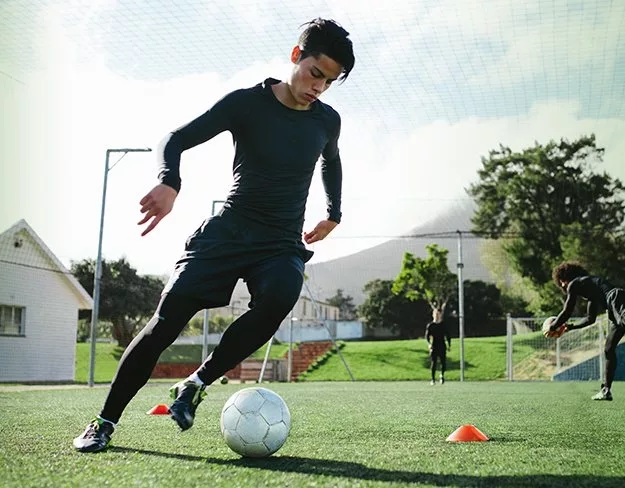
Adolescent heels are structurally different from adult heels. During the growth years — roughly ages 8 to 15 — the calcaneus (heel bone) is still developing, which creates vulnerabilities that fully mature skeletons simply don't face. Add high-intensity sports, inadequate footwear, and rapid growth spurts to the mix, and you have a recipe for chronic discomfort that can derail a young person's athletic career if left unmanaged.
This guide breaks down every major condition responsible for heel pain in teenagers, walks you through a step-by-step home management protocol, and identifies the costly mistakes that turn a 2-week problem into a 3-month one. You'll also find an honest breakdown of what treatment actually costs — from professional care to budget alternatives that genuinely work.
Contents
Most adults assume heel pain is a consequence of decades of hard use. That assumption is wrong. Teenagers — especially active ones — are among the most at-risk populations for heel injuries. The reasons are rooted in anatomy and physiology, not lifestyle.
The calcaneal apophysis — the growth plate at the back of the heel bone — doesn't fully fuse until around age 14 in girls and 16 in boys. Until that point, it remains cartilaginous and significantly softer than mature bone. This makes it highly susceptible to mechanical stress that would barely register in an adult skeleton.
Understanding this anatomy explains why growth-related heel conditions are so prevalent in adolescents — and why they resolve once skeletal maturity is reached, provided you manage them properly in the meantime.
Youth sport specialization has intensified dramatically over the past two decades. Teens now train year-round in a single sport, repeating identical mechanical stresses on developing tissues with inadequate recovery built in. This overuse pattern is a primary driver of heel pain in teenagers across all athletic disciplines.
Nutrition plays a role that coaches and parents consistently underestimate. Calcium and vitamin D deficiencies compromise bone density in growing teens, turning routine mechanical stress into pathological loading. Understand how nutrition directly affects your feet — dietary gaps that seem minor can accelerate growth plate damage in active adolescents.
Several distinct diagnoses account for the overwhelming majority of adolescent heel pain. Identifying the correct one matters because each condition has a different treatment protocol — and applying the wrong approach delays recovery.
Sever's disease is the single most common cause of heel pain in teenagers, particularly in those aged 8 to 14 who participate in running and jumping sports. Despite its name, it's not a disease — it's an overuse injury to the calcaneal growth plate, and it has a predictable, manageable course.
Treatment focuses on load management, heel lifts, calf stretching, and temporary reduction in high-impact activity. Most teens return to full sport participation within 2 to 8 weeks when the protocol is followed consistently.
The Achilles tendon — the largest tendon in the body — connects the calf musculature to the heel bone. In teenagers who participate in explosive sports like basketball, sprinting, or volleyball, repetitive eccentric loading creates micro-tears and subsequent inflammation throughout the tendon body.

Teens with flat feet carry significantly elevated risk for Achilles tendonitis. Overpronation increases rotational torque on the tendon with each step. Addressing arch mechanics early prevents the chronic tendon degeneration that becomes far harder to treat.
Practitioner Tip: Never aggressively stretch a painful Achilles tendon in the acute phase — eccentric heel drops on a step edge are the evidence-backed rehabilitation exercise, but only after acute inflammation subsides over the first week.
While plantar fasciitis is most associated with adults over 40, it occurs in teenagers — particularly those with structural foot issues or who spend extended hours on hard surfaces. Plantar fasciitis involves degeneration and inflammation of the thick fibrous band connecting the heel bone to the base of the toes.
Night splints, which maintain the foot in gentle dorsiflexion during sleep, are as effective in teenagers as in adults for reducing that characteristic morning step pain.
Calcaneal stress fractures are less common than the conditions above but represent a more serious injury that demands immediate rest and medical evaluation. They typically occur in distance runners and teens participating in high-volume military-style training programs.
Managing heel pain in teenagers at home is achievable in most cases — but only when you follow a structured, sequential protocol. Skipping steps or rushing the timeline is the most common reason for prolonged recovery.
Relative rest does not mean complete inactivity. It means eliminating the specific activities that load the heel while maintaining fitness through appropriate alternatives.
For serious athletes, this is the hardest step to accept. But forcing a growing skeleton through pain-producing activity extends recovery timelines from weeks to months. If your teen manages long-term foot health around an active schedule, these foot care tips for active people provide a solid ongoing framework.
Cold therapy and anti-inflammatory measures reduce the acute pain cycle and create conditions where healing can begin.
Warning: Heat applied to an acutely inflamed heel increases blood flow and worsens swelling — use cold, not heat, in the first 72 hours after any acute flare-up.
Once acute pain drops below 3 out of 10, introduce targeted flexibility and progressive strength work. This phase determines whether the problem recurs.
Quality orthotic insoles provide the mechanical foundation that makes rehabilitation exercises more effective by correcting the underlying loading patterns. Review this guide to the best orthotic insoles for options appropriate for active teenagers at various price points.
Parents and teenagers make predictable, well-intentioned mistakes when dealing with heel pain. Understanding what not to do is just as important as the correct protocol.
The most damaging mistake is continuing sport through escalating pain because the game matters. Here's what actually happens physiologically when that decision is made:
A teenager who limps during warm-up does not play. This is not overprotection — it is applied sports medicine.
Footwear is one of the most modifiable risk factors for adolescent heel pain, yet it is consistently the last thing families address.
Misinformation around heel pain in teenagers is pervasive, and it consistently leads to delayed treatment and prolonged suffering. These are the myths worth actively dismantling.
Growing pains are a documented phenomenon, but they occur primarily in the thighs, calves, and shins — not in the heel. Localized heel pain that worsens with activity is not a normal developmental experience. It is a specific musculoskeletal injury that requires specific management, not passive waiting.
Rest reduces pain. Pain reduction is not the same as structural healing. Tendons and the plantar fascia require graduated mechanical loading to rebuild their tensile architecture properly. Complete immobilization produces its own set of problems:
The correct approach is relative rest combined with progressive therapeutic exercise — not weeks of complete inactivity followed by a sudden return to sport.
This myth causes plantar fasciitis in teenagers to go undiagnosed for months. Clinicians sometimes default to Sever's disease as the only diagnosis worth considering in young patients, overlooking the characteristic morning heel pain and pinpoint tenderness at the plantar fascia insertion that distinguishes the two conditions.
Healthcare costs are a real barrier for many families managing heel pain in teenagers. Understanding the full range of options — and their true costs — allows you to make strategic decisions without compromising recovery quality.
| Treatment Option | Typical Cost (USD) | Notes |
|---|---|---|
| Podiatrist consultation | $150–$300 per visit | Often partially covered by insurance; first visit typically includes exam and diagnosis |
| X-ray (growth plate assessment) | $100–$250 | Usually ordered at first visit; covered by most insurance plans |
| MRI (for stress fracture confirmation) | $500–$1,500 | Insurance requires referral; independent imaging centers offer substantially lower rates |
| Physical therapy (per session) | $75–$200 | Typical course: 6–12 sessions; insurance often covers after deductible is met |
| Custom orthotics | $300–$800 | May be partially covered; OTC alternatives are effective for most adolescent cases |
| Corticosteroid injection | $200–$500 | Rarely indicated in adolescents; reserved for refractory plantar fasciitis only |
You do not need to spend thousands to achieve excellent outcomes for most cases of adolescent heel pain. These evidence-backed, accessible options deliver results at any budget level.
The most expensive mistake is waiting and allowing a manageable condition to progress into a complex injury requiring surgery or prolonged multi-month therapy. Early intervention consistently costs less — in money, time, and pain.
Heel pain related to growth plate conditions like Sever's disease most commonly begins between ages 8 and 13 in girls and 10 to 15 in boys — coinciding with peak growth spurts. It typically resolves completely once skeletal maturity is reached and the growth plate fully fuses.
Not through significant pain. Low-level discomfort below 3 on a 10-point scale during activity may be monitored cautiously, but sharp or escalating pain during exercise is a clear signal to stop immediately. Playing through increasing pain extends recovery timelines from weeks into months and raises the risk of avulsion fractures.
Sever's disease is not dangerous and does not cause permanent structural damage when managed appropriately. It is a self-limiting condition that resolves once the calcaneal growth plate fuses. However, ignoring it and continuing high-impact sport without any modification significantly extends the painful period and raises fracture risk.
Location of tenderness is the definitive differentiator. Sever's disease produces pain at the very back of the heel bone where the Achilles tendon inserts. Achilles tendonitis causes pain 2 to 6 centimeters above that point, along the tendon substance itself. Both conditions respond well to calf stretching and relative rest, but their specific rehab protocols differ.
Surgical intervention is extremely rare for adolescent heel pain. Sever's disease, Achilles tendonitis, and plantar fasciitis all respond well to conservative management — activity modification, stretching, orthotics, and physical therapy. Surgery is only considered for structural complications like displaced avulsion fractures or completely refractory plantar fasciitis after all conservative options have been exhausted over an extended period.
Most cases of Sever's disease resolve within 2 to 8 weeks with consistent management. Achilles tendonitis takes 6 to 12 weeks depending on severity. Plantar fasciitis can persist for 3 to 6 months in stubborn cases. Calcaneal stress fractures require 6 to 12 weeks of protected loading. Early intervention in every category reliably shortens these timelines.
Orthotics are a supportive tool, not a lifelong dependency. Most adolescents benefit from orthotics during active treatment and the return-to-sport transition period. Long-term reliance becomes unnecessary once the underlying flexibility and strength deficits are properly corrected through targeted exercise — which is why skipping the rehabilitation phase is counterproductive.
Absolutely. Adequate calcium intake (1,300 mg per day for teenagers), vitamin D (600 IU per day), and sufficient dietary protein support bone healing and tendon tissue repair. These deficiencies are common in teenage athletes who undereat or follow restrictive diets, and they measurably slow recovery while elevating stress fracture risk. Dietary assessment should be part of any comprehensive heel pain management plan.
Heel pain in teenagers is a specific, treatable condition — not something to dismiss as part of growing up or push through in the name of athletic commitment. The conditions covered here all respond well to early, structured intervention, and the longer you wait, the longer recovery takes. Start with the home protocol outlined above, invest in proper footwear and heel support, commit to the stretching and strengthening exercises, and schedule an appointment with a podiatrist if pain persists beyond two weeks — your teen's athletic future is worth that step.


About Mehnaz
Mehnaz is the founder and editor of RipPain, a health resource site dedicated to helping readers navigate pain management, recovery, and medical device research. Her work on the site is driven by personal experience caring for seriously ill family members, which led her to study evidence-based guidance from physicians, pain specialists, and published medical research. She curates and summarizes expert medical insights to make credible health information accessible to everyday readers.
You can get FREE Gifts. Or latest Free phones here.
Disable Ad block to reveal all the info. Once done, hit a button below
 Mehnaz