
What you eat directly determines the health of your feet. Nutrition and foot health are more tightly connected than most practitioners communicate — the skin, tendons, joints, and nerves running through your feet all depend on a consistent supply of specific vitamins, minerals, and macronutrients to function properly. If you've been dealing with persistent heel pain, cracking skin, unexplained swelling, or wounds that refuse to close, your diet deserves serious scrutiny. A well-rounded approach to foot care starts not just with what you put on your feet, but what you put into your body.
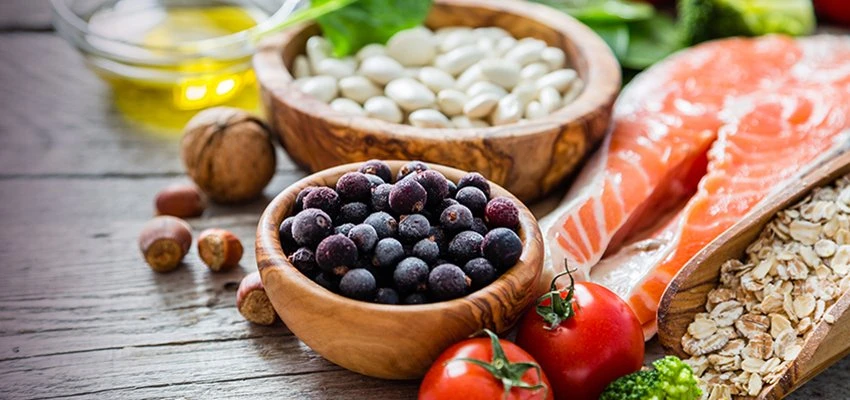
The connection runs through every major body system. Your feet are the last stop for your circulatory and nervous systems, which means any nutritional gap tends to show up there first — and often most severely. Poor circulation from a diet high in processed foods, trans fats, and refined sugars starves foot tissue of oxygen and essential nutrients. The result is slower healing, elevated pain sensitivity, and skin that breaks down faster than it regenerates.
Getting this right isn't complicated, but it requires moving past generic "eat healthy" advice. Specific nutrients do specific jobs in your feet. Knowing which ones matter — and recognizing the warning signs when you're running low — puts you ahead of most people who spend years treating symptoms without addressing the root cause.
Contents
Chronic foot pain — especially joint pain — is frequently driven by systemic inflammation, and your diet is one of its primary regulators. A pattern heavy in omega-6 fatty acids, refined carbohydrates, and sugar keeps inflammatory markers elevated throughout your body around the clock. Your feet pay disproportionately for this because they carry your full body weight and absorb repetitive impact that stressed tissue simply can't recover from fast enough. Swapping processed seed oils for omega-3 sources like fatty fish, walnuts, and flaxseeds creates a measurable shift in the inflammatory balance. Research published through the National Institutes of Health confirms that dietary omega-3 intake correlates with reduced joint inflammation and lowered pain sensitivity.
Vitamin D deficiency is directly linked to plantar fasciitis, bone pain, and decreased muscle function in the foot — all conditions that worsen with age and sedentary indoor lifestyles. Salmon, egg yolks, and fortified dairy are your highest-yield dietary sources. If you're also managing foot pain in the context of body weight, the mechanical load compounds every inflammatory signal; the breakdown of how excess weight affects your feet and ankles explains the structural consequences in practical terms.
Magnesium, zinc, and B vitamins rarely make nutrition headlines, but they're workhorses for foot health. Magnesium deficiency causes muscle cramping and nerve hypersensitivity — two of the most common foot complaints that get misattributed to overuse or footwear. Zinc accelerates wound healing and supports immune function in the skin. B12 maintains myelin sheath integrity across peripheral nerves; without adequate B12, the burning and tingling associated with peripheral neuropathy become more pronounced over time.
| Nutrient | Role in Foot Health | Best Food Sources | Deficiency Signs in Feet |
|---|---|---|---|
| Omega-3 Fatty Acids | Reduces joint inflammation and pain sensitivity | Salmon, sardines, walnuts, flaxseeds | Stiff aching joints, dry cracking skin |
| Vitamin D | Bone strength, muscle and nerve function | Fatty fish, egg yolks, fortified dairy | Heel pain, bone tenderness, plantar fasciitis |
| Magnesium | Prevents muscle cramps, supports nerve signaling | Dark leafy greens, nuts, seeds, legumes | Foot and calf cramps, night spasms |
| Zinc | Wound healing, skin immune defense | Oysters, beef, pumpkin seeds, chickpeas | Slow-healing sores, recurring skin breakdown |
| Vitamin B12 | Peripheral nerve integrity and conduction | Meat, fish, eggs, dairy | Numbness, tingling, burning sensations |
| Vitamin C | Collagen synthesis and tissue repair | Bell peppers, citrus, broccoli, kiwi | Weak tendons, slow wound closure |
| Calcium | Bone density in metatarsals and calcaneus | Dairy, fortified plant milks, sardines | Stress fractures, deep bone aching |
| Essential Fatty Acids | Maintains lipid skin barrier on heels and soles | Avocado, olive oil, nuts, fatty fish | Chronic dry and cracked heel skin |
One of the most persistent myths in foot health management is the belief that you can supplement your way out of a poor diet. You can't. Isolated supplements carry lower bioavailability than food-form nutrients in most cases, and they don't bring along the co-factors — other vitamins, minerals, and phytonutrients — that make absorption work efficiently. A zinc supplement taken without adequate copper, for instance, can actually create a copper deficiency over time. Whole foods deliver nutrients in ratios your body already knows how to use.
If you're taking supplements to compensate for a diet full of processed food, you're layering a solution on top of a problem that still exists — address the diet first, then use supplements as targeted corrections where deficiency is confirmed.
This doesn't mean supplements have no place — they're a corrective tool when a specific deficiency is confirmed through testing. But treating them as the primary strategy while continuing to eat inflammatory, nutrient-poor food produces quick plateaus and keeps you stuck in symptom management rather than actual resolution.
Decades of low-fat dietary guidance left a generation with chronically dry, cracking foot skin that topical creams can only partially address. Dietary fat — specifically essential fatty acids — is critical to maintaining the lipid barrier of your skin. Without adequate fat intake, the skin on your heels and soles becomes brittle, loses elasticity, and splits under pressure. This isn't fundamentally a moisturizer problem; it's a nutrition problem. No amount of topical application fully compensates for a lipid barrier that's compromised from the inside out.
If you're already working through the techniques in how to soothe dry and cracked heels naturally, pairing those topical strategies with increased intake of healthy fats — avocado, olive oil, nuts, fatty fish — addresses the problem at its actual source rather than just its surface expression.
Collagen synthesis is essential for tendon and ligament strength throughout your feet. Vitamin C drives that entire process — without it, collagen cross-linking weakens and connective tissue integrity deteriorates under everyday load. Citrus fruits, bell peppers, and leafy greens are your highest-yield sources. Combine them with protein-rich meals to supply the amino acid building blocks collagen actually requires; the vitamin C alone isn't enough without adequate protein intake to provide the raw material.
Calcium and phosphorus maintain bone density in your metatarsals, calcaneus, and the other small foot bones that absorb repetitive impact throughout the day. The ratio of these minerals matters as much as the quantity — excess phosphorus from processed foods and carbonated drinks actively pulls calcium from bone tissue. This is why dietary quality matters more than supplementation math. For active individuals managing higher training loads, the foot care guide for active people reinforces why elevated protein and micronutrient needs must be met through food, not just recovery protocols.
Dehydration stiffens the fascia and connective tissues throughout your feet. Synovial fluid — the lubricant inside your foot joints — depends on adequate hydration to maintain its viscosity and cushioning properties. A practical starting point: divide your body weight in pounds by two, and aim to drink at least that many ounces of water daily, adjusting upward for heat and activity.
Meal timing affects inflammation rhythms more than most people account for. Eating large, carbohydrate-dense meals late in the evening spikes insulin and promotes inflammatory activity overnight — the exact window when your body should be repairing tissue from the day's demands. Front-loading your nutrition earlier in the day and keeping evening meals lighter reduces this cycle and supports the overnight recovery your foot structures depend on.
Persistent dryness that doesn't respond to topical treatment almost always has a systemic component. Essential fatty acid deficiency — particularly linoleic acid — compromises the skin barrier directly. Vitamin A deficiency produces hyperkeratosis, where skin thickens abnormally and becomes rough and hard to the touch. Niacin (B3) deficiency causes a form of dermatitis that affects the extremities first, including the feet. These aren't rare clinical conditions; they show up regularly in people eating highly processed, low-variety diets.
If you've already built a solid routine around keeping your feet smooth and free of dead skin buildup and still struggle with persistent dryness, audit your diet for fat content, B-vitamin intake, and overall caloric adequacy. Chronic undereating is one of the most overlooked root causes of poor foot skin quality, and it's one no amount of external treatment corrects.
Regular edema in the feet and ankles without a clear mechanical cause points toward nutrition before it points toward footwear or orthotics. Low albumin from protein deficiency, excess dietary sodium, and magnesium imbalance all contribute to fluid retention in the lower extremities. Numbness and tingling trace most directly to B12 or folate deficiency, both of which damage peripheral nerve function progressively over time — slowly enough that most people don't connect the symptom to the dietary pattern until significant damage has accumulated.
Slow wound healing is one of the most clinically significant nutritional red flags, particularly for anyone managing diabetes or circulatory conditions. The guide on diabetes foot checks and what to expect makes clear why this matters at the clinical level: a minor abrasion that would close in days for a nutritionally replete person can become a serious wound in someone running low on zinc, vitamin C, and protein. These aren't coincidences — they're predictable physiological outcomes. Treat the nutrition gap, and wound healing timelines respond accordingly.
Your feet are a long-term record of your diet — feed them well, and they carry you forward without complaint; neglect the fundamentals, and every step becomes a reminder of what's missing.


About Mehnaz
Mehnaz is the founder and editor of RipPain, a health resource site dedicated to helping readers navigate pain management, recovery, and medical device research. Her work on the site is driven by personal experience caring for seriously ill family members, which led her to study evidence-based guidance from physicians, pain specialists, and published medical research. She curates and summarizes expert medical insights to make credible health information accessible to everyday readers.
You can get FREE Gifts. Or latest Free phones here.
Disable Ad block to reveal all the info. Once done, hit a button below
 Mehnaz