
Studies estimate the global microdermabrasion market at over $500 million annually — a figure that reflects just how many people are investing in this treatment for real, visible skin results. If you've been exploring microdermabrasion benefits for wrinkles, stretch marks, hyperpigmentation, or melasma, you're looking at one of the most studied non-invasive procedures in modern skin care. Within the broader landscape of beauty and skin care, microdermabrasion consistently ranks among the most requested in-office treatments at dermatology clinics and medical spas across the country.
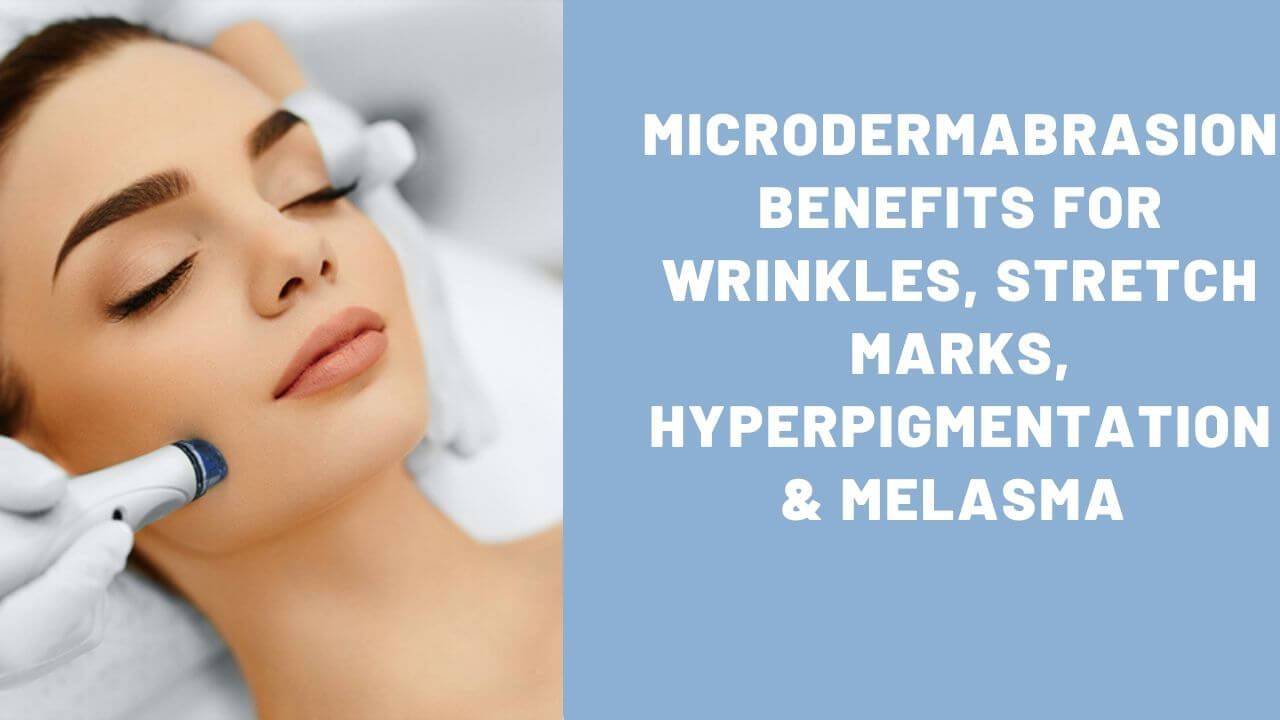
Microdermabrasion works by physically exfoliating the outermost layer of skin — the stratum corneum — using either fine crystals or a diamond-tipped wand. This controlled abrasion removes dead skin cells, stimulates collagen production, and encourages fresh cell turnover. The result is smoother texture, reduced pigmentation, and a more even tone over a series of sessions.
Whether you're considering a professional appointment or an at-home device, this guide covers the types of systems available, the realistic benefits, the potential drawbacks, and how to get the most out of every session.
Contents
Microdermabrasion doesn't simply resurface your skin — it triggers a cascade of cellular responses that simultaneously address multiple concerns. Understanding exactly what happens beneath the wand helps you set realistic expectations going in.
When the device removes the top layer of dead skin cells, your body interprets this as mild trauma and responds by increasing collagen and elastin production. These two proteins are the structural backbone of firm, elastic skin — and both decline with age.
According to the American Academy of Dermatology, most people need 5 to 16 sessions spaced about two weeks apart to see meaningful results for wrinkles. A single session won't transform your skin, but consistency over months absolutely can.
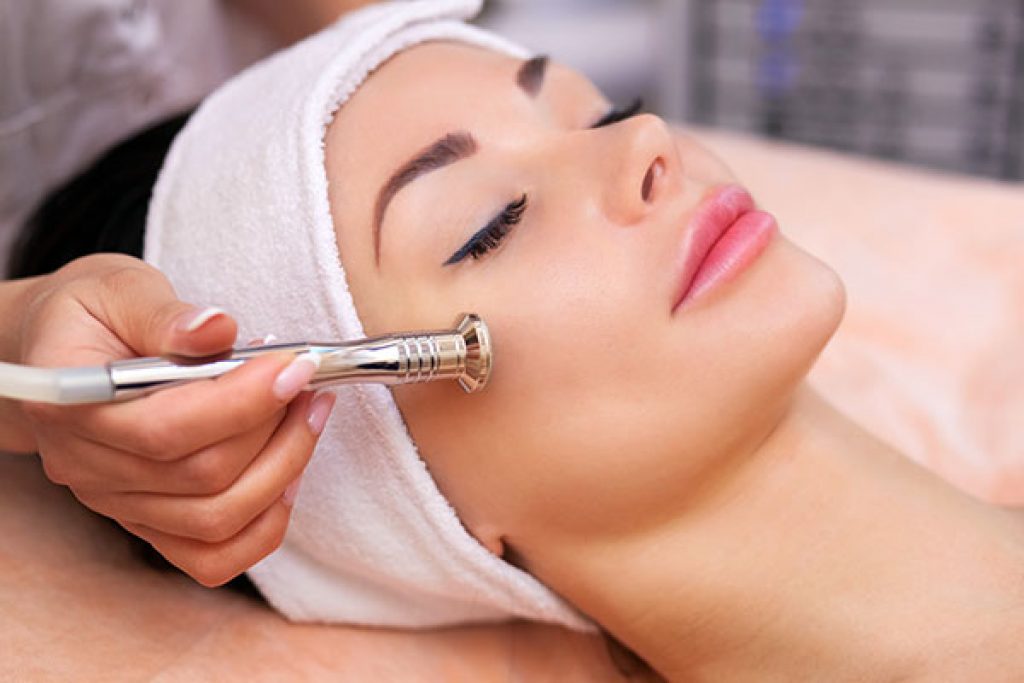
Beyond wrinkles, microdermabrasion is frequently used for pigmentation irregularities and textural concerns. Here's how it works for each:
One overlooked advantage: freshly exfoliated skin absorbs topical treatments significantly better. If you're using a high-quality skin-nourishing moisturizer as part of your routine, pairing it with microdermabrasion can meaningfully boost its effectiveness.
Not all microdermabrasion systems are built the same. The technology you choose — and whether you use it at home or in a clinic — shapes both your results and your risk level.
Two primary delivery methods dominate the market:
A third emerging option — hydradermabrasion — combines diamond-tip exfoliation with simultaneous serum infusion. This variation is gentler and increasingly popular for dry or reactive skin types.

You have two realistic paths: book sessions with a licensed esthetician or dermatologist, or purchase an at-home device. Each comes with real trade-offs worth thinking through before you commit.
| Factor | Professional Session | At-Home Device |
|---|---|---|
| Suction strength | High (clinical-grade) | Low to moderate |
| Cost per session | $75–$200 | Device cost spread over many uses |
| Depth of exfoliation | Deeper, more effective | Surface-level only |
| Risk of overtreatment | Low (trained operator) | Moderate if overused |
| Customization | High (tip size, pressure, speed) | Limited settings |
| Convenience | Appointment required | Anytime, at home |
If you're new to microdermabrasion, starting with a professional session gives you a clear baseline to compare any future at-home results against. Trained estheticians who work in clinical settings — the kind that wear professional-grade medical scrubs — are skilled in skin analysis and can adjust suction, tip size, and pass count to match your specific concerns and sensitivity level.
Microdermabrasion is considered low-risk, but it's not risk-free. Knowing what's normal — and what signals a problem — can save you from unnecessary worry or, more critically, from ignoring something that needs attention.
Most people experience mild, temporary effects in the first 24 hours:
These reactions are normal and expected. If redness persists beyond 48 hours, or if you notice unusual swelling, blistering, or increasing pain, contact a dermatologist promptly.
Pro tip: Apply broad-spectrum SPF 30 or higher every morning for at least one week following any microdermabrasion session — your freshly exfoliated skin has significantly less natural UV protection than untreated skin.
This treatment isn't appropriate for everyone. You should avoid it if you:
People with diabetes should be especially cautious. As covered in guidance on proper diabetic skin care, impaired circulation and delayed wound healing make any abrasive skin treatment higher-risk. Get clearance from your physician before your first session.
Before you book a series of sessions or buy a device, it helps to see the full picture — what microdermabrasion genuinely delivers and where it falls short.
Worth knowing: If your primary concern is deep forehead wrinkles or significant skin laxity, microdermabrasion works best as a complement to — not a substitute for — more intensive treatments like prescription retinoids, dermal fillers, or fractional laser therapy.
You can do everything right or everything wrong with microdermabrasion. The preparation and aftercare matter almost as much as the treatment itself.
Some people report mild facial tension or headache-like pressure following facial treatments. If you're prone to tension headaches, it's worth understanding whether neck pain and headaches are connected for you — post-treatment muscle tension around the jaw and neck can sometimes be a contributing factor.
Skin health is never just topical. Internal factors — circulation, nutrition, stress levels, and overall inflammation — directly influence how your skin responds to treatment and how quickly it recovers. Maintaining a consistent self-care habit, such as the recovery-focused routines that tools like the Chirp Wheel support for stress and tension relief, can contribute to better baseline skin resilience. Similarly, regular low-impact cardiovascular exercise improves circulation, which benefits skin cell turnover and overall healing capacity.
Most people begin noticing improvements after 3 to 4 sessions, but a full series of 6 to 10 treatments spaced two weeks apart is typically needed for significant changes to wrinkles, hyperpigmentation, or stretch marks. Maintenance sessions every 4 to 6 weeks help sustain results long-term.
Yes — microdermabrasion is generally considered safe for all skin tones, including deeper complexions. Unlike certain laser treatments that carry post-inflammatory hyperpigmentation risks for darker skin, microdermabrasion is non-thermal and lower-risk. That said, any skin tone can experience temporary redness, so discussing your history with a licensed provider is always a smart first step.
At-home devices are reasonably safe when used as directed, but they operate at much lower suction and abrasion levels than professional equipment. This limits effectiveness but also reduces overtreatment risk. Follow the manufacturer's recommended frequency — typically once a week or every other week — and never use a device on broken, irritated, or sunburned skin.
A professional session typically takes 30 to 45 minutes, including a brief consultation and post-treatment application of moisturizer and SPF. At-home sessions with a handheld device can be completed in 10 to 20 minutes depending on the area being treated and the number of passes you make.
For the first 24 to 48 hours after treatment, avoid direct sun exposure, heavy makeup, active skincare ingredients (retinoids, AHAs, vitamin C serums), saunas, steam rooms, and chlorinated water. Stick to a gentle, fragrance-free moisturizer and broad-spectrum SPF. Your skin is more vulnerable immediately after exfoliation — less is genuinely more during this recovery window.


About Mehnaz
Mehnaz is the founder and editor of RipPain, a health resource site dedicated to helping readers navigate pain management, recovery, and medical device research. Her work on the site is driven by personal experience caring for seriously ill family members, which led her to study evidence-based guidance from physicians, pain specialists, and published medical research. She curates and summarizes expert medical insights to make credible health information accessible to everyday readers.
You can get FREE Gifts. Or latest Free phones here.
Disable Ad block to reveal all the info. Once done, hit a button below
 Mehnaz