
After a grueling 12-hour shift moving between patients, the last thing you want is scrubs that dig into your waist, restrict your movement, or fall apart after a handful of washes. Your uniform is not just fabric — it is a tool you rely on every single day. Finding the best scrubs for medical professionals requires looking beyond color and price to evaluate durability, fit, breathability, and infection resistance all at once. While you're optimizing your clinical setup, take a look at the medical instruments and supplies section for everything else your practice needs — because the best-equipped professionals pay attention to every detail of their gear.
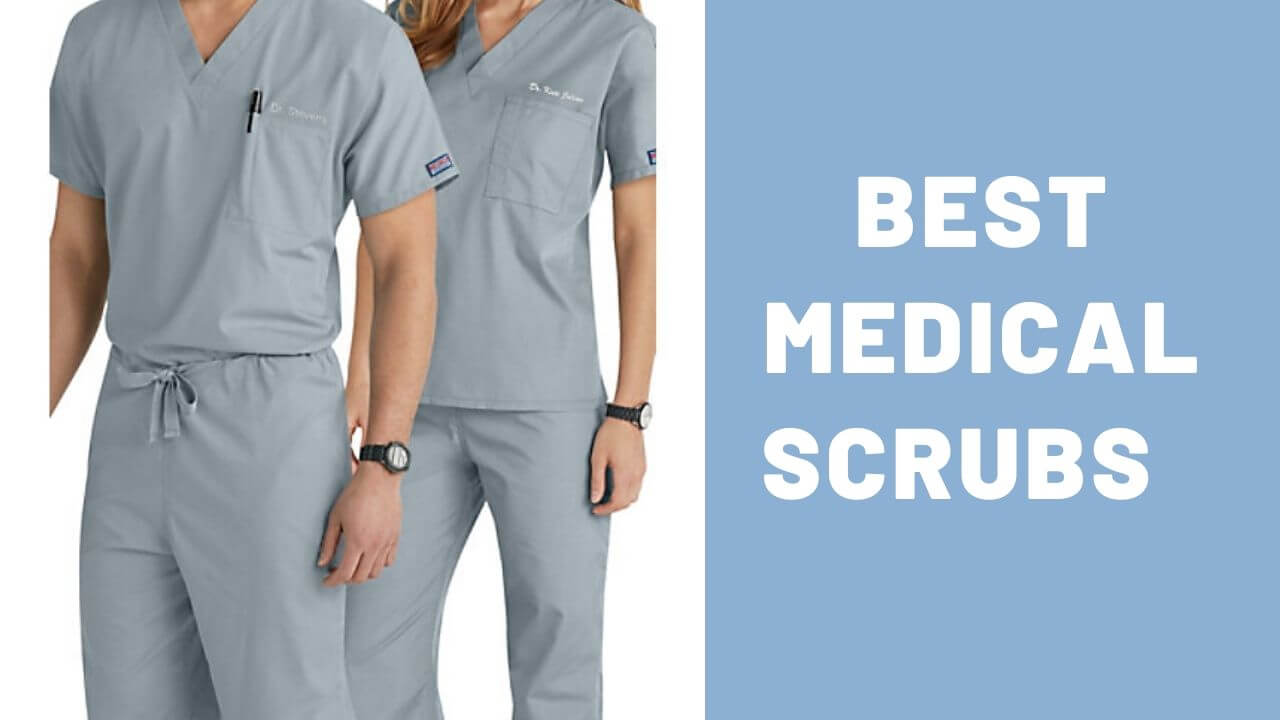
Healthcare workers stand, bend, lift, and pivot for hours without a break. According to the National Institute for Occupational Safety and Health (NIOSH), musculoskeletal disorders are among the most common occupational hazards in healthcare settings — and poorly fitted workwear is a contributing factor. The wrong scrubs add unnecessary physical stress on top of an already demanding job. Many nurses and physicians who stand all day also develop chronic foot and heel discomfort; if that is you, our detailed guide on heel pain treatment addresses the issue at the source.
This guide gives you a practical, no-fluff breakdown of how to choose, buy, and care for your scrubs. Whether you are just starting out or upgrading a well-worn wardrobe, the information here will save you time, money, and frustration.
Contents
Not all scrubs are created equal. The market is flooded with options ranging from paper-thin bargains to premium technical fabrics. Here is what separates genuinely great scrubs from the ones you will regret buying after the second wash.
Fabric is the single most important factor. Get this wrong and no amount of good design will save you.
Avoid 100% cotton if you work in a fast-paced environment. It absorbs moisture and stays damp, which creates discomfort and can harbor bacteria longer than blended fabrics.

A scrub that fits well on the hanger can still fail you mid-shift. Prioritize these fit factors before you buy:
Pro tip: Always size up in scrub pants if you are between sizes — you need extra room through the seat and thighs for unrestricted movement during long, physically demanding shifts.

Pockets in medical scrubs are not decorative — they are functional workspaces. The right pocket layout keeps your essential tools accessible without creating bulk or drag.

Even experienced healthcare workers make these errors. Knowing what to avoid saves you from wasting money on scrubs you will only wear twice before banishing them to the back of the closet.
The fabric content tag is not filler. It tells you everything about how the garment will perform, wash, and age over time.

Scrub sizing varies dramatically between brands. A size medium from one manufacturer can fit like a small from another. Avoid the guessing game:
Never stock your entire scrub wardrobe from a new brand without running one set through the wash first. Medical scrubs face industrial-level laundering. Before committing to multiple sets:
Even quality scrubs develop issues over time. Here is how to diagnose and fix the most common ones before you give up on an otherwise good garment.
Fading is the most common complaint among medical professionals who launder scrubs frequently. The cause is almost always incorrect wash settings or the wrong detergent.

Shrinkage is especially problematic with high-cotton blends. If your scrubs have already shrunk after washing, try this recovery method:
Buy pre-washed or pre-shrunk scrubs whenever possible. Most quality brands list this clearly in the product description, and it is worth filtering for specifically.
Warning: If your facility requires high-temperature laundering for infection control, you must choose scrubs specifically rated for hot-water washing — not all fabrics hold their shape and color under those conditions.
A waistband that digs in after four hours contributes to the kind of low-level physical stress that compounds over a long career. Here is how to fix it:

Spending more doesn't automatically mean getting better scrubs. It depends on your role, your hours, and how hard you work your workwear. Here is an honest breakdown of what each tier delivers.
Budget scrubs from brands like Dickies Workwear, Cherokee Workwear Core, and Just Love are a perfectly reasonable starting point — especially for students, interns, or those new to a clinical specialty.

This is the sweet spot for most working healthcare professionals. Brands like WonderWink Origins, Cherokee Professionals, and Dickies mid-tier offer a meaningful upgrade:
If you work 40+ hours per week in a clinical setting, mid-range is your minimum investment. You recoup the extra cost through longer wear life and fewer replacements over time.
Premium scrubs from brands like FIGS, Jaanuu, and Medelita are built for professionals who demand performance fabric, a tailored fit, and a polished professional appearance. You get:
Just as investing in the right footwear — and knowing how to handle problems like plantar fasciitis with the right socks — reflects a holistic approach to physical wellbeing at work, premium scrubs are part of that same ergonomic mindset. Your body handles enough. Your workwear shouldn't add to the burden.
Before you open your wallet, understand what a full scrub wardrobe actually costs — and how to build one strategically without over- or under-spending for your situation.
Most working professionals need at least five complete sets (top + pants) to rotate without running laundry every two days. Here is how the numbers break down across tiers:
| Tier | Cost per Set | 5-Set Wardrobe | Estimated Lifespan | Approx. Annual Cost |
|---|---|---|---|---|
| Entry-Level | $15–$25 | $75–$125 | 12–18 months | $75–$125/yr |
| Mid-Range | $30–$50 | $150–$250 | 2–3 years | $60–$100/yr |
| Premium | $55–$90 | $275–$450 | 3–5 years | $55–$90/yr |
The annual cost per tier is remarkably similar once you account for replacement frequency. The biggest real difference is upfront spend versus long-term comfort and performance — not the total money spent per year.

Not every role requires a premium scrub. Use this decision framework to guide your investment:


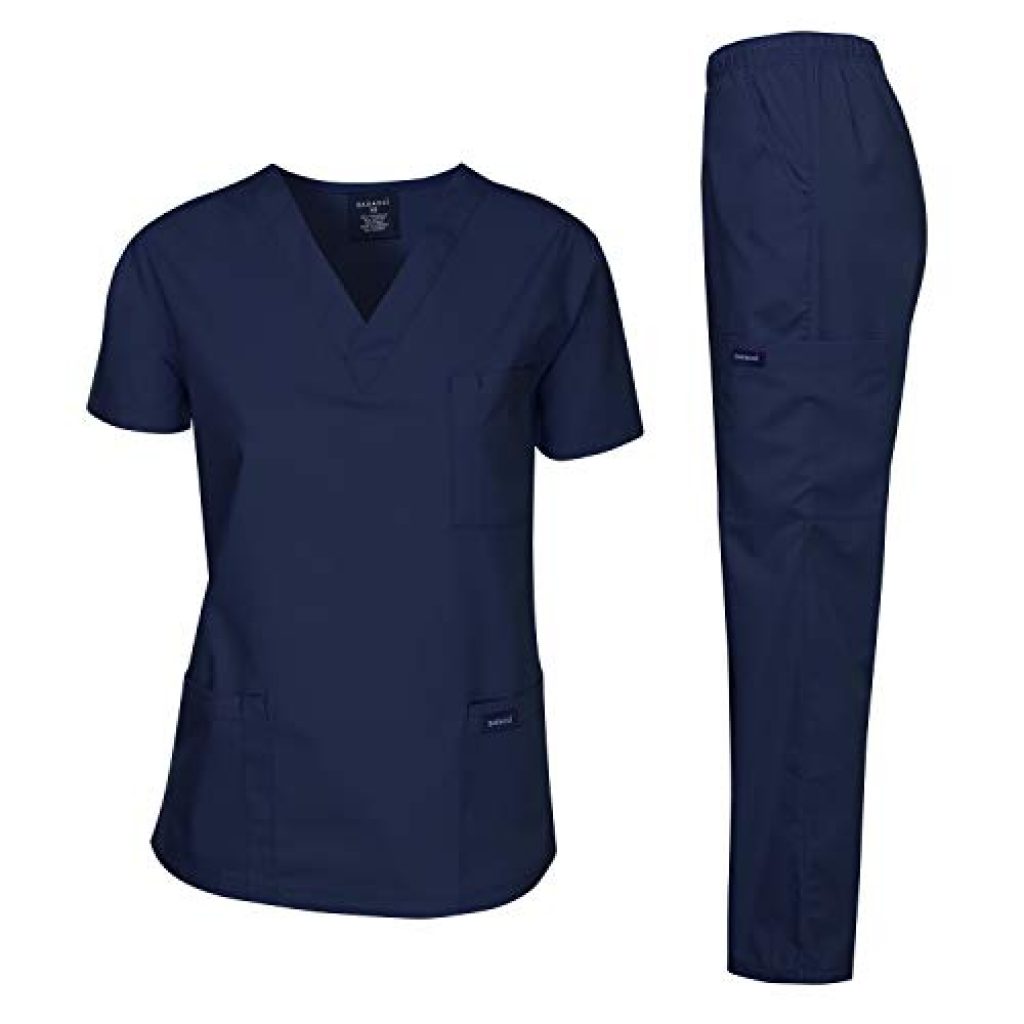

A cotton-polyester blend with a small percentage of spandex — such as 55% cotton, 42% polyester, 3% spandex — is the best all-around choice for most healthcare workers. It offers breathability, durability, and enough stretch for active roles. If you work in a high-sweat environment, prioritize moisture-wicking synthetic blends instead. For roles with strict infection control requirements, look for fabrics with antimicrobial treatment built into the weave.
Most working healthcare professionals need a minimum of five complete sets — tops and pants — to rotate comfortably through a standard work week without laundering daily. If your facility uses a contracted laundry service with a longer turnaround, seven sets is a safer number. Having extra also means you always have a clean set on hand when an unexpected extra shift comes up.
Wash scrubs inside out in cold water using a color-safe detergent. Avoid bleach on anything that isn't white. Tumble dry on low heat rather than high, and air dry whenever your schedule allows. These steps dramatically slow down dye degradation across hundreds of wash cycles, which is especially important given how frequently medical workwear needs laundering compared to regular clothing.
Yes — but only in the right context. When you calculate the annual cost of ownership (purchase price divided by lifespan), premium scrubs often cost the same per year as budget options. The real difference is comfort, fit, and performance during those years. For high-activity clinical roles or anyone working full-time hours, the ergonomic and physical benefits of a well-constructed, stretch-fabric scrub pay dividends in reduced fatigue and physical strain.
That depends on your facility's policies. Many hospitals use color-coded scrubs to distinguish departments — ICU staff may wear a different color than surgical techs or lab personnel. Always check your facility's dress code policy before purchasing. If you float between departments or anticipate role changes, it makes sense to start with budget-tier scrubs until your color requirements are stable before investing in a full premium wardrobe.
The best scrubs for medical professionals are the ones that support your body through every demanding hour of your shift — and choosing them doesn't have to be complicated. Start with the right fabric for your role, nail your sizing before buying in bulk, care for your scrubs properly to extend their life, and invest at the tier that matches how hard you actually work your workwear. Use the pricing table above to guide your budget, pick one set to test-wash first, and build your full wardrobe once you know it holds up — your comfort at work is worth the extra fifteen minutes of research.


About Mehnaz
Mehnaz is the founder and editor of RipPain, a health resource site dedicated to helping readers navigate pain management, recovery, and medical device research. Her work on the site is driven by personal experience caring for seriously ill family members, which led her to study evidence-based guidance from physicians, pain specialists, and published medical research. She curates and summarizes expert medical insights to make credible health information accessible to everyday readers.
You can get FREE Gifts. Or latest Free phones here.
Disable Ad block to reveal all the info. Once done, hit a button below
 Mehnaz