Foot Care

Foot Care Tips – Our Feet Deserve Equal Attention

Mehnaz

A consistent foot care tips and routine is the most effective thing you can do to prevent pain, infections, and long-term damage before they start. Clean, dry, moisturize, and inspect — those four steps form the foundation of healthy feet. Whether you're managing a chronic condition, staying active, or simply want to avoid the aches that sneak up over time, your routine needs to match your lifestyle. Start by browsing the foot care category for condition-specific guides, or keep reading for a complete breakdown that covers everything.
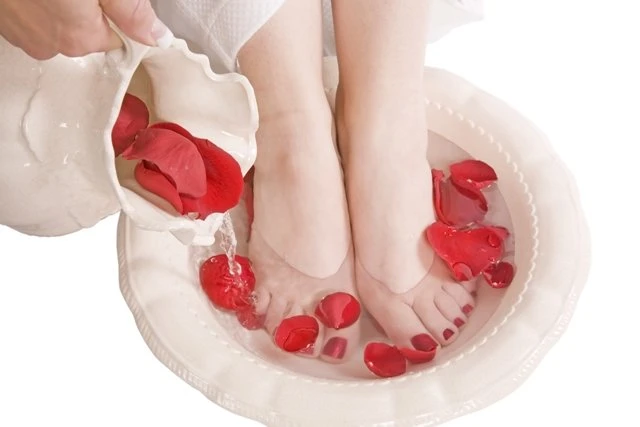
Foot Care Tips - Soaking Your Feet In A Bowl

Your feet carry your full body weight with every single step. Over an average day of walking, a 150-pound person places roughly 60 tons of cumulative pressure on their feet. Despite that load, most people give their feet far less daily attention than their face, hair, or hands. The result is entirely predictable — cracked heels, fungal infections, ingrown toenails, and chronic foot pain that compounds over time. A few minutes of consistent care each day changes that outcome completely.

This guide covers five key areas: who benefits most from a structured routine, the daily habits that matter, the mistakes causing the most damage, proven best practices, and a long-term strategy you can realistically maintain. Work through the sections most relevant to your situation and start applying what you learn today.

Who Needs a Foot Care Routine Most

Almost everyone benefits from a consistent foot care routine — but some groups face significantly higher risks when they skip it. Knowing where you fall helps you prioritize the steps that matter most for your situation.

Athletes and Active People

If you run, hike, cycle, or train regularly, your feet absorb serious punishment every session. Without a proper routine, that punishment turns into injury over time.

  • Blisters develop where shoes rub against damp skin — moisture management is your first line of defense
  • Calluses build up on pressure points and crack if not regularly buffed and moisturized
  • Plantar fasciitis develops gradually from overuse and inadequate support — early stretching and orthotics prevent it from becoming a chronic issue
  • Toenail bruising is common from repetitive impact — nails that are too long lift against the shoe box and blacken
  • Post-workout foot inspections catch problems before they escalate — blisters caught early heal in days, ignored ones sideline you for weeks

If you're already dealing with arch discomfort during or after activity, our guide on treating foot arch pain covers targeted stretches and treatment approaches that deliver real relief.

People with Diabetes

For diabetics, foot care is a medical necessity — not optional. Peripheral neuropathy (nerve damage that reduces sensation in the feet) means small cuts, blisters, and pressure sores often go completely unnoticed. Combined with poor circulation that slows healing, even a minor wound can become a serious, limb-threatening infection without prompt attention.

  • Inspect your feet every single day — top, bottom, and between every toe
  • Never walk barefoot, even on clean indoor floors
  • Trim toenails straight across — never curved — to prevent ingrown nails
  • Wear properly fitted shoes with smooth interior lining and no pressure points
  • Report any wound, sore, or skin change to your doctor immediately — don't wait to see if it heals on its own

According to the CDC's guidelines on diabetes and foot complications, people with diabetes are significantly more likely to face hospitalization from foot problems that could have been caught early with consistent daily inspection. Our detailed diabetes foot check guide walks you through exactly what to look for and when to call your doctor.

Seniors and Older Adults

Foot problems increase substantially with age. Skin thins, circulation slows, joints stiffen, and reaching the feet for basic care becomes physically harder. Problems go unnoticed longer — and when they're finally caught, they're harder to treat.

  • Toenail fungus becomes more common and significantly harder to eliminate
  • Bunions and hammertoes worsen progressively without proper footwear adjustments
  • Falls linked to foot pain are a leading cause of serious injury in older adults
  • Arthritis gradually changes foot shape — shoes that fit well at 50 may not work at 70
Risk GroupKey Foot RisksPriority Care StepsRecommended Check-Up Frequency
AthletesBlisters, plantar fasciitis, calluses, nail bruisingMoisture control, arch support, post-workout inspectionAs needed / with any injury
DiabeticsUlcers, slow-healing wounds, neuropathyDaily inspection, never barefoot, properly fitted footwearEvery 3–6 months (podiatrist)
SeniorsFungal nails, fall risk, arthritis changesMoisturizing, professional nail trimming, supportive shoesEvery 6–12 months (podiatrist)
Office WorkersTight calves, poor circulation, bunion pressureStretch breaks, proper footwear, compression socksAnnually
General AdultsDry skin, minor infections, callus buildupDaily cleaning, moisturizing, shoe rotationAnnually

Your Daily Foot Care Tips and Routine

A solid foot care tips and routine takes less than 10 minutes a day. These are the non-negotiables — skip them consistently and problems compound quickly into conditions that take weeks or months to resolve.

Cleaning and Soaking

Wash your feet every day with soap and warm water. Don't just let shower water run over them — actually scrub. There's a meaningful difference.

  1. Use warm, not hot water — hot water strips your skin's natural oils and accelerates heel cracking
  2. Scrub between every toe with a washcloth or soft-bristle brush — this is where fungus and bacteria concentrate
  3. Once a week, soak for 10–15 minutes if your skin is rough or your feet ache after long days on your feet
  4. Dry completely before putting on socks or shoes — damp skin inside a closed shoe is the primary cause of athlete's foot

Soaking also softens calluses and rough patches, making them easier to remove with a pumice stone immediately after. One important exception: if you have diabetes, skip extended soaking — prolonged water exposure dries out already fragile skin and increases infection risk.

Moisturizing the Right Way

Most people either skip moisturizing entirely or apply it incorrectly. Both lead to cracked, painful skin that's harder to repair once it breaks down.

  • Apply a foot cream or thick lotion immediately after drying your feet — skin absorbs best when warm
  • Focus on heels and the ball of the foot, where friction causes the most dryness and cracking
  • Skip the areas between your toes — applying cream there traps moisture and promotes fungal growth
  • Use a pumice stone or foot file on rough patches before moisturizing for significantly better product penetration
  • Pull on socks after moisturizing before bed to lock in hydration while you sleep — this accelerates heel repair dramatically

If you're dealing with severe dryness or deep heel cracks that aren't responding to regular body lotion, read our review of dedicated heel repair creams — some formulations deliver results that standard moisturizers simply can't match.

Toenail Care Basics

Toenail care is straightforward when done regularly on a consistent schedule. Let it slide and you're looking at painful ingrown nails, fungal infections, or bruising from pressure inside shoes.

  • Trim nails straight across, never curved at the corners — rounding is the main cause of ingrown toenails
  • File any sharp edges smooth after clipping to prevent snagging on socks
  • Always trim after a shower while nails are soft — cutting dry nails causes splitting and cracking
  • Leave a small amount of white nail visible at the tip — cutting too short exposes the nail bed and creates painful pressure
  • Disinfect your clippers between uses, especially if sharing with others

Foot Care Mistakes That Damage Your Feet

Even well-intentioned people make these errors consistently. Recognizing and stopping them matters just as much as building positive habits — sometimes more.

Wearing the Wrong Footwear

Footwear is responsible for the majority of common foot problems. The damage usually builds slowly — you feel fine until a threshold is crossed and the pain becomes chronic.

  • Shoes that are too narrow compress your toes and cause bunions, nerve pain, and hammertoes that worsen over years
  • High heels shift your body weight entirely to the ball of the foot — manageable occasionally, damaging as everyday footwear
  • Worn-out shoes lose their cushioning and structural integrity — the midsole compresses and stops absorbing impact on your joints
  • Flip-flops offer no arch support and no heel stability — fine for short walks to the pool, harmful as primary daily footwear
  • Going barefoot on hard surfaces for extended periods adds unnatural stress to the plantar fascia and heel
Replace your shoes every 300–500 miles of wear, or every 6–12 months for everyday footwear — whichever comes first. A shoe that looks fine on the outside can have a completely collapsed midsole that's no longer protecting your feet or joints at all.

Skipping Daily Foot Inspections

Most foot problems are caught late simply because people don't look at their feet. A 30-second visual check each morning or evening prevents serious complications from developing undetected — especially if you have reduced sensation or circulation issues.

What to check for every day:

  • Redness, warmth, or swelling anywhere on the foot (signs of infection or inflammation)
  • Any break in the skin — cuts, blisters, open sores, or scratches
  • Toenail discoloration, thickening, or lifting (early warning signs of fungal infection)
  • Unusual scaling, peeling, or maceration (white softening) between the toes
  • New or changing areas of numbness or tingling

Ignoring Pain Until It Gets Serious

Pain is information. Pushing through consistent foot pain without addressing the cause converts manageable problems into chronic injuries that require months of treatment.

  • Heel pain worst in the morning: the classic sign of plantar fasciitis — read our plantar fasciitis guide to understand what's happening and how to address it before it becomes severe
  • Top-of-foot pain after impact activity: could signal a stress fracture — stop high-impact exercise and get evaluated
  • Burning or tingling: often indicates nerve compression, Morton's neuroma (nerve irritation between toes), or peripheral neuropathy
  • Sudden swelling in one foot only: asymmetrical swelling needs prompt medical evaluation — it can indicate a clot or fracture

Proven Best Practices for Healthier Feet

These are the habits foot specialists recommend consistently — supported by clinical evidence and real-world results. Build them into your daily life and your feet will reflect the investment.

Choosing Shoes That Actually Support You

Shoe selection is the single highest-impact foot care decision you make on a regular basis. You wear shoes for hours every day — the wrong pair does constant, cumulative damage that eventually surfaces as pain or injury.

What to prioritize when buying shoes:

  • Toe box width: your toes should wiggle freely with no compression or overlap
  • Arch support: the insole should follow the natural contour of your arch, not force it flat
  • Heel counter: press the back of the shoe — it should be firm and hold its shape, not collapse
  • Cushioning: matched to your activity level — high-impact use needs more absorption than sedentary wear
  • Shop in the afternoon when feet are at their daily maximum size — feet swell by up to half a size through the day
  • If one foot is larger than the other, always fit to the larger foot

When to Use Orthotics

Orthotics — shoe inserts designed to correct foot alignment and distribute pressure more evenly — are not reserved only for people with severe diagnosed conditions. They benefit anyone dealing with flat feet, high arches, overpronation (foot rolling inward during gait), or recurring heel and arch pain.

  • Over-the-counter options work well for mild to moderate issues and cost a fraction of custom versions
  • Custom orthotics prescribed by a podiatrist are worth the investment when conservative options have failed or for severe structural problems
  • Replace orthotics every 1–2 years — the materials compress over time and gradually lose their corrective effect
  • Use orthotics consistently across your everyday shoes — not just in athletic footwear

For a side-by-side comparison of top-rated options across different foot types and budgets, see our complete guide to orthotic insoles.

Foot Strengthening and Stretching

Most people stretch their hamstrings, calves, and hips — but ignore the muscles inside the foot itself. Weak intrinsic foot muscles contribute to arch collapse, plantar fasciitis, poor balance, and a higher risk of ankle sprains.

Add these exercises to your daily routine:

  1. Towel scrunches: place a towel flat on the floor, scrunch it toward you using only your toes — 3 sets of 10 per foot
  2. Marble pickups: use your toes to lift marbles from the floor into a cup — 1 minute per foot
  3. Calf raises: rise onto your toes, hold for 2 seconds, lower slowly — 3 sets of 15
  4. Arch rolling: slowly roll a tennis ball under your arch, forward and back — 2 minutes per foot
  5. Towel stretch: loop a towel around the ball of your foot and gently pull back with your knee straight — hold 30 seconds, 3 repetitions per side

For a complete foot-strengthening program with proper technique guidance, see our guide to strengthening your feet with exercises.

Building a Long-Term Foot Health Strategy

A foot care tips and routine isn't just about solving today's problem — it's about protecting your ability to move comfortably for the rest of your life. These habits are the ones that pay off over years and decades.

Regular Professional Check-Ups

Most people see a dentist every six months without question. Your feet deserve the same kind of scheduled, proactive attention — especially because foot problems rarely announce themselves loudly until they're already serious.

  • If you're healthy with no existing foot conditions, aim for a podiatrist (foot specialist) visit at least once a year
  • Diabetics should see a podiatrist every 3–6 months — more frequently if complications like neuropathy or previous ulcers are already present
  • Seniors benefit enormously from regular professional check-ups — a podiatrist handles difficult nail trimming safely, identifies structural changes, and catches early infections that are easy to miss at home
  • Don't wait for a crisis — scheduled visits are always faster, cheaper, and less invasive than emergency treatment for a problem that escalated

Seasonal and Lifestyle Adjustments

Your feet's needs shift with the seasons and with changes in your health, activity level, and age. A routine that never adapts will eventually fall short.

  • Winter: indoor heating strips moisture from the air — feet get drier faster, so moisturize more often and switch to a richer cream formula
  • Summer: feet sweat more and spend more time in open sandals — inspect more frequently for blisters, fungal growth, and sun damage on exposed skin
  • After injury: adapt your routine entirely — different footwear, reduced activity load, possible orthotics, and closer monitoring during recovery
  • With age: foot size and arch height genuinely change — get your feet measured every few years and update your shoes accordingly rather than assuming your old size still fits

Habits That Actually Stick

The best foot care routine is the one you consistently do. These strategies make maintenance automatic rather than a recurring decision you have to talk yourself into.

  • Stack foot care onto an existing habit — moisturize right after your evening shower, every night, without treating it as a separate task
  • Keep supplies visible on your bathroom counter — foot cream out of sight stays unused
  • Rotate between at least two pairs of shoes so each pair dries fully between wears — this dramatically reduces bacterial and fungal buildup
  • Switch to moisture-wicking socks made of wool or synthetic fibers — cotton holds sweat against your skin and stays wet far longer
  • Put shoe replacement on a calendar reminder — it should happen on schedule, not when your feet are already hurting and you've been tolerating worn-out cushioning for months

Frequently Asked Questions

How often should you follow a foot care routine?

Every day for the core steps — washing, thorough drying, and a quick visual inspection. Moisturize daily or at minimum every other day, focusing on your heels. Trim toenails every 2–4 weeks depending on how quickly yours grow. A deeper soak and callus removal session once a week is sufficient for most people. If you're diabetic or have circulation issues, daily inspection is non-negotiable regardless of whether you see any obvious problems.

What is the single most important step in a daily foot care routine?

Drying your feet completely after washing — especially between the toes. Moisture trapped in that space is the primary cause of athlete's foot and bacterial skin infections. No amount of moisturizing, stretching, or premium footwear compensates for consistently damp feet sealed inside socks and shoes for hours at a time. Get this one step right and you eliminate a huge category of preventable problems.

When should you see a podiatrist instead of handling foot care at home?

See a podiatrist if you have persistent pain that doesn't improve within 2–3 weeks, any wound or sore that isn't healing on its own, significant toenail changes like thickening or discoloration, spreading redness or warmth that suggests infection, or if you have diabetes and notice any skin or nail change at all. Early visits are always faster and less costly than treating a problem that's been ignored until it becomes severe.

Next Steps

  1. Start your routine tonight: wash your feet with soap, dry completely between every toe, apply a good foot cream to your heels, and do a 30-second visual inspection of both feet before bed.
  2. Evaluate your current footwear: press your thumb firmly into the midsole of your most-used shoes — if there's little resistance, the cushioning is gone. Check that your toes have room to move freely without compression.
  3. Add five minutes of foot exercises to your morning: calf raises, towel scrunches, and arch rolling build meaningful strength over weeks. Consistency matters more than intensity here.
  4. Schedule a podiatrist appointment: if you haven't had a professional foot evaluation in over a year — or if you have diabetes, circulation problems, or pain that keeps returning — book the appointment now instead of adding it to a mental list.
  5. Stock a basic foot care kit: a pumice stone, a quality foot cream, straight-edge nail clippers, and moisture-wicking socks cover the essentials. Removing friction from the routine makes it dramatically easier to maintain.
Mehnaz

About Mehnaz

Mehnaz is the founder and editor of RipPain, a health resource site dedicated to helping readers navigate pain management, recovery, and medical device research. Her work on the site is driven by personal experience caring for seriously ill family members, which led her to study evidence-based guidance from physicians, pain specialists, and published medical research. She curates and summarizes expert medical insights to make credible health information accessible to everyday readers.

You can get FREE Gifts. Or latest Free phones here.

Disable Ad block to reveal all the info. Once done, hit a button below