
About 1 in 10 people will develop plantar fasciitis during their lifetime — making it the most common cause of heel pain in adults globally. If that sharp, stabbing sensation under your heel greets you every morning before you've taken five steps, you already know how debilitating it can be. Getting on top of plantar fasciitis heel pain treatment early is the difference between a six-week recovery and an eighteen-month ordeal. This guide, part of RipPain's foot care resource library, breaks down every effective option available — from free daily stretches to advanced clinical interventions — so you can make informed decisions at every stage of your recovery.
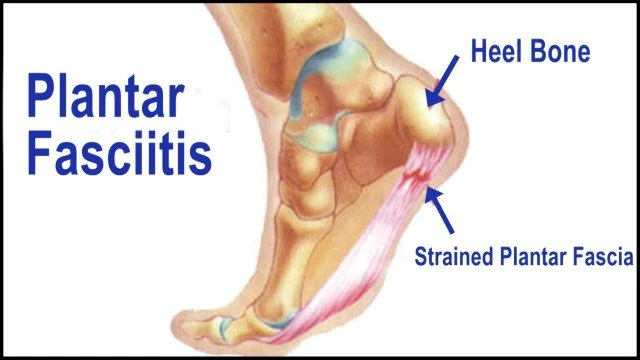
Plantar fasciitis develops when the plantar fascia — the thick fibrous band connecting your heel bone to the base of your toes — sustains repeated microscopic tears from overuse, poor footwear, or abnormal foot mechanics. The resulting inflammation creates that characteristic heel pain that's worst with your first steps in the morning or after prolonged sitting, then eases as the tissue warms up. Flat feet, high arches, tight calf muscles, obesity, and sudden spikes in activity are the most common risk factors. It can affect one or both feet and, without proper attention, becomes a stubborn chronic problem.
Here's the reassuring reality: approximately 90 percent of plantar fasciitis cases resolve with conservative, nonsurgical treatment, according to widely accepted clinical evidence on plantar fasciitis. Surgery is rarely necessary. What determines your outcome is the quality and consistency of your treatment approach, not luck. The sections below cover everything — from day-one strategies to advanced escalation options — so you move through recovery as efficiently as possible.
Contents
Stretching is the foundation of every effective plantar fasciitis heel pain treatment plan, and two exercises deliver the most impact. The plantar fascia stretch is performed before you take your first steps of the day: sit on the edge of your bed, cross your affected foot over your opposite knee, and pull your toes firmly back toward your shin. Hold for 10 seconds and repeat 10 times. A landmark study published in Clinical Orthopaedics and Related Research confirmed this stretch reduces morning pain more effectively than Achilles stretching alone, making it the single most important daily habit for heel pain sufferers.
Calf flexibility is equally critical and often overlooked. Tight gastrocnemius and soleus muscles pull through the Achilles tendon and directly amplify the load placed on the plantar fascia. Stand at arm's length from a wall, step one foot back, and hold a straight-leg stretch for 30 seconds to target the gastrocnemius — then bend the knee slightly to engage the soleus. Three repetitions per set, three times a day is the clinical recommendation. Daily consistency over weeks produces far better outcomes than sporadic intense sessions. There are no shortcuts here — just steady, deliberate repetition applied day after day.
Pushing through severe heel pain doesn't build resilience — it extends the damage. During the acute phase, reduce high-impact activities like running, jumping, and prolonged walking on concrete or tile. Substitute swimming or cycling to preserve cardiovascular fitness without the repetitive impact loading. At the same time, complete rest is counterproductive. The plantar fascia responds to progressive mechanical loading — controlled stress is what drives healthy tissue remodeling. Eliminating all activity slows the healing process rather than speeding it up.
If your job demands eight-plus hours on your feet, anti-fatigue mats and scheduled seated breaks make a measurable difference. A physical therapist can design a program that keeps you active and mobile without aggravating the injury — particularly valuable for athletes managing a return-to-sport timeline. Movement is medicine here; the key is managing the dose.
The most powerful first-line interventions for plantar fasciitis cost almost nothing. Stretching, icing, and activity modification are entirely free. Athletic taping — specifically low-dye taping that supports the arch and unloads the plantar fascia — costs just a few dollars per roll and provides immediate symptom relief for many people. Even proper footwear, the one early purchase genuinely worth making, is a one-time investment that works around the clock. These low-cost measures resolve the majority of plantar fasciitis cases when applied consistently and without compromise on daily follow-through.
If basic measures aren't producing clear improvement after four to six weeks, targeted spending makes real sense. The table below compares the most common treatment options by typical cost, effectiveness, and expected relief timeline so you can allocate your resources intelligently.
| Treatment | Typical Cost | Effectiveness | Relief Timeline |
|---|---|---|---|
| Stretching & exercises | Free | High | 4–12 weeks |
| Athletic taping | $5–$15/month | Moderate–High | Immediate symptom relief |
| OTC insoles / orthotics | $20–$80 | Moderate–High | 2–8 weeks |
| Night splint | $25–$80 | High | 4–8 weeks |
| Physical therapy | $75–$150/session | Very High | 6–12 weeks |
| Custom orthotics | $300–$800 | Very High | 4–12 weeks |
| Corticosteroid injection | $100–$400 | High (short-term) | Days to 3 weeks |
| Extracorporeal shockwave therapy (ESWT) | $500–$1,500 | High (chronic cases) | 6–12 weeks |
Physical therapy is worth every dollar if your insurance covers it — even a short course of sessions establishes a structured home program that carries you through the rest of recovery on your own. Custom orthotics are expensive but genuinely superior for people with significant flat feet, high arches, or pronounced overpronation that over-the-counter devices can't fully correct. Corticosteroid injections deliver fast short-term relief, but repeated use raises the risk of plantar fascia rupture — they're appropriate for acute, debilitating flare-ups, not routine management.
Conservative treatment has a near-unrivaled track record, and the evidence firmly supports it as the correct first-line approach for virtually every patient. Stretching, supportive footwear, orthotics, and night splints produce lasting relief in the vast majority of cases — without the risks associated with injections or surgical procedures. The one genuine drawback is time. You're committing to weeks or months of consistent effort before achieving full resolution, and for people dealing with severe pain that affects their work, fitness routine, and daily quality of life, that timeline is genuinely frustrating.
Combining multiple conservative interventions simultaneously accelerates recovery beyond what any single strategy achieves in isolation. A structured stretching protocol, proper footwear, targeted insoles, and a night splint used together attack the problem from multiple angles — reducing inflammation, maintaining tissue length, and redistributing mechanical load all at once. The compounding effect of these combined measures is why adherence matters more than any individual treatment choice.
Steroid injections are appropriate when pain is severe, debilitating, and conservative measures have genuinely failed after six to eight weeks of consistent effort. They reduce inflammation rapidly but don't address the underlying tissue damage driving the condition. Platelet-rich plasma (PRP) therapy is a newer option with encouraging outcomes for chronic plantar fasciitis, though costs are high and insurance rarely covers it. Extracorporeal shockwave therapy delivers acoustic energy to the affected tissue to stimulate healing and has strong clinical evidence specifically for cases lasting six months or more. Surgery — a partial plantar fascia release — carries a real risk of destabilizing the foot's arch and is considered only when all other options have definitively failed. Fewer than 5 percent of patients ever reach that point.
If you're new to plantar fasciitis or managing a fresh flare-up, start the conservative fundamentals immediately without delay. Do the plantar fascia and calf stretches every morning and evening without exception. Stop walking barefoot on hard floors — this is one of the most common habits that extends recovery unnecessarily, and it's also one of the easiest to eliminate. Put on supportive footwear the moment your feet hit the ground each morning, even just to walk to the bathroom.
Apply ice for 15 to 20 minutes after any activity that loads the foot. If you stand or walk during long work shifts, compression socks designed specifically for plantar fasciitis provide meaningful arch support and improve circulation throughout the day. These first-line interventions address the overwhelming majority of cases when applied with real consistency over four to six weeks.
If you're not seeing clear, measurable improvement after six weeks of diligent home care, it's time to see a podiatrist or orthopedic specialist. They confirm the diagnosis, rule out other causes of heel pain — including stress fractures, nerve entrapment, or heel spurs as a primary driver — and assess whether your foot mechanics warrant prescription orthotics. Physical therapy is the logical clinical next step; a trained specialist will identify the specific muscle weaknesses and movement patterns contributing to your condition and build a corrective program designed around your foot specifically.
For chronic plantar fasciitis lasting six months or more, ESWT is a strong option to pursue before considering injections or surgical referral. Don't normalize chronic heel pain as your new baseline — effective escalation options exist and have solid clinical backing. Advocate for them with your healthcare provider rather than waiting passively.
Runners are among the highest-risk groups for plantar fasciitis because of the repetitive impact loading on the fascia with every stride. Overtraining — specifically sudden increases in weekly mileage — is the classic trigger. A safe training progression never increases volume by more than 10 percent per week. Transitioning to minimalist or zero-drop shoes too quickly is another frequent culprit, as it dramatically shifts load to tissues that haven't yet adapted to the demand. Both mistakes are avoidable with discipline and patience.
During an active flare-up, switch to cycling or pool running to preserve fitness without impact. When you return to running, start on soft surfaces such as grass or packed trail and build volume incrementally. Choosing supportive sandals designed for plantar fasciitis for everyday wear at home — rather than going barefoot — is a simple habit that meaningfully accelerates recovery between training sessions.
Nurses, teachers, retail employees, and anyone clocking eight or more hours on their feet face a unique challenge: they can't simply rest the injury. For this group, footwear becomes the highest-leverage intervention available. Shoes engineered for nurses with plantar fasciitis combine firm arch support, deep heel cushioning, and a slight heel-to-toe drop that reduces plantar fascia tension throughout an entire long shift. This single change often produces more relief than any other intervention for people in demanding physical occupations.
Anti-fatigue mats at standing workstations reduce cumulative foot strain over a full day. Scheduled seated breaks — even five minutes per hour — allow the tissue to decompress and recover incrementally. Calf and plantar stretches performed during those breaks compound the benefit significantly. The plantar fascia doesn't get a day off in these professions, which is precisely why footwear quality and stretching consistency matter more, not less, than they do for sedentary lifestyles.
The worst plantar fasciitis pain almost always strikes within the first 10 to 20 steps of the morning. The mechanics are straightforward: during sleep, the plantar fascia contracts and shortens into a resting position. When you suddenly bear your full body weight on it, the rapid stretch triggers sharp, tearing pain. A brief pre-step routine breaks this cycle directly and completely.
Before your feet touch the floor, perform 10 plantar fascia stretches — pull your toes firmly toward your shin and hold for 10 seconds each. Follow with 10 slow ankle circles in each direction to warm the joint. Keep a pair of supportive slippers on your nightstand and put them on before you stand up. Never walk barefoot on hard floors first thing in the morning, even for a short distance. This routine addresses the root cause of morning pain rather than just tolerating it as an unavoidable daily event.
Your evening habits determine how effectively your foot heals while you sleep. Rolling a frozen water bottle slowly under your arch for 10 to 15 minutes after a long day reduces inflammation and breaks up adhesions forming in the fascia. Apply moderate pressure and move deliberately — focus on the arch and the area just in front of the heel where tension concentrates. A night splint worn during sleep keeps the plantar fascia at a consistent lengthened position throughout the night, preventing the overnight contraction that causes severe morning pain. This is one of the most clinically validated tools for people who struggle most in those first morning steps.
Roll a frozen water bottle under your arch for 10 minutes before bed — it reduces inflammation and prevents the overnight tissue tightening that causes that brutal first-step pain every morning.

Taping the arch before activity — or before putting on a night splint — gives the plantar fascia additional mechanical support that reduces moment-to-moment load. Low-dye taping technique, easily learned from a physical therapist in a single demonstration session, is an inexpensive and highly practical daily tool that many people underuse simply because they aren't aware of it.
Your footwear is either actively contributing to your recovery or actively prolonging it — there is no neutral ground with plantar fasciitis. Shoes with a firm heel counter, solid medial arch support, and a heel-to-toe drop of at least 8 millimeters are the baseline requirement during recovery. Zero-drop shoes, flat ballet flats, and flip-flops dramatically increase plantar fascia tension and belong on the shelf until you're fully healed. Every hour spent in unsupportive footwear is an hour spent re-irritating tissue that's working to rebuild itself.
Over-the-counter orthotics are effective for the majority of sufferers and worth trying early. Plantar fasciitis insoles with deep heel cups and built-in medial arch support redistribute weight across the entire foot, reducing the concentration of stress at the fascia insertion point. They're significantly less expensive than custom devices and produce meaningful results for most patients. If you've tried quality OTC insoles without success, a podiatrist can take a precise mold of your foot and fabricate a fully custom orthotic — the gold standard for complex foot mechanics that off-the-shelf products can't address.
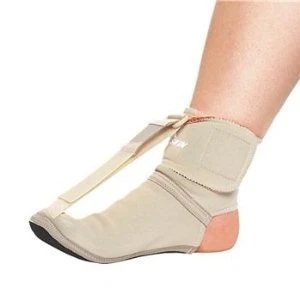
Night splints are one of the most powerful tools available for people experiencing severe morning pain. They hold the foot in neutral or slight dorsiflexion during sleep, keeping the plantar fascia at a consistent length so it doesn't contract overnight and re-tear with your first steps. Both dorsal sock-style splints and boot-style splints are effective. The dorsal version is lower-profile and generally easier to sleep in for people who move around in bed or sleep on their side. The Swede-O FXT Plantar Fascia Night Splint shown here is a well-regarded option with a strong track record in this category.
For soft tissue work, a quality foot massager complements manual rolling and stretching by improving circulation and releasing tension in the intrinsic foot muscles and calf. Devices that target the arch and heel — rather than only the ball of the foot — provide the most relevant benefit for plantar fasciitis specifically. Used consistently in the evenings after activity, they reduce residual soreness and accelerate the tissue remodeling process that leads to lasting resolution.
Most cases of plantar fasciitis resolve within 6 to 12 months with consistent conservative treatment. Mild cases addressed early often improve significantly within 6 to 8 weeks. Chronic cases that are inadequately managed or go untreated can persist for 18 months or longer. Starting the right interventions as soon as symptoms appear is the single most effective way to shorten your recovery timeline.
Moderate walking in supportive footwear is beneficial — it promotes healthy tissue loading and blood flow without the impact stress of running or jumping. Prolonged walking on hard surfaces in flat or unsupportive shoes, or walking barefoot, aggravates the condition significantly. Wearing proper footwear at all times and avoiding activities that produce sharp pain during or immediately after activity is the guiding principle.
The fastest relief comes from combining multiple strategies at once: daily plantar fascia and calf stretches, supportive footwear worn consistently, icing after activity, and a night splint during sleep. Adding a structured physical therapy program accelerates the process further. There's no single magic fix — the speed of recovery is directly proportional to how many effective strategies you apply simultaneously and how consistently you follow through.
Technically yes, but "on its own" typically means 12 to 18 months of ongoing pain, during which time compensatory gait changes often cause secondary injuries in the knee, hip, or lower back. Active treatment shortens that timeline significantly and prevents those downstream problems. Waiting it out passively is rarely the smart or efficient strategy when effective interventions are accessible.
Yes — gentle, controlled stretching is appropriate even during a painful flare-up and is especially important before your first steps each morning. Stretching should never produce sharp or worsening pain; if it does, reduce the intensity and have a physical therapist assess your technique. Consistent gentle stretching is one of the most evidence-backed interventions available and should not be skipped during painful periods.
The most common triggers include sudden increases in physical activity, prolonged standing on hard surfaces, wearing flat or unsupportive footwear, walking barefoot at home, weight gain, and skipping your daily stretching routine. Returning to high-impact exercise too quickly after a rest period is another frequent culprit. Identifying and consistently managing your personal triggers is essential for long-term control of the condition.
Not for everyone. Over-the-counter insoles with proper arch support provide meaningful relief for most plantar fasciitis sufferers and are worth trying as a first step. Custom orthotics offer the greatest advantage for people with significant flat feet, high arches, or biomechanical abnormalities that off-the-shelf devices cannot adequately correct. A podiatrist can assess your foot structure and tell you definitively whether custom devices are warranted in your case.
Plantar fasciitis is painful and persistent — but it's also highly treatable when you approach it with the right combination of strategies applied consistently. Start today: commit to your morning stretching routine, replace unsupportive footwear immediately, and don't wait until the pain becomes unbearable before seeking professional guidance. The sooner you begin, the faster your recovery — and the less likely you are to develop the chronic, treatment-resistant version of this condition that takes far longer to resolve.


About Mehnaz
Mehnaz is the founder and editor of RipPain, a health resource site dedicated to helping readers navigate pain management, recovery, and medical device research. Her work on the site is driven by personal experience caring for seriously ill family members, which led her to study evidence-based guidance from physicians, pain specialists, and published medical research. She curates and summarizes expert medical insights to make credible health information accessible to everyday readers.
You can get FREE Gifts. Or latest Free phones here.
Disable Ad block to reveal all the info. Once done, hit a button below
 Mehnaz