
What if the real source of that persistent morning stiffness has been on the bed all along? Choosing the best pillows for neck pain is one of the most impactful — and most consistently overlooked — steps in neck and joint pain management. The right pillow supports the cervical spine's natural curve, distributes head weight evenly, and prevents the cumulative micro-stress that accumulates over hours of sleep. The answer to lasting cervical relief often begins before the first stretch of the day.
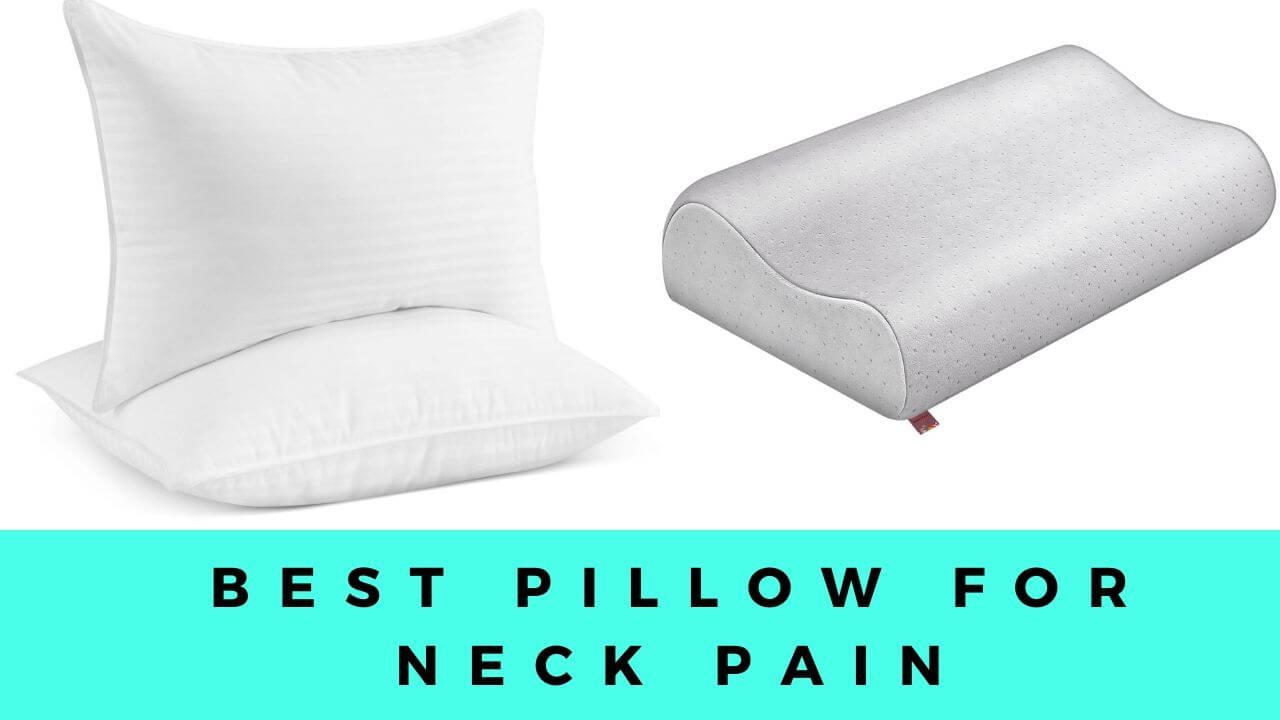
Neck pain affects an estimated 20–70% of adults at some point in their lives, according to research indexed by the National Institutes of Health. Sleep posture and pillow choice are consistently identified as modifiable risk factors — meaning they are fully within reach of correction. Unlike pharmaceutical interventions, upgrading to the right pillow carries no side effects and delivers compounding benefits every single night.
Before diving into specific picks, it helps to understand how pillow mechanics translate into cervical support — and why the wrong choice actively aggravates pain rather than simply failing to prevent it.
Contents
The term "neck pillow" covers a broad range of products, but not all of them address cervical alignment with the same precision. The best pillows for neck pain share three core properties: appropriate loft (compressed height under head weight), responsive fill material, and a shape that complements the sleeper's preferred position. When all three align, the cervical spine maintains its natural inward curve throughout the night — and morning pain diminishes significantly.
Loft refers to the compressed height of a pillow under the weight of the head. Side sleepers typically need 4 to 6 inches — enough to fill the gap between the ear and the mattress without causing lateral neck flexion. Back sleepers need a lower loft, roughly 3 to 5 inches, that cradles the cervical curve without pushing the head forward into a chin-to-chest posture. Stomach sleepers require the lowest loft possible or, ideally, no pillow under the head at all.
When loft is mismatched, the cervical vertebrae hold an angle they were never designed to sustain for 7–9 hours. Muscle groups along the trapezius and levator scapulae compensate throughout the night, generating the familiar stiffness and aching that greets many people before the alarm sounds.
Different fill materials offer distinct support profiles, and understanding each is essential before making a purchase decision:
| Pillow | Fill Type | Best Position | Loft Range | Key Advantage |
|---|---|---|---|---|
| Coop Home Goods Eden | Shredded memory foam + latex | All positions | Adjustable | Customizable loft; CertiPUR-US certified fill |
| Saatva Latex Pillow | Shredded Talalay latex | Back, side | 5–6 in | Responsive bounce; long-lasting structure |
| Tempur-Pedic TEMPUR-Neck | Solid memory foam | Back, side | Fixed contour | Ergonomic shape engineered for cervical support |
| Mediflow Water Pillow | Polyester fiber + water base | Back | Adjustable | Clinically studied; adjustable firmness via fill level |
| Avocado Green Pillow | Latex + kapok | All positions | Adjustable | Organic materials; temperature-neutral performance |
| Purple Harmony Pillow | Hyper-Elastic Polymer grid | All positions | Medium | Superior airflow; pressure-neutral grid design |
| UTTU Sandwich Pillow | Memory foam (removable layer) | Side, back | 4.7–5.9 in | Two-height adjustment via removable center piece |
| Beckham Hotel Collection | Down alternative | Stomach, back | Low–medium | Budget-friendly; fully machine washable |
| Cervical Roll Pillow | Memory foam | Back | Fixed roll | Targets cervical lordosis directly; compact for travel |
A poor pillow does not simply fail to help — it actively creates problems. Understanding the mechanisms behind this damage is the fastest way to determine whether a current pillow is the culprit behind ongoing cervical discomfort.
If neck stiffness is worst within the first 30 minutes of waking and then gradually eases throughout the day, the pillow is the likely source rather than an underlying structural pathology. Other common indicators include:
It is worth noting that not all neck pain is positional in origin. For anyone experiencing radiating pain, chest tightness, or jaw discomfort alongside neck symptoms, reading about whether neck pain can signal a heart attack before attributing all symptoms to sleep posture is a sensible precaution.
A pillow sitting too high forces the neck into lateral flexion for side sleepers, or forward flexion for back sleepers, for the entire sleep duration. A pillow too flat creates the opposite — the neck hyperextends slightly, compressing posterior cervical structures. Both scenarios generate cumulative microtrauma across every sleep cycle, night after night.
A reliable self-test: lying on the side, if the head tilts toward the shoulder the pillow is too thin; if it tilts away from the mattress, it is too thick. Correct loft keeps the ear aligned directly above the shoulder for the full duration of sleep.

Sleep position is the single most important variable in pillow selection. A pillow that earns top marks for side sleepers can actively harm a back sleeper's cervical alignment. Matching the pillow to the position — rather than selecting by brand recognition or price — is the only method that reliably produces results.
Side sleepers carry the highest demand for loft and firmness. The gap between the shoulder and the head can reach 5–6 inches on a medium-firm mattress, requiring a pillow that maintains height without collapsing overnight. Memory foam — particularly shredded for adjustability — and natural latex consistently perform best in this category. The fill should resist compression without creating pressure points at the temple or outer ear.
Side sleeping also tends to create upper back tension over time. Complementary tools like the Chirp Wheel can help release accumulated spinal tension alongside regular pillow upgrades — particularly for those with both cervical and thoracic involvement.
Back sleepers need a pillow that supports the cervical lordosis — the natural inward curve of the neck — without pushing the chin toward the chest. Contoured memory foam pillows, shaped with a central depression and elevated edges, are purpose-built for this position. Water-based pillows are an equally strong option, since fill level can be dialed to exactly the firmness the individual spine requires.
For back sleepers managing fibromyalgia-related sleep disruption, pillow selection is one piece of a broader picture. Learning how to get deep sleep with fibromyalgia addresses the full spectrum of variables affecting restorative rest beyond pillow mechanics alone.
Stomach sleeping creates the greatest cervical stress regardless of pillow choice, because the neck rotates to one side for the entire sleep period. For those unable or unwilling to change positions, a very soft, low-loft pillow minimizes rotational strain. Placing a secondary pillow under the abdomen reduces lumbar hyperextension — which indirectly eases the compensatory tension that travels up into the cervical musculature.
Selecting the right pillow type is only part of the equation. Several habitual mistakes undo even the best initial choice, keeping cervical pain locked in a cycle it does not need to stay in.
Most pillows have a functional lifespan of 18 months to 3 years depending on fill type. After that point, fill materials compress permanently, support profiles degrade, and allergen accumulation increases. Using an expired pillow is the equivalent of sleeping without support — all the alignment demands of the night, with none of the structural benefit.
Common signs a pillow has outlived its usefulness:
Retail packaging emphasizes softness and comfort feel without specifying loft height or firmness ratings. Many people select pillows based on how they feel when squeezed in a store — a gesture that bears no relationship to how the pillow performs under sustained head weight across an 8-hour sleep. Loft height and fill density are the metrics that matter, not how the outer cover feels between fingers at the point of purchase.
Pillow selection is one component of a broader musculoskeletal health strategy. Those managing chronic conditions alongside neck pain may benefit from addressing fibromyalgia-related energy and pain through targeted supplementation, or incorporating low-impact cardio options like recumbent bikes that reduce systemic inflammation without loading the cervical spine.
Even a premium pillow degrades faster than necessary without consistent upkeep. Proper care extends functional lifespan, preserves hygiene, and maintains the structural properties that make the pillow effective night after night.
Fluffing a pillow each morning restores compressed loft and redistributes fill material back toward its designed profile. Pillow protectors — separate from pillowcases and changed weekly — extend lifespan significantly by blocking body oils, perspiration, and allergens from penetrating the fill. For latex and memory foam, a breathable cotton or bamboo protector is preferable to synthetic materials that trap heat and moisture, both of which accelerate fill degradation.
For those managing broader mobility or pain challenges alongside cervical discomfort, resources like the benefits of mobility aids and heel pain treatment options address the full-body musculoskeletal picture that ultimately determines sleep quality.
Each fill type ages differently. The table below outlines realistic lifespans and the primary signal that replacement is overdue:
| Fill Type | Typical Lifespan | Primary Replacement Signal |
|---|---|---|
| Memory foam (solid) | 2–3 years | Permanent body impression; increased heat retention |
| Memory foam (shredded) | 2–3 years | Persistent clumping that cannot be redistributed |
| Latex | 3–4 years | Loss of rebound; surface crumbling or cracking |
| Buckwheat | 3–10 years | Hulls flatten and no longer mold to shape; replace hulls, not the shell |
| Down/down alternative | 1–2 years | Does not spring back when folded; permanent flat zones throughout |
| Water-based | 3–5 years | Bladder leaks, valve failure, or outer cover degradation |
Memory foam and latex pillows are the most consistently effective choices for neck pain because both maintain loft throughout the night and adapt to head weight without collapsing into flat zones. Shredded variants of each allow ongoing loft adjustment, making them suitable across multiple sleep positions.
Side sleepers typically need 4–6 inches of loft to fill the shoulder-to-ear gap without lateral flexion. Back sleepers need 3–5 inches. The most accurate gauge is a simple lying-down test: at the correct loft, the spine from the base of the skull to the lower back forms a straight horizontal line when viewed from the side.
Yes. A pillow that holds the cervical spine in lateral or forward flexion for hours at a time generates cumulative muscle strain, joint capsule stress, and nerve root irritation. The resulting pain is typically most pronounced in the first 30 minutes after waking and eases gradually as muscles warm up and decompress throughout the morning.
Down and down alternative pillows should be replaced every 1–2 years. Memory foam and shredded latex typically last 2–3 years. Natural latex pillows hold structural integrity for 3–4 years. Buckwheat hulls can last up to 10 years but may benefit from partial refilling after 3–5 years as the hulls compress and flatten.
It depends entirely on sleep position. Side sleepers generally need a firmer, higher-loft pillow to bridge the shoulder-to-ear gap. Back sleepers do better with medium firmness and a contoured shape that cradles the cervical lordosis. Stomach sleepers need the softest available option to minimize rotational stress on the cervical vertebrae during the night.
For back sleepers and those who sleep primarily supine, yes — reliably so. Contoured memory foam pillows are designed specifically to maintain the cervical lordosis during sleep. Clinical research examining both contoured foam and water-based designs, including the widely studied Mediflow, has demonstrated statistically significant reductions in morning neck pain intensity compared to standard flat pillows.
For most people, no. Stacked pillows push the head into sustained forward flexion for back sleepers and create excessive lateral flexion for side sleepers. A single well-specified pillow matched to the sleeper's position and anatomy is almost always superior to any two-pillow configuration.
Consistently. Misaligned cervical posture during sleep contributes to tension headaches at the base of the skull, shoulder impingement, and persistent upper back stiffness. Poor sleep quality also compounds systemic inflammatory conditions. Addressing pillow choice is a foundational step before pursuing more costly or invasive treatments for cervical pain.
The best pillows for neck pain are not a luxury — they are a mechanical necessity for anyone serious about cervical health. Anyone still waking with stiffness should start by auditing their current pillow against the loft, fill, and position criteria covered here, then commit to a replacement that genuinely matches how they sleep. Visit the neck and joint pain resource hub for additional guidance on managing cervical symptoms from every angle — because the right support at night makes every other treatment more effective.


About Dr. Marshall Emig, MD
Dr. Marshall Emig is a physiatrist and associate professor at the University of Colorado School of Medicine, practicing at UCHealth in Colorado. He holds board certifications in physical medicine and rehabilitation, sports medicine, and neuromuscular medicine, and has over twenty years of clinical experience. His practice focuses on musculoskeletal conditions including arthritis, spinal stenosis, carpal tunnel syndrome, and chronic pain management.
You can get FREE Gifts. Or latest Free phones here.
Disable Ad block to reveal all the info. Once done, hit a button below
 Dr. Marshall Emig, MD