
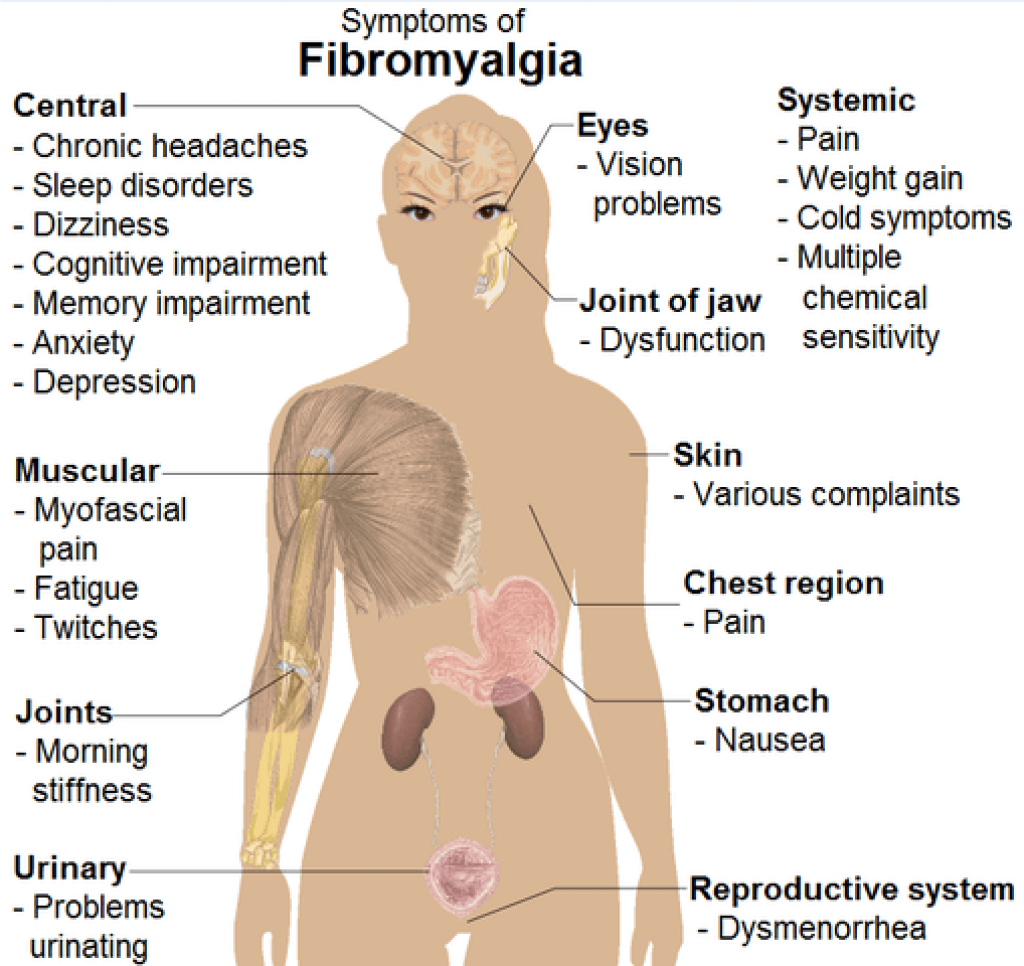
Knowing how to recover from a fibromyalgia flare-up starts with one core principle: work with your nervous system, not against it. A flare-up is a temporary but intense spike in symptoms — widespread musculoskeletal pain, crushing fatigue, cognitive fog, and sleep disruption — and a structured response gets you back to your baseline far faster than waiting it out. If you're managing fibromyalgia, this guide gives you a phase-by-phase recovery plan grounded in clinical evidence.

According to the CDC, fibromyalgia affects approximately 4 million adults in the United States and is characterized by central sensitization — a state where your central nervous system amplifies pain signals far beyond what the underlying tissue damage would justify. During a flare, this amplification goes into overdrive. That's why aggressive interventions almost always backfire. The strategies that actually work are calm, deliberate, and applied consistently.
Flare-ups vary widely in duration. Some resolve in 48 to 72 hours. Others stretch across several weeks. The difference usually comes down to how quickly you recognize warning signs, how effectively you manage triggers, and what tools you already have in place. All three are within your control.
Contents
The most effective fibromyalgia flare-up recovery follows a clear three-phase structure. Jumping straight to aggressive treatment without recognizing where you are in the flare cycle is one of the most common mistakes — and it regularly costs people days of unnecessary suffering.
Most people with fibromyalgia experience a prodrome — a predictable set of early signals that appear 12 to 48 hours before a full flare hits. Learning to spot yours creates a crucial intervention window that can dramatically reduce the flare's peak severity.
Common warning signs include:
Keep a daily symptom journal — even a simple 1–10 pain score with a few notes captures enough data to reveal your personal pattern over time. The earlier you identify a flare starting, the more tools you have available before the pain peaks.

Understanding the flare cycle lets you match the right strategy to the right moment instead of throwing everything at the problem simultaneously:
Rushing from Phase 1 to Phase 3 is the primary reason flares relapse. Your sensitized nervous system needs structured time to down-regulate. Give it that time — consistently.
The first 48 hours of a fibromyalgia flare-up are critical. The decisions you make in this window directly influence how long the entire episode lasts. Your single goal during this period: reduce pain signaling and calm your nervous system through every available channel.

Heat is your most accessible acute-phase tool. Moist heat penetrates deeper than dry heat and produces faster muscle relaxation. Use a heated blanket, warm bath, or moist heating pad on your most painful areas in 15–20 minute intervals.
Cold therapy works differently — it reduces localized inflammation and numbs acute pain points at specific tender spots. Some people find contrast therapy (alternating heat and cold) more effective than either alone. Try both during a mild flare so you know your personal response before you're in a severe episode.
Practical approaches:
Pain activates your sympathetic nervous system — the fight-or-flight response — which amplifies fibromyalgia pain further in a destructive feedback loop. Breaking this cycle requires deliberate parasympathetic activation. Slow diaphragmatic breathing is clinically proven to reduce pain perception within minutes by shifting your autonomic balance away from sympathetic dominance.
Use the 4-7-8 technique: inhale for 4 counts, hold for 7, exhale for 8. Repeat 4 cycles every hour during the acute phase. Progressive muscle relaxation and guided body scan meditations are equally effective alternatives if breath-focused techniques feel restrictive when pain is severe.
Having the right tools ready before a flare hits transforms your acute phase from crisis management into structured recovery. You don't want to be searching for supplies when the pain spikes — you want to reach for a dedicated flare kit and get relief immediately.
These are the items worth acquiring before you need them:
Pro tip: Assemble a dedicated flare kit with your heating pad, TENS unit, weighted blanket, and medications before you need it — fumbling for supplies when pain spikes wastes precious recovery time and increases stress.

Tracking your symptoms is one of the highest-leverage activities you can do for long-term fibromyalgia management. Apps like Manage My Pain or Bearable — or even a simple spreadsheet — help you identify correlations between triggers, sleep quality, activity levels, and flare frequency over time. After three to six months of consistent tracking, you'll have actionable data instead of guesswork.
Share this data with your healthcare provider. Objective records of your flare patterns significantly improve treatment decisions and make it far easier to advocate for medication adjustments when your current protocol stops working.
Recovery from an individual flare and your overall long-term fibromyalgia management are inseparable. What you do between flares directly determines how often they occur and how severe they are when they do. Your daily habits are your most powerful long-term treatment tool — more consistent in their effect than any single intervention.

Poor sleep is both a trigger and a consequence of fibromyalgia flares — a vicious cycle that many patients find the hardest to break. Sleep deprivation directly lowers your pain threshold by disrupting slow-wave restorative sleep, which is already compromised in fibromyalgia. Fixing your sleep is non-negotiable.
Evidence-based sleep strategies for fibromyalgia:
Pacing is not about doing less — it's about distributing activity intelligently so you don't boom-and-bust. Post-exertional malaise — the pain and fatigue crash that follows overexertion — is one of the most common triggers for fibromyalgia flare-ups. Staying approximately 20% below your perceived exertion limit on good days is what keeps the bad days from happening.
A practical pacing framework:

What you eat during and between flares has a measurable impact on pain levels and recovery speed. Diet affects systemic inflammation, gut microbiome health (which directly influences pain sensitivity via the gut-brain axis), energy availability, and mood regulation — all of which feed into fibromyalgia symptom severity.
During a flare-up, focus on easily digestible, anti-inflammatory foods that don't tax your digestive system. A significant proportion of fibromyalgia patients also have irritable bowel syndrome, so heavy or processed foods frequently worsen the overall symptom picture.
Eat more of:
Minimize or avoid:
Some people find that a structured low-carbohydrate eating approach significantly reduces systemic inflammation over time. If you're interested in exploring this, our keto diet plan for beginners provides a solid framework to review and discuss with your physician before starting.

Several supplements have credible evidence for fibromyalgia symptom management. These are adjuncts to — not replacements for — your prescribed medications, and their effects are cumulative over weeks of consistent use:
Introduce one supplement at a time and track the effect in your symptom journal for four weeks before adding another. Discuss everything with your prescribing physician, particularly if you take duloxetine or milnacipran, which act on the same neurotransmitter systems.
Where you are in your fibromyalgia journey shapes what you need most right now. Someone newly diagnosed faces fundamentally different challenges than someone who has managed this condition for a decade. Your recovery strategy should reflect your experience level, established support systems, and your current relationship with your medical team.

Public figures living with fibromyalgia — including Lady Gaga, who has spoken candidly about managing debilitating flare-ups during demanding schedules, and Morgan Freeman, who manages widespread chronic pain following a serious accident — demonstrate that the condition doesn't define what you're capable of. What it does require is a fundamentally different approach to managing your energy, stress, and body.

Focus on three things first: building a fibromyalgia-literate medical team, establishing a daily symptom tracking system, and getting your sleep under consistent control. Don't try to implement every strategy simultaneously — the overwhelm itself triggers flares.
Your early priorities:
Long-term management is about refinement, not reinvention. Your focus shifts to identifying what's changed — why flares are happening more frequently or lasting longer than your established personal baseline — and whether your current treatment protocol still matches your body's current state.
If your flare frequency has increased, revisit your trigger inventory systematically. Sleep quality, chronic stress load, medication efficacy, and hormonal shifts all change over time. What worked effectively three years ago may genuinely need updating. Schedule annual medication reviews with your doctor proactively rather than waiting for a management crisis.
Even with a solid fibromyalgia flare-up recovery plan, you'll occasionally hit a wall — a flare that doesn't respond the way previous ones did, or one that escalates despite doing everything correctly. Knowing how to troubleshoot systematically prevents panic and ensures you get the right level of help at the right time.

If your pain worsens past Day 3 despite consistent management, consider these commonly overlooked factors:
It's also worth understanding the broader stakes. Untreated fibromyalgia flares can progressively reset your nervous system's pain threshold higher, making future episodes worse and harder to manage. Our detailed article on what happens if fibromyalgia is left untreated covers these long-term consequences clearly.

Contact your healthcare provider promptly if you experience any of the following during a flare:
Never hesitate to escalate. Fibromyalgia is a recognized, diagnosable condition with effective medical treatments. Proactive communication with your medical team is a core component of recovery — not an admission of failure.
Fibromyalgia care can be expensive — specialists, medications, physical therapy, supplements, and support devices accumulate costs quickly. But many of the most evidence-backed recovery strategies cost nothing. Knowing where to invest and where to save lets you build an effective care plan regardless of your financial situation.
These cost-free or minimal-cost interventions have strong evidence bases and should form the foundation of your approach before adding more expensive options:
Some investments deliver disproportionate returns for fibromyalgia management. Here's a straightforward cost-benefit breakdown to guide your priorities:
| Treatment | Approximate Cost | Evidence Level | Priority Tier |
|---|---|---|---|
| FDA-approved medications (duloxetine, milnacipran, pregabalin) | Varies by insurance coverage | High — RCT-supported | Essential — discuss with your doctor first |
| Cognitive Behavioral Therapy (CBT) | $100–200/session or via insurance | High | High — most durable psychological tool |
| Physical therapy / hydrotherapy | $50–150/session | Moderate–High | High — especially for rebuilding exercise tolerance |
| Weighted blanket (6–12 lbs) | $40–120 one-time | Moderate | Medium — strong sleep and pain-relief value |
| TENS unit | $30–80 one-time | Moderate | Medium — effective for focal trigger point pain |
| Magnesium glycinate + Vitamin D3 | $15–30/month | Moderate | Medium — low cost with meaningful benefit |
| Massage therapy | $60–120/session | Moderate | Lower — beneficial but not essential |
If budget is a serious constraint, prioritize your FDA-approved medications and CBT before any supplemental therapies. Many counties also have pain management clinics offering sliding-scale fees — ask your GP for a referral rather than paying full specialist rates out of pocket.
Fibromyalgia flare-ups vary significantly between individuals. A mild flare may resolve within 48 to 72 hours with prompt intervention. More severe flares, particularly those triggered by illness, significant stress, or sleep disruption, can last one to three weeks. If a flare extends beyond two weeks without any improvement, contact your doctor to reassess your treatment plan.
The most common fibromyalgia flare triggers include poor or disrupted sleep, emotional or physical stress, overexertion (post-exertional malaise), weather changes (particularly barometric pressure drops and cold), illness or infection, hormonal fluctuations, and dietary factors such as excess sugar or alcohol. Most people have a personal trigger profile that tracking reveals over time.
During the acute phase — the first two to three days — avoid strenuous exercise entirely. Pushing through pain during peak flare intensity reliably extends recovery. In the stabilization phase, introduce very gentle movement: slow walking, gentle stretching, or aquatic exercise. Consistent low-intensity movement between flares is one of the most effective long-term strategies for reducing flare frequency and severity.
Three medications are FDA-approved specifically for fibromyalgia: duloxetine (Cymbalta), milnacipran (Savella), and pregabalin (Lyrica). During a flare, your doctor may also recommend short-term muscle relaxants, low-dose tricyclic antidepressants at bedtime to improve sleep quality, or tramadol for acute pain. Over-the-counter NSAIDs provide limited benefit for fibromyalgia pain specifically, as the pain mechanism is neurological rather than inflammatory.
Yes. Psychological and emotional stress is one of the most potent and underestimated fibromyalgia flare triggers. Stress activates the hypothalamic-pituitary-adrenal (HPA) axis and elevates cortisol, which directly amplifies central sensitization and lowers your pain threshold. This is why stress management — through CBT, mindfulness, adequate rest, and social support — is not optional in fibromyalgia management. It is a clinical priority.


About Dr. Kevin Hackshaw, MD
Dr. Kevin Hackshaw is a rheumatologist affiliated with Ohio State University Wexner Medical Center and the James Cancer Hospital and Solove Research Institute in Columbus, Ohio. He received his medical degree from Baylor College of Medicine and has been in practice for more than twenty years. His research and clinical specialty interests include fibromyalgia, chronic pain, systemic lupus erythematosus, and vasculitis, with a focus on the role of fibroblast growth factors in pain propagation.
You can get FREE Gifts. Or latest Free phones here.
Disable Ad block to reveal all the info. Once done, hit a button below
 Dr. Kevin Hackshaw, MD