
Foods that help get rid of gout are your most powerful non-prescription tool — cherries, low-fat dairy, leafy greens, and water all reduce uric acid levels measurably. This isn't general wellness advice; it's biology. Your diet directly controls how much uric acid your body produces and how efficiently your kidneys clear it. For more evidence-based guidance on pain conditions, explore RipPain's health tips section — it covers everything from inflammation to chronic joint pain management.

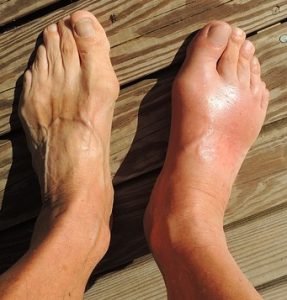
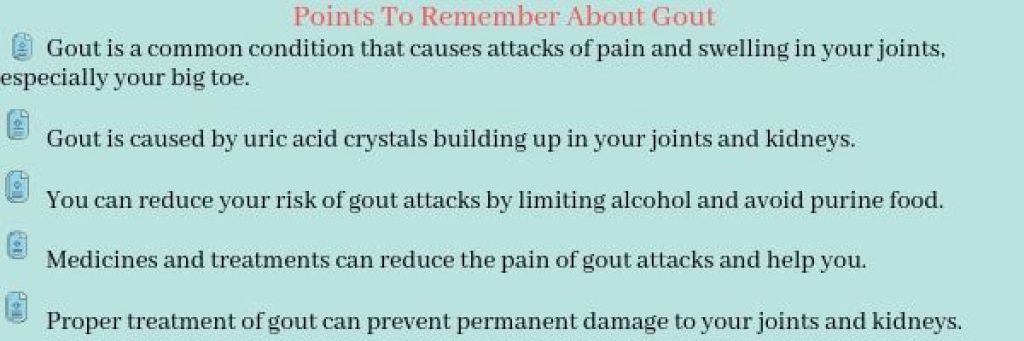
Gout is a form of inflammatory arthritis triggered by monosodium urate crystals accumulating in your joints. Those crystals form when blood uric acid levels stay elevated — a condition called hyperuricemia. The pain, swelling, and redness of a gout attack can be debilitating, often striking suddenly in the middle of the night. But here's the critical point: what you eat directly determines how much uric acid circulates in your blood. Get your diet right, and you reduce both the severity and frequency of attacks. For a visual breakdown of what's happening inside your body, see these gout pictures and infographics — understanding the inflammation cycle makes every food choice feel more purposeful.
This guide covers the exact foods to eat and avoid, how to structure your diet at any experience level, and which supplements and physical tools support your dietary efforts. Whether you've just had your first flare or you've been managing chronic gout for years, there's something here you can apply today.
Contents

Gout belongs to the inflammatory arthritis family, but it's distinct from osteoarthritis and rheumatoid arthritis in one critical way: it has a direct, measurable dietary component. Read the full breakdown of arthritis and gout types, risks, and symptoms to understand where gout fits — and why the management approach differs from other joint conditions.
Uric acid is a waste product formed when your body breaks down purines. Under normal conditions, it dissolves in blood, passes through the kidneys, and exits in urine. When the system gets overloaded — either from overproduction or insufficient excretion — uric acid accumulates in the bloodstream. Once blood levels exceed approximately 6.8 mg/dL, monosodium urate crystals begin forming in joint fluid. Your immune system treats those needle-like crystals as foreign invaders, triggering the intense inflammation and burning pain of a gout attack.
According to the CDC's gout overview, gout affects an estimated 8.3 million adults in the United States, making it the most common form of inflammatory arthritis in men. Even small reductions in uric acid levels — 0.5 to 1.0 mg/dL — meaningfully delay or prevent new attacks.
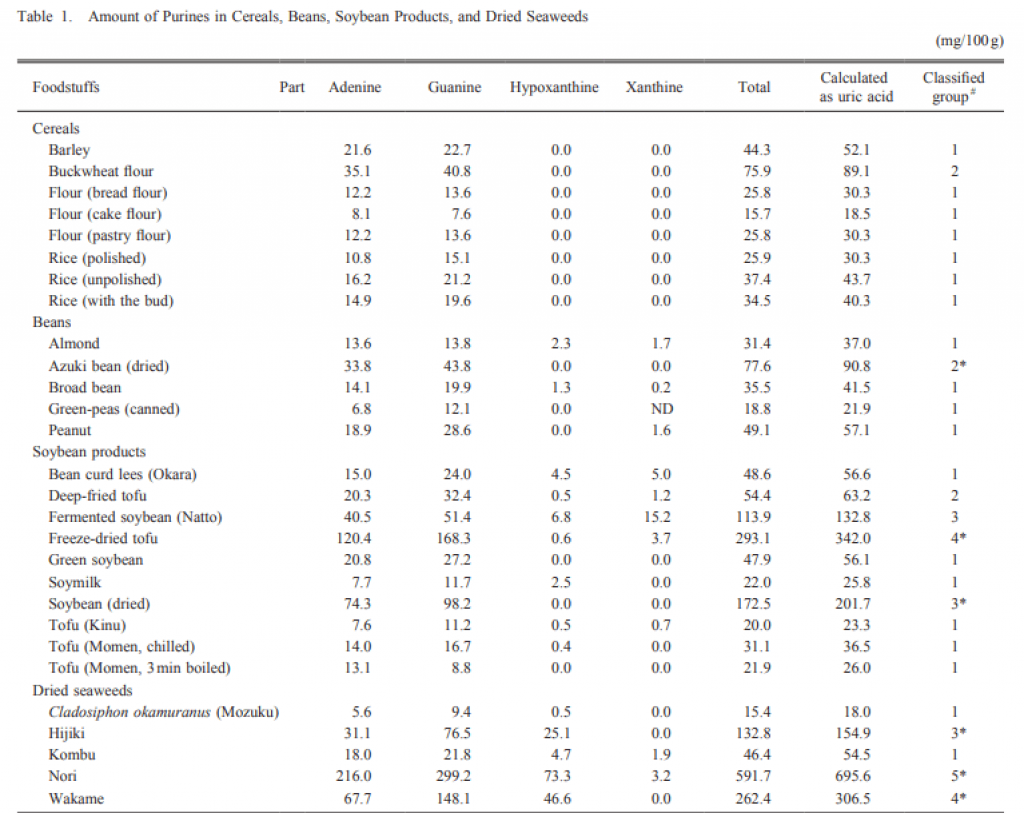
Purines are nitrogen-containing compounds present in virtually all foods and in your own body's cells. When purines break down, uric acid is the end product. High-purine foods accelerate this breakdown — organ meats, red meat, shellfish, and alcohol (especially beer) are the primary dietary offenders. Low-purine foods keep the daily production rate manageable and give your kidneys a fighting chance at maintaining healthy clearance.
Pro insight: You don't need to eliminate all purines — that's not realistic or necessary. Replacing just two or three high-purine servings per day with low-purine alternatives is enough to shift uric acid levels meaningfully within weeks.

These are the foods backed by the strongest clinical evidence for reducing uric acid and cutting flare frequency. Build your meals around these categories and you'll notice the difference within a few weeks.

One fruit category to approach carefully: high-fructose juices and dried fruits. Fructose raises uric acid because it's metabolized through a purine-generating pathway. Eat whole fruit — don't drink it in large quantities as juice.
You don't have to overhaul your entire diet overnight. These two changes produce the most impact in the shortest time, and you can start them today. For a broader look at natural approaches to managing gout symptoms — beyond diet alone — see how to get rid of gout, which covers both dietary and non-dietary strategies in one place.
Cherries are the single most evidence-backed food for gout. Here's how to use them effectively:
Research published in Arthritis & Rheumatology found that cherry intake over two days was associated with a 35% lower risk of gout attacks compared to no intake. That's a meaningful clinical effect from food alone, not a marginal benefit.
Dehydration concentrates uric acid in the blood, making crystal formation far more likely. Most gout sufferers significantly underestimate how much daily hydration affects their flare frequency.
If you've just received a gout diagnosis or haven't made dietary changes before, don't try to fix everything at once. Start with the highest-impact eliminations first:
These five changes, applied consistently, will lower uric acid levels for most people within 4–8 weeks. Get a baseline blood test before you start — knowing your actual uric acid number gives you something concrete to measure progress against.
If you've already made the basic changes and still experience frequent flares, these more targeted strategies can help push uric acid lower:
Warning: High-protein, high-fat diets can backfire badly for gout sufferers. If you try low-carb eating, keep protein moderate and focus fat sources on avocado, olive oil, and nuts — not red meat or processed meats.
The foods that help get rid of gout only work if you eat them consistently — not just in the week after a flare. Sustainability is the real challenge. The Mediterranean diet pattern aligns closely with gout management guidelines and is proven long-term sustainable for most people.
The key is making low-purine eating your default — not a short-term effort you sustain for a week after a flare and then abandon. If you treat gout like a chronic condition requiring ongoing management (because it is), diet becomes a permanent lifestyle adjustment rather than a temporary punishment.
During an acute flare, your dietary focus shifts. Pain management is the priority, and specific foods worsen ongoing inflammation significantly.
Diet alone doesn't abort an acute attack — you'll need colchicine or NSAIDs prescribed by your doctor for that. But dietary discipline during a flare shortens recovery time and reduces the risk of a second attack in the following 30 days.
Eating for gout doesn't require a premium food budget. Most of the highest-impact foods are affordable everyday staples. The table below shows where your money actually needs to go — and where you can save without compromising results.
| Food / Item | Priority | Approx. Monthly Cost | Budget Notes |
|---|---|---|---|
| Fresh or frozen tart cherries | High | $10–20 | Frozen is equally effective and significantly cheaper than fresh |
| Tart cherry juice concentrate | High | $15–25 | 1 tablespoon concentrate = 1 cup juice; most economical format |
| Low-fat dairy (milk, yogurt) | High | $15–25 | Store-brand is nutritionally identical to premium brands |
| Leafy greens (spinach, kale) | High | $8–15 | Frozen spinach costs a fraction of fresh; nutritional profile nearly identical |
| Whole grains (oats, brown rice) | Medium | $5–10 | Buy in bulk from warehouse stores for maximum savings |
| Vitamin C supplement (500 mg) | Medium | $5–8 | Generic ascorbic acid works as well as any branded product |
| Organic produce (general) | Low | Varies | Not necessary for gout management — conventional produce is equally effective |
| Gout-specific supplement blends | Low | $20–50 | Usually overpriced marketing; individual supplements are more cost-effective |
Your biggest budget win: replace expensive cuts of red meat with chicken breast, eggs, and legumes. You reduce purines and save $30–60 per month simultaneously. Lentils and chickpeas — two of the most gout-friendly protein sources available — cost a fraction of any cut of beef.


Diet is the foundation, but targeted supplementation accelerates results. These are the supplements with actual clinical backing — not marketing claims.
Don't confuse supplements with treatment. If your doctor has prescribed allopurinol or febuxostat, these supplements work alongside medication — they don't replace it. Always disclose supplements to your prescribing physician.
Gout frequently attacks the feet, ankles, and toe joints. Protecting those joints during and after flares reduces recovery time and prevents secondary injuries from compensatory movement patterns. Read our guide on how to keep your feet healthy — the prevention strategies there apply directly to gout-affected foot joints.
Tart cherries have the strongest evidence of any individual food for reducing gout flare frequency. Research shows regular cherry intake reduces attack risk by up to 35% compared to no intake. Daily consumption — fresh, frozen, juiced, or in extract form — is more effective than occasional large doses. Consistency over time is what delivers results.
Yes. Research consistently shows that plant-based purines do not raise uric acid levels the way animal-based purines do. Vegetables like spinach, asparagus, and mushrooms contain measurable purines but are not associated with increased gout risk in large population studies. Eat them freely and without restriction.
Most people see measurable changes in serum uric acid within 4–8 weeks of consistent dietary changes. Blood tests every 8–12 weeks when you're starting a gout diet give you objective data to work with. Combining dietary changes with increased hydration and daily cherry supplementation produces the fastest measurable results.
Beer is the worst offender and should be eliminated entirely — it contains both purines and compounds that directly block uric acid excretion by the kidneys. Wine in moderation (one glass with a meal) has a lower risk profile than beer or spirits. All alcohol in any form worsens an active flare and should be avoided completely during attacks.
Diet alone typically reduces uric acid by 10–15%, which is clinically meaningful but often insufficient to reach the target of below 6.0 mg/dL for long-term management. If your doctor has prescribed urate-lowering therapy, dietary changes work alongside medication — they may reduce the dose you need over time, but they don't typically replace pharmacological treatment in moderate-to-severe cases. Never stop or reduce prescribed medication without medical guidance.
Every meal is either loading your joints with the crystals that cause gout attacks or clearing them out — your plate is the most powerful anti-gout tool you own.


About Dr. Marshall Emig, MD
Dr. Marshall Emig is a physiatrist and associate professor at the University of Colorado School of Medicine, practicing at UCHealth in Colorado. He holds board certifications in physical medicine and rehabilitation, sports medicine, and neuromuscular medicine, and has over twenty years of clinical experience. His practice focuses on musculoskeletal conditions including arthritis, spinal stenosis, carpal tunnel syndrome, and chronic pain management.
You can get FREE Gifts. Or latest Free phones here.
Disable Ad block to reveal all the info. Once done, hit a button below
 Dr. Marshall Emig, MD