
That first step out of bed — the stabbing heel pain before you've even made it to the bathroom — is something anyone with plantar fasciitis remembers clearly. You've probably tried rest, stretching, and maybe even expensive orthotics. The best plantar fasciitis socks are one of the most overlooked and cost-effective tools you can add to that recovery stack. For a full picture of treatment approaches, visit our plantar fasciitis resource page.
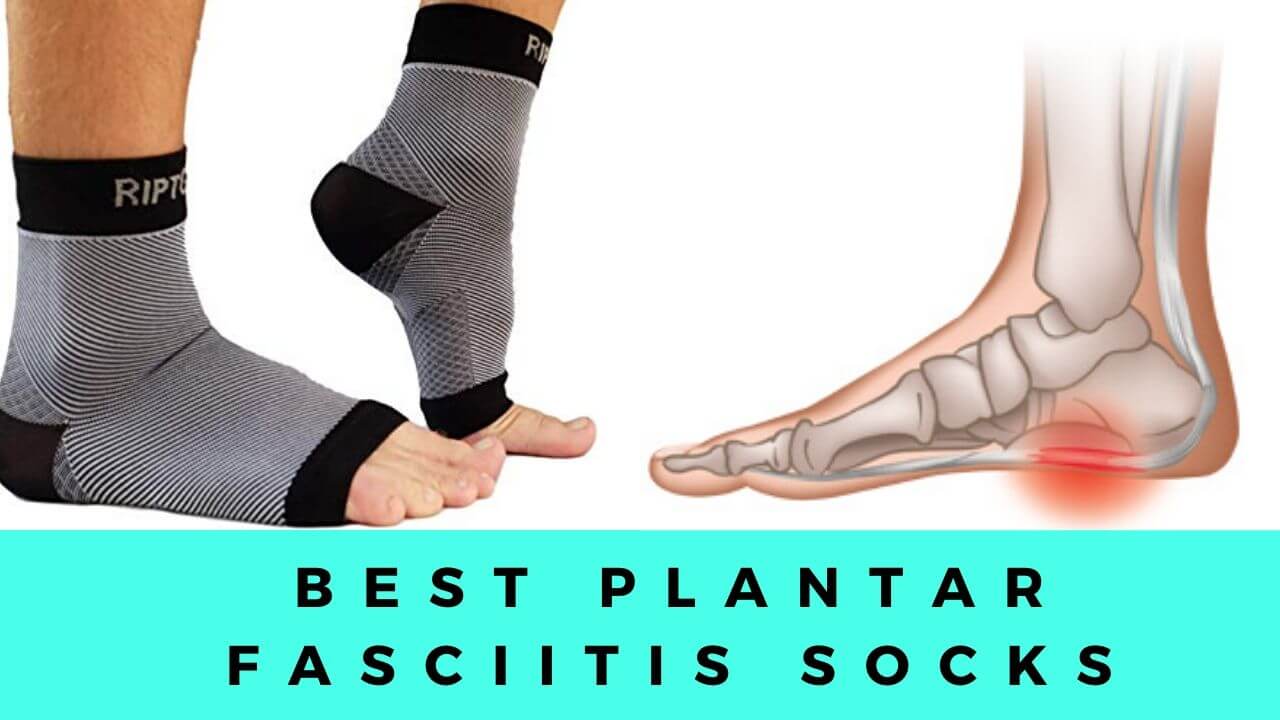
These compression socks apply targeted pressure to your arch, heel, and ankle. That pressure improves blood circulation, reduces swelling, and holds the plantar fascia ligament in a gently stretched position — which is critical for letting the tissue recover between activity sessions. According to Wikipedia, plantar fasciitis is among the most common causes of heel pain, affecting roughly 1 in 10 people at some point in their lives.
Below you'll find 13 well-reviewed options — full compression socks, sleeve-style braces, and one supplemental pain product — along with a comparison table, buying guidance, and tips on getting consistent results.
Contents
It's worth spending a moment understanding the mechanism before you spend money on a pair. These aren't just thicker regular socks — they're engineered to address specific aspects of plantar fasciitis physiology.
Plantar fasciitis socks use graduated compression — highest pressure at the foot, decreasing as it moves up the ankle. This does three things simultaneously:
The constant mild stretch on the fascia is similar to what a night splint provides — but in a far more practical, daytime-friendly form. Understanding what a heel spur is can also help here, since heel spurs and plantar fasciitis frequently co-occur, and compression helps manage both.
These socks aren't just for runners. You're a strong candidate if you:
The market is flooded with options. Most are adequate, but a few features separate the ones that actually help from the ones you'll toss in a drawer.
Compression is measured in mmHg (millimeters of mercury). Here's the practical breakdown:
For most people dealing with plantar fasciitis, 20–30 mmHg is the right starting point. If you're not sure, start lower and step up if you're not feeling adequate support.
Look specifically for these features:
If compression sock use is drying out your skin, that's worth addressing separately. Our guide on the best foot cream for cracked feet covers the options that won't interfere with your compression gear.
| # | Product | Type | Compression | Best For |
|---|---|---|---|---|
| 1 | Dowellife | Full sock | 20–30 mmHg | All-day wear |
| 2 | CompressionZ | Sleeve | 20–30 mmHg | Layering over regular socks |
| 3 | Rymora | Sleeve | 15–20 mmHg | Sensitive feet, beginners |
| 4 | CAMBIVO | Full sock | 20–30 mmHg | Sport and recovery |
| 5 | Orthotics Compression Sleeve | Sleeve | 15–25 mmHg | Low-profile shoe fit |
| 6 | Physix Gear | Full sock | 20–30 mmHg | Long-distance and durability |
| 7 | SB SOX | Sleeve | 20–30 mmHg | Women, slimmer fit |
| 8 | Running Compression Sleeve | Ankle sleeve | 15–20 mmHg | Running and gym sessions |
| 9 | Copper Compression | Full sock | 20–30 mmHg | Antimicrobial, active use |
| 10 | PAPLUS | Sleeve | 15–20 mmHg | Swelling and circulation |
| 11 | TechWare Pro | Ankle brace | Adjustable | Severe pain, instability |
| 12 | Laneco | Full sock | 20–30 mmHg | Budget-friendly entry pick |
| 13 | Aleve (supplement) | NSAID | — | Acute flare-up inflammation |
1. Dowellife Plantar Fasciitis Compression Socks — A consistent top seller. The full-foot design gives your arch and heel solid coverage, and the 20–30 mmHg compression is effective without being uncomfortably tight. A reliable choice for all-day use at work or at home.

2. CompressionZ Plantar Fasciitis Socks — A sleeve-style option that slides over your regular socks. The arch compression is firm and targeted, making this ideal if you want the therapeutic benefit without replacing your everyday socks entirely.

3. Rymora Plantar Fasciitis Compression Sleeves — A gentler entry-level option. The lower compression level makes these easier to tolerate if you're new to compression gear or have particularly sensitive feet. Comfortable through long work shifts.

4. CAMBIVO Plantar Fasciitis Compression Socks — Designed with athletes in mind. The thick arch band keeps everything stable even during sustained physical activity. These perform well during runs and gym sessions without slipping down.

5. Plantar Fasciitis Compression Sleeves with Orthotics — Notably low-profile, so it fits inside dress shoes and work footwear without adding bulk. The orthotic-style arch support distinguishes it from basic sleeves that only compress without structural reinforcement.

6. Physix Gear Plantar Fasciitis Support — One of the more durable options on this list. The stitching holds up well through repeated washing, and the arch support remains effective after months of daily use. Good value for anyone managing plantar fasciitis long-term.

7. SB SOX Compression Sleeves — Sized with a slimmer fit that works particularly well for women. The ankle coverage is solid, and the sleeve stays in place without bunching or rolling down throughout the day.

8. Compression Plantar Fasciitis Running Support — Lightweight and breathable, engineered for runners who need support without restricting foot mechanics. Provides enough arch compression to manage pain through a training session without aggravating the fascia.

9. Copper Compression Plantar Fasciitis Support — The copper-infused fabric adds antimicrobial properties, which is useful if odor or sweat is an issue during extended wear. The sleeve holds its shape well over time and doesn't loosen the way cheaper options tend to.

10. PAPLUS Compression Fasciitis Socks — Specifically designed to improve circulation, making this a solid pick if foot swelling is a major component of your symptoms alongside heel pain. The gentle compression is manageable for people who find firmer options uncomfortable.

11. TechWare Pro Ankle Brace Compression — More of a structured ankle brace than a traditional sock, with adjustable straps that let you dial in the exact support level. This is the right pick if your plantar fasciitis comes with ankle instability or if standard sleeves aren't giving you enough control.

12. Laneco Plantar Fasciitis Compression Socks — A reliable budget option. The compression is consistent, the material holds up through multiple wash cycles, and the price point makes it easy to buy two pairs so you always have a clean set ready.

13. Aleve (Supplemental Inflammation Control) — Not a sock, but included because it addresses a dimension that compression alone can't — acute inflammation during flare-ups. An NSAID like Aleve can take the edge off while your compression gear handles structural support. Always consult your doctor before adding NSAIDs to your routine, especially if you're on other medications.

These socks work for a lot of people — but they're not a cure, and knowing their limits helps you use them more effectively.
For a comprehensive look at what else you can combine with compression socks, our guide on heel pain treatment covers the full range of options from conservative to clinical.
If you're not seeing measurable improvement after 4–6 weeks of consistent daily use, see a podiatrist — compression socks are a management tool, not a standalone cure, and persistent pain may require a targeted clinical plan.
How you use these socks is as important as which one you choose. Follow these guidelines:
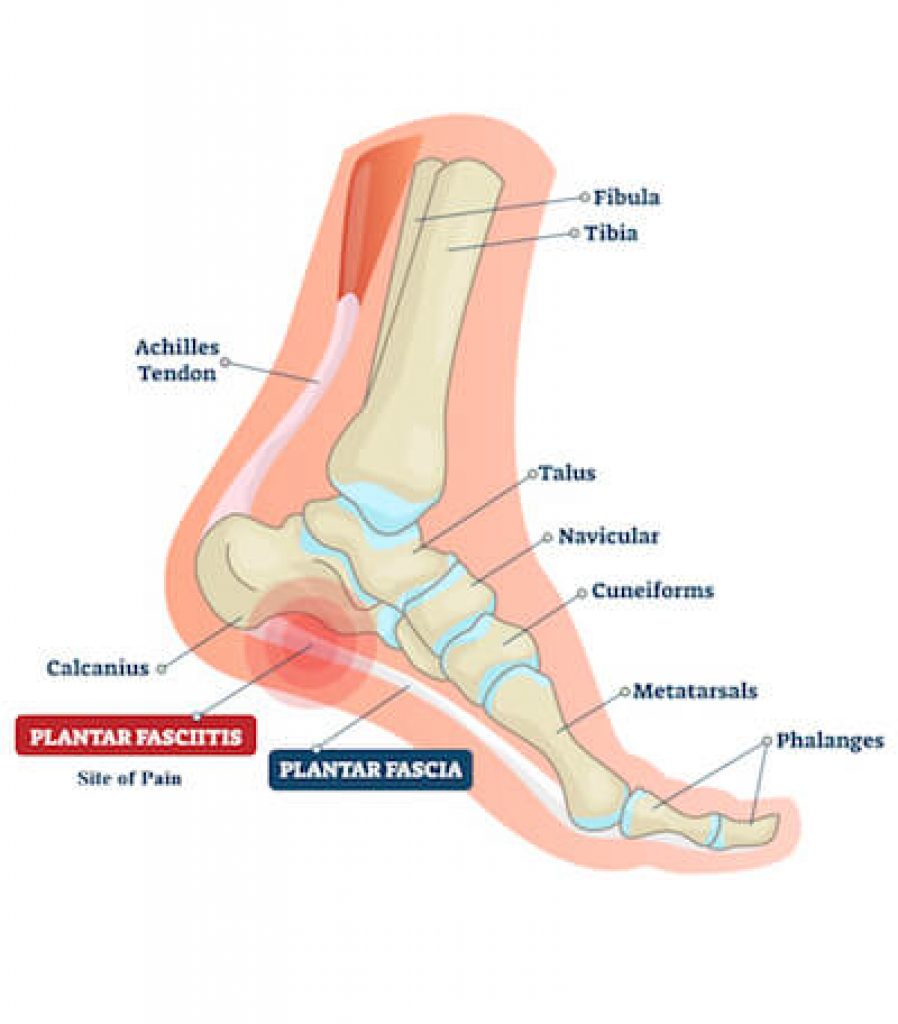
Plantar fasciitis rarely responds to a single approach. The best outcomes usually come from layering treatments:
If you're dealing with broader foot inflammation — including conditions like gout that can affect the same region — explore supplements for gout prevention as a complementary anti-inflammatory strategy.
Most people benefit from 6–8 hours of continuous wear during waking hours. The most important window is immediately after waking — put them on before your first step, since morning pain is typically the sharpest. Some styles support overnight use, but standard daytime wear is sufficient for most cases.
Yes, but only certain styles are made for it. Look for products labeled as night socks or dorsal night splint equivalents — these hold your foot in slight dorsiflexion during sleep, which continuously stretches the plantar fascia overnight. Standard daytime compression sleeves may feel too constricting for extended overnight use depending on the compression level.
Not quite. Regular compression socks focus on calf and ankle circulation without targeted arch support. Plantar fasciitis-specific socks add a reinforced arch band and heel compression zone that standard compression socks don't include. If you have both circulation concerns and heel pain, a plantar fasciitis sock addresses both more effectively than a generic option.


About Mehnaz
Mehnaz is the founder and editor of RipPain, a health resource site dedicated to helping readers navigate pain management, recovery, and medical device research. Her work on the site is driven by personal experience caring for seriously ill family members, which led her to study evidence-based guidance from physicians, pain specialists, and published medical research. She curates and summarizes expert medical insights to make credible health information accessible to everyday readers.
You can get FREE Gifts. Or latest Free phones here.
Disable Ad block to reveal all the info. Once done, hit a button below
 Mehnaz