
Have you ever woken up in the middle of the night with joint pain so sharp it felt like shards of glass were grinding inside your toe? If you've experienced a gout flare, you already know that feeling. The good news is that choosing the best supplements for gout prevention — the right ones, at the right doses — can meaningfully reduce how often those attacks happen. This guide breaks down exactly which supplements have credible evidence behind them, who benefits most, and how to build a routine that actually works. For a full overview of managing this condition, start with our gout pain resource hub.

Gout affects millions of adults, and its hallmark — sudden, excruciating joint pain — can strike without warning. Conventional treatment often involves medication to lower uric acid, but many people want to do more between doctor visits. That's where targeted supplementation becomes a meaningful, evidence-backed layer of support.
What follows is a practical, balanced guide to gout prevention supplements — what they do, when they help, how to use them wisely, and how to avoid the myths that waste your money and your time.
Contents
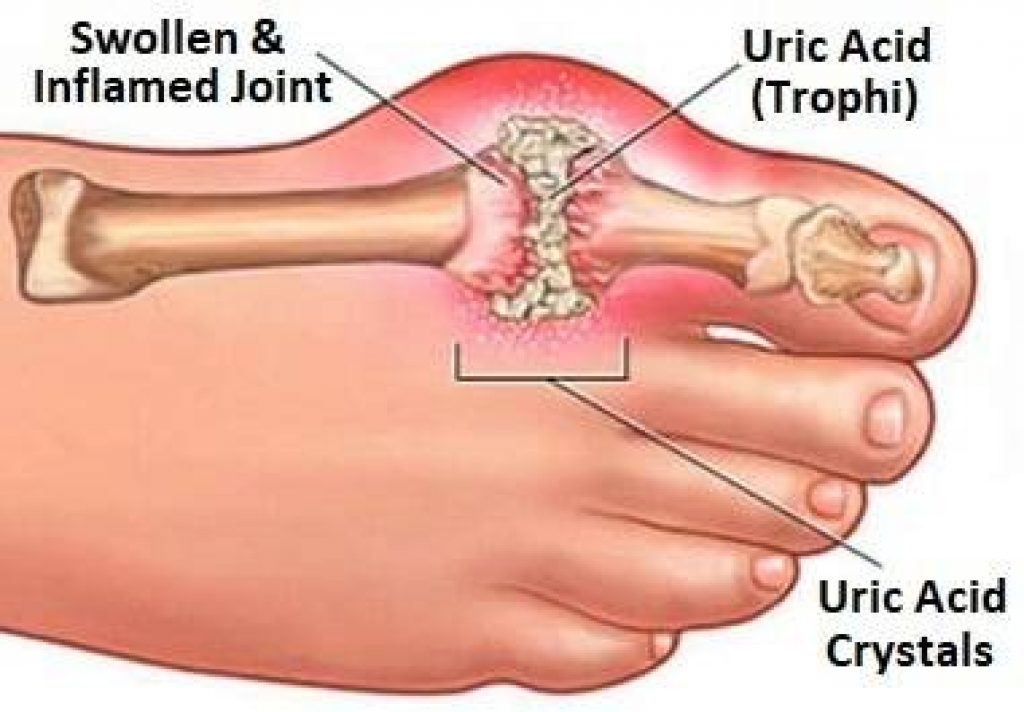
Gout is a form of inflammatory arthritis caused by excess uric acid in the bloodstream — a condition called hyperuricemia. When uric acid concentrations get too high, the acid crystallizes and deposits in joint spaces, triggering the immune system and producing intense inflammation, swelling, and pain. The big toe is the most common target, but the ankle, knee, and wrist are also frequently affected.
Your body produces uric acid when it breaks down purines, organic compounds found naturally in certain foods and in your own cells. Normally, uric acid dissolves in blood, passes through the kidneys, and exits in urine. When that process breaks down — because your body produces too much, or your kidneys don't filter enough — levels accumulate and crystals form over time.
According to the National Institute of Arthritis and Musculoskeletal and Skin Diseases, gout is one of the most prevalent forms of inflammatory arthritis in adults, and its incidence has been rising alongside obesity and metabolic syndrome rates over recent decades.
Several factors increase your likelihood of developing gout or experiencing more frequent flares:
It's also worth noting that gout flares and general lower-extremity inflammation can compound each other. If you're dealing with related foot discomfort, our guide on heel pain treatment covers complementary inflammation management strategies that may be useful alongside a gout prevention routine.
Browsing supplement shelves for gout can feel overwhelming. The options below are the ones most consistently supported by clinical research, along with an honest assessment of how strong that evidence actually is.
Vitamin C is one of the best-supported options for gout prevention. It works by helping the kidneys excrete uric acid more efficiently — a process called uricosuria. Multiple studies, including large prospective analyses, have found that higher vitamin C intake correlates with meaningfully lower gout risk. Supplemental doses in the 500–1,000 mg range are commonly studied for this purpose. It's also inexpensive and well tolerated by most people.
Tart cherry extract is arguably the most popular natural remedy for gout, and the science backs up much of the enthusiasm. Tart cherries are rich in anthocyanins — plant pigments with potent anti-inflammatory and antioxidant effects. Several studies have linked cherry intake to reduced serum uric acid and fewer gout attacks over time. You can take it as a concentrated capsule, juice, or powder; capsules offer a more consistent, measurable dose.
Quercetin is a flavonoid present in onions, apples, and capers. It inhibits xanthine oxidase — the enzyme that converts purines into uric acid. That's the same pathway targeted by allopurinol, one of the standard prescription treatments for gout. Human trial data is still early-stage, but the mechanism is biologically sound and the general safety profile is favorable for most people.
Low magnesium levels have been associated with elevated uric acid in population studies. Supplementing with magnesium glycinate or citrate may help the body regulate uric acid production and excretion more effectively. Beyond gout, it also supports kidney function, cardiovascular health, and sleep quality — all of which have indirect relevance to how your body manages inflammation.
Derived from pineapple, bromelain is a proteolytic enzyme with documented anti-inflammatory properties. It's more often used to manage the acute pain and swelling of active flares than as a primary preventive agent, but some practitioners include it in daily maintenance protocols for its broad anti-inflammatory action.
Fish oil doesn't lower uric acid directly, but its EPA and DHA content suppresses the inflammatory pathways that amplify gout flares. People who take fish oil consistently often report less severe attacks when they do occur. It also supports cardiovascular health — relevant because gout is independently associated with higher cardiovascular risk.
Pro tip: Tart cherry extract and vitamin C have the strongest evidence for gout prevention among natural supplements — if you're starting from scratch, begin with these two before adding others to your stack.
| Supplement | Primary Mechanism | Typical Daily Dose | Evidence Level |
|---|---|---|---|
| Tart Cherry Extract | Lowers uric acid, anti-inflammatory | 400–2,000 mg | Moderate–Strong |
| Vitamin C | Increases uric acid excretion | 500–1,000 mg | Moderate |
| Quercetin | Inhibits xanthine oxidase | 250–500 mg | Emerging |
| Magnesium | Supports uric acid metabolism | 200–400 mg | Moderate |
| Bromelain | Anti-inflammatory (flare support) | 200–400 mg | Limited |
| Omega-3 (Fish Oil) | Reduces joint inflammation | 1,000–3,000 mg | Moderate |
Supplements aren't equally useful for everyone with gout. The value they provide depends heavily on where you are in the disease progression and what other interventions you already have in place.
If your blood tests show uric acid in the mildly elevated range — say, 6–7 mg/dL — but you haven't been prescribed medication yet, this window is ideal for experimenting with supplements under medical guidance. Vitamin C, tart cherry, and quercetin may help stabilize or nudge levels down before pharmaceutical intervention becomes necessary. Think of this as your lowest-risk opportunity to test natural options.
For people who have occasional attacks but relatively stable uric acid levels in between, supplements serve a maintenance function. The goal isn't to eliminate gout entirely — it's to extend the gaps between attacks and reduce their severity when they do occur. Consistency matters more than dose in this phase; taking something daily is worth more than taking a higher dose sporadically.
Not everyone can consistently eat the foods most associated with lower uric acid — tart cherries, fatty fish, leafy greens, low-fat dairy. Dietary restrictions, budget, or food access issues can make that difficult. Supplements reliably fill those gaps when food sources aren't consistent.
People managing both gout and metabolic conditions like diabetes face compounding challenges, since both affect circulation, kidney function, and inflammation. Our detailed guide on proper diabetic foot care addresses some of these overlapping foot health concerns that frequently co-occur with gout.
The internet is full of confident claims about gout remedies. Some have merit; others don't hold up to scrutiny. Here are four worth addressing directly before you spend money or adjust your treatment plan.
No supplement will cure gout. Gout is a chronic metabolic condition with significant genetic components that can't be switched off by taking capsules. Supplements can reduce uric acid levels and flare frequency — those are real, meaningful outcomes — but they don't change the underlying biology that causes hyperuricemia in the first place. Set realistic expectations from the start.
With vitamin C, for example, the uric acid-lowering effect plateaus well before doses become problematic — and very high doses can increase kidney stone risk in susceptible individuals. Stick to dosage ranges with actual research behind them rather than assuming that doubling the dose doubles the benefit. More isn't always more in supplementation.
Quercetin can interact with blood thinners, certain antibiotics, and blood pressure medications. Bromelain may increase bleeding risk. Tart cherry supplements contain natural sugars that can affect blood glucose. "Derived from a plant" does not equal "risk-free for everyone in any quantity." Always review your complete supplement list with a pharmacist, particularly if you take prescription medications.
Warning: Never use supplements to replace prescribed uric acid-lowering medications without consulting your doctor first — stopping medication abruptly can trigger severe rebound flares.
Uric acid reduction through supplementation is gradual, not instant. Most protocols require four to eight weeks of consistent daily use before any measurable change appears in blood tests. If you test too early and see no shift, you may abandon something that would have worked with more time. Give your approach at least six to eight weeks before making a judgment.
Even the most effective supplements underperform if your protocol has structural problems. A few practical principles apply regardless of which specific supplements you choose.
Most gout supplements work by maintaining a consistently lower uric acid environment — not by acting on demand like a pain reliever. Take them daily, at the same time, whether or not you're symptomatic. Tart cherry extract taken only during flares loses much of its preventive value. Build supplementation into your morning or evening routine the same way you would any other daily health habit.
The supplement industry is lightly regulated, and potency varies significantly between brands. Look for products that display third-party testing certifications — NSF International, USP, or ConsumerLab are reliable markers. For tart cherry, verify that the product specifies anthocyanin content rather than just "cherry extract." For fish oil, the label should list EPA and DHA amounts separately, not just total fish oil volume.
No supplement overcomes a consistently high-purine diet. These dietary habits work alongside your supplement routine to give it the best chance:
Supplements are one layer — not a complete solution. The most resilient gout prevention strategy weaves together supplementation, diet, movement, and medical oversight into something sustainable over years, not weeks.
Regular serum uric acid testing is the foundation of long-term gout management. You can't judge whether your strategy is working without data. Ask your doctor to include uric acid in your routine bloodwork, and track the numbers over time. The target for most people with gout is a serum uric acid level below 6.0 mg/dL — the point at which crystals begin to dissolve rather than accumulate.
If your levels remain consistently elevated despite lifestyle and supplement changes, that's a signal that prescription medication — allopurinol or febuxostat — may be necessary. Supplements and medication can coexist in a well-managed plan; one doesn't cancel out the other.
Low-impact movement supports both weight management and metabolic health — two variables that directly influence uric acid levels. Walking, cycling, and swimming are joint-friendly options that don't strain already inflamed tissues. Avoid intense exercise during active flares, as it can exacerbate swelling and prolong recovery. Regular moderate exercise between flares, however, is genuinely protective.
Chronic stress elevates cortisol and amplifies systemic inflammation, which can lower your threshold for gout flares even when uric acid levels are relatively controlled. Poor sleep has similar inflammatory effects. Neither factor shows up on a uric acid blood test, but both affect outcomes in practice. Incorporating consistent sleep hygiene and basic stress management into your prevention routine isn't a luxury — it completes the picture.
Starting a supplement routine without a tracking system is like following a diet without any measurements — you won't know what's working or why. Systematic monitoring turns a collection of good intentions into an actual strategy.
Before introducing any new supplement, get a serum uric acid test to establish your starting point. After eight to twelve weeks of consistent use, test again under similar conditions — same time of day, similar hydration level. Even a reduction of 0.5–1.0 mg/dL is clinically meaningful and indicates your approach is having a measurable effect.
Keep a simple running log of flare dates alongside relevant context: what you ate in the 48 hours before, your hydration and alcohol intake, stress level, and sleep quality. Over several months, patterns tend to emerge. Your personal triggers may differ significantly from statistical averages — some people react strongly to shellfish, others to beer, others to dehydration or disrupted sleep. The log helps you personalize your approach rather than following generic advice blindly.
If uric acid levels haven't meaningfully changed after twelve weeks of consistent effort, review the full picture systematically:
Supplements work best as part of a coordinated system. When results plateau, investigate systematically rather than simply adding more products to your routine.
Tart cherry extract and vitamin C have the strongest research support among natural supplements for gout prevention. Tart cherry reduces uric acid and inflammation through its anthocyanin content, while vitamin C helps the kidneys excrete uric acid more efficiently. Starting with both gives you the best evidence-based foundation before considering additional supplements.
No. Supplements can support lower uric acid levels and reduce flare frequency, but they generally can't match the potency of medications like allopurinol in people with significantly elevated uric acid. If your doctor has prescribed medication, continue taking it — supplements can complement that treatment but shouldn't replace it without explicit medical approval.
Most gout supplements need four to eight weeks of consistent daily use before uric acid levels shift measurably. Some people notice fewer flares sooner, but blood test results typically take six to twelve weeks to reflect supplement-driven changes. Patience and consistency are essential — avoid evaluating effectiveness too early or you risk abandoning something that would have worked.
High-dose niacin (vitamin B3) is known to raise uric acid levels and can worsen gout in people who take it for cholesterol management. Some products with yeast-derived ingredients may also increase purine load. Always check the full ingredient list of any supplement and discuss concerns with a healthcare provider, especially if you have multiple health conditions.
Both forms contain anthocyanins and have been studied for gout, but capsules offer a more concentrated and controlled dose without the added sugar content of juice. If you prefer juice, choose unsweetened tart cherry juice concentrate and keep portions consistent. Either form can be effective — the consistency of your daily use ultimately matters more than the delivery format you choose.


About Dr. Gandis G. Mazeika, MD
Dr. Gandis G. Mazeika is a board-certified sleep medicine physician and founder of Sound Sleep Health in Kirkland, Washington. He received his medical degree from the UC Davis School of Medicine and has developed proprietary sleep assessment tools used in the diagnosis and management of sleep disorders. Dr. Mazeika is an active member of the National Sleep Foundation and focuses on evidence-based treatment for patients with chronic sleep conditions.
You can get FREE Gifts. Or latest Free phones here.
Disable Ad block to reveal all the info. Once done, hit a button below
 Dr. Gandis G. Mazeika, MD