
After weeks of sitting out physical activity because standing upright made their back ache, many people discover recumbent cycling almost by accident — a friend's recommendation or a doctor's offhand suggestion. That quiet shift in approach changes everything for pain-sensitive users. This Schwinn 230 recumbent bike review breaks down exactly what this machine delivers for people who need low-impact cardio without compromising spinal health, available among the options covered in the sport and fitness section of this site.
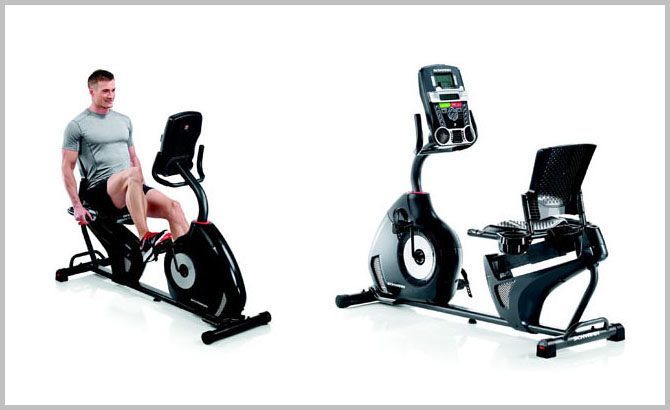
The Schwinn 230 sits in a mid-range price bracket that makes it accessible without the stripped-down feel of budget machines. It weighs approximately 86 pounds, measures 64 inches long and 27 inches wide, and accommodates users up to 300 pounds. The step-through frame makes mounting and dismounting straightforward — a practical detail that matters more than it sounds for anyone with hip or knee limitations. The steel frame shows minimal flex during use, even at higher resistance settings, which signals genuine build quality at this price point.
The recumbent riding position is the core selling point. Unlike upright bikes, the bucket seat and backrest distribute bodyweight across the lower back and hips rather than concentrating load on a narrow saddle. For anyone already dealing with tailbone pain when sitting and standing, this design difference is clinically meaningful — not just a comfort preference. Research on recumbent exercise bike benefits confirms that this position also reduces cardiovascular strain during moderate-intensity sessions, making it a practical choice for users re-entering exercise after a period of inactivity.
Contents
The Schwinn 230 earns its reputation through a combination of features that directly address the needs of home exercisers and pain-sensitive users. The dual LCD console tracks time, distance, speed, cadence, calories, and heart rate simultaneously across two screens. Twenty-two preset programs cover endurance, intervals, hill profiles, and heart rate zone sessions — more programming depth than most competitors at this price. Two user-defined slots allow custom resistance profiles tailored to specific training goals.
Key advantages that set this machine apart:
The combination of 22 programs, Bluetooth sync, a cooling fan, and USB charging represents exceptional feature density for a mid-range machine. Users who have reviewed the top recumbent bikes for home cardio workouts will recognize the Schwinn 230 as a consistent top contender at its price point for exactly these reasons.
The Schwinn 230 is not without real trade-offs. Understanding them prevents buyer's remorse:
Grip-based heart rate sensors on recumbent bikes can read 10–15 BPM lower than chest straps during high-intensity intervals — factor this gap in when targeting specific training heart rate zones.
The most common reason users report discomfort or slow progress on the Schwinn 230 is incorrect initial setup. The recumbent bicycle design inherently reduces spinal loading — but only when the rider is positioned correctly. Poor setup negates much of that structural advantage.
Critical positioning errors to avoid:
Setup mistakes affect comfort; training mistakes affect outcomes. These errors appear consistently across recumbent bike user feedback:
The Schwinn 230's magnetic resistance system is one of its best long-term features. No brake pads wear down, and there is no friction contact between resistance components. That said, consistent basic maintenance keeps the machine performing reliably for years past the warranty period.
A practical maintenance schedule:
Placing the bike on a rubber mat serves two purposes simultaneously: it protects flooring from the steel feet, and it reduces vibration transmission into the frame, which decreases the rate of hardware loosening over time. This single step meaningfully extends the interval between hardware checks.

Three problems appear repeatedly in owner reports — and all three resolve without a service call in the vast majority of cases:
Squeaking or clicking during pedaling almost always traces to loose pedal threads or a dry crank connection. Applying bike-specific lubricant to the pedal threads resolves most cases — importantly, left pedals use reverse threading to prevent loosening during forward pedaling. If the noise continues after this step, the crank arm bolt connection to the bottom bracket is the next place to inspect.
Console reading errors or a blank display indicate a power issue in nearly every reported case: depleted batteries, a loose connection at the battery compartment, or minor moisture intrusion. Removing the batteries, cleaning the contacts with a dry cloth, and reinserting resolves the majority of these issues without requiring professional intervention.
Resistance that changes abruptly or incompletely is rare on magnetic systems but occurs when the motor wiring harness connection becomes loose after shipping or prolonged use. The harness runs along the inside of the frame; reseating the connector at the console end typically restores full function in minutes.
When storing the bike for an extended period, park the resistance dial at Level 1 to reduce sustained magnetic pressure on the brake assembly — this simple habit extends the system's service life measurably.
Beyond correct seat positioning, pain-sensitive users benefit from a few additional setup practices that the Schwinn 230's design accommodates well:
Consistency over intensity is the governing principle for pain-sensitive exercise programs. A 20-minute session five days per week delivers better long-term cardiovascular and musculoskeletal outcomes than two or three intense sessions that trigger pain flares and force rest days.
The Schwinn 230's 22 programs provide structure for users who prefer guided sessions. A progressive protocol for pain-management users looks like this:
Users comparing the Schwinn 230 to other cardio options will find useful context in a review of the best ellipticals under $1,000. Ellipticals offer standing low-impact cardio with a similarly reduced joint stress profile, making the comparison directly relevant for users deciding between seated and standing machine formats.
The mid-range recumbent bike market is competitive. Placing the Schwinn 230 against its closest alternatives clarifies where it leads and where it concedes ground to machines at higher or lower price points.
| Feature | Schwinn 230 | Nautilus R618 | Marcy ME-709 | Diamondback 510Sr |
|---|---|---|---|---|
| Resistance Levels | 25 | 29 | 8 | 20 |
| Preset Programs | 22 | 29 | 0 | 16 |
| Bluetooth Connectivity | Yes | Yes | No | No |
| Weight Capacity | 300 lbs | 325 lbs | 250 lbs | 300 lbs |
| Built-in Fan | Yes | Yes | No | No |
| USB Charging Port | Yes | Yes | No | No |
| Frame Warranty | 10 years | 15 years | 2 years | 5 years |
| Price Tier | Mid ($$) | Upper Mid ($$$) | Budget ($) | Mid ($$) |
The Marcy ME-709 suits buyers who need minimal functional exercise equipment without programmability or connectivity. The Nautilus R618 outperforms the Schwinn 230 on every measurable specification but costs significantly more. The Schwinn 230 holds the value position squarely — competitive feature depth at mid-range pricing, with build quality that justifies the ten-year frame warranty.
Different user profiles call for different machines. The Schwinn 230 is not the right answer for everyone — but it is the right answer for a clearly defined group:
The Schwinn 230 is widely recommended for lower back pain because the reclined seat and supportive backrest reduce lumbar compression during exercise. The seated position distributes bodyweight across the back and hips rather than loading the spine vertically. Users with active disc herniations or spinal stenosis should confirm appropriateness with a physician or physical therapist before starting, but the design is purpose-built for spine-sensitive populations and performs reliably in that role.
The Schwinn 270 offers 29 resistance levels versus 25, additional preset programs, a more refined dual-track LCD display, and a 325-pound weight capacity. The 270 also features a more ergonomic seat design and enhanced console interface. The 230 delivers strong value for casual and pain-management users; the 270 suits users who want greater programmability and plan on intensive long-term use that will push the 230's upper limits.
The Schwinn 230 supports a maximum user weight of 300 pounds. This exceeds the 250-pound limit common on budget-tier recumbent bikes and matches the capacity of several higher-priced alternatives. The steel frame and reinforced seat rail construction support this rating reliably under regular use conditions across the machine's lifespan.
The magnetic resistance system makes the Schwinn 230 one of the quieter recumbent bikes available at this price point. During moderate-resistance sessions, the primary audible sound is the mechanical flywheel rotation — comparable in volume to a standard desk fan running on a low setting. Apartment use is feasible, and placing the machine on a rubber mat reduces floor vibration transmission further.
Assembly typically takes 30 to 60 minutes. The main frame ships pre-assembled; remaining steps include attaching the seat, handlebars, pedals, and console mast, then connecting the wiring harness. All required tools are included in the box. A second person simplifies console mast alignment, though one person can complete the full process without significant difficulty.
The Schwinn 230 supports moderate-to-vigorous cardio intensity for most general fitness users. Twenty-five resistance levels provide sufficient range for interval training, sustained aerobic sessions, and months of progressive overload. Competitive cyclists or endurance athletes will eventually reach the resistance ceiling, but for health maintenance, weight management, and rehabilitation purposes, the machine delivers fully adequate training stimulus over the long term.
Yes. The Schwinn 230 connects via Bluetooth to the Schwinn Connect app and MyFitnessPal, enabling workout logging, progress tracking, and goal-setting across sessions. The pairing process is straightforward, and historical data accumulates automatically with each connected session — useful for users monitoring cardiovascular improvement or recovery metrics over extended periods.
The magnetic drive system requires minimal maintenance compared to friction-based alternatives. Core upkeep includes wiping down sweat-exposed surfaces after sessions, checking hardware tightness monthly, inspecting the seat rail quarterly, and keeping the console dry. Most common issues — pedal squeaking, console errors — resolve with basic troubleshooting and do not require professional service under normal use conditions.
The best exercise machine is the one comfortable enough to use consistently — and for most people managing chronic pain, the Schwinn 230 clears that bar with room to spare.


About Mehnaz
Mehnaz is the founder and editor of RipPain, a health resource site dedicated to helping readers navigate pain management, recovery, and medical device research. Her work on the site is driven by personal experience caring for seriously ill family members, which led her to study evidence-based guidance from physicians, pain specialists, and published medical research. She curates and summarizes expert medical insights to make credible health information accessible to everyday readers.
You can get FREE Gifts. Or latest Free phones here.
Disable Ad block to reveal all the info. Once done, hit a button below
 Mehnaz