
Plantar fasciitis affects roughly 2 million Americans every year, according to data from the American Academy of Orthopaedic Surgeons, making it one of the most prevalent causes of heel and arch pain among adults across every activity level and age group. The condition develops when the thick band of connective tissue running from the heel bone to the base of the toes becomes chronically inflamed, and while stretching protocols, physical therapy, and anti-inflammatory interventions form the core of conservative treatment, the right walking boot can meaningfully accelerate recovery by mechanically offloading the fascia band with every single step taken during daily activity. In 2026, the therapeutic footwear market has expanded considerably, offering buyers a broader range of clinically engineered options that balance orthopedic performance with practical everyday wearability — but identifying which boots genuinely deliver on their supportive promises requires close examination of footbed geometry, heel counter rigidity, midsole construction, and arch depth.

The distinction between a boot that genuinely reduces plantar fascia load and one that merely appears supportive often comes down to subtle engineering decisions — the curvature of the footbed contour, the stiffness coefficient of the midsole material, and whether the heel counter holds the calcaneus in proper biomechanical alignment throughout the full gait cycle. Buyers dealing with plantar fasciitis must also consider whether they're selecting a boot for active daytime wear, post-exercise recovery, prolonged standing on hard commercial surfaces, or outdoor activity during treatment — because each scenario demands a distinct balance of cushioning compliance and structural rigidity that different boots address in fundamentally different ways. Those who want a deeper understanding of how walking boots function as a therapeutic intervention should first review this guide to the plantar fasciitis boot and how it works alongside conservative treatment protocols.
Six boots have been evaluated across critical performance dimensions including arch support depth, heel cushioning quality, breathability, closure ease, outsole durability, and overall biomechanical design philosophy — with specific attention paid to how each model handles the distinct loading demands that plantar fasciitis sufferers place on their footwear during recovery. Whether the need is a women's style with versatile everyday appeal, a therapeutic option engineered for diabetic foot complications, a clinical-grade recovery boot for severe presentations, or a heavy-duty outdoor boot that survives trail conditions during active treatment, the selections below represent the strongest performing options available in 2026. Pairing a supportive walking boot with properly fitted compression socks for plantar fasciitis can further improve circulation, reduce post-activity swelling, and enhance overall therapeutic outcomes throughout the recovery process.
Contents






The VIONIC Ariana Zip Short Boot positions itself as a rare crossover between fashion-forward design and clinically inspired orthopedic support — a combination that most buyers in the plantar fasciitis community have historically been forced to compromise on when selecting everyday footwear. VIONIC's signature VIOtech orthotic footbed features a built-in arch support system developed in direct collaboration with podiatrists, incorporating a firm heel cup that cradles the calcaneus, reduces heel strike impact, and counteracts the inward roll of the foot that typically aggravates fascia inflammation with every step during prolonged walking. The durable synthetic outsole is engineered to withstand daily wear patterns without breaking down prematurely at the heel or ball zones — the two most common failure points in softer fashion boots that lack structural reinforcement beneath the foot's natural pressure areas.
What separates the Ariana from comparable women's boots in this segment is the side-zip entry system, which eliminates the need to force a swollen or tender foot into a rigid shaft during the high-pain morning period — a feature that buyers experiencing early-stage plantar fasciitis will appreciate immediately upon first use. The tumbled leather upper offers moderate breathability while maintaining shape integrity across extended wear periods, and the boot's profile sits low enough to transition naturally from therapeutic recovery footwear into casual everyday settings without appearing clinical or conspicuous. The combination of a podiatrist-designed footbed and a practical side-zip entry system makes the Ariana an exceptional choice for women managing active plantar fasciitis symptoms during daily routines.
Pros:
Cons:
Orthofeet has built a formidable reputation in the therapeutic footwear segment by engineering products that address multiple co-occurring foot conditions simultaneously rather than targeting a single diagnosis, and the Ryder boot exemplifies this systems approach with a design that manages plantar fasciitis, bunions, flat feet, diabetes, overpronation, and heel pain within a single cohesive structure. The dual-zipper heel entry system is the boot's most immediately impactful engineering choice — two opposing zippers allow the heel counter to open wide enough to enable a smooth, low-effort slide-in entry that eliminates the twisting and pressure that traditional lace-up boots apply to inflamed tissues and tender joints during morning dressing routines. The slip-resistant outsole compound delivers reliable traction across both wet and dry hard surfaces, a specification that matters significantly for buyers who stand for extended periods on polished commercial concrete or tile during long work shifts.
The anatomical orthotic insole embedded in the Ryder incorporates multiple layers of graduated cushioning foam combined with a contoured arch pad that positions the foot in a neutral pronation stance, mechanically reducing the tensile load placed on the plantar fascia band during the critical push-off phase of the walking gait cycle. The wide construction, available across multiple widths, accommodates the foot swelling that commonly accompanies chronic plantar fasciitis without creating painful midfoot constriction or lateral toe box compression. The brown leather upper maintains an appropriately formal profile for office environments while remaining structured enough to function effectively as a recovery boot during extended walking periods, making the Ryder one of the more genuinely versatile men's therapeutic options evaluated in the 2026 category review.
Pros:
Cons:
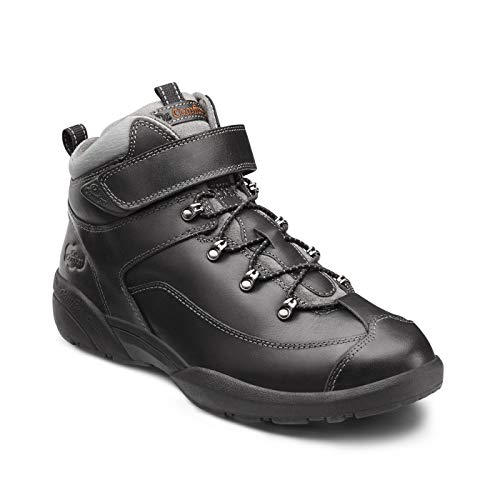
The Dr. Comfort Ranger occupies a specialized niche at the precise intersection of diabetic footwear engineering and therapeutic hiking boot design, offering an extra depth interior construction that allows custom orthotics to be inserted without collapsing the toe box height or reducing the arch elevation that plantar fasciitis patients depend upon for consistent pain management throughout the day. The boot is designed for out-of-the-box comfort — a claim that carries genuine clinical weight given that most extra depth therapeutic boots require an extended break-in period that proves punishing for feet already experiencing significant inflammation and sensitivity. The hook-and-loop fastener system combined with the easy-adjust toggle closure eliminates every lacing maneuver from the entry process, a detail of considerable practical value during high-pain flare-up periods when bending and fine motor manipulation become genuinely difficult tasks.
The breathable leather upper addresses the secondary concern of heat and moisture accumulation that compounds foot health issues for many plantar fasciitis sufferers — particularly relevant for the diabetic population for whom the Ranger carries formal therapeutic certification. The extra depth interior creates sufficient vertical clearance to accommodate even the thickest aftermarket orthotic insoles without inducing heel lift or arch collapse, a technical limitation that undermines the therapeutic effectiveness of many nominally orthopedic boots that lack the interior depth to properly seat custom devices. For buyers managing both plantar fasciitis and diabetic neuropathy simultaneously, the Ranger's certified construction and tool-free closure system represent a clinically meaningful combination that very few competing boots match. A thorough understanding of the root causes behind heel pain can significantly improve selection decisions — this detailed resource on heel pain and plantar fasciitis causes provides the physiological context that informed buyers need.
Pros:
Cons:
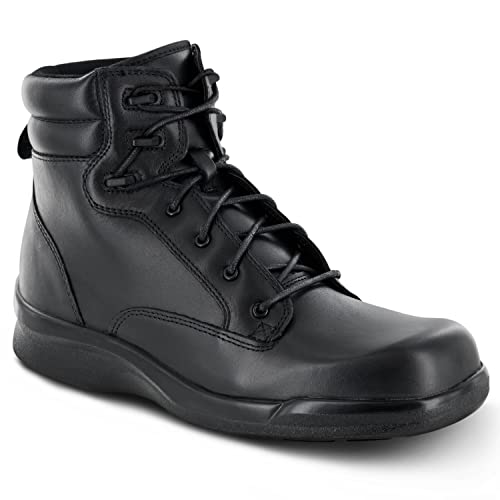
The Apex Ambulator 6" Bio Boot is among the most clinically oriented options in the plantar fasciitis walking boot category, engineered with a biomechanical focus that targets the specific joint loading patterns and fascia stress vectors responsible for chronic inflammation rather than addressing foot comfort in a general or lifestyle-oriented manner. The 6-inch shaft height provides substantial ankle stability that prevents the lateral joint rolling which can secondarily stress the plantar fascia through altered gait compensation mechanics — a biomechanical connection that many buyers overlook entirely when evaluating recovery footwear options for this condition. Apex has constructed the Bio Boot to medical-grade standards, making it a legitimate and defensible option for post-surgical recovery protocols, severe chronic plantar fasciitis presentations, and buyers whose condition has progressed to the point where lighter therapeutic footwear no longer provides adequate pain relief during routine weight-bearing activities.
The black construction is appropriately neutral for most everyday settings, and while the boot is not engineered to function as a fashion accessory, it maintains a profile that integrates into casual and semi-formal environments without appearing overtly clinical or medical in appearance. The interior volume is generous enough to accommodate therapeutic compression socks and moderate aftermarket orthotics simultaneously, a combination that experienced plantar fasciitis sufferers know can significantly amplify the boot's overall supportive performance beyond what the standard footbed provides independently. The Bio Boot's clinically driven construction philosophy and 6-inch stabilizing shaft make it the strongest selection for buyers at the more severe end of the plantar fasciitis presentation spectrum who require maximum mechanical support and joint control during daily weight-bearing activity.
Pros:
Cons:
The Propet Cliff Walker earns its place on this list by combining a Medicare and HCPCS A5500 diabetic shoe certification with genuine outdoor hiking capability — a pairing that enables buyers recovering from plantar fasciitis to maintain their weekend activity level without abandoning the therapeutic footwear specification that their recovery actively requires. The full-grain, weather-resistant leather upper handles varied terrain and shifting weather conditions with the durability that outdoor use demands, while the SealTex moisture barrier technology embedded throughout the boot's lining system creates an active waterproof seal that keeps feet dry across extended outdoor excursions in wet or damp environments — an important specification for buyers who develop secondary skin irritation or blistering from prolonged moisture exposure during hiking activity. The rugged outsole construction delivers reliable traction on uneven rock surfaces, muddy paths, and wet terrain where most standard therapeutic boots would become a functional traction liability and safety concern.
What distinguishes the Cliff Walker from purely clinical alternatives in this review is its genuine commitment to outdoor performance capability without sacrificing the foot health specifications that the A5500 Medicare classification formally requires of certified therapeutic footwear. The bronco brown full-grain leather develops a natural patina with regular outdoor use, and the boot's traditional hiking silhouette fits naturally into trail and outdoor recreation environments where more clinical-looking therapeutic boots would appear conspicuously mismatched. Buyers who cannot or will not pause their outdoor lifestyle during plantar fasciitis recovery will find the Cliff Walker's certified therapeutic construction paired with genuine trail-ready capability an essential combination in 2026. The wide E-width sizing option accommodates the foot swelling that commonly develops during prolonged uphill hiking in recovering feet, providing sustained comfort across full-day outdoor excursions.
Pros:
Cons:
The Drew Shoe Rockford Boot incorporates a combination of premium all-weather waterproofing, structural steel midsole reinforcement, and a purpose-built extended medial heel stabilizer that positions it at the upper boundary of the performance spectrum among men's plantar fasciitis recovery boots evaluated for 2026. The DuPont Thermolite Membrane waterproof lining maintains a consistently dry foot environment across rain, sleet, snow, and wet hard-surface conditions — a critical specification for buyers whose work or lifestyle demands all-weather boot performance without the ability to change into dry footwear at intervals throughout the day. The tempered steel shank embedded within the midsole eliminates the subtle but continuous arch flex that standard boots allow with every step cycle — a flex that, in plantar fasciitis patients, generates repeated low-grade micro-trauma to the already-inflamed fascia band, compounding tissue damage and extending recovery timelines beyond what properly rigid footwear would allow.
The extended medial heel stabilizer is arguably the Rockford's most clinically significant engineering feature, providing lateral heel containment that keeps the calcaneus positioned correctly throughout the complete gait cycle and prevents the inward collapse pattern that places maximum tensile stress on the fascia attachment point at the heel bone. According to Wikipedia's overview of plantar fasciitis, the condition predominantly concentrates injury stress at the calcaneal insertion point of the fascia, and the Rockford's heel stabilizer directly addresses compressive and tensile load concentration at this anatomically vulnerable site. The combination of a tempered steel shank, extended medial heel stabilizer, and DuPont Thermolite waterproof membrane makes the Rockford the most structurally comprehensive option in this review for buyers who demand uncompromising arch and heel support in demanding all-weather work environments.
Pros:
Cons:
The single most therapeutically significant structural feature in any plantar fasciitis walking boot is the quality and geometric depth of its arch support system, since the fundamental recovery goal is to reduce tensile stress on the plantar fascia band by maintaining the foot's longitudinal arch in a consistently supported, neutral position throughout every step taken during the day. Buyers should prioritize footbeds with a pronounced and anatomically accurate arch contour that matches the natural curve of their specific foot shape — flat insoles, regardless of their cushioning thickness or material quality, provide no meaningful mechanical benefit for plantar fasciitis management because they do not address the load distribution problem at the arch. Key footbed features worth evaluating include:
A firm, non-collapsible heel counter — the stiffened cup-shaped structure surrounding the heel within the boot's rear quarter — plays a disproportionately important role in plantar fasciitis management because it actively controls subtalar joint movement and prevents the inward rolling of the ankle that places excessive lateral tensile stress on the fascia band at its calcaneal attachment point. Boots with soft, deformable heel counters allow overpronation to continue unchecked throughout the entire gait cycle, negating any therapeutic benefit provided by even a well-designed arch support footbed beneath the foot. Buyers recovering from moderate to severe plantar fasciitis should specifically prioritize boots with the following structural heel characteristics:
Morning stiffness and peak pain levels are consistent hallmarks of plantar fasciitis presentation, with the first weight-bearing steps of the day representing the highest pain period due to the fascia band tightening during overnight non-weight-bearing rest — this is why entry system design matters far more in therapeutic footwear than it does in standard shoe selection. Boots that require complex lacing sequences, multiple buckle engagements, or significant forced foot flexion to enter create a painful and unnecessary barrier during the most difficult moments of the daily recovery process, potentially causing buyers to revert to unsupportive footwear simply to avoid the entry pain. The most effective plantar fasciitis walking boots in 2026 address this behavioral compliance problem with thoughtful closure systems, including:
The outsole's construction material and geometry directly determines both the functional safety of the boot across different surface conditions and the overall durability timeline that buyers can realistically expect before therapeutic performance begins to degrade — and buyers who wear recovery boots during extended shifts on polished commercial hard floors, variable outdoor terrain, or consistently wet surfaces must evaluate traction specifications with the same rigor applied to arch support features. An outsole compound that wears rapidly at the heel will also erode the heel-to-toe drop differential that contributes meaningfully to plantar fascia tension management during walking, accelerating the need for replacement and raising the effective long-term cost of therapeutic footwear ownership. The most important outsole performance characteristics to evaluate include:
The most effective walking boots for plantar fasciitis share three core structural characteristics: a deep heel cup that cradles the calcaneus and controls inward ankle rolling, a contoured arch footbed that maintains the longitudinal arch in a therapeutically supported position throughout the gait cycle, and a firm midsole that limits the toe-extension movement responsible for maximum tensile stress on the fascia during push-off. Boots that integrate all three features within a secure and adjustable closure system consistently outperform single-feature designs across both clinical evaluations and real-world recovery timelines tracked through 2026.
Most podiatrists recommend wearing plantar fasciitis walking boots consistently throughout all weight-bearing activity during the day, with particular emphasis on the morning period when fascia tightness and acute pain are most severe following overnight rest. Buyers who switch repeatedly between therapeutic boots and unsupportive casual footwear throughout the day re-traumatize the inflamed tissue each time the arch loses its mechanical support, effectively resetting the healing process. A consistent wear schedule of approximately 8 to 12 hours daily for active individuals produces substantially more reliable recovery outcomes than intermittent therapeutic footwear use patterns.
Most therapeutic walking boots in this category are designed with removable stock insoles that allow aftermarket or prescription custom orthotics to be inserted directly in their place, and this substitution is actively recommended for buyers whose plantar fasciitis presentation involves co-occurring conditions such as high arches, severe flat feet, or clinically significant leg length discrepancy that standard footbeds cannot adequately address. Extra depth boot designs, such as the Dr. Comfort Ranger evaluated above, are specifically engineered to provide the additional vertical interior clearance that thick custom orthotic devices require without inducing heel lift, reducing toe box height, or forcing the foot into a compromised position.
A cast walking boot, commonly called a CAM boot or controlled ankle motion device, is a rigid medical appliance typically prescribed immediately following complete plantar fascia rupture or in cases of severe chronic fasciitis that has failed extended conservative management — it immobilizes the foot and ankle joint almost completely to eliminate all weight-bearing tissue stress during the acute healing phase. A plantar fasciitis walking boot, by contrast, is a supportive therapeutic shoe engineered for daily wear that manages pain and supports gradual recovery through biomechanical correction and arch loading reduction, without eliminating the normal gait movements necessary for maintaining muscle function and connective tissue health during recovery.
Heel spurs — calcified protrusions that develop at the calcaneal insertion point of the plantar fascia — share a direct biomechanical origin with plantar fasciitis itself, and the same supportive footwear features that reduce fascia tensile stress are equally effective at reducing the compressive and impact loading that makes heel spur pain severe during weight-bearing activity. Boots with properly cushioned heel seats and anatomically accurate arch support distribute impact forces away from the calcaneal tip, while a firm midsole limits the repetitive fascia stretching that simultaneously aggravates both conditions in the same anatomical region with every step taken.
Therapeutic walking boots function most effectively as one component within a comprehensive plantar fasciitis management protocol that also includes consistent morning calf and fascia stretching, targeted physical therapy when the condition warrants it, and anti-inflammatory interventions appropriate to the presentation severity. Pairing a properly fitted walking boot with quality therapeutic compression hosiery improves venous return, reduces post-activity swelling, and enhances overall foot comfort during recovery — an approach covered in detail in the guide to best compression socks for plantar fasciitis in 2026. Night splints, which maintain the plantar fascia in a gently lengthened position throughout sleep, address the morning tightness problem directly at its source and can meaningfully accelerate recovery timelines when combined with consistent daytime therapeutic boot use.
Selecting the right plantar fasciitis walking boot in 2026 demands matching the boot's therapeutic specifications precisely to the severity of the condition, the buyer's lifestyle demands, and any co-occurring foot health complications that standard footwear cannot adequately address — and every boot reviewed above delivers meaningful clinical value within its specific design niche. Buyers should identify their primary use case first, match a boot from this list to that need with confidence, and commit to consistent therapeutic footwear use as the foundation of a comprehensive recovery plan refined with input from a trusted podiatrist or physical therapist.


About Mehnaz
Mehnaz is the founder and editor of RipPain, a health resource site dedicated to helping readers navigate pain management, recovery, and medical device research. Her work on the site is driven by personal experience caring for seriously ill family members, which led her to study evidence-based guidance from physicians, pain specialists, and published medical research. She curates and summarizes expert medical insights to make credible health information accessible to everyday readers.
You can get FREE Gifts. Or latest Free phones here.
Disable Ad block to reveal all the info. Once done, hit a button below
 Mehnaz