
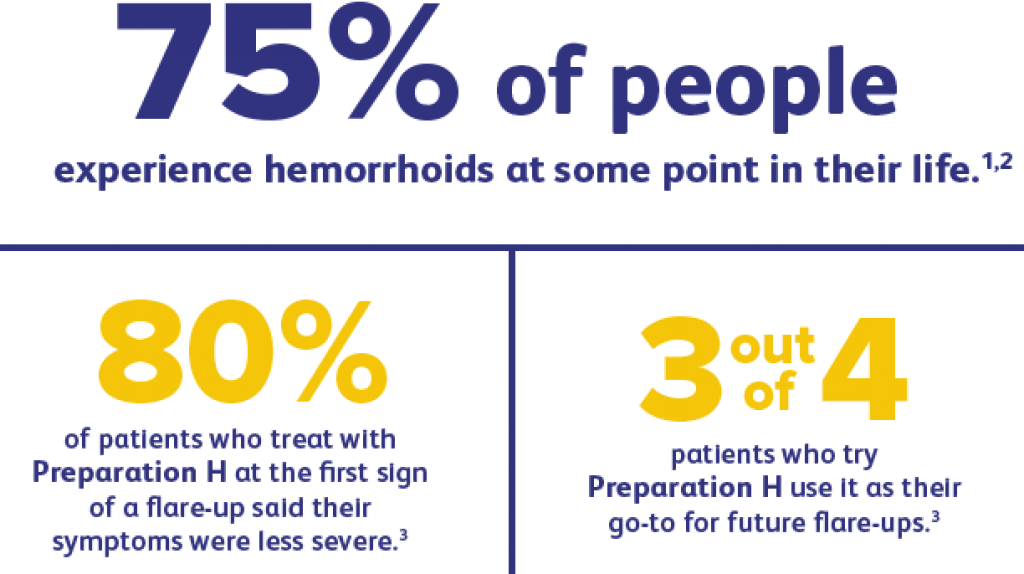
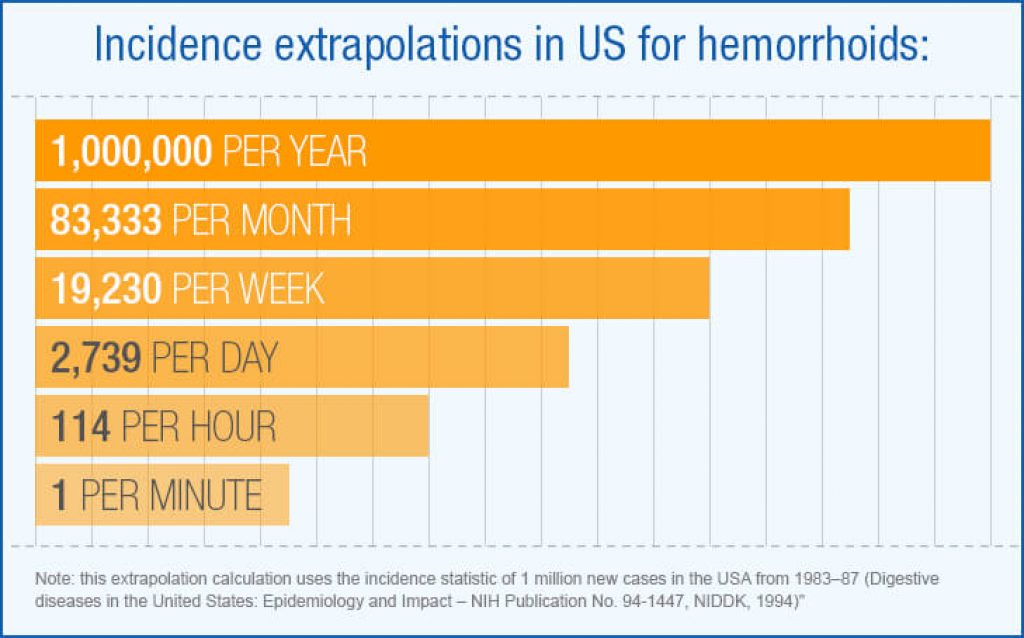
Nearly 75% of people will develop hemorrhoids at some point in their lives — and for millions, the pain is consistently worst after dark. If you've been lying awake wondering why do hemorrhoids hurt at night far more than they do during the day, you're not imagining it. The answer involves body mechanics, inflammation biology, and behavioral triggers most people never connect. For a full overview of hemorrhoid types, grades, and treatments, visit the hemorrhoid resource hub on this site — then come back here to understand exactly why your symptoms spike when you're trying to sleep.
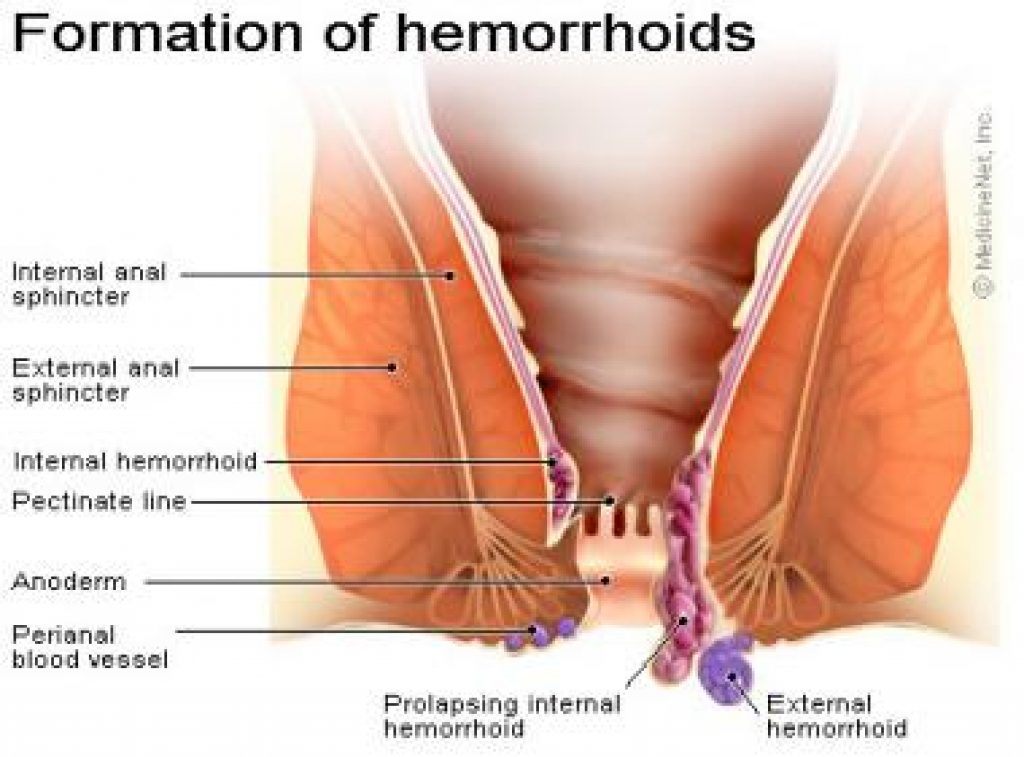
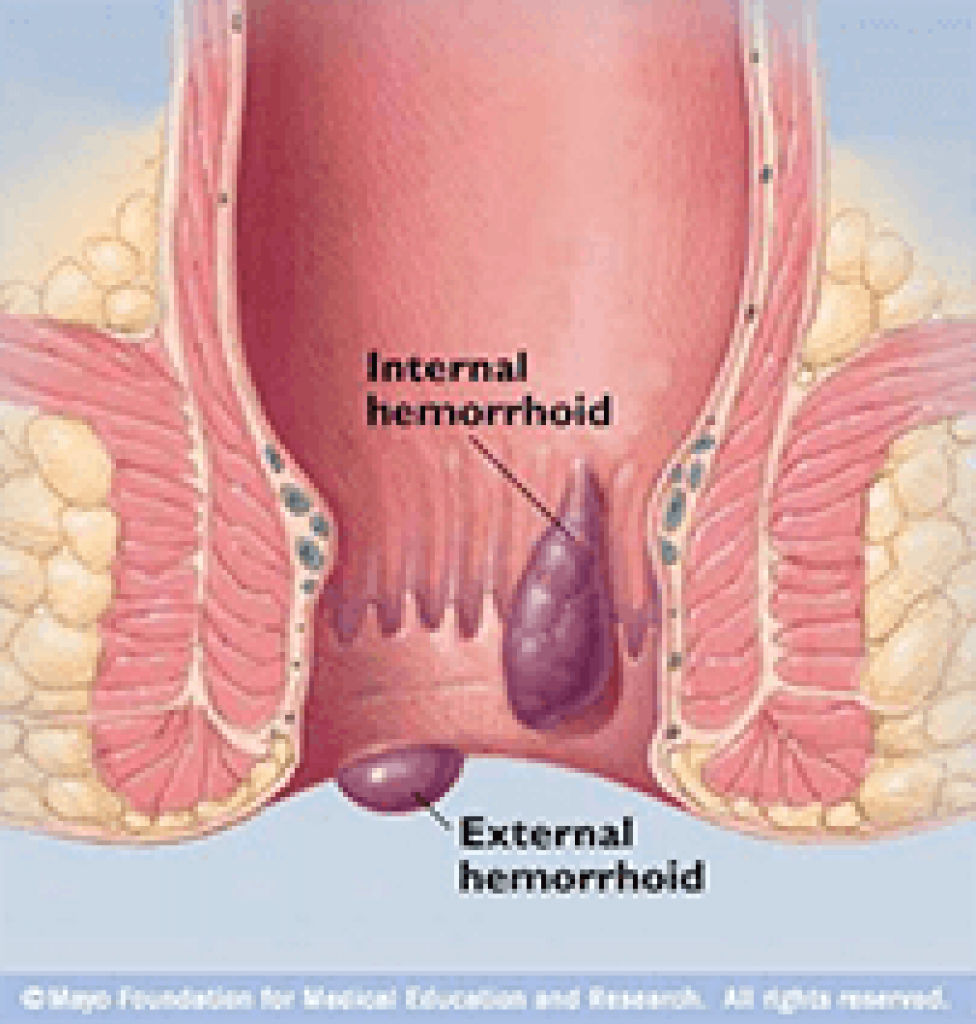
Hemorrhoids are swollen, inflamed veins in the lower rectum and anus, classified as internal, external, or both. They affect roughly one in three adults at any given time. The condition itself doesn't worsen when the sun goes down, but several compounding factors converge at night to make existing symptoms feel dramatically more intense. Knowing which factors are at play puts you in a position to address them directly.
This guide walks you through the science behind nighttime flare-ups, gives you a concrete step-by-step bedtime routine, reviews the most effective products, and explains when home treatment is no longer enough. Whether this is your first flare or a recurring battle, every strategy here is actionable and evidence-based.
Contents
During the day, gravity works in your favor. When you stand and move, blood drains away from the pelvic region, reducing pressure on swollen hemorrhoid tissue. The moment you lie down, that gravitational relief disappears. Blood pools more easily in the rectal veins, and already-inflamed tissue faces increased internal pressure. If you sleep on your back, you're also placing direct compression on the anal area, which amplifies pain.
Your body's inflammatory response follows a circadian rhythm. Research supported by the National Institutes of Health shows that inflammatory markers peak during late evening and early nighttime hours. For hemorrhoid sufferers, this means the tissue inflammation driving your burning, itching, and throbbing is biologically amplified at night — not just perceived that way.
There's a psychological layer too. During the day, work, movement, and conversation distract you from discomfort. At night, with every distraction stripped away, pain claims your full attention. The same level of inflammation that felt tolerable at 2 PM becomes unbearable at 2 AM for no physiological reason other than focus.
When pain spikes at night, you need tools that act in minutes. These are your most reliable options:
What you do in the two to three hours before bed directly determines how severe your nighttime symptoms will be. Small habit adjustments compound quickly.
Short-term relief is necessary, but prevention is what breaks the cycle. These habits, done consistently over weeks, reduce both the frequency and severity of flare-ups — including the nighttime pain that's disrupting your sleep right now.
Chronic stress worsens inflammatory conditions, and poor sleep amplifies pain perception. These two factors create a feedback loop that keeps hemorrhoid symptoms active far longer than necessary.
The right product applied at the right time makes the difference between a sleepless night and manageable discomfort. Here's a breakdown of the most effective options:
| Product | Primary Benefit | Best Time to Use | Duration of Effect |
|---|---|---|---|
| Hydrocortisone 1% cream | Reduces swelling and inflammation | Before bed | 4–6 hours |
| Lidocaine cream | Numbs pain on contact | Acute nighttime flare-ups | 2–3 hours |
| Witch hazel pads (Tucks) | Soothes, cools, and cleanses | After sitz bath or bowel movement | 1–2 hours |
| Pure aloe vera gel | Anti-inflammatory cooling | Anytime | 1–2 hours |
| Sitz bath basin | Full symptom relief and cleansing | Before bed and after bowel movement | 1–3 hours post-soak |
Use hydrocortisone for no more than 7 consecutive days to avoid skin thinning. For nighttime use specifically, lidocaine is your fastest option — it numbs inflamed tissue within minutes and lasts long enough to help you fall asleep before the effect wears off.
Beyond topicals, these physical aids make a measurable difference in how much pain you experience at night and during the day:
If this is your first hemorrhoid flare-up, home treatment resolves the majority of cases within one to two weeks when applied consistently. Most people who still have active symptoms after two weeks did not maintain their regimen every single day.
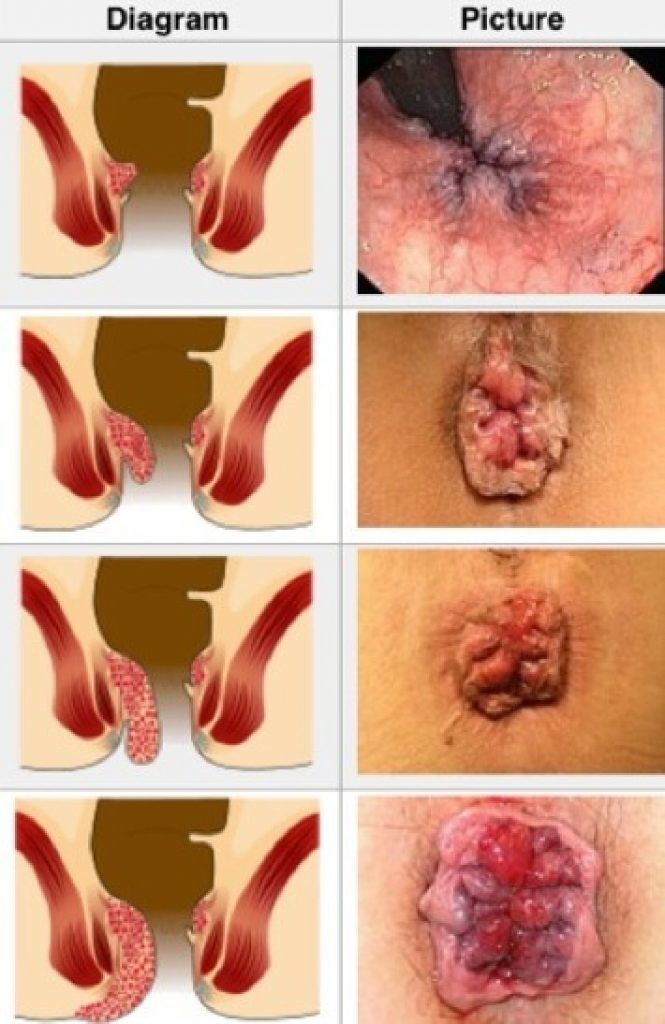
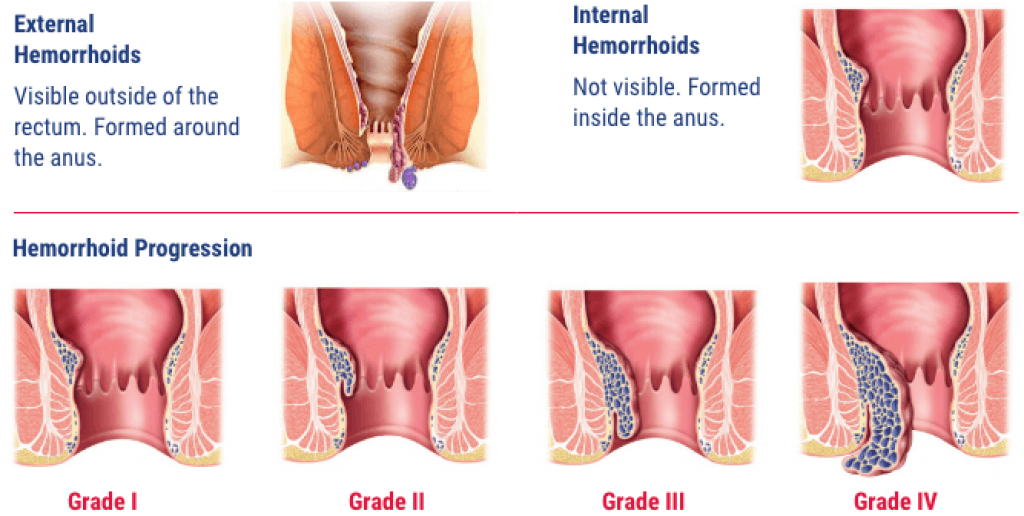
For a detailed visual understanding of what different hemorrhoid types and severity grades look like, the hemorrhoids pictures guide on this site covers internal, external, prolapsed, and thrombosed types with clear clinical infographics.
Chronic hemorrhoids require a different playbook entirely. If your hemorrhoids recur repeatedly, or if any of the following apply, schedule a doctor's appointment rather than continuing to manage at home:
Prolapsed and thrombosed hemorrhoids are the two most severe presentations and the most common causes of extreme nighttime pain. Understanding the distinction between them helps you determine how urgently you need medical attention.
| SL No. | Prolapsed Hemorrhoid | Thrombosed Hemorrhoid |
| 1 | Prolapsed hemorrhoid is the extended or grown lump of the internal hemorrhoid. | Both internal and external hemorrhoids can become thrombosed if the rectal blood passage is filled with clot. |
| 2 | It extends out of the opening of anus and the patient can feel it. | This can swell even more due to the blood clotting inside the hemorrhoid lump. A victim will see bleeding during stool disposal. |
| 3 | The lump caused by prolapsed hemorrhoid can be pushed back inside, but that only deters the pain briefly. | |
| 4 | Prolapsed hemorrhoid is caused by cigarette smoking, diarrhea, constipation, undisciplined bowel activities, pregnancy, etc. | Thrombosed hemorrhoid is caused by constant sitting, straining during stool movement, giving birth, eating less-fibered food, etc. |
| 5 | A victim of prolapsed hemorrhoid finds it hard to sit comfortably as the lump hurts or agitate. | Thrombosed hemorrhoid can be very painful. |
| 6 | Reason behind the normal hemorrhoid turning prolapsed is the surrounding tissue becoming weak over time. | Reason behind thrombosed hemorrhoid is the blood clot inside hemorrhoid lump over time. |
| 7 | Prolapsed hemorrhoid is diagnosed by its visibility or digital examination by the doctor. | Thrombosed hemorrhoid is diagnosed by its visible swelling in the bore-down lump. |
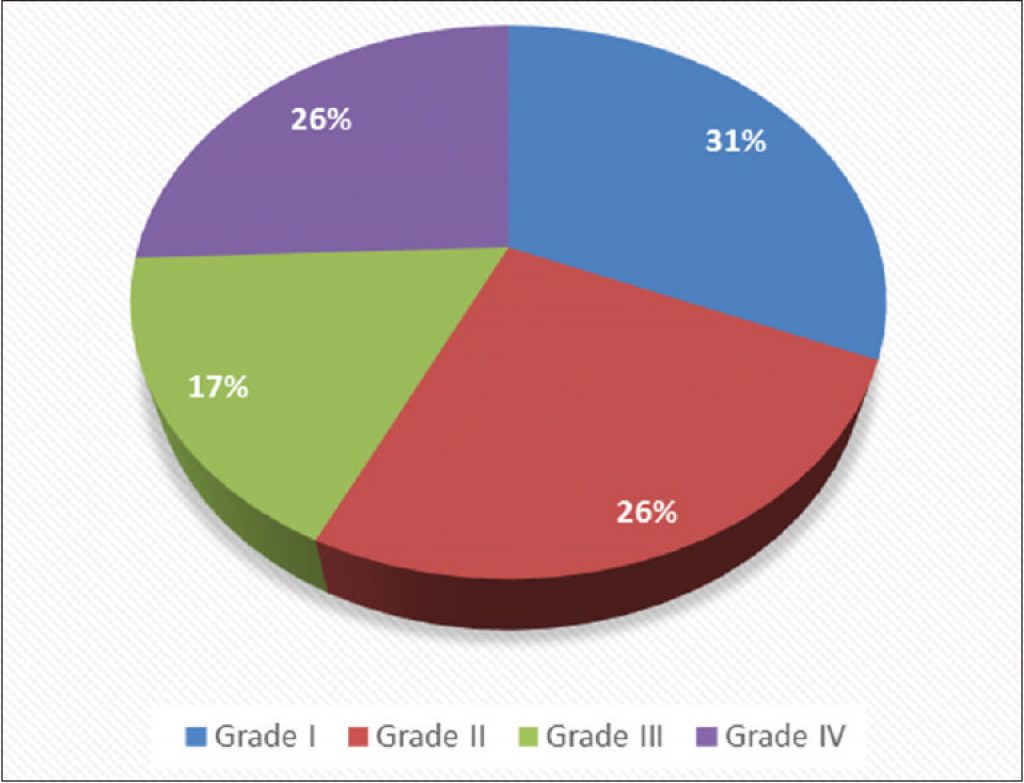
| 8 | Prolapsed hemorrhoid can be graded in 4 states: Grade 1 depicts a regular or un-prolapsed hemorrhoid. Grade 2 depicts the initial prolapsed stage which may retreat or heal by itself with time. Grade 3 depicts the extended lump hemorrhoid that can be pushed back inside. Grade 4 is the most painful stage of prolapsed hemorrhoid that cannot be pushed back manually or requires surgery. | Thrombosed hemorrhoid is the initial or the near state of hemorrhoid in which critical medical attention may be necessary. If home remedies and lifestyle don't work well, moderate or major surgery is required to remove the hemorrhoid part. |
| 9 | Prolapsed hemorrhoid can be cured or nursed at home before reaching critical state. Prescribed topical ointment, warm bath, soaking the places around anus in warm water, massaging with ice to prevent swelling, etc. could help. Also, one may eat fiber enriched foods regularly to make bowel movement easy. | Like prolapsed, thrombosed hemorrhoid can be treated at home with hemorrhoid cream, ice pack massage, soaking in warm water, and painkillers. Other home remedies and nursing are using wet wipes in toilet, applying pure Aloe Vera gel and Witch Hazel, taking fiber supplementation, etc. |
Yes. Lying flat removes gravitational pressure relief from the pelvic veins, allowing blood to pool in already-swollen hemorrhoid tissue. Sleeping on your left side or stomach reduces this effect compared to sleeping on your back. A donut pillow under your hips can also help distribute pressure during sleep.
Two reasons work together: body position increases venous pressure in the rectal area when you lie down, and inflammatory markers peak biologically during nighttime hours. Add the complete absence of daytime distractions, and pain that felt tolerable at noon demands your full attention at midnight. It's the same inflammation — your perception of it changes dramatically.
A sitz bath followed immediately by a lidocaine-based topical cream is the most effective fast-acting combination. The sitz bath reduces swelling and cleanses the tissue; the cream numbs remaining pain within minutes. Lie on your left side after applying, and use a cold compress if pain persists beyond 15 minutes. Ibuprofen taken 30 minutes before bed extends the effect through the night.
Nighttime hemorrhoid pain is disruptive and exhausting — but it's also one of the most manageable forms of chronic discomfort once you understand what's driving it. Start tonight: take a 15-minute sitz bath before bed, apply a lidocaine cream, switch to side sleeping, and commit to a fiber-rich diet starting tomorrow. If your symptoms aren't improving within two weeks of consistent home treatment, make an appointment with your doctor to discuss whether a procedure like rubber band ligation is the right next step for lasting relief.


About Dr. Zhifei Sun, MD
Dr. Zhifei Sun is a colon and rectal surgeon affiliated with MedStar Georgetown University Hospital in Washington, D.C. He specializes in minimally invasive surgical techniques for colorectal diseases, including diverticular disease, ulcerative colitis, Crohn's disease, and colorectal cancer. His clinical work focuses on improving patient outcomes through laparoscopic and robotic-assisted approaches to complex colorectal conditions.
You can get FREE Gifts. Or latest Free phones here.
Disable Ad block to reveal all the info. Once done, hit a button below
 Dr. Zhifei Sun, MD