
To disinfect shoes from athlete's foot, apply an antifungal spray or 70% isopropyl alcohol inside the shoe, then let it dry completely for at least 24 hours before wearing again. Treating your feet without disinfecting your shoes guarantees reinfection — the fungus survives in warm, moist footwear for months. If you're managing recurring foot issues, our foot care section gives you a complete approach to keeping your feet healthy and infection-free.
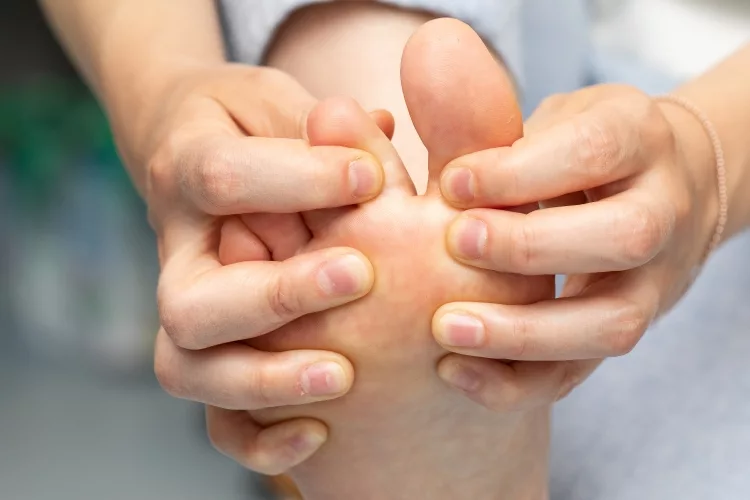
Athlete's foot is caused by Trichophyton and related dermatophyte fungi that thrive in dark, damp environments — the exact conditions inside your shoes after a long day. According to the CDC, fungal skin infections like athlete's foot rank among the most common infections worldwide, affecting tens of millions of people annually. With the right approach, you can eliminate the fungus from your footwear completely and stop the cycle of reinfection for good.
Whether you're dealing with a fresh outbreak or a stubborn recurring case, this guide walks you through every proven disinfection method, what mistakes to avoid, and how to protect your shoes going forward. You'll also find guidance on treating athlete's foot at home so you can address both your skin and your footwear at the same time and stop the infection from bouncing back.
Contents
Getting the process right from the start matters — using the wrong product or rushing the drying time means the fungus simply grows back. Here's exactly what you need and how to do it correctly the first time.
Gather your supplies before you begin so the process goes smoothly and you don't skip any steps halfway through. You'll need the following items:
If you don't have antifungal spray immediately available, 70% isopropyl alcohol is a fast-acting alternative that kills dermatophyte fungi on contact when applied generously and allowed to evaporate completely before wearing.
Follow these steps in order, and repeat the full process every time you complete a course of topical antifungal treatment for your skin:
Pro tip: Stuffing treated shoes with crumpled newspaper accelerates moisture absorption significantly — replace the newspaper after an hour and your drying time drops by half.
Multiple disinfection approaches are clinically effective, and the right one for you depends on your shoe material, the severity of the infection, and what you have on hand right now.
Over-the-counter antifungal products are your most reliable first line of defense against shoe contamination. Look for products containing any of these active ingredients:
UV-C light shoe sanitizers offer a chemical-free method that destroys fungal DNA and renders spores non-viable within minutes, making them ideal for people with skin sensitivities or for treating expensive leather footwear you don't want to saturate with liquid. Most devices require 15 to 30 minutes of exposure per shoe, and they also eliminate bacteria simultaneously — giving you a dual sanitation benefit every time you use them.
If you need to disinfect shoes from athlete's foot without specialized products, several household solutions deliver genuine results when used correctly and at the right concentrations:
| Remedy | How to Apply | Effectiveness | Best For |
|---|---|---|---|
| Baking soda | Pack inside shoe overnight; shake out in the morning | Moderate — neutralizes pH, inhibits growth | Odor control and mild daily prevention |
| White vinegar (undiluted) | Dampen cloth, wipe interior thoroughly; let air dry | Good — acidic pH disrupts many fungal strains | Canvas and synthetic shoes |
| Tea tree oil (diluted 1:10 in water) | Spray or wipe interior; allow full air drying | Good — natural antifungal properties confirmed in studies | Mild infections, sensitive materials |
| Rubbing alcohol (70%) | Saturate interior thoroughly; allow full evaporation | Very good — kills dermatophytes on contact | Most shoe types, quick turnaround needed |
| Diluted bleach (1:10) | Wipe non-porous surfaces only; avoid fabric linings | Excellent — kills spores rapidly and reliably | Rubber soles and non-porous synthetic linings only |
Even people who are diligent about treating their feet often make shoe disinfection errors that let the fungus survive and reinfect them within days of clearing up the skin infection. Avoiding these mistakes is what separates a one-time case from a chronic problem.
These are the errors that keep athlete's foot coming back no matter how well you treat your skin:
Warning: Never share shoes with another person while treating athlete's foot — even brief contact with contaminated footwear transfers live fungal spores and can spread the infection immediately.
Some shoes are genuinely beyond saving, and continuing to disinfect them is a futile effort that perpetuates the reinfection cycle indefinitely. Consider replacing your footwear when:
Disinfecting shoes during an active infection addresses the immediate problem, but building consistent long-term habits is what prevents athlete's foot from taking hold again and keeps your footwear clean between treatment cycles.
These practices make a measurable difference in whether fungi can establish themselves inside your shoes over time:
For older adults or anyone managing mobility-related foot challenges, maintaining consistent shoe hygiene becomes even more critical to preventing chronic infections. The foot care tips for seniors guide covers footwear hygiene alongside broader strategies for keeping aging feet healthy and infection-free over the long term.
Your shoe choice has a direct impact on how vulnerable your feet are to reinfection after you've cleared a case of athlete's foot. Prioritize shoes with these features going forward:
Sometimes you need to disinfect shoes from athlete's foot quickly — before a trip, after a gym session, or when you realize you've worn the same contaminated pair throughout an entire active infection. These approaches deliver fast, reliable results without waiting for a full drying cycle.
When you need results in under an hour, use one of these accelerated approaches:
Travel scenarios — shared showers, gym changing rooms, hotel pool areas — are high-risk environments for picking up athlete's foot and carrying it home in contaminated shoes. Protect yourself with these steps every time you travel:
Dermatophyte fungi can survive inside shoes for several months under favorable conditions — specifically in dark, warm, and moist environments that allow spores to remain dormant but viable. Without a living host providing warmth and nutrition, the spores persist in a dormant state capable of reinfecting your feet the next time you wear those shoes, which is precisely why immediate disinfection is so critical.
Machine washing can help if your shoes are machine-safe and you use a hot cycle above 60°C, but it's not sufficient on its own because most athletic shoes can't tolerate those temperatures without damage to materials or adhesives. Always follow up machine washing with an antifungal spray application and a complete drying period to ensure you've eliminated the fungus from deep within the shoe's fabric layers and seams.
Freezing slows fungal activity and reduces spore viability but does not reliably kill all dermatophyte strains — many fungal species have evolved robust resistance to cold temperatures as a natural survival mechanism that predates human footwear entirely. Use freezing only as a temporary holding measure in combination with a dedicated chemical antifungal treatment for complete and lasting shoe disinfection results.
If you experience recurring infections, disinfect every pair of shoes you wear regularly at least once per week and always immediately upon completing a course of topical antifungal skin treatment. If the infection keeps returning despite consistent disinfection efforts, the shoes themselves are likely beyond effective treatment — replacing them and starting fresh with better-ventilated footwear is the most practical solution at that point.
Yes — socks are a primary transfer vector for athlete's foot fungus and must be treated with the same level of urgency as your shoes throughout the entire treatment period. Wash all socks worn during an active infection in hot water above 60°C, and consider switching to moisture-wicking or antimicrobial socks that create less favorable conditions for fungal colonization of both the fabric and your shoe interior.
Dedicated antifungal sprays containing tolnaftate or terbinafine are the most reliably effective options for shoe disinfection because they're formulated specifically to kill dermatophyte fungi at clinically relevant concentrations with documented efficacy. UV-C shoe sanitizers are an excellent chemical-free alternative — particularly for leather shoes or for anyone who prefers to avoid repeated chemical applications — and they deliver consistent results across multiple fungal and bacterial species simultaneously.
Now that you know exactly how to disinfect shoes from athlete's foot, you have everything you need to break the reinfection cycle and protect your feet for the long term. Pull out every pair of shoes you've worn during your current or most recent infection and work through the step-by-step process today — treating your footwear alongside your skin is the only approach that actually produces lasting results. Combine consistent shoe disinfection with the right antifungal skin treatment and you'll resolve the infection far faster than treating your feet alone.


About Mehnaz
Mehnaz is the founder and editor of RipPain, a health resource site dedicated to helping readers navigate pain management, recovery, and medical device research. Her work on the site is driven by personal experience caring for seriously ill family members, which led her to study evidence-based guidance from physicians, pain specialists, and published medical research. She curates and summarizes expert medical insights to make credible health information accessible to everyday readers.
You can get FREE Gifts. Or latest Free phones here.
Disable Ad block to reveal all the info. Once done, hit a button below
 Mehnaz