
Studies suggest that nearly 60% of dog owners take no deliberate steps to protect their pet's paws during cold months — a gap that frequently leads to cracked pads, chemical burns, and lasting discomfort. If you've been wondering how to protect dog paws in winter, you're already ahead of most pet parents. Cold pavement, de-icing salts, antifreeze runoff, and freezing temperatures create a genuinely hazardous environment for sensitive paw pads. For broader foot care insight — whether for yourself or your four-legged companion — understanding cold-weather skin protection is a solid place to start.
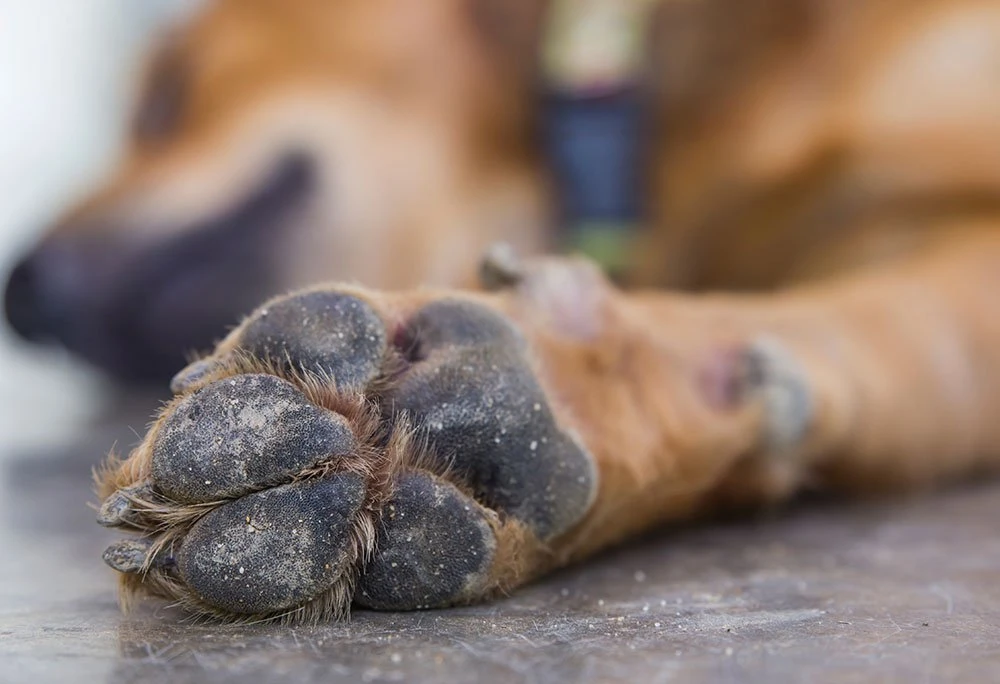
Winter walks are non-negotiable for most dogs. Exercise, mental stimulation, and bathroom breaks don't stop because the temperature drops. But every time your dog steps onto salted sidewalks or icy ground, their paws absorb the impact. Repeated exposure without protection leads to dryness, cracking, bleeding, and even chemical ingestion when dogs groom their own paws. The ASPCA notes that ice melt products and road salt are among the most common cold-weather hazards for pets.
This guide covers ten practical, evidence-based strategies — from protective gear to post-walk routines — that you can start applying right away. Whether you're heading into your first cold season with a new puppy or managing winters with an older dog, there's something useful here for every situation.
Contents
One of the most widespread mistakes is letting your dog walk straight inside without wiping their paws. Salt and chemical residue cling to the fur between the toes, and when your dog grooms themselves, they ingest those compounds. This can cause stomach irritation, excessive drooling, or worse. Keep a small towel by the door and make paw wiping part of the re-entry routine every single time — not just when you remember.
Cracked pads, mid-walk limping, excessive licking, and redness between the toes are all signals that something is wrong. Many owners dismiss these as typical winter dryness without taking any action. Catching problems early makes a dramatic difference — just like with human skin, a small crack left untreated becomes a painful fissure. If you've ever dealt with cracked heels, you understand how quickly dry, neglected skin breaks down without consistent care. The same progression happens to dog pads.
Pro tip: If your dog suddenly lifts a paw mid-walk, stop and inspect immediately — don't assume they'll walk it off. That signal is your dog telling you something is wrong right now.
It's true that Huskies, Malamutes, and Bernese Mountain Dogs have cold-climate adaptations. But even these breeds are not immune to chemical burns from de-icing agents or physical damage from rough ice edges. The idea that a hardy breed can simply tough out winter pavement is a myth that leads owners to skip precautions that would genuinely help. No breed is completely immune to winter paw damage — the risks differ by degree, not by kind.
Protective wax and paw balm often get dismissed as something only show dog owners use. That's not accurate. Veterinary dermatologists recommend them as a practical front-line defense against dryness and chemical irritation. The wax creates a thin barrier between the pad and the ground surface, reducing direct contact with salt and cold. It's affordable, widely available, and takes under a minute to apply. That's not a luxury — it's basic maintenance.
A good routine starts before you leave the house. Apply a thin layer of paw balm or protective wax to each pad and let it absorb for about a minute. Check the conditions outside — if road salt is visible on your street or the temperature is below 20°F, consider adding boots for extra coverage. Short-haired breeds and senior dogs benefit most from pre-walk prep. Consistency is what makes this effective — doing it occasionally isn't enough to prevent cumulative damage.
If you're someone who already takes foot health seriously, this preventive mindset will feel familiar. The same logic that underlies foot care for active people — protect before problems develop — applies directly to your dog's paws.
The post-walk routine matters just as much as what you do before. Keep these steps simple enough that you'll actually do them every time:
This entire process takes about three minutes. That small investment protects against pad damage that can take weeks to heal on its own.
Winter gets most of the attention, but paw health is genuinely a year-round concern. Hot summer pavement can cause burns as serious as winter salt damage. Spring mud softens pads and makes them more vulnerable to tearing. Building a consistent paw care habit across all seasons means your dog's pads stay resilient and in better baseline shape before winter even arrives. Think of it as maintenance, not reactive treatment.
Year-round skin protection follows similar logic for humans and pets alike. The principles in this basic foot care guide for year-round exposure — don't wait for a problem before you start caring — translate directly to how you should approach your dog's paw health across seasons.
Set a consistent weekly schedule. Once a week is practical for most dog owners, and it catches problems before they escalate. During your check, look for:
Annual vet visits should include a paw examination. Older dogs benefit from more frequent professional checks — pad elasticity decreases with age, and early intervention matters more as dogs get older.
Warning: Ice balls that compact between the toes can form within minutes on a cold walk and become genuinely painful. Trim the fur between your dog's toe pads short before winter begins — it's one of the highest-impact preventive steps you can take at no cost.
Boots offer the most comprehensive protection available. A properly fitted boot keeps paws off the ground entirely, blocking salt, ice, and cold surface contact. When you're shopping, prioritize:
The adjustment period is real. Most dogs take one to three weeks to walk comfortably in boots. Start with short indoor sessions before expecting your dog to handle a full outdoor walk in them.
Not every dog tolerates boots — and that's completely workable. Paw balm and protective wax are highly effective alternatives for dogs who won't keep footwear on. Look for natural ingredients like beeswax, shea butter, or coconut oil, and avoid products with essential oils, which can be toxic if ingested.
Dog socks are another layer worth considering — lighter than boots, easier to put on, and helpful for short walks or indoor recovery. They don't fully block chemical contact, but they reduce abrasion and cold exposure. If you're already thinking about insulating materials for cold weather, the case for wool socks in winter covers some of the same principles — insulation and moisture management — that apply to what you want in dog socks too.
Each method has distinct strengths and limitations. The right choice depends on your dog's temperament, how harsh your winters are, and what fits your daily routine. There's no single answer — most experienced dog owners combine two or three approaches depending on conditions that day.
| Method | Protection Level | Dog Tolerance | Ease of Use | Cost Range | Best For |
|---|---|---|---|---|---|
| Dog Boots | High | Low to moderate | Moderate (fit matters) | $20–$60 | Extreme cold, heavy salt use |
| Paw Wax / Balm | Moderate | High | Very easy | $8–$20 | Mild winters, everyday baseline |
| Dog Socks | Low to moderate | Moderate | Easy | $10–$25 | Indoor recovery, light outings |
| Paw Rinse (post-walk) | Reactive, not preventive | High | Very easy | $10–$18 | Decontamination after every walk |
| Petroleum Jelly | Low | High | Very easy | Under $5 | Emergency backup only |
A layered approach — balm before walks, boots on the harshest days, rinse and moisturize afterward — gives you the most complete coverage without depending on any single method.
This is your window to get ahead of the damage. Follow these steps before every outdoor winter outing:
Stay attentive outdoors. If your dog lifts a paw suddenly, stops, or starts limping, don't push through it. Stop, check the paw, and address whatever you find before continuing.
When you're back inside, work through this sequence:
That's the complete loop — prep, protect, clean, inspect. Do it consistently and your dog's paws will stay in far better shape through even the roughest winters.
Not every dog owner has time for an elaborate routine. Here's what owners in cold climates have found actually works day to day without adding a lot of friction:
Older dogs often have thinner, less elastic pads that crack more easily and reduced circulation in the extremities that makes cold exposure more damaging. If you have a senior dog, boots are worth the adjustment period investment — the protection payoff is significant compared to the two to three weeks it takes to acclimate.
High-activity dogs — working breeds, dogs covering long daily distances — put far more cumulative stress on their pads and benefit from a more intensive post-exercise routine. The same mindset that drives the active person's foot care approach applies here: the more demand you put on a structure, the more deliberately you need to care for it. If you're traveling with your dog during colder months, also worth reviewing is how to safely secure your dog in the boot of a car for cold-weather road trips.
You don't need to spend a lot to build an effective protection setup. A solid starter kit covers the fundamentals:
Your total starter investment lands around $36–$62. Most of these products last through an entire season or longer with normal use.
If you live somewhere with heavy snowfall, frequent municipal salting, or temperatures that regularly drop below 15°F, quality boots are worth the additional cost. A reliable pair runs $20–$60, with premium options reaching $80 for reinforced, purpose-built materials.
For context, veterinary treatment for chemically burned or severely cracked pads — including the exam, prescription ointment, and follow-up visits — can run $150–$400 or more. Prevention costs a fraction of treatment. A $15 tin of paw balm used consistently through the season represents a much smaller investment than a single vet visit for avoidable pad damage.
Apply paw balm before every walk and again after you've cleaned and dried your dog's paws when you return home. During particularly harsh stretches — heavy salting, extreme cold — twice-daily application helps prevent the pads from drying out between walks. Most balms absorb within a minute or two, so the time commitment is minimal.
Plain petroleum jelly is generally considered non-toxic for dogs and can serve as a temporary barrier in a pinch. However, it doesn't offer as much protection as purpose-formulated paw waxes, and it tends to leave a greasy residue that picks up more debris during a walk. Use it as a short-term backup option, not as your primary strategy.
Start with short indoor sessions of five to ten minutes while offering treats and calm encouragement. Gradually extend the time over one to two weeks before attempting a full outdoor walk. Choose boots that fit snugly but not tightly, and check that they haven't shifted after the first few steps. Most dogs adapt within two to three weeks of consistent, positive exposure.
Watch for limping, excessive licking or chewing of the paws, visible redness or cracking on the pad surface, bleeding, or swelling between the toes. Mild dryness and minor cracking can often be managed at home with a good balm. Blistering, open wounds, or signs of chemical burns require a vet visit rather than home treatment.
It's manageable with the right precautions. Apply protective wax or put boots on before the walk, keep the outing shorter on heavily treated streets, and clean and rinse your dog's paws immediately when you return home. Never let your dog lick their paws before you've cleaned them — road salt often contains additives that can cause stomach upset or worse if ingested.
Knowing how to protect dog paws in winter doesn't require expensive gear or a complicated routine — it requires consistency and a bit of attention. Start with a quality paw balm and a post-walk wipe-down habit, observe how your dog responds to different conditions, and layer in boots or other tools as your situation calls for it. Pick one strategy from this guide, put it into practice on your next walk, and build from there — your dog's comfort through the cold season is worth the small daily effort it takes to maintain it.


About Mehnaz
Mehnaz is the founder and editor of RipPain, a health resource site dedicated to helping readers navigate pain management, recovery, and medical device research. Her work on the site is driven by personal experience caring for seriously ill family members, which led her to study evidence-based guidance from physicians, pain specialists, and published medical research. She curates and summarizes expert medical insights to make credible health information accessible to everyday readers.
You can get FREE Gifts. Or latest Free phones here.
Disable Ad block to reveal all the info. Once done, hit a button below
 Mehnaz