
Running shoe midsoles can lose up to 40% of their shock-absorbing capacity within the first 150 miles — yet most runners hold onto their shoes until the outsole visibly wears through. If unexplained knee pain, hip soreness, or tired feet have started showing up after your runs, worn-out shoes are often the overlooked cause. Knowing when to replace running shoes is one of the most effective — and underrated — ways to protect your joints and stay injury-free. For a broader look at keeping your feet in top shape, explore our foot care resource hub.
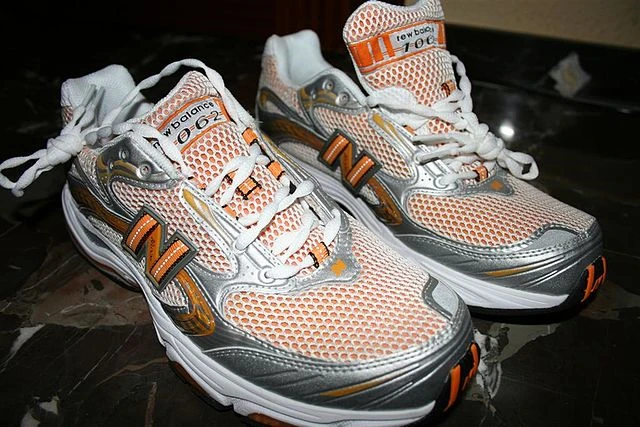
The frustrating part is that cushioning foam breaks down invisibly. The midsole compresses over hundreds of miles, and by the time you actually feel the difference in your feet or knees, the cumulative impact on your joints and connective tissue may already be building. Most sports medicine specialists recommend replacing running shoes every 300–500 miles — but that window shifts depending on your body weight, running surface, gait pattern, and shoe construction.
This guide walks you through the honest warning signs, clears up a few stubborn myths that keep runners in dead shoes too long, and gives you a simple hands-on check you can do tonight.
Contents
The clearest sign that you need new shoes isn't something you see — it's something you feel. When your feet, shins, knees, or hips start aching during or after runs that never bothered you before, your shoes have likely stopped absorbing impact the way they should. Don't wait for visible damage before you act.
The midsole — the foam layer sandwiched between the rubber outsole and the fabric upper — is where all the cushioning work happens. Once it compresses and loses its rebound, every footstrike sends more raw impact force into your bones and joints. Signs of midsole breakdown include:
If heel soreness is part of the picture, worn cushioning is a common trigger. Collapsed midsoles force the plantar fascia (the thick band of tissue running along the bottom of your foot) to absorb stress it wasn't designed to handle. Read more about how footwear contributes to heel pain and plantar fasciitis — catching it early makes a real difference.
Pain tip: If you feel significantly better running in a newer pair of shoes than your current ones, your old shoes have already crossed the replacement threshold — trust that feedback.
Flip your shoes over and study the rubber outsole. Uneven wear reveals your gait — heavy wear on the outer heel signals supination (rolling outward), while wear under the ball of the foot often points to overpronation (rolling inward). Once the rubber grinds through to the white foam midsole underneath, the shoe has lost structural integrity and must be replaced immediately.
Check the upper fabric too. If it's stretched around the toe box, pulling away from the sole, or no longer cradling your heel securely, that's not cosmetic wear — it's a structural failure that changes how force moves through your foot with every step.
A few widely repeated beliefs keep runners in shoes long past their useful life. Here's the truth.
This is the most dangerous myth in running footwear. Cushioning foam degrades from the inside out. The exterior of your shoe can look factory-fresh after 600 miles while the midsole has completely bottomed out. Appearance is not a reliable indicator of shoe life — ever. A clean, unscuffed shoe can still be a joint-damaging shoe.
The 300–500 mile guideline cited by the American Academy of Podiatric Sports Medicine is a useful starting point, not a universal law. Several factors push that number lower:
Use mileage as a checkpoint, not a finish line. Your body's feedback is the real authority.
| Runner Profile | Typical Weekly Mileage | Estimated Shoe Life |
|---|---|---|
| Lightweight runner (under 150 lbs) | 20–30 miles/week | 450–500 miles |
| Average runner (150–180 lbs) | 20–30 miles/week | 375–450 miles |
| Heavier runner (over 180 lbs) | 20–30 miles/week | 300–375 miles |
| Trail runner (soft surfaces) | Any | Add 50–75 miles vs. road |
| Treadmill-only runner | Any | Add 25–50 miles vs. road |
Getting the most out of your shoes isn't about squeezing every last mile out of a worn-out pair — it's about getting the full designed lifespan without hitting the wall too early. A few habits make a significant difference.
Rotating between two pairs of running shoes is one of the most effective strategies for extending shoe life. When you alternate, each pair gets 24–48 hours between runs for the foam to decompress and recover its original shape. Research indicates that shoe rotation can extend total midsole life by up to 50%. That's not a marginal gain — it's a second pair essentially paying for itself over time.
Storage matters too. Keep shoes in a cool, dry location — not the trunk of your car, where heat accelerates foam breakdown significantly. Never put them in the dryer. Air-dry only, and keep them away from direct sunlight when stored long-term.
Road running shoes are engineered for pavement. Trail running shoes have reinforced rubber outsoles built for rocks, roots, and uneven ground. Using road shoes on trails grinds through the outsole at twice the normal rate. Match the shoe to the surface it was designed for and you'll consistently get more miles out of each pair.

Pro insight: Never use your running shoes for gym workouts, walking errands, or casual wear — lateral movements and everyday use chew through midsole foam much faster than straight-line running.
There's no single replacement schedule that works for everyone. Here's how to think about it based on who you are as a runner.
If you're logging 30 or more miles per week, your shoes may wear out in as few as 3–4 months. Track your mileage with a running app so you have real numbers, not guesswork. Some high-mileage runners notice their pace slowing slightly without a clear fitness explanation — that can actually signal cushioning loss, not a fitness plateau.
If you run 10 miles per week or fewer, your shoes may reach the mileage threshold in over a year. But foam still degrades from age, even without use. A pair sitting in your closet for two or more years has likely lost meaningful cushioning, even if it looks brand new. Most manufacturers consider running shoes functionally expired after about 18–24 months from manufacture, regardless of use. For anyone returning to running after a break, always check the shoes before the first run back — and review our guide to keeping your feet healthy to build good habits from the ground up.
You don't need a specialist or special equipment. This quick physical check takes about two minutes and gives you a clear answer on whether your current pair is still protecting you.
Press your thumb firmly into the midsole at both the heel and the forefoot. A shoe with good cushioning springs back immediately when you release. A worn shoe feels dense, stiff, and flat — almost like pressing into hard rubber. If there's little to no rebound, the foam is done.
Hold the shoe with one hand at the toe and the other at the heel, then twist in opposite directions. A structurally sound shoe resists this motion clearly. If it twists easily like a wet cloth, the stability structures have broken down. Next, bend the shoe forward at the ball of the foot — it should flex naturally there. If it bends in the middle of the arch instead, the midsole support has collapsed.
| Step | What to Do | Red Flag |
|---|---|---|
| 1. Outsole check | Flip shoe over, inspect rubber | Worn through to white foam underneath |
| 2. Upper check | Inspect fabric, heel cup, toe box | Stretching, tears, or loose structure |
| 3. Squeeze test | Thumb into heel and forefoot midsole | Dense, non-springy, no rebound |
| 4. Twist test | Twist shoe lengthwise | Twists too easily — stability gone |
| 5. Bend test | Bend forward at ball of foot | Flexes at mid-arch instead of toe box |
Run through all five steps. If two or more raise red flags, it's time for a new pair — no debate needed.
Most running shoes last between 300 and 500 miles, but the exact number depends on your body weight, running surface, and shoe construction. Heavier runners and those who train on asphalt typically hit the lower end of that range, while lighter runners on softer surfaces can reach the upper end. Track your mileage to stay ahead of the curve.
Not reliably. The midsole foam degrades from the inside out, so a shoe can look clean and intact while the cushioning is fully compressed and no longer protective. Always combine a visual check of the outsole with physical tests like the squeeze test and twist test for an accurate assessment.
Yes. Foam and adhesive materials break down over time even without use. Most manufacturers consider running shoes functionally expired after 18–24 months from manufacture, regardless of mileage. If you've had a pair sitting unused for two or more years, test them carefully before running in them — or replace them outright.
For most runners, no. Outsole glue and rubber patches can address minor separation issues, but they cannot restore compressed midsole foam. Once the cushioning is gone, it cannot be recovered. Repairing the exterior of a shoe with a dead midsole leaves you with a shoe that still fails to protect your joints.
Switch to a newer pair and run the same route at the same pace. If the knee discomfort decreases noticeably within a few runs, your old shoes were a contributing factor. Worn midsoles allow more ground-reaction force to travel up through the foot, knee, and hip — this is a well-documented cause of runner's knee and IT band syndrome.
Yes, and the effect is significant. Midsole foam needs time to decompress and recover after each run. Alternating between two pairs gives each shoe 24–48 hours of recovery time between uses, which reduces cumulative compression over time. Research supports that rotating pairs can extend total shoe lifespan by up to 50%.


About Mehnaz
Mehnaz is the founder and editor of RipPain, a health resource site dedicated to helping readers navigate pain management, recovery, and medical device research. Her work on the site is driven by personal experience caring for seriously ill family members, which led her to study evidence-based guidance from physicians, pain specialists, and published medical research. She curates and summarizes expert medical insights to make credible health information accessible to everyday readers.
You can get FREE Gifts. Or latest Free phones here.
Disable Ad block to reveal all the info. Once done, hit a button below
 Mehnaz