
If you're searching for the best 3 wheel walkers for seniors, here's the direct answer: a 3-wheel rollator is lighter, narrower, and easier to maneuver indoors than most 4-wheel models. Before you start comparing products, it helps to understand how mobility aids improve daily life — that context makes it easier to choose what actually fits your situation.
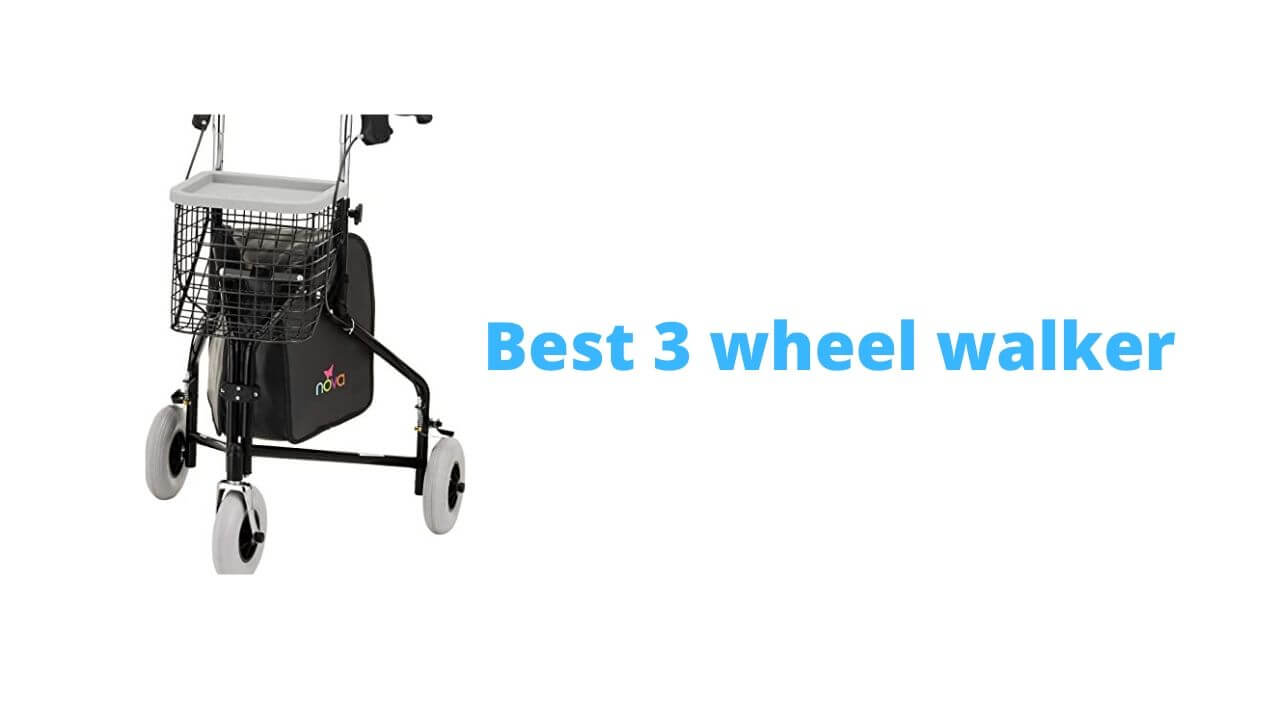
Three-wheel walkers occupy a practical middle ground between a standard cane and a bulkier 4-wheel rollator. They're narrow enough to clear standard doorways, compact enough for tight hallways and bathroom corners, and still provide real support on flat terrain. If lower back pain is already part of your daily reality, having the right walker reduces the strain each step puts on your spine and hips — and that adds up quickly over the course of a day.
This guide covers the key differences between models, what to look for at different price points, and the mistakes most first-time buyers make. Whether you're shopping for yourself or a family member, you'll find everything you need here to make a confident decision.
Contents
Not all walkers are built for the same purpose. A standard four-legged walker without wheels requires you to lift the frame with every step. A 4-wheel rollator rolls smoothly but is often too wide for tight spaces. A 3-wheel rollator lands in between — it rolls freely, pivots easily, and weighs significantly less than most alternatives. That combination matters when you're navigating a small kitchen or a crowded store aisle.
The biggest draw is maneuverability. Three-wheel walkers pivot around corners far more naturally than 4-wheel models, which is why occupational therapists often recommend them for primarily indoor use. Most weigh between 10 and 14 pounds, making them easier to load into a car or carry up a few steps. The compact fold is another advantage — most models collapse flat and fit neatly in a closet or car trunk without taking up much space.
There's also a posture benefit that gets overlooked. Because these walkers don't have a built-in seat, they're narrower front-to-back. That lets you stand closer to the frame and maintain a more upright position while walking — which, over time, is easier on your neck and shoulders than a forward-leaning gait.
The trade-off is outdoor performance. On uneven sidewalks, gravel, or grass, a single front wheel creates less stability than two front wheels. You also lose the rest seat that many 4-wheel rollators include — if you tire easily on longer walks, that's a meaningful loss. And on steeper slopes, braking control on most 3-wheel models is more limited. Knowing your primary environment before buying matters more than most shoppers realize.
Pro tip: If you mostly walk indoors but occasionally want to go around the block, look for a 3-wheel walker with rear wheels 6 inches or larger — they handle mild outdoor terrain noticeably better than smaller wheels.
Choosing between models comes down to your current mobility level, where you'll use it most, and what physical limitations you're managing. The best 3 wheel walkers for seniors aren't always the most expensive — they're the ones that fit your daily routine without getting in the way.
If you've never used a rollator, prioritize simplicity. A basic aluminum-frame model with loop brakes, a small basket, and adjustable handle height covers the core needs without overwhelming you with features. Look for something under 13 pounds that folds with a single motion. You can always upgrade as you get a better sense of what works for you day to day.
Footwear matters more than most people expect when using a walker. Pairing the right shoes can meaningfully reduce your fall risk — our guide on how to tell if shoes are non-slip is a quick read worth your time. If foot pain is already in the mix, it's also worth learning about heel spurs and whether plantar fasciitis walking boots might help you address that pain before it compounds your mobility challenges.
If you're fairly mobile but want a walker for added confidence on longer outings, you can focus on higher-quality frame materials, better brake systems, and more ergonomic handles. Some models come with padded grips that reduce wrist strain — relevant if you manage joint issues. If wrist or elbow discomfort is part of the picture, pairing the right walker grip with one of the 10 best tennis elbow braces can address both problems at once. A taller, more durable frame is worth the extra cost if you're putting real daily mileage on your walker.
The market is crowded, but a few models consistently rise to the top based on build quality, user feedback, and overall value. Here are three options across different price points.

Drive Medical has been a trusted name in mobility aids for years. Their entry-level 3-wheel rollator comes with a front shopping basket, loop brakes that work well even with limited hand strength, and a frame that adjusts to fit most heights. It's straightforward, functional, and doesn't feel cheap despite its accessible price point. A solid first walker for anyone new to rollators.

The Winnie Lite Supreme is one of the most popular 3-wheel walkers available — and for good reason. At under 10 pounds, it's among the lightest options on the market. It folds compactly, comes with a large front basket, and has a handle height range that accommodates both shorter and taller users better than most competitors. The champagne finish gives it a clean, modern look that resonates with users who'd rather not push something that looks clinical.

Carex's foldable rollator is a dependable mid-range pick. It weighs slightly more than the Winnie Lite Supreme but offers a sturdier frame that holds up better under heavier daily use. The fold mechanism is intuitive, the basket is roomy enough for grocery runs, and the brakes feel firm and responsive from day one. If long-term durability is your priority, the extra few dollars here are well spent.
Price isn't always a reliable indicator of quality, but it does signal something about materials, weight, and longevity. Here's how the price tiers typically break down for 3-wheel walkers.
| Price Range | What You Typically Get | Best For | Typical Frame Weight |
|---|---|---|---|
| Under $50 | Basic aluminum frame, loop brakes, small basket | Occasional or short-term use | 12–15 lbs |
| $50–$100 | Lighter frame, wider height adjustment, improved brakes | Daily indoor use | 10–13 lbs |
| $100–$150 | Premium materials, ergonomic grips, larger wheels | Active seniors, mixed indoor/outdoor use | 9–12 lbs |
| $150+ | Specialty designs, carbon fiber or titanium options | Long-term daily use, specific medical needs | Under 9 lbs |
At the entry level, you get a functional walker that checks the core boxes — adjustable height, loop brakes, a storage basket. These models work well for light, intermittent use. Moving into the $75–$150 range, you see meaningful improvements: better brake feel, more comfortable grip materials, wider wheels for light outdoor terrain, and frames that hold up better over years of daily use. You can browse additional options in our medical instruments and mobility aids section to compare categories side by side.
Beyond the sticker price, plan for accessories. Replacement baskets, brake cables, or grip sets can add $15–$30 over the life of a walker. If you're ordering online, shipping costs on heavier models can be significant. And don't underestimate the role of footwear — pairing your walker with supportive shoes makes a real difference in both safety and comfort. Our roundup of the best shoes for back pain covers options that work well alongside mobility aids.
Most disappointments with 3-wheel walkers trace back to a handful of preventable errors. Knowing what to watch for puts you ahead of most buyers before you've even added anything to your cart.
This is the most common mistake. Handles set too low force you to hunch, straining your back and shoulders over time. Set too high, you lose control and can't properly engage the brakes. The right approach: stand upright, let your arms hang naturally, and adjust the handles to wrist crease height. According to the CDC's fall prevention guidelines, improperly fitted mobility equipment is one of the leading contributors to falls among older adults — a quick height check is worth the minute it takes.
Most standard 3-wheel walkers support 250 to 300 pounds. If you're near or above that range, a bariatric model is worth the investment — frame geometry on standard models can shift and flex at their weight limits, creating an unstable feel. Also pay attention to material: steel is heavier but more affordable; aluminum balances weight and cost well for most users; carbon fiber is the lightest option but commands a premium price.
A well-chosen 3-wheel walker can serve you reliably for years. A few consistent habits keep it performing safely without requiring much effort on your part.
Check the brake cables monthly for fraying or slack — worn cables reduce stopping power before you notice it. Wipe down the frame with a damp cloth periodically to prevent corrosion, especially after outdoor use. Inspect the wheel screws every few months and tighten anything that's come loose. Replace the rubber tips on the rear legs before they wear through completely — smooth rubber provides much less grip than fresh tips and meaningfully increases your slip risk on hard floors.
Your needs will change over time, and your mobility aid should change with them. If you find yourself relying on the walker more heavily, needing frequent rest breaks, or spending more time outdoors on uneven terrain, a 4-wheel rollator with a built-in seat may serve you better. Conversely, if your condition improves, you might transition to a cane. Reassess your mobility aid every six to twelve months with your healthcare provider rather than waiting for a fall or a breakdown to force the conversation.
A 3-wheel rollator is lighter and easier to maneuver in tight spaces, making it better suited for indoor use. A 4-wheel rollator offers more stability on uneven terrain and typically includes a built-in seat — a better option if you need frequent rest breaks or spend time outdoors on varied surfaces.
For mild balance challenges, a 3-wheel walker provides solid support. For more significant balance impairment, a 4-wheel rollator or a traditional walker may offer better stability. A physical therapist can assess your specific needs and recommend the right type before you commit to a purchase.
Stand upright with your arms hanging naturally at your sides. Adjust the handles so they sit at wrist crease height. This keeps your posture straight and gives you proper leverage on the brakes without putting unnecessary strain on your shoulders, back, or wrists.
Yes, though with limitations. Smooth pavement and flat paths are no problem for most models. Gravel, grass, and steep inclines are more challenging with a single front wheel. If you plan to use yours outdoors regularly, look for models with rear wheels of 6 inches or larger — they handle mild outdoor terrain significantly better than smaller wheels.
Most standard models support 250 to 300 pounds. If you're near or above that range, look specifically for a bariatric 3-wheel walker with a reinforced frame — standard frames can flex and shift at their weight limits, which creates an unsafe walking condition over time.
Medicare Part B may cover rollator walkers as durable medical equipment if your doctor determines one is medically necessary. You'll need a written prescription and must purchase from a Medicare-approved supplier. Coverage typically pays 80% of the approved amount after your annual deductible is met.
Finding the best 3 wheel walker for seniors comes down to matching the right features to your environment, physical needs, and budget — not simply buying the most popular model. Start by measuring your correct handle height, confirm the weight capacity fits your needs, and test a model in person if possible before purchasing. If you're ready to explore your options further, visit our medical instruments and mobility aids section for more guidance — the right walker can genuinely change how much you move and how confident you feel doing it every single day.


About Mehnaz
Mehnaz is the founder and editor of RipPain, a health resource site dedicated to helping readers navigate pain management, recovery, and medical device research. Her work on the site is driven by personal experience caring for seriously ill family members, which led her to study evidence-based guidance from physicians, pain specialists, and published medical research. She curates and summarizes expert medical insights to make credible health information accessible to everyday readers.
You can get FREE Gifts. Or latest Free phones here.
Disable Ad block to reveal all the info. Once done, hit a button below
 Mehnaz