
Nearly 20 million Americans live with peripheral artery disease, and tens of millions more deal with the chronic leg and foot swelling that comes from sedentary daily routines — yet the non-pharmacological options available today remain underused by most people who would benefit most. Our revitive advanced circulation booster review addresses that gap directly. The Revitive Advanced is an FDA-cleared medical device that uses Electrical Muscle Stimulation (EMS) to contract calf and foot muscles, replicating the circulatory benefits of walking for people who can't — or simply don't — move enough during the day. For anyone navigating the broader landscape of foot care solutions, understanding exactly what this device does and doesn't accomplish is essential before committing to a purchase.
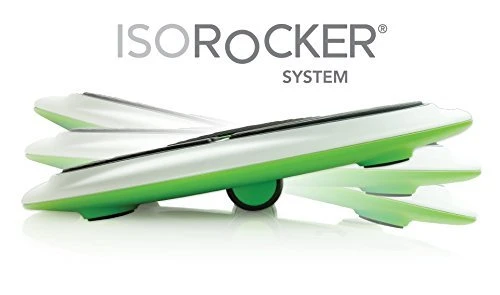
The Revitive Advanced sits on the floor with foot electrode pads that deliver timed electrical pulses while the IsoRocker platform introduces a subtle rocking motion. This dual action — EMS plus mechanical movement — engages the soleus and gastrocnemius muscles more completely than a passive massage device. The result is a calf pump mechanism that pushes deoxygenated blood back toward the heart, reducing pooling and the swelling that accumulates after hours of sitting. Our team examined the clinical rationale behind this approach, and it aligns with established vascular physiology documented by institutions like the NHS regarding the role of lower-limb muscle activation in venous return.
Before exploring how the device performs across different use cases, it's worth understanding what to do about poor circulation more broadly — because the Revitive Advanced is one tool in a larger toolkit, not a standalone cure. Our evaluation covers the full picture: who benefits most, what to expect in early sessions, how to optimize the protocol, and when the device simply isn't the right fit.
Contents
The Revitive Advanced earns its FDA clearance. The EMS technology is clinically supported for reducing lower-limb edema and improving venous return, and the 99 intensity settings give users fine-grained control that cheaper devices simply don't offer. The IsoRocker foot platform is a genuine differentiator — most competitors use flat electrode pads, which engage muscles less efficiently. Our team found the wireless remote particularly practical for older users who struggle with bending, and the 30-minute auto-off function prevents overuse errors that are common with manually controlled devices. The build quality is noticeably above the consumer-grade EMS market, and the clinical documentation that comes with the unit is unusually thorough for a home device.
The price point — typically in the $300–$400 range — is significant, and the device offers no real-time feedback on session effectiveness. The electrode pads can feel uncomfortable at higher intensities on very dry or heavily callused feet. The device also doesn't address arterial insufficiency, only venous return — a distinction that matters clinically. Anyone with a pacemaker, implanted defibrillator, or active deep vein thrombosis should not use this device under any circumstances.
| Feature | Revitive Advanced | Typical Competitor |
|---|---|---|
| Intensity levels | 99 | 10–30 |
| IsoRocker platform | Yes | No |
| Wireless remote | Yes | Rarely included |
| FDA clearance | Yes | Varies widely |
| Auto-off timer | 30 minutes | 15–20 minutes |
| Electrode pad replacement | Required, sold separately | Varies |

Our experience points to four groups who see the most consistent results: people with diabetes-related peripheral neuropathy, sedentary office workers with chronic ankle swelling, post-surgical patients recovering leg strength under medical supervision, and older adults who have difficulty walking sufficient daily distances. In these populations, the calf pump function is genuinely compromised, and EMS-based activation fills a real physiological gap. The clinical literature on EMS for venous insufficiency is particularly strong, with multiple trials showing measurable reductions in ankle circumference after consistent use over four to six weeks.
Highly active individuals with no underlying circulation disorder will notice little benefit — their calf pump function is already efficient from regular movement. Similarly, people whose swelling originates from cardiac or renal causes won't see meaningful improvement, because the root problem isn't lower-limb muscle pump failure. Our team recommends that anyone with unexplained leg swelling consult a physician before relying on a device like this. Improving circulation in the feet and ankles through device therapy works best when the underlying mechanism is venous, not systemic.
The first session with the Revitive Advanced is often surprising. The EMS pulses feel distinctly different from the gentle vibration of a typical foot massager — most people describe the sensation as a controlled, involuntary muscle twitch. At lower intensities (settings 1–20), the feeling is mild tingling. By setting 40–60, the calf visibly contracts. Our team advises starting at the lowest comfortable intensity and increasing by 5–10 points per session, allowing the neuromuscular system time to adapt without discomfort or cramping.
Most people with moderate venous insufficiency report reduced ankle swelling within 7–14 sessions of consistent daily use. Skin temperature in the lower legs often improves noticeably — a reliable sign of better superficial blood flow. Fatigue reduction in the calves is frequently the first change most people consciously register, often within the first three to five sessions. The progression is gradual and cumulative; single sessions produce limited standalone benefit, and skipping days early in the protocol slows adaptation measurably.

First-time users consistently underestimate how much intensity calibration matters. Starting too high causes muscle cramping; starting too low yields no measurable circulatory benefit. The sweet spot for most new users sits between intensity 30 and 50 — enough to produce visible calf contraction without discomfort. Our team recommends a 20-minute session once daily for the first two weeks, keeping sessions consistent in timing. Evening sessions tend to work particularly well for people who experience overnight swelling, since the EMS clears accumulated pooling before sleep.
After six to eight weeks, the muscles adapt and higher intensities become both more comfortable and necessary to produce the same recruitment effect. Long-term users typically settle into a maintenance rhythm of four to five sessions per week rather than daily, as baseline circulatory improvement becomes self-sustaining with less frequent reinforcement. Pairing the Revitive Advanced with complementary strategies consistently produces better long-term outcomes than device use alone. For context on supplementary foot care, our team's guide on the best foot baths with heat covers warm-water immersion as a viable complement to EMS therapy — the two approaches address different aspects of lower-limb recovery.
Clean, dry feet are essential — moisture and residue on the skin interfere with electrode contact and reduce stimulation consistency. Our team recommends wiping the foot pads with a dry cloth before each session. Sitting in a supportive chair with the back straight ensures the legs are relaxed and the calves hang freely enough to contract fully during EMS activation. Avoiding use immediately after a large meal is sensible — a 30-minute gap is sufficient.
Begin at intensity level 1 and increase gradually until calf contractions are clearly visible and comfortable. For most people, the effective therapeutic zone falls between intensity 40 and 70. Allow the 30-minute session to run to completion. The IsoRocker will engage naturally as the EMS pulses fire — there's no need to consciously rock the platform. Keep feet flat and fully planted on the electrode surface throughout. Shifting weight or lifting the heel reduces stimulation consistency and undermines the session.
Light walking for five to ten minutes after a session helps redistribute the blood that EMS has mobilized. Elevating the legs for fifteen minutes following the session amplifies the venous drainage effect, particularly for anyone dealing with significant chronic swelling. Consistency matters far more than session intensity — a moderate session every day outperforms an aggressive session twice a week by a measurable margin in clinical observations.
The Revitive Advanced delivers its strongest results in the evening, after a day of prolonged sitting or standing when venous pooling has had hours to accumulate. Long-haul travelers, remote workers, and people whose jobs keep them desk-bound for six or more hours daily represent the core use case our team sees most consistently validated by user outcomes. Post-surgery rehabilitation — with physician approval — is another strong indication, particularly for patients recovering from knee or hip procedures where early weight-bearing is limited and calf pump function is severely reduced.
The device should never be used over areas of broken skin, acute inflammation, or recent surgical wounds. People with active deep vein thrombosis face a contraindicated risk of clot dislodgement — this is not a minor caution. Pregnancy is an absolute contraindication listed in the device's clinical guidelines. Electronic implants — pacemakers, cochlear implants, insulin pumps — also make EMS-based devices inappropriate without explicit specialist clearance. Anyone uncertain about whether EMS therapy is safe for their specific condition should treat physician sign-off as non-negotiable, not optional.
The foot electrode pads are the component most people neglect, and degraded pads are the most common reason users report diminished results over time. Revitive recommends replacing them every six to twelve months with regular daily use, or sooner if stimulation feels uneven or intensity output appears diminished relative to earlier sessions. Wiping the pad surface with a slightly damp cloth — never submerged — after each session extends pad life measurably. Storing the device in its original packaging or a dust-free space prevents surface oxidation that gradually degrades conductivity.
The power cable connection point is the most common mechanical failure point on EMS devices of this type. Our team recommends unplugging from the wall after every session rather than leaving the unit in standby — this preserves the internal capacitors and avoids unnecessary heat buildup in the power circuitry. The main unit housing can be wiped with a lightly damp cloth; no solvents or alcohol-based cleaners should contact the electrode surface. A well-maintained unit running daily use can last four to six years before performance degradation becomes noticeable enough to warrant replacement consideration.
Most people with venous insufficiency or chronic ankle swelling notice measurable changes within 7–14 days of consistent daily use. Full therapeutic benefit typically emerges after four to six weeks of regular sessions, with long-term maintenance users reporting sustained improvement that persists even when session frequency is reduced.
For most people with diabetes-related peripheral neuropathy, the Revitive Advanced is considered safe and has shown benefit in clinical evaluations. Our team strongly recommends physician consultation before starting, particularly for anyone with open sores, active ulcers, or severe neuropathic changes in the lower extremities.
Most people with arthritis in the feet or ankles tolerate the Revitive Advanced well, since the device doesn't require active joint movement — the EMS does the work passively. Intensity should be increased very gradually to avoid triggering muscle spasms near inflamed joints, and sessions should be shortened initially to monitor tolerance.
Starting at intensity level 1 and increasing by 5–10 points per session until visible calf contractions occur comfortably is the approach our team consistently recommends. Most people find their effective therapeutic range sits between levels 30 and 60, though this varies significantly based on baseline muscle mass and sensitivity.
The Revitive Advanced outperforms cheaper alternatives primarily through its 99-intensity settings, IsoRocker platform, and FDA clearance. Budget devices typically offer 10–20 intensity steps and flat electrode pads, which produce substantially less complete calf muscle recruitment and fewer measurable circulatory outcomes in practice.
Revitive recommends replacing the foot electrode pads every six to twelve months under daily use. Signs of degradation include uneven stimulation sensation across the foot surface or the need to increase intensity significantly beyond the user's normal range to achieve the same visible muscle contraction.
No. Pregnancy is listed as an absolute contraindication in the device's clinical guidelines. EMS devices should not be used during pregnancy without explicit medical clearance, which clinical guidelines rarely support given the absence of safety data in this population.
The device is not specifically designed for plantar fasciitis, but improved lower-limb circulation can support tissue healing in the foot. For targeted plantar fasciitis management, our team recommends combining any circulation device use with dedicated footwear and stretching protocols — the Revitive Advanced works best as a complement, not a primary treatment for heel pain.
Circulation is not a problem solved once — it is a function maintained daily, and the Revitive Advanced makes that maintenance genuinely achievable for people who need it most.


About Mehnaz
Mehnaz is the founder and editor of RipPain, a health resource site dedicated to helping readers navigate pain management, recovery, and medical device research. Her work on the site is driven by personal experience caring for seriously ill family members, which led her to study evidence-based guidance from physicians, pain specialists, and published medical research. She curates and summarizes expert medical insights to make credible health information accessible to everyday readers.
You can get FREE Gifts. Or latest Free phones here.
Disable Ad block to reveal all the info. Once done, hit a button below
 Mehnaz