
The SB SOX Compression Socks earn the top spot in 2026 for their clinically effective 20-30 mmHg graduated compression, wide-calf fit, and all-day breathability that outperforms the competition on nearly every metric. Whether you spend long hours on your feet as a nurse, log frequent miles as a runner, or board international flights that leave your ankles swollen and stiff, the right pair of compression socks can make an immediate, measurable difference in how your legs feel by day's end.
Compression therapy works by applying calibrated external pressure to the lower leg, which encourages venous blood to move upward toward the heart rather than pooling in the feet and ankles. According to established medical literature, graduated compression — tightest at the ankle and progressively looser toward the knee — reduces the risk of deep vein thrombosis, alleviates chronic venous insufficiency, and speeds post-exercise muscle recovery. Understanding how different mmHg ratings, fabric compositions, and fit systems affect real-world performance is the foundation of choosing the right pair for your specific situation.
In 2026, the market for compression socks spans a wide spectrum, from budget-friendly three-packs designed for everyday wear to premium merino-blend styles engineered for long-haul travel and performance sport. Managing circulation in your feet and ankles is a year-round concern, and the seven options reviewed below represent the strongest available choices across compression levels, use cases, and construction quality. Each product has been evaluated on compression accuracy, fabric durability, sizing reliability, and the specific scenarios where it delivers the most value.
Contents



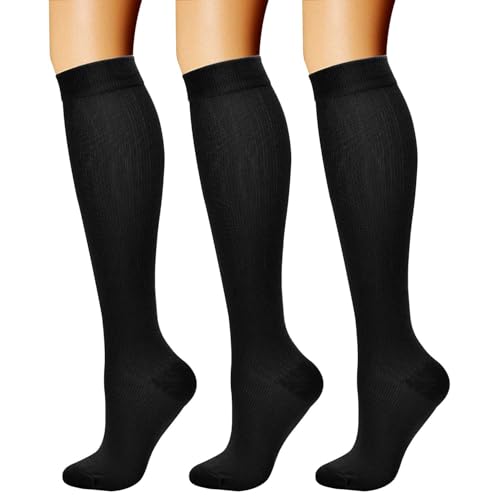


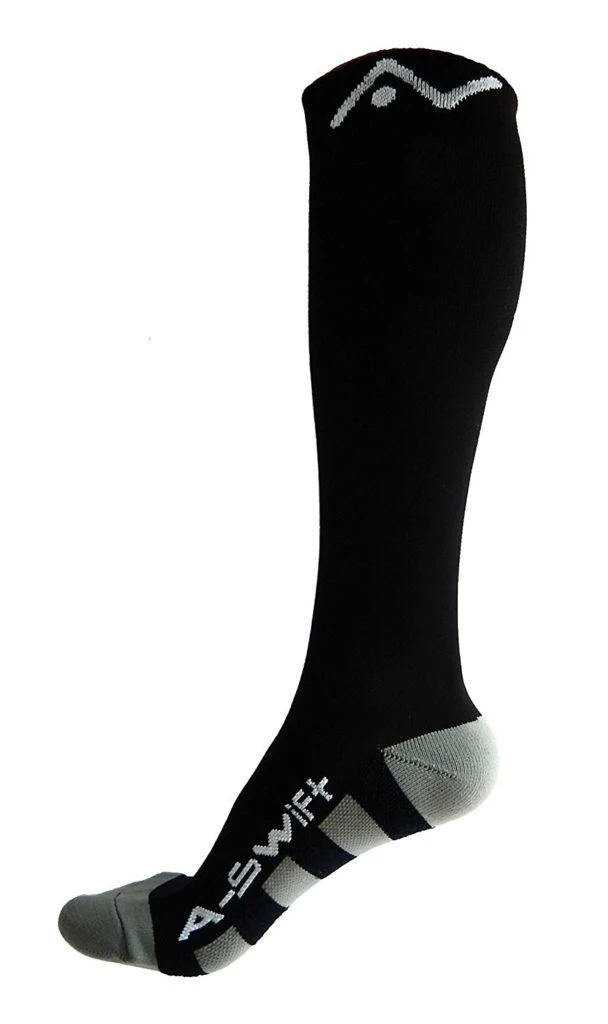
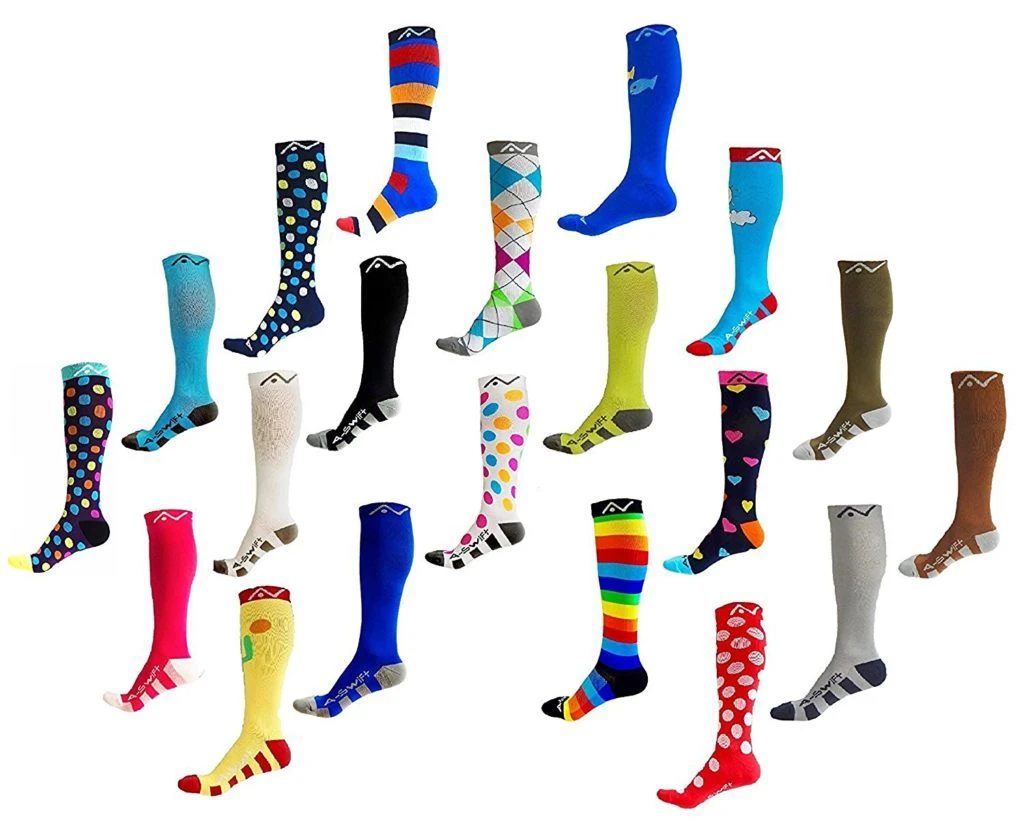
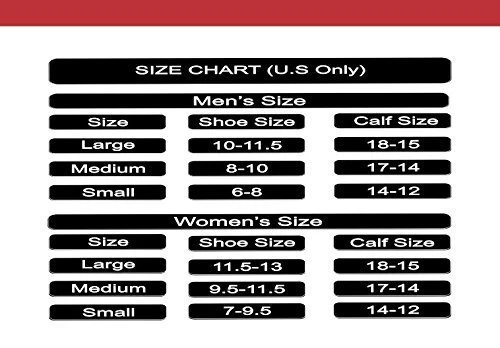
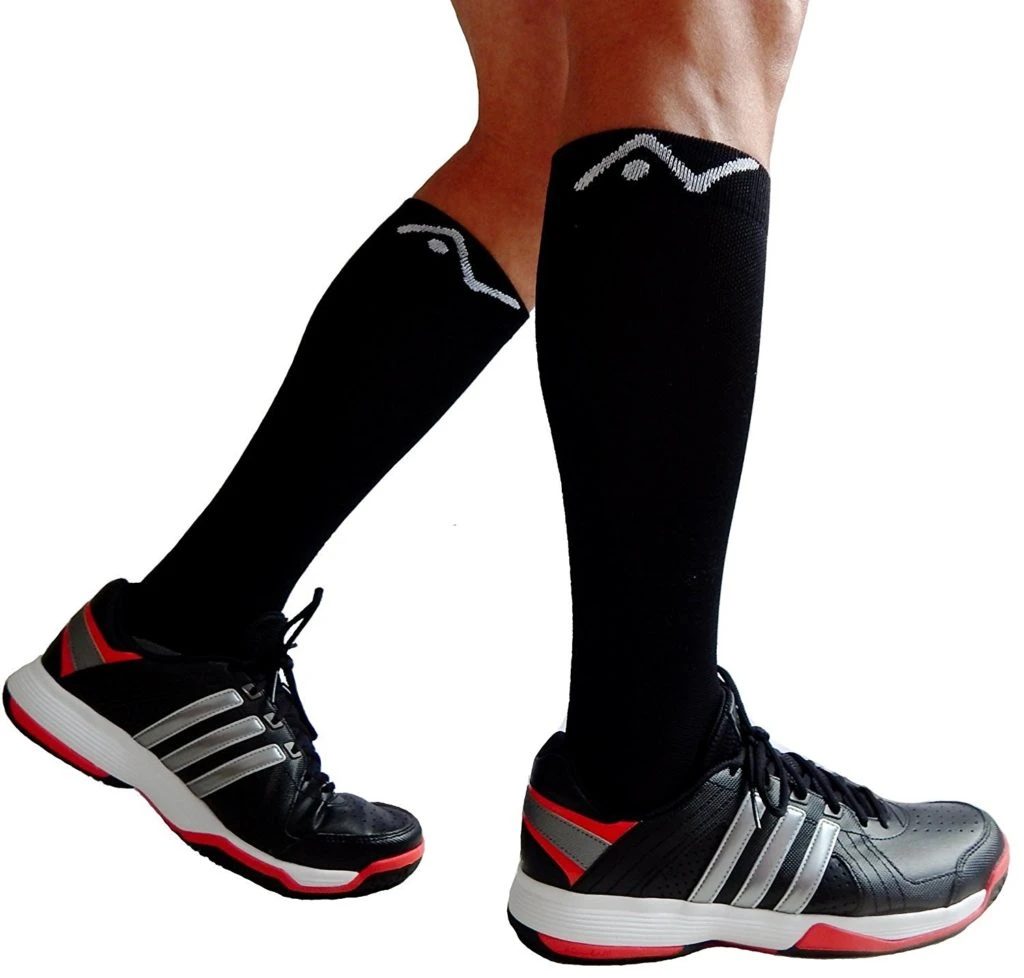
The SB SOX compression socks deliver 20-30 mmHg of true graduated compression, which places them in the medical-grade firm category recommended by physicians for varicose veins, post-surgical recovery, and extended standing or sitting. The sizing system is one of the most transparent in this category, with calf circumference measurements guiding fit rather than relying solely on shoe size, a critical distinction that prevents the common mistake of buying by foot length alone. For a large, the target range is a 15.5–18.5 inch calf with men's shoe sizes 10–13, and if your measurements sit at the upper edge of a given size, SB SOX explicitly instructs you to upsize — guidance that most brands bury or omit entirely.
The fabric construction prioritizes breathability through a lightweight knit that manages moisture effectively during extended wear, and the reinforced cushioning at the heel and toe adds meaningful comfort without creating bulk inside athletic or dress shoes. Users consistently report that these socks maintain their compression integrity through dozens of wash cycles, a durability indicator that sets them apart from cheaper alternatives whose elasticity degrades within a few weeks. The wide-calf accommodation across all size tiers means that wearers with fuller legs are not forced into an extended or specialty SKU that carries a price premium.

Pros:
Cons:
CHARMKING approaches compression sock design from the angle of high-volume, everyday use, and the 3-pair value pack at 15-20 mmHg reflects that practical orientation. The fabric was reformulated to increase nylon content from 40 percent to 85 percent, a significant materials upgrade that improves durability, shape retention, and the 360-degree stretch that allows these socks to accommodate a broader range of leg shapes without sacrificing compression consistency. The 15-20 mmHg rating sits squarely in the moderate compression range, making these socks accessible to new compression users while still delivering clinically relevant circulatory benefits for standing professionals and frequent travelers.
The breathable high-performance knit actively manages temperature during extended wear, a feature that becomes particularly important for nurses, teachers, and retail workers who are on their feet for eight-hour or longer shifts. CHARMKING positions these socks as universally suitable across a wide range of wearers, including athletes, pregnant women, office workers, and elderly users, and the moderate compression level supports that claim without the donning difficulty that 20-30 mmHg socks can present. The form-fitting construction maintains lateral stability during athletic activity without restricting range of motion, which makes these a practical choice for both gym sessions and travel days.
Pros:
Cons:
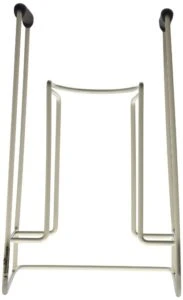
Copper Fit introduces a structural innovation with its easy-on, easy-off design, which the brand claims is the first graduated compression sock engineered specifically to address the donning difficulty that discourages many users, particularly older adults and those with limited hand strength or flexibility, from wearing compression socks consistently. The 10-20 mmHg graduated range is classified as a Class 1 Medical Device, providing a clinically validated level of circulatory support that increases blood flow toward the heart, reduces ankle and foot swelling, and relieves the leg fatigue that accumulates during long travel or extended sedentary periods. This certification distinguishes it from unregulated fashion compression products that make similar claims without documented performance data.
The arch and Achilles support system sets Copper Fit apart from competitors in the 10-20 mmHg tier, with a targeted compression band that delivers localized lift and stabilization at two zones where plantar fasciitis, Achilles tendinopathy, and general arch fatigue tend to concentrate. For users who also deal with plantar fasciitis and heel pain, this dual-zone approach addresses both circulatory and structural support needs within a single garment. The three-pack configuration provides practical rotation for daily wear without the accumulation of per-unit cost that premium single-pair compression socks often carry.
Pros:
Cons:
Sockwell's Elevation sock targets the women's performance and wellness market with a firm graduated compression profile that delivers meaningful circulatory support during high-output activities and extended work shifts. The charcoal solid colorway reflects Sockwell's design philosophy of creating compression socks that function as a professional wardrobe accessory rather than a purely clinical garment, a positioning that has made the brand particularly popular among nurses and healthcare professionals who want compression therapy without sacrificing appearance standards. The construction quality is consistent with Sockwell's broader reputation for premium materials and precise knit engineering.
The elevation sock's firm compression rating provides a higher therapeutic threshold than the 15-20 mmHg options in this roundup, making it appropriate for users managing moderate to significant leg fatigue, edema, or post-exercise recovery needs. For women specifically navigating foot care and leg health through demanding professional or athletic schedules, the Elevation offers a combination of compression performance and aesthetic refinement that most competitors in this category do not match. The M/L sizing covers a broad middle range of foot and calf dimensions, though users at the extremes of either size category benefit from measuring their calf circumference before ordering.
Pros:
Cons:
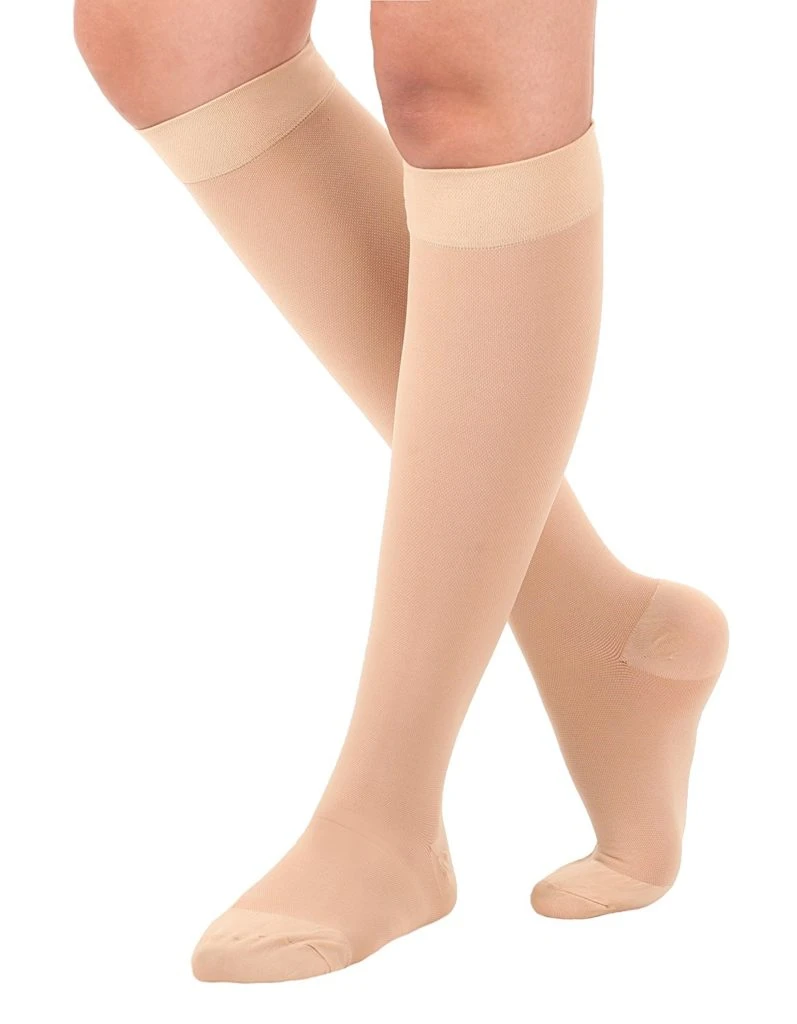
2XU's Flight Compression Socks carry the distinction of being engineered around graduated compression technology that has been clinically proven to improve athletic performance and accelerate recovery, a claim backed by the brand's extensive history supplying compression garments to professional sports programs worldwide. For air travel specifically, the Flight's graduated compression profile optimizes venous blood return toward the heart, directly counteracting the pooling and swelling that pressurized aircraft cabins and sustained immobility cause in the lower legs. The reduction in long-haul fatigue and muscle stiffness that users report after extended flights reflects genuine hemodynamic benefits rather than placebo comfort.
The cotton blend footbed with padded zones addresses the comfort deficit that many high-performance compression socks sacrifice in pursuit of technical specifications, and the seamless linked toe cage eliminates the friction point that standard sock seams create during extended wear inside travel shoes or sneakers. For frequent flyers and athletes who use compression for both recovery and travel, the 2XU Flight represents a unified solution rather than requiring separate garments for different use cases. If you are managing circulation concerns that extend to your daily activity routine, the Revitive Advanced Circulation Booster pairs effectively with compression socks as part of a comprehensive lower-limb circulation strategy.
Pros:
Cons:
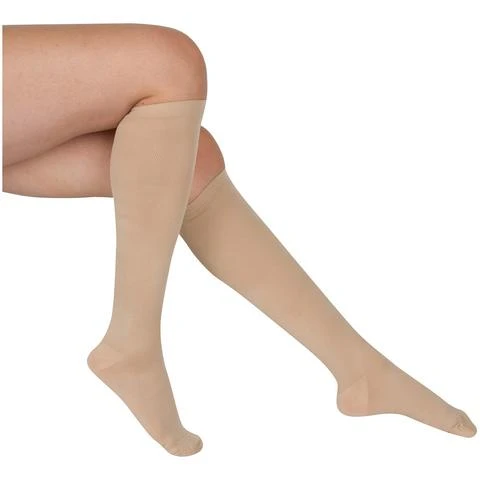
Comrad's Nylon Knee High Compression Sock delivers 20-30 mmHg of true graduated compression with a wide-calf construction that targets the significant portion of the population underserved by standard sizing, specifically individuals with calf circumferences between 17 and 19 inches. The 91 percent nylon and 9 percent spandex fabric blend reflects a deliberate materials choice that maximizes durability and compression accuracy while maintaining the elasticity needed to accommodate wider calves without the bunching or pressure inconsistency that standard-width compression socks produce when stretched beyond their design parameters. SmartSilver antimicrobial technology is integrated into the fabric, actively inhibiting odor-causing bacteria during all-day wear — a feature with practical significance for users wearing compression socks for eight or more consecutive hours.
The Rose/Navy Stripe colorway distinguishes Comrad from the uniformly black or beige aesthetic that dominates the medical compression category, signaling a brand positioning that takes wearability and daily integration seriously rather than treating compression as a purely clinical accessory. The true graduated compression construction — strongest at the ankle and tapering progressively toward the knee — follows the accepted therapeutic model and delivers measurable circulatory support that is particularly valuable for wearers managing edema, varicosities, or the circulation demands of pregnancy or post-surgical recovery. For users whose foot and ankle health connects to broader lower-limb circulation concerns, pairing compression therapy with a dedicated foot bath with heat can meaningfully accelerate daily recovery.
Pros:
Cons:
VIM & VIGR occupies a distinct position in the compression sock market by centering its construction on a premium cotton-forward fabric blend — 48 percent cotton, 42 percent nylon, and 10 percent spandex — that prioritizes natural fiber comfort without sacrificing the spandex percentage needed to maintain reliable graduated compression throughout the day. The 15-20 mmHg compression level targets all-day, everyday wear across sedentary and active scenarios, including extended travel, prolonged desk work, standing shifts, and light athletic use. The integrally-knit graduated compression applies therapeutic pressure that begins at the ankle and progressively eases above, following the biomechanical principle that external pressure must be highest at the narrowest point of the leg to drive effective venous return.
The practical benefits of cotton content become most apparent during extended wear, where synthetic-dominant compression socks can accumulate heat and moisture in ways that cause discomfort or skin irritation, particularly for users with sensitive skin or those in humid work environments. Cotton's natural temperature regulation and moisture management properties allow VIM & VIGR's socks to remain comfortable through full-day wear without the clammy sensation that all-synthetic compression fabrics sometimes produce by afternoon. For anyone integrating compression socks into a broader lower-limb wellness routine that also includes exercises and massage, reviewing resources on what to do about poor circulation provides practical context for how compression fits into a multi-modal approach.
Pros:
Cons:




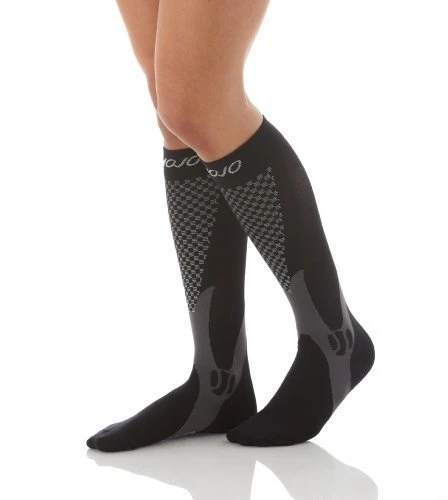
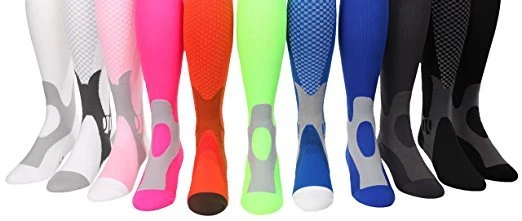
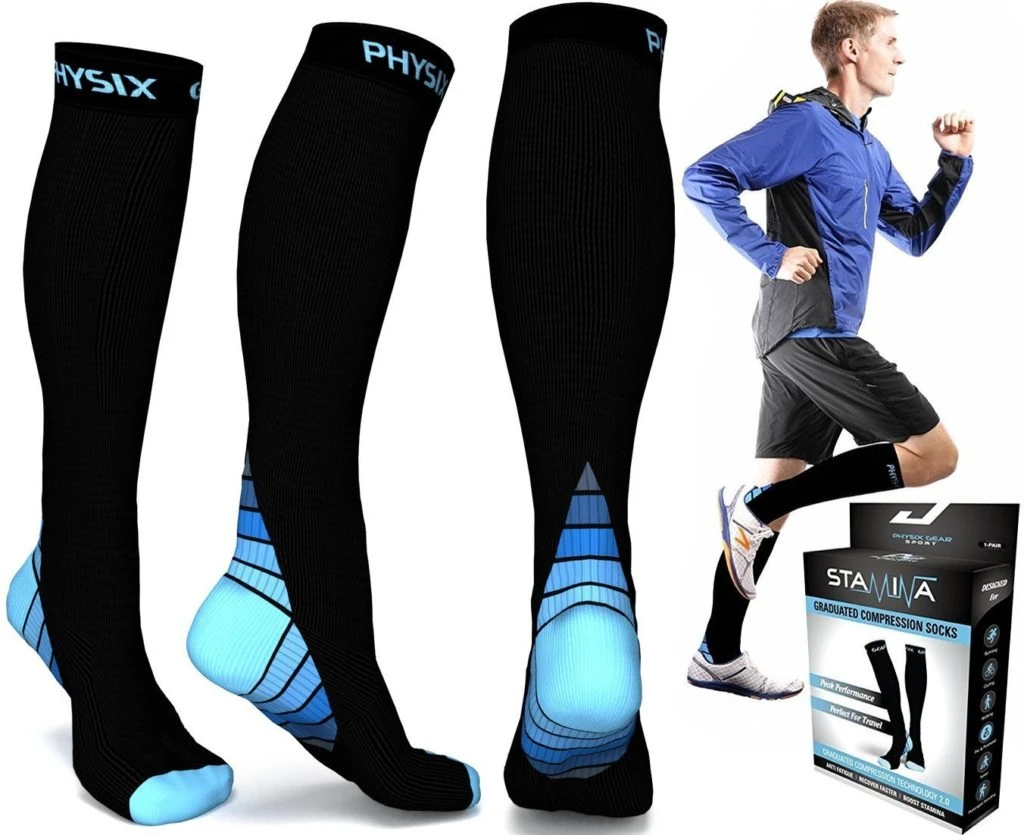

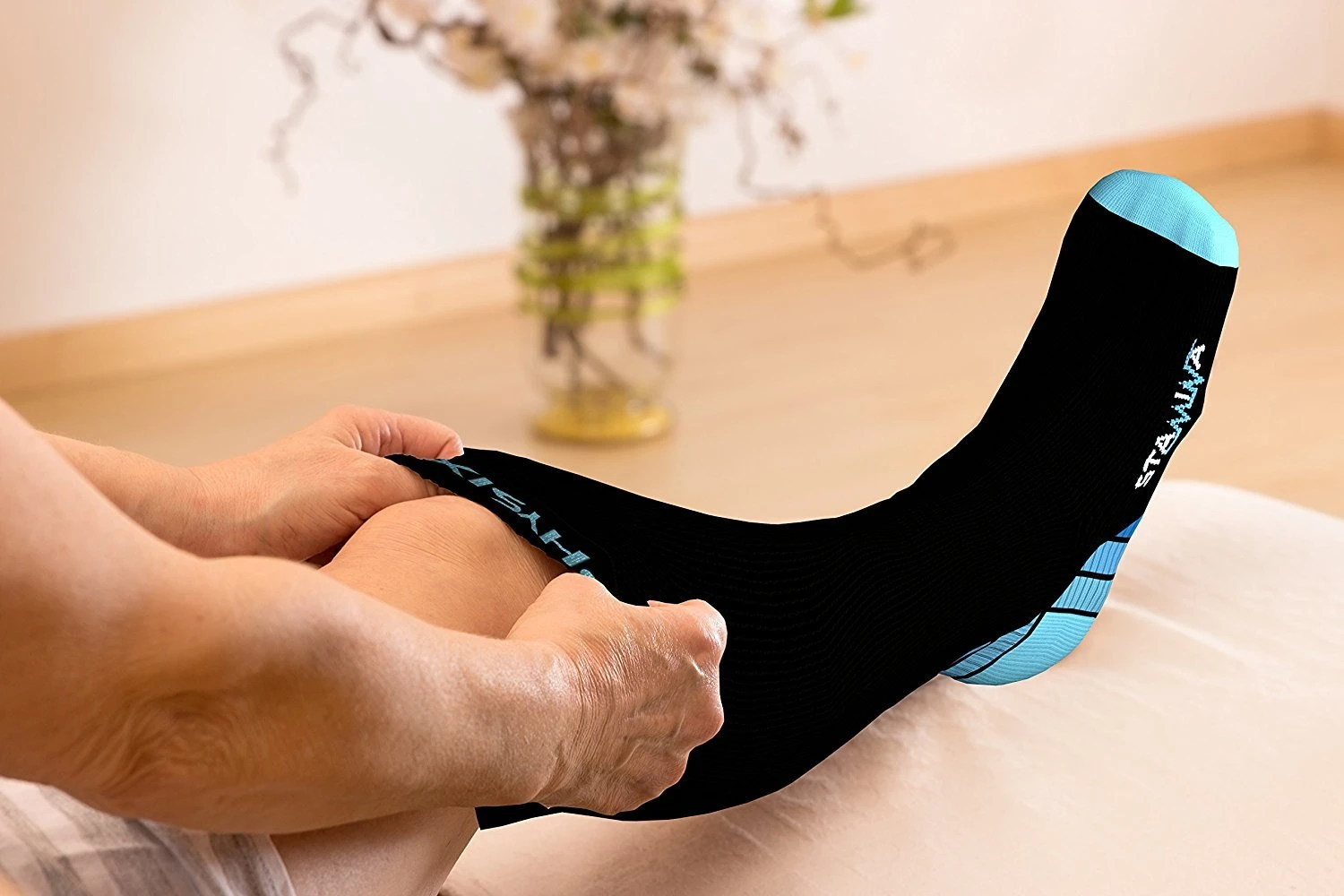



The mmHg rating — millimeters of mercury — is the single most important specification on any compression sock, and choosing the wrong level produces either insufficient therapeutic benefit or uncomfortable excessive tightness. The 10-20 mmHg range is appropriate for mild fatigue prevention, general travel, and light circulatory support during everyday activity, representing the entry point where noticeable benefit begins for most healthy adults. The 15-20 mmHg range expands that coverage to include athletic recovery, pregnancy-related edema prevention, and the demands of standing-intensive professions, while the 20-30 mmHg medical-grade range addresses diagnosed venous conditions, post-surgical recovery protocols, and the needs of users managing chronic leg swelling or varicose veins. Consulting a physician before self-prescribing 20-30 mmHg compression is advisable for anyone with arterial circulation concerns, as high graduated compression is contraindicated in certain cardiovascular conditions.
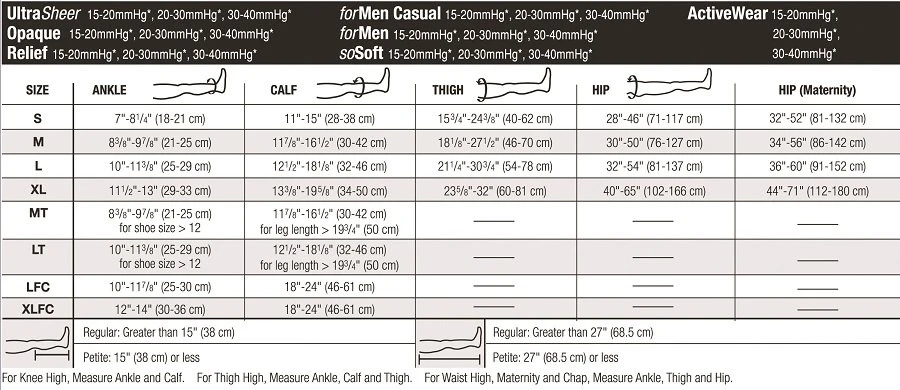
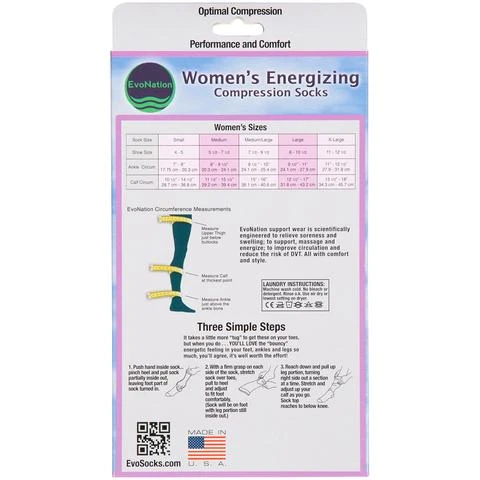
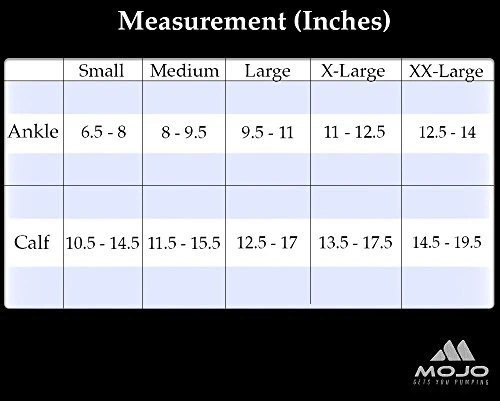
Compression sock sizing failures are overwhelmingly caused by relying exclusively on shoe size rather than measuring actual calf circumference, the dimension that determines whether graduated pressure is delivered accurately across the leg. You need a flexible measuring tape and should measure the widest point of your calf while standing, then cross-reference that measurement against the brand's specific sizing chart rather than assuming uniform sizing conventions across manufacturers. Different brands define the same size labels with meaningfully different calf circumference ranges, and a medium-sized sock from one brand covers a calf range that another brand designates as large. If your calf measurement falls at the upper boundary of a size, consistently upsize — a sock that is slightly large delivers reduced but still functional compression, while an undersized sock delivers uneven, potentially harmful pressure concentrations. Users with wider calves, specifically those exceeding 16 inches in circumference, benefit from explicitly labeled wide-calf options like the Comrad Nylon Knee High rather than attempting to stretch standard-width construction beyond its design limits.
The fabric blend determines how compression socks perform across extended wear, washing cycles, and varied activity levels, with each material type carrying distinct trade-offs that affect long-term satisfaction. High nylon percentages, as found in the CHARMKING upgrade to 85 percent nylon, maximize elasticity retention and moisture transfer speed, making fully or predominantly synthetic socks the preferred choice for athletic use and professions requiring rapid-onset drying between wearings. Cotton-inclusive blends like VIM & VIGR's 48 percent cotton construction trade some moisture-wicking speed for superior tactile comfort, natural temperature regulation, and reduced risk of skin irritation in users sensitive to synthetic fabrics. Spandex content between 8 and 15 percent is the standard range that maintains consistent graduated compression through a full day of wear while allowing the sock to recover its original shape after washing. Antimicrobial treatments like SmartSilver add practical value for all-day wearers by suppressing odor-causing bacteria without affecting compression performance or requiring special washing protocols.
Beyond compression level and fabric, the structural design decisions that brands make directly affect whether a compression sock gets worn consistently or abandoned in a drawer. Reinforced heel and toe cushioning, as found in the SB SOX design, protects the highest-friction zones during athletic and daily use while providing padding that prevents the soreness that thin-material socks produce during extended walking. Seamless toe construction, as implemented by 2XU's linked toe cage, eliminates the ridge pressure point that standard sock seams create inside shoes, a feature that becomes critical during multi-hour travel segments. Easy-on, easy-off engineering addresses the significant barrier that 20-30 mmHg compression socks present during donning — the Copper Fit approach reduces the effort required by users with limited hand strength or dexterity. For users managing foot conditions beyond circulation, browsing the full range of compression socks specifically designed for plantar fasciitis provides a targeted perspective on how structural design choices interact with specific foot pathologies.
Compression socks should feel noticeably snug from the moment you put them on, with the tightest sensation at the ankle that progressively eases as the sock rises toward the knee. This initial tightness is normal and expected — it represents the graduated compression doing its job. What you should not feel is sharp localized pressure, numbness, tingling, or skin discoloration, all of which indicate a sizing problem or a compression level that is too high for your circulatory health. The snugness should become less noticeable within 10 to 15 minutes as your body adjusts to the external pressure, and any discomfort that persists or worsens after that acclimation period warrants removing the socks and reassessing sizing or compression level.
For most healthy adults, sleeping in compression socks is unnecessary and provides no additional therapeutic benefit beyond what daytime wear delivers. Compression therapy works by counteracting the pooling effect of gravity on venous blood in the lower legs — an effect that is largely neutralized when you are horizontal during sleep. Some post-surgical patients and individuals with severe chronic venous insufficiency are advised by their physicians to wear compression continuously, including overnight, but this is a clinical decision made on an individual basis rather than a general recommendation. Wearing standard graduated compression socks while sleeping can also restrict nighttime circulation in users with arterial disease, which is why physician guidance is essential before adopting continuous wear protocols.
The appropriate daily wear duration depends on your reason for using compression socks and your baseline circulatory health. For general fatigue prevention and travel use, wearing compression socks throughout the duration of the triggering activity — the flight, the standing shift, the long run — followed by removal and elevation of the legs is the standard protocol. For users managing chronic venous insufficiency or prescribed post-surgical compression, physicians typically recommend donning the socks immediately upon waking, before standing, and wearing them throughout the day until bedtime. Athletes often use compression for the performance and recovery window of two to four hours post-exercise. There is no universal upper limit for healthy adults, but most users find eight to twelve hours of continuous daytime wear comfortable with the options reviewed in this guide.
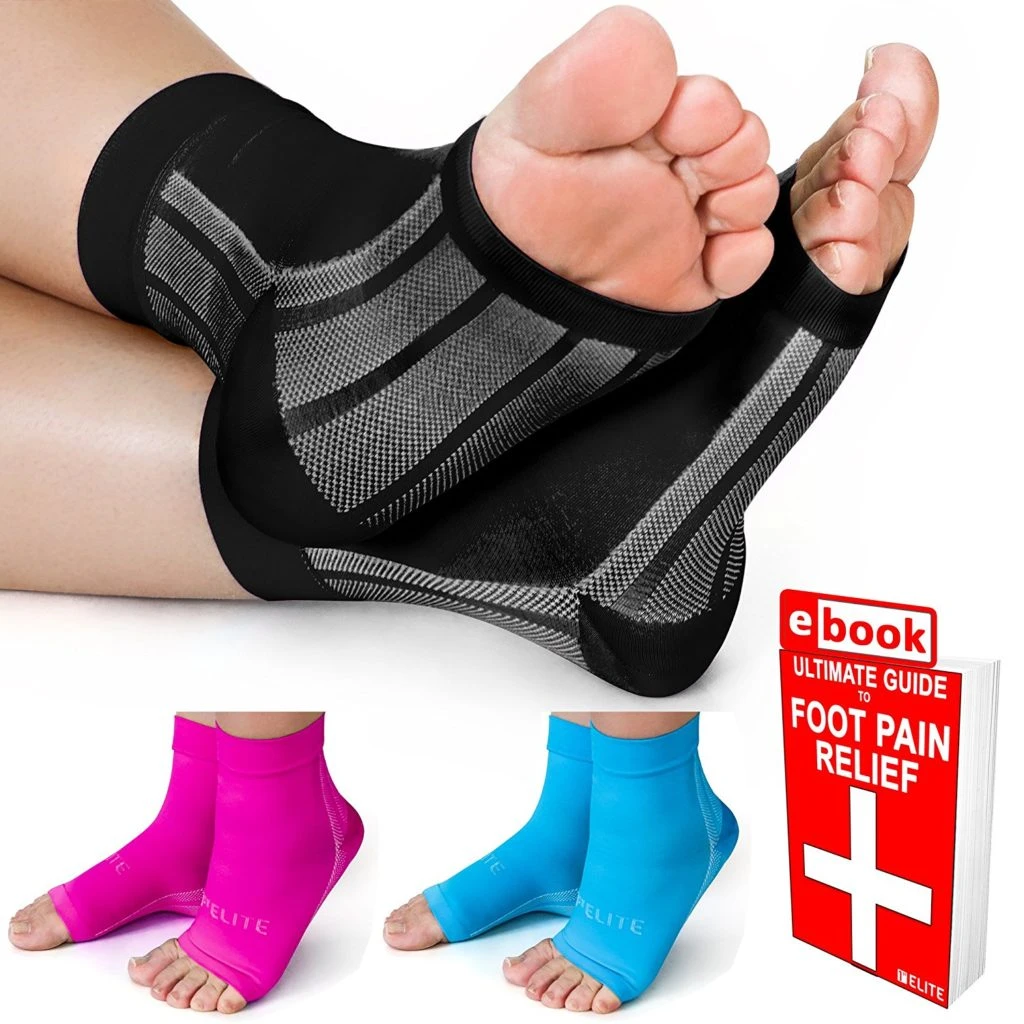
Compression socks provide indirect but meaningful support for plantar fasciitis by reducing the inflammatory edema that accumulates in the foot and lower leg during and after activity, and by maintaining consistent arch and ankle alignment during movement. Products with targeted arch compression bands, such as the Copper Fit Energy socks reviewed here, deliver a more direct mechanical benefit by lifting and supporting the arch — the same anatomical structure that plantar fasciitis inflammation attacks. The compression also improves blood flow to the plantar fascia tissue, which supports the healing process by delivering oxygenated blood to an area with naturally limited vascularization. Plantar fasciitis-specific compression socks are engineered with these considerations as primary design goals rather than secondary features, and reviewing dedicated options can help you identify the most targeted solution for your specific symptoms.
The numerical difference between these two ratings represents a meaningful gap in therapeutic intensity that is reflected in both the physical tightness you feel during wear and the clinical conditions each level is appropriate for treating. The 15-20 mmHg range delivers moderate compression suited for healthy adults managing fatigue, mild edema, athletic recovery, travel, and the circulatory demands of standing professions, while the 20-30 mmHg range targets diagnosed venous disease, significant varicosities, post-surgical recovery, and lymphedema management. Most users without a physician-diagnosed condition find 15-20 mmHg fully effective for their daily needs and more comfortable to wear consistently, while 20-30 mmHg requires the buyer to verify through calf measurement and sizing guidance that the higher pressure is delivered accurately and without causing harm. The higher rating is not inherently superior — the correct level is the one that matches your specific circulatory demands and health profile.
Compression socks retain their therapeutic pressure gradient longest when washed in cool or lukewarm water using a gentle cycle or hand washing method, then air dried flat rather than machine dried at high heat. The elastic fibers that create graduated compression — primarily spandex — degrade significantly faster when exposed to high-heat drying cycles, a factor that explains why compression socks from value-oriented brands often lose their therapeutic pressure within a few weeks of use while premium options maintain it for months. Turning socks inside out before washing reduces friction-based fabric wear, and avoiding fabric softeners preserves the hydrophilic properties of performance fabrics that manage moisture during wear. Most manufacturers recommend replacing compression socks every three to six months under daily use conditions, as elasticity degradation eventually reduces the delivered compression below the labeled mmHg range even in high-quality products.


About Mehnaz
Mehnaz is the founder and editor of RipPain, a health resource site dedicated to helping readers navigate pain management, recovery, and medical device research. Her work on the site is driven by personal experience caring for seriously ill family members, which led her to study evidence-based guidance from physicians, pain specialists, and published medical research. She curates and summarizes expert medical insights to make credible health information accessible to everyday readers.
You can get FREE Gifts. Or latest Free phones here.
Disable Ad block to reveal all the info. Once done, hit a button below
 Mehnaz