
Which foot circulation booster is actually worth the money in 2026 — and which ones collect dust after two uses? That's the question buyers ask before committing to one of these devices. After a thorough look at the top options on the market, the REVITIVE New ProHealth Circulation Booster stands out as the most credible medical-grade pick for consistent, effective relief, backed by electromagnetic muscle stimulation technology that goes beyond simple vibration.
Reduced circulation in the lower limbs is one of the most widespread and underappreciated health complaints. Prolonged sitting, neuropathy, diabetes, vascular conditions, and plain aging all restrict blood flow to the feet and ankles, creating aching, heaviness, swelling, and fatigue. According to the CDC, cardiovascular and circulatory conditions affect tens of millions of Americans, and the legs are among the first places symptoms appear. For anyone dealing with these issues, understanding how to improve circulation in the feet and ankles is essential before investing in a device.

This guide reviews seven leading foot circulation boosters across different technologies — EMS pulse stimulators, oscillating massagers, shiatsu kneaders, and airbag compression systems. Each is assessed for mechanism of action, practical usability, build quality, and real-world value. Readers managing plantar fasciitis alongside circulation issues will also want to review plantar fasciitis causes and treatments for a fuller picture of foot health. The foot care category covers additional tools and resources for keeping feet healthy long-term.
Contents
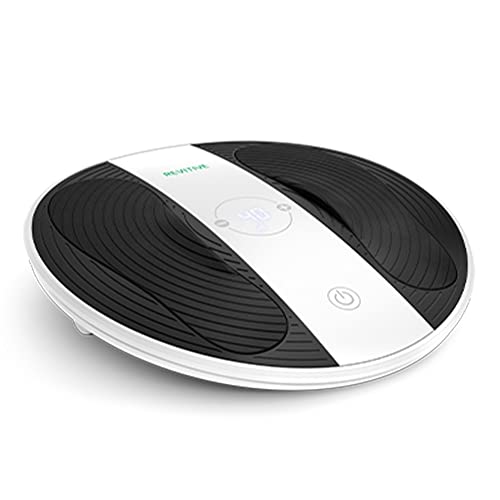






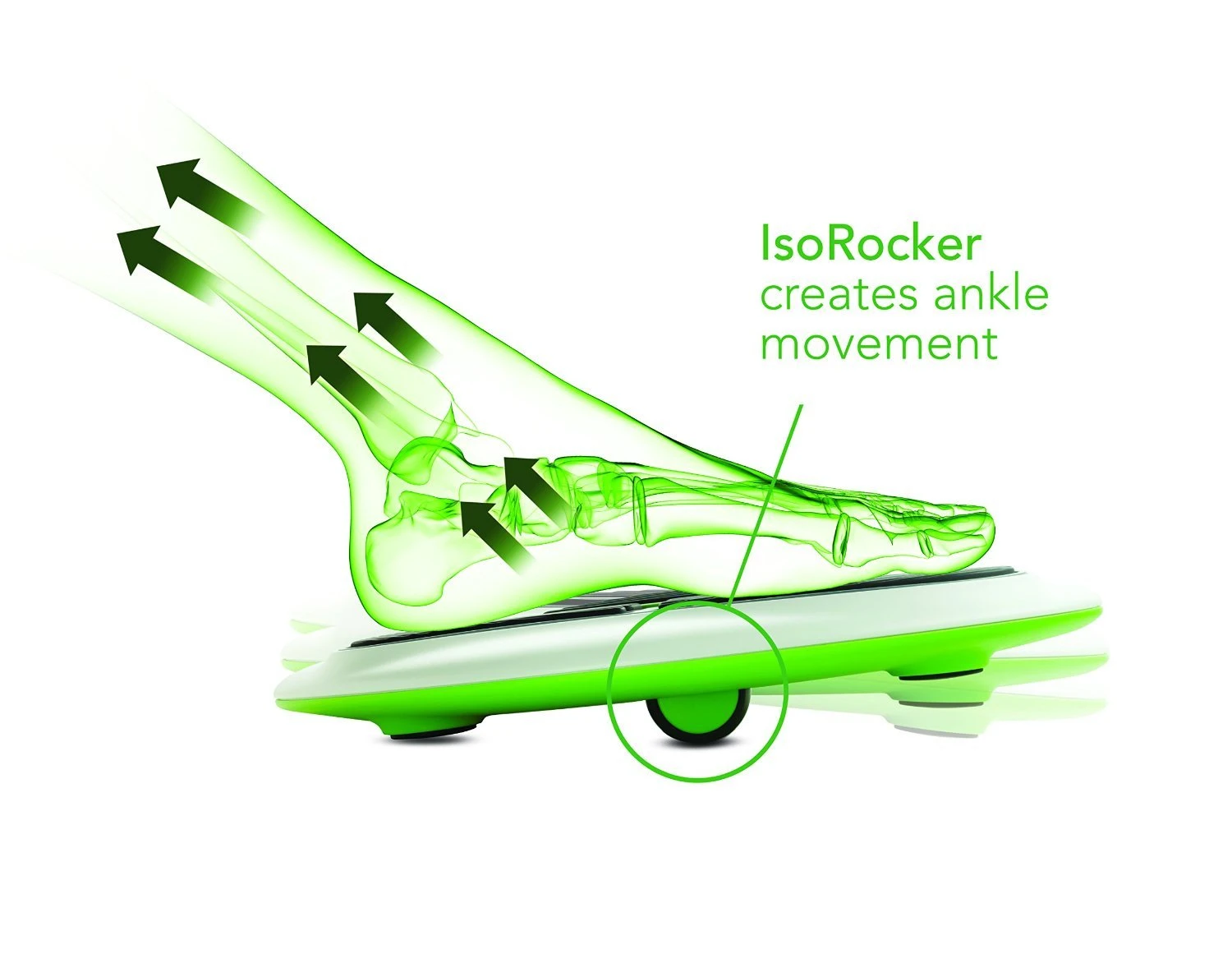
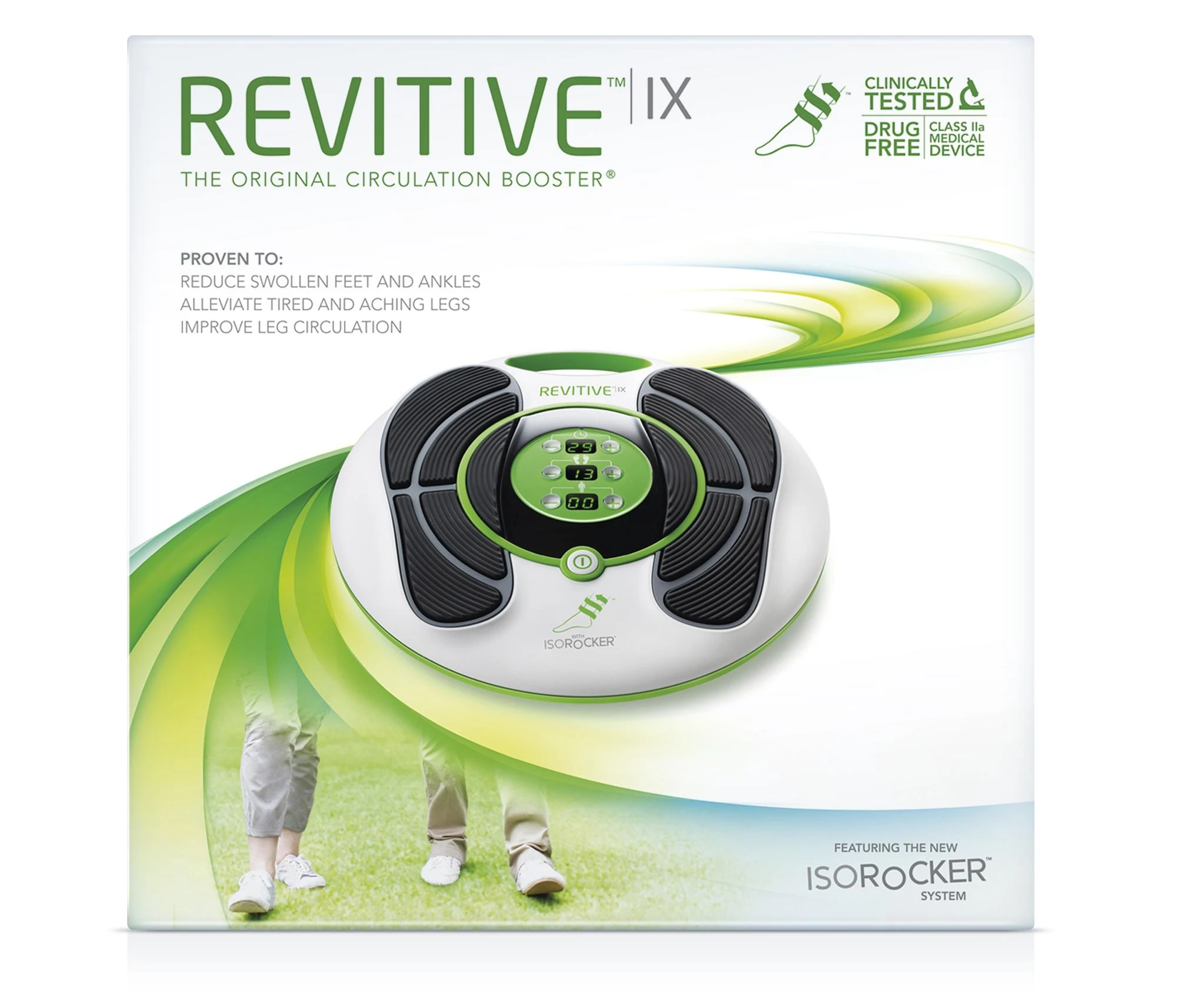
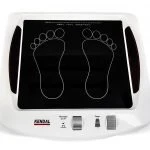
The REVITIVE ProHealth is a genuine medical device, not a consumer wellness gadget dressed up in clinical language. It uses Electrical Muscle Stimulation (EMS) technology to send precisely calibrated electrical impulses through the soles of the feet, activating the calf and foot muscles the same way voluntary exercise does. This creates a pumping action that draws oxygenated blood down into the lower extremities — the mechanism behind its proven ability to relieve tired, aching, heavy-feeling legs and address occasional foot and ankle swelling.
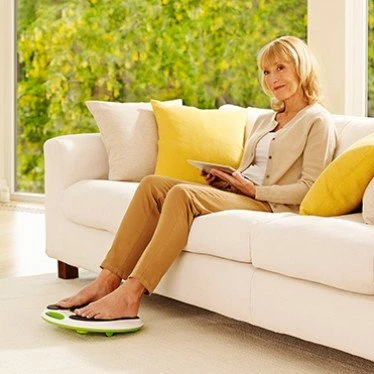
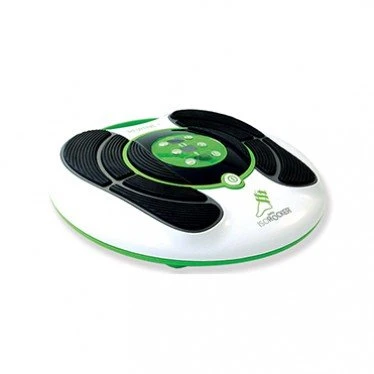
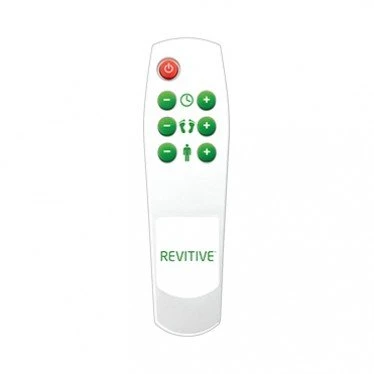
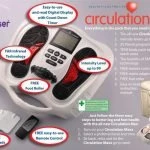
The ProHealth operates via a corded connection, which keeps it reliable for home use without worrying about battery life. The included remote control lets users adjust settings without bending down, which matters for people with limited mobility. With 99 intensity levels, the stimulation can be dialed in to anything from a gentle tingle to a more assertive muscle contraction. The device is compact and sturdy, with a footpad surface large enough to accommodate most foot sizes comfortably. REVITIVE's 2-Year Limited Warranty (with registration) reflects confidence in the hardware's durability.
Buyers familiar with the older REVITIVE IX will find the ProHealth a meaningful step forward. For a direct comparison to the previous generation, this detailed Revitive review covers what changed and what stayed the same. The ProHealth is the top recommendation for anyone whose primary concern is medically validated lower-limb circulation support rather than general relaxation.
Pros:
Cons:

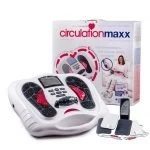
The OSITO EMS Foot Massager brings serious versatility at a significantly lower price than the REVITIVE. It combines TENS and EMS technologies in a single flat-pad device, sending micro-current pulses through the feet to stimulate both nerve pathways and muscle tissue simultaneously. The result is a dual-action approach: EMS contracts the calf and foot muscles to drive circulation, while TENS targets pain-signal pathways for relief from neuropathy, leg fatigue, and back tension. 25 massage modes and 99 intensity levels give users an unusually wide range of options for a device in this price class.
One of the standout features is FSA/HSA eligibility. Buyers can use their flexible spending or health savings account funds toward the purchase — a meaningful financial advantage that makes the OSITO more accessible than it might first appear. The package also includes four electrode patches that attach to other body parts: the neck, waist, hands, or knees, extending the device's utility well beyond foot circulation. This makes it a practical choice for buyers who want a multi-purpose pain and circulation tool rather than a single-use foot device.
The flat footpad design is simple and easy to use — just step on, press a button, and adjust. Setup requires no technical knowledge. The main trade-off is that it lacks the medical device classification of the REVITIVE, and the build quality feels more consumer-grade. For buyers who want effective EMS stimulation without the premium price, the OSITO delivers strong value. Pairing this device with quality compression socks can further enhance lower-limb circulation results.
Pros:
Cons:
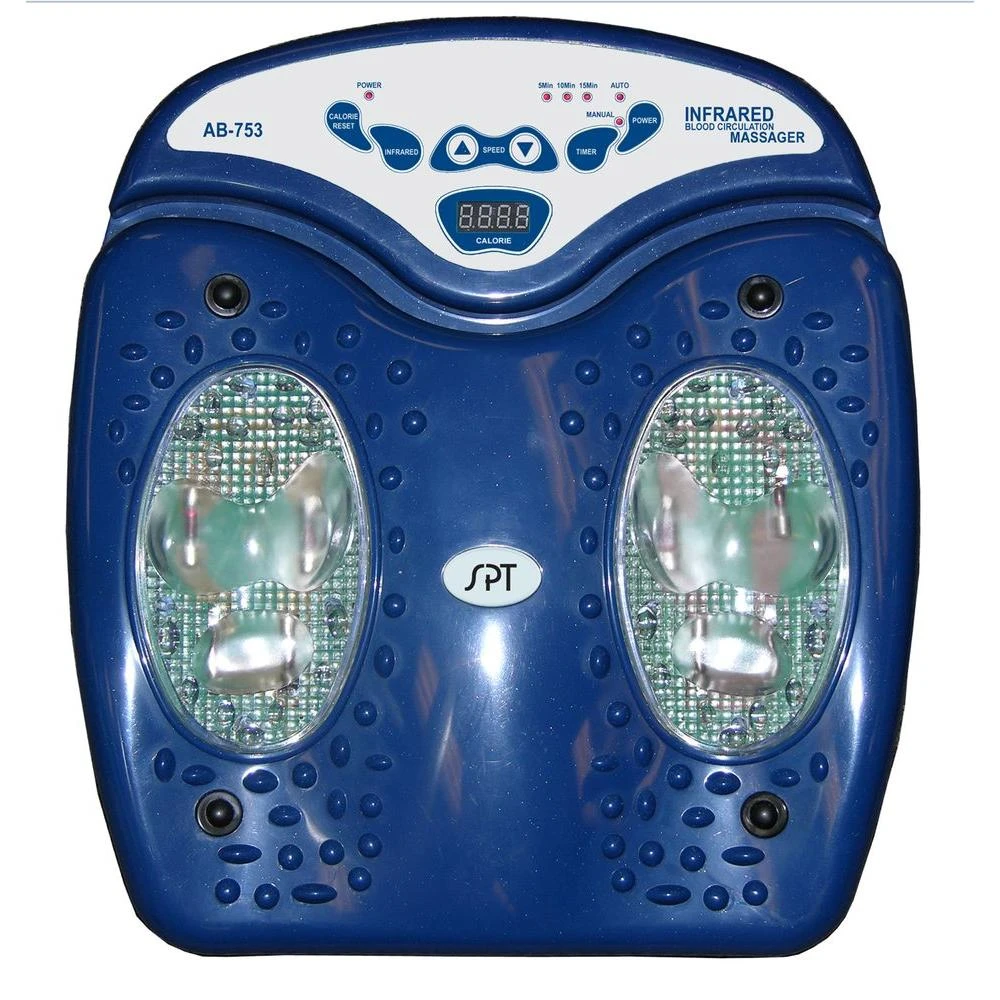
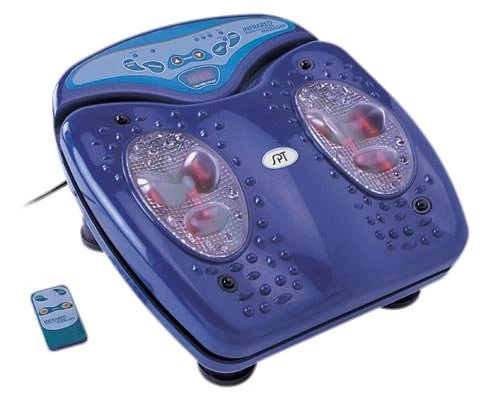
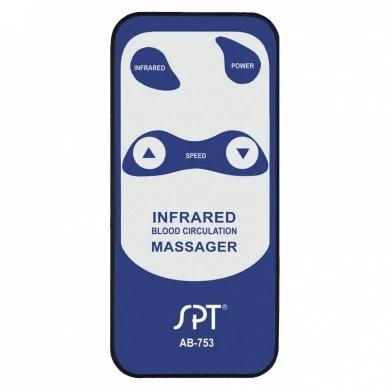
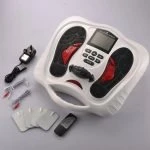
The rechargeable EMS Foot Stimulator from ASIN B0F7XQVRSF answers the biggest complaint about corded circulation devices: the tether. Built with a USB-C rechargeable lithium battery, this unit runs for 2.5 to 3 hours per charge, making it genuinely portable. Travelers, gym-goers, and anyone who wants relief without being anchored to an outlet will find this the most practical EMS option in the lineup. At just 1.5 kilograms, it is lightweight enough to slip into a bag without issue.
Despite the compact form factor, the feature set is competitive. Ten massage modes and 20 intensity levels cover the range from gentle stimulation to firm muscle activation. The developers made a deliberate choice to cap intensity at 20 levels rather than 99, arguing — correctly — that fewer, more meaningfully spaced increments let users find the right setting faster. The device also ships with four TENS body patches for use on other muscle groups, expanding its value beyond foot circulation alone. The EMS technology targets foot neuropathy and plantar fasciitis pain directly, with a secondary benefit of improved sleep quality for users whose nighttime foot discomfort disrupts rest.
The build quality is solid for the price tier, and the remote control keeps adjustments simple. The primary limitation is that the 20-level system, while deliberate, does mean less fine-grained control than the 99-level alternatives — some users with very specific sensitivity requirements may find the jumps between levels slightly too large. Overall, this is the strongest cordless option in 2026 for buyers who prioritize portability without sacrificing EMS effectiveness.
Pros:
Cons:

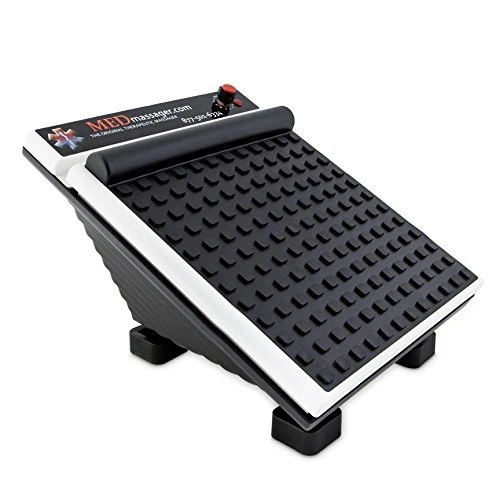
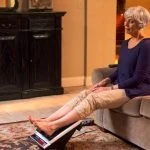
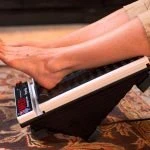
The MedMassager Foot Massager Plus (MMF07) takes a fundamentally different approach from the EMS devices above. Instead of electrical stimulation, it uses oscillating mechanical motion to mimic the kneading action of a skilled massage therapist's hands. The large footpad features a central arch bar and multiple pressure points that target the plantar fascia, heel, and ball of the foot simultaneously. Doctors and physical therapists actively recommend this device — a rarity in the consumer foot massager space — and it carries clinical evidence for reducing neuropathy pain, plantar fasciitis discomfort, restless leg syndrome symptoms, and circulation-related swelling.
The oscillating mechanism operates at variable speeds, and while the control interface is simple (essentially a speed dial), the range of intensities is broad enough to suit both sensitive users and those who prefer firm, penetrating pressure. The dual-speed design is straightforward: low speed for gentle daily maintenance, higher speed for deeper therapeutic work. The footpad is large and open, accommodating wide feet comfortably. Because no electrical stimulation is involved, users with pacemakers or implanted electronic devices — who may be excluded from EMS devices — can use the MedMassager without those concerns.
The device is heavier and bulkier than flat EMS pads, which limits portability, and the power cord is not particularly long. It works best as a stationary home unit. The build quality is exceptional — this is a commercial-grade product sold to medical clinics, and the construction reflects that. For buyers who want the feel of a real massage rather than electrical pulse therapy, the MedMassager Plus is the definitive choice.

Pros:
Cons:
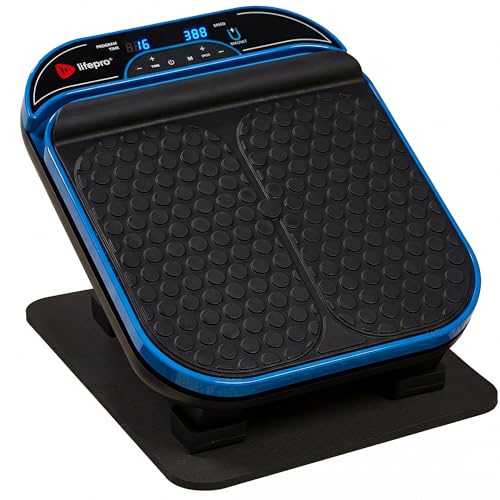
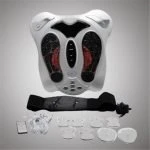
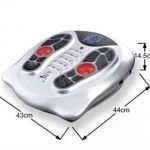
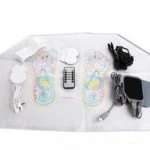
The LifePro VibraFlow takes vibration therapy seriously. Where many vibrating foot pads feel underpowered, the VibraFlow delivers meaningful oscillation through large, textured footpads that directly engage acupressure points across the sole and arch. The 30-speed manual control and 9 preset massage modes give users enough range to customize sessions from gentle relaxation to vigorous stimulation — and the optional heat function adds a layer of soothing warmth that EMS devices cannot replicate.
One smart design detail: the unit tilts to target the calves and lower legs, not just the feet. By angling the device, the vibration travels up into the Achilles and calf muscles — the same muscle groups that, when activated, pump blood upward through the lower limbs. This dual positioning makes the VibraFlow more versatile than a standard flat footpad. The remote control and handheld controller let users adjust everything from a seated position without bending forward.
Vibration therapy is generally gentler than EMS, which makes the VibraFlow suitable for users who find electrical pulse devices uncomfortable or who want a more relaxing experience rather than an intense therapeutic one. It is well-suited to daily wind-down sessions, managing neuropathy discomfort during evening hours, or general foot revitalization after long periods of standing. The build feels premium for the price tier, and the footpads are wide enough to accommodate larger foot sizes without crowding.
Pros:
Cons:
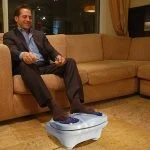
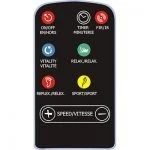
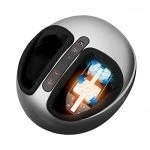
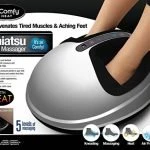
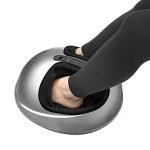
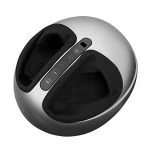
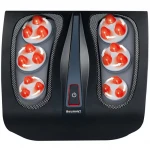
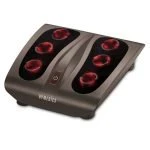
Human Touch is a respected name in therapeutic massage technology, and the Reflex SOL represents the company's most complete foot and calf solution. The device is built around a patented CirQulation Figure-Eight Technology — a proprietary movement pattern that combines deep Shiatsu kneading with vibration to mimic the circular, flowing strokes of a professional masseuse. Combined with optional heat, the Reflex SOL addresses circulation, muscle tension, and chronic pain in the lower limbs through multiple simultaneous modalities. It is HSA/FSA approved, which brings the effective cost down considerably.
The enclosed foot chambers cradle both feet in a way that flat pads cannot replicate. The kneading nodes work across the entire sole — heel, arch, and ball — while the calf section extends the massage upward to the lower leg. Hygienic removable sleeve inserts inside the foot chambers make cleaning straightforward, an important consideration for household units used by multiple people. The device accommodates men's shoe sizes up to 12, which covers the majority of adult feet comfortably.
The Reflex SOL is positioned as a non-drug chronic pain management tool, and Human Touch backs that positioning with healthcare professional endorsements. The experience is far more immersive than any EMS pad — it feels closer to a spa-grade foot treatment. The trade-off is price and bulk; this is a substantial piece of equipment and costs significantly more than the EMS devices in this list. For buyers who want the most sensory-rich circulation and pain relief experience available at home, the Reflex SOL justifies its premium.
Pros:
Cons:
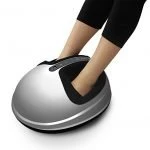
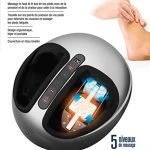
The FIT KING takes a completely different path from every other device in this list. Instead of electrical stimulation, oscillation, or kneading, it uses pneumatic airbag compression to squeeze and release the feet, calves, and thighs in sequence — directly mimicking the graduated compression action of a trained lymphatic drainage therapist. Three independent air channels allow the feet, calves, and thighs to be massaged separately or in combination, giving users precise control over which zones receive attention. Six large airbags inside the sleeves apply even, full-circumference pressure rather than point pressure alone.
This approach makes the FIT KING particularly effective for varicose veins, leg cramps, edema, and post-exercise swelling — conditions where compression is the preferred therapeutic modality. The three massage modes (Sequence, Circulation, and Whole) represent distinct circulatory patterns rather than just intensity variations, and the three intensity levels keep the experience adaptable from gentle to firm. The handheld controller is clear and easy to navigate, which matters for older users or anyone with limited hand strength.
The wrap-around sleeve design means the FIT KING extends from feet to thighs — the widest coverage area of any product in this lineup. That makes it the best choice for buyers whose circulation concerns extend into the calves and thighs, not just the feet. For chronic swelling, post-surgical recovery, or anyone who spends long hours seated, this is the most targeted compression therapy solution available without a prescription. Buyers managing ongoing swelling may also want to explore compression sock options as a complementary daily-wear tool.
Pros:
Cons:
The single most important buying decision is matching the technology to the specific problem. EMS (Electrical Muscle Stimulation) is the most clinically validated approach for circulation improvement — it physically contracts the calf and foot muscles, driving venous blood back toward the heart. REVITIVE and OSITO represent this category. Oscillating mechanical massagers like the MedMassager work through friction, pressure, and motion rather than electricity, making them safer for users with implanted devices. Vibration therapy (LifePro VibraFlow) is gentler and more relaxing, suited to daily comfort maintenance. Shiatsu kneading (Human Touch Reflex SOL) combines pressure and circular motion for a spa-like experience. Airbag compression (FIT KING) most closely mimics graduated compression therapy and excels specifically at edema and swelling management. Buyers should decide which of these mechanisms aligns with their primary concern before evaluating any other features.
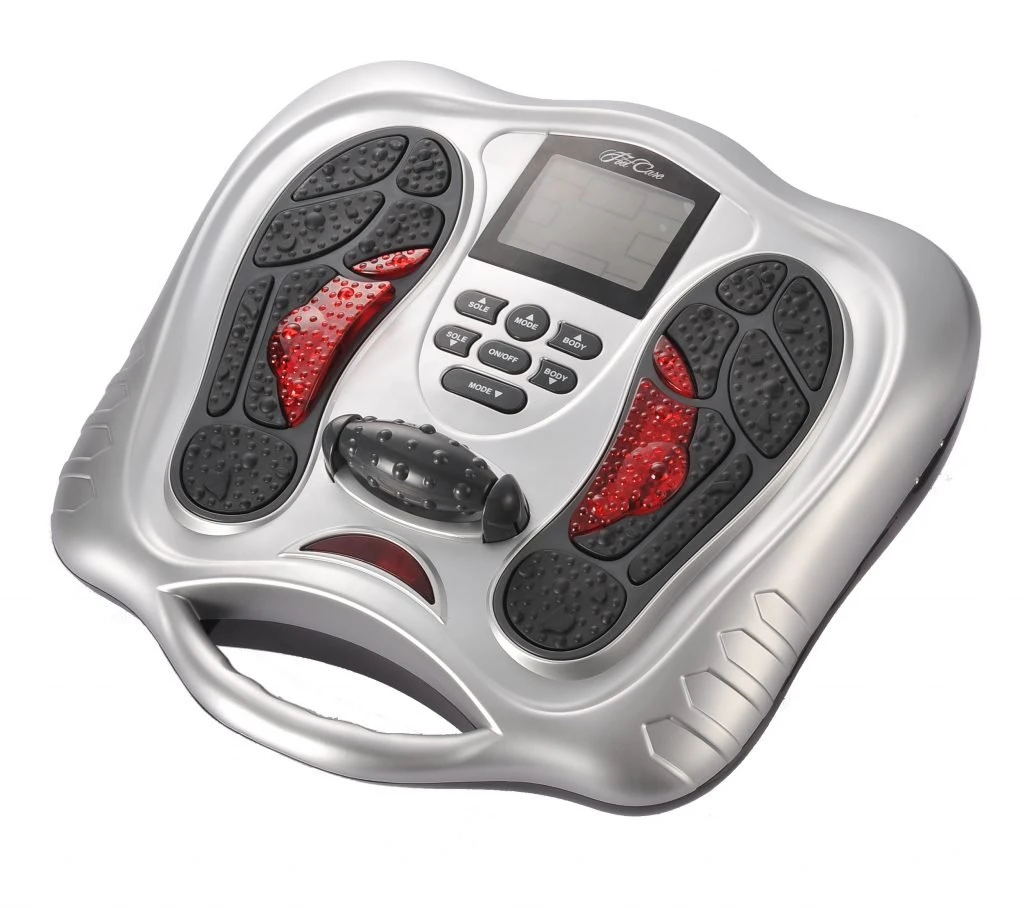
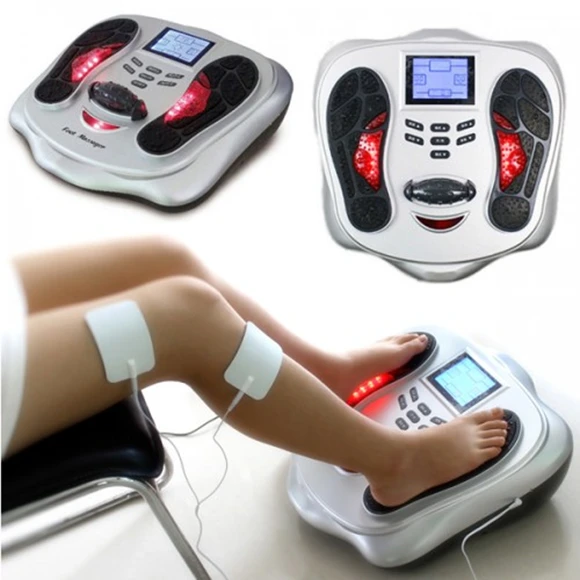
Corded devices are more powerful and never run out of charge mid-session, but they permanently tether users to an outlet. The rechargeable EMS Foot Stimulator (B0F7XQVRSF) is the only device in this lineup with genuine wireless portability, and it handles up to three hours on a charge — enough for multiple sessions before needing power. Buyers who use their device only at home will find the corded options perfectly adequate. Those who travel frequently or want to use the device in multiple rooms without managing cords should prioritize the rechargeable option. The FIT KING and Human Touch Reflex SOL are the bulkiest items here and are effectively permanent home fixtures rather than portable devices.
For buyers with flexible or health savings accounts, FSA/HSA eligibility significantly reduces the effective cost of these devices. The OSITO and Human Touch Reflex SOL are both FSA/HSA approved. The REVITIVE ProHealth is a registered medical device — a stronger credential than FSA/HSA eligibility alone, as it requires regulatory review of safety and efficacy claims. Buyers managing diagnosed conditions like neuropathy, peripheral vascular disease, or post-surgical edema should pay particular attention to medical device status, as this affects how claims about the device's effectiveness are made and substantiated. Consulting with a physician or physical therapist before purchasing is especially advisable for individuals with pacemakers, deep vein thrombosis, or active infections, as EMS and compression devices carry specific contraindications.
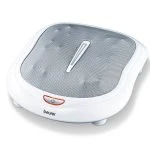
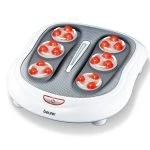
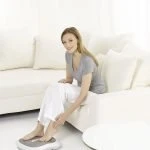
Most EMS pad-style devices are designed for 20–30 minute sessions once or twice daily, which is the clinically studied usage window for lower-limb EMS therapy. The shiatsu and airbag devices are better suited to shorter, more frequent comfort sessions. Buyers who want an all-in-one lower-body circulation tool should note the FIT KING's thigh coverage and the Human Touch Reflex SOL's combined foot-and-calf action — both extend treatment well above the ankle. For targeted foot-only use, the flat EMS pads are simpler and more convenient. Session frequency matters more than session length for most circulation goals; a 20-minute daily EMS session outperforms a 60-minute weekly one.
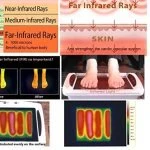
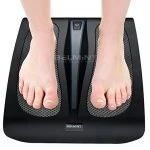
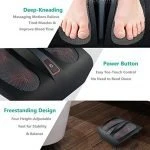
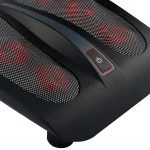

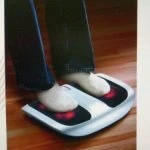
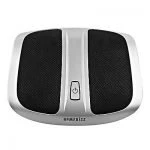
For EMS-based devices like the REVITIVE ProHealth, the evidence is solid. Electrical Muscle Stimulation contracts the calf and foot muscles in a pattern that drives venous blood return, which is exactly what happens during normal walking. Clinical studies have demonstrated measurable improvements in lower-limb blood flow with consistent use. Mechanical oscillating and shiatsu devices improve local circulation through surface stimulation and muscle relaxation, though the evidence base is less robust. Airbag compression devices replicate the action of compression therapy, which has strong support for managing edema and venous insufficiency. The key word is "consistent" — daily or near-daily use is what produces results; occasional use delivers only temporary relief.
EMS and TENS devices are contraindicated for individuals with implanted electronic devices such as pacemakers, defibrillators, or neurostimulators, as the electrical current can interfere with device function. They should also be avoided by pregnant women, anyone with active deep vein thrombosis, open wounds or skin infections on the feet, or epilepsy. Airbag compression devices should not be used by anyone with peripheral arterial disease without physician clearance, as compression can further restrict arterial flow. Anyone with a diagnosed circulatory condition should consult a healthcare provider before starting use of any circulation booster device.
Most manufacturers and clinical guidelines recommend sessions of 20 to 30 minutes for EMS devices, once or twice daily. The REVITIVE ProHealth is specifically designed with this session window in mind. Shiatsu and vibration devices can be used in shorter or longer sessions based on comfort, as they carry lower clinical intensity. Airbag compression devices like the FIT KING are typically used for 15 to 30 minutes. For most users, a consistent daily routine of 20 minutes is more effective than sporadic long sessions. Overuse of high-intensity EMS stimulation can cause muscle soreness, so starting at lower intensity levels and building up over the first week is the recommended approach.
Several devices in this lineup — including the REVITIVE ProHealth, OSITO EMS, and MedMassager Plus — are used by people managing diabetic neuropathy symptoms, including tingling, numbness, and burning pain in the feet. EMS stimulation drives oxygenated blood into the lower extremities, which addresses one of the primary mechanisms of neuropathy progression. The MedMassager is clinically proven effective for neuropathy relief and is often recommended by physical therapists who work with diabetic patients. Diabetic users must inspect their feet carefully before and after each session, as reduced sensation means they may not feel pressure-related injury during device use. Medical supervision is strongly recommended for anyone with diabetic neuropathy.
The REVITIVE ProHealth's medical device classification is the key differentiator. It means the device has passed regulatory scrutiny for safety and its efficacy claims are substantiated through clinical data — not just marketing copy. Cheaper EMS pads may deliver comparable electrical stimulation sensations, but their intensity calibration, electrode quality, and clinical backing are generally not equivalent. For buyers whose circulation concerns are cosmetic or comfort-related, a lower-cost EMS pad like the OSITO is a reasonable choice. For buyers dealing with persistent symptoms, post-surgical recovery, or medically relevant conditions, the REVITIVE's clinical pedigree justifies its higher price.
This is one of the most practical advantages of flat EMS pad-style devices. The REVITIVE ProHealth and OSITO both sit on the floor and require nothing more than resting feet on the surface — users can read, watch television, or work at a desk throughout the entire session. The MedMassager requires slightly more attention due to its oscillating footpad, but is equally usable during passive activities. The Human Touch Reflex SOL and FIT KING are best used seated with feet and legs in a relaxed position, also compatible with TV watching. The result is that daily circulation therapy adds essentially zero time cost to most users' routines.


About Dr. Zhifei Sun, MD
Dr. Zhifei Sun is a colon and rectal surgeon affiliated with MedStar Georgetown University Hospital in Washington, D.C. He specializes in minimally invasive surgical techniques for colorectal diseases, including diverticular disease, ulcerative colitis, Crohn's disease, and colorectal cancer. His clinical work focuses on improving patient outcomes through laparoscopic and robotic-assisted approaches to complex colorectal conditions.
You can get FREE Gifts. Or latest Free phones here.
Disable Ad block to reveal all the info. Once done, hit a button below
 Dr. Zhifei Sun, MD