
The most common skin issues feet develop — athlete's foot, cracked heels, plantar warts, blisters, corns, and foot eczema — are identifiable, treatable, and in most cases fully preventable. You don't need to live with peeling skin, stubborn calluses, or relentless itching. A clear understanding of each condition, paired with the right intervention, gets your feet back to healthy faster than most people expect. Everything you need to start is right here in the foot care section at RipPain.

Your feet carry your full body weight, spend hours inside closed shoes, and make contact with surfaces teeming with fungi, bacteria, and friction-generating materials. No other area of your body endures that combination of stress daily. That sustained exposure is precisely why skin problems on the feet are so common — and why they can escalate quickly when you ignore early warning signs.
The difference between a minor inconvenience and a chronic problem almost always comes down to early recognition and consistent follow-through. Understanding what each condition looks like, what drives it, and how to address it gives you a decisive advantage. This guide covers the clinical picture for all six conditions, the evidence behind common treatments, and a realistic long-term strategy for keeping your feet healthy.
Contents
Your feet sit at the end of your circulatory chain, which means reduced blood flow compared to your trunk and upper body. Skin on the soles is the thickest on your body, yet paradoxically the most prone to dryness because it contains no sebaceous glands — no natural oil production to keep it supple. Pressure, friction, and moisture combine in a closed-shoe environment to create the exact conditions fungi and bacteria thrive in.
The anatomy also works against you. Weight-bearing skin on the heel and ball of the foot thickens in response to pressure, forming calluses that crack when they dry out. Tight toe boxes compress digits together, creating warm, moist contact points where fungal infections start. You're not doing anything wrong — the environment inside a shoe is simply hostile to healthy skin.
Several underlying conditions dramatically increase how often foot skin problems appear and how stubborn they become:
If you're dealing with recurring foot skin problems despite consistent treatment, a systemic cause is worth ruling out with your physician.
Athlete's foot is a fungal infection caused by dermatophytes — the same class of fungi behind ringworm and nail fungus. It typically starts between the toes with itching, redness, and peeling. Left untreated, it spreads to the sole and sides of the foot and can invade the toenails. According to Wikipedia's clinical overview of tinea pedis, it affects up to 15% of the global population at any given time. Over-the-counter antifungals clear most cases within two to four weeks when applied consistently. For a detailed breakdown of home-based approaches, see 5 ways to treat athlete's foot at home.
Cracked heels occur when the thick callus on your heel rim dries out, loses elasticity, and fissures under body weight. Mild cases are cosmetic; deep fissures bleed, become infected, and cause real pain with every step. The treatment hierarchy runs from daily urea-based creams and pumice exfoliation to prescription keratolytics for severe cases. Read the complete evidence-based approach in how to soothe dry and cracked heels naturally.
Plantar warts are caused by human papillomavirus (HPV) entering through small cracks in the skin. They appear on the sole as hard, grainy growths, often with black dots (thrombosed capillaries) at the center. They're notorious for feeling like a pebble stuck in your shoe. Salicylic acid treatments, cryotherapy, and laser ablation are the three main clinical options — none of them instant.
Blisters form when friction separates skin layers, allowing fluid to accumulate in the gap. They're most common on the heel, ball of the foot, and toes. The cardinal rule: don't pop a blister unless it's large, painful, and limiting function. If you do drain it, leave the roof of skin intact — it's your best natural bandage.
Calluses are diffuse thickenings from sustained pressure; corns are smaller, have a hard central core, and are usually found on or between toes. Both are your skin's defense mechanism. Remove the source of pressure — typically ill-fitting footwear — and they resolve on their own. Shaving them without addressing footwear just means they'll return within weeks.
Dyshidrotic eczema on the feet produces intensely itchy, fluid-filled blisters along the sides of the feet and toes. Psoriasis on the soles creates thick, silvery plaques that crack painfully. Both are immune-mediated, which means topical antifungals do nothing — and misdiagnosis is extremely common. A dermatologist's confirmation changes the entire treatment pathway.
Pro insight: If your "athlete's foot" isn't responding to antifungal cream after three weeks, stop — there's a real chance you're treating eczema or psoriasis, which requires a completely different approach.
| Condition | Primary Cause | Key Symptom | First-Line Treatment | Typical Duration |
|---|---|---|---|---|
| Athlete's Foot | Fungal infection (dermatophytes) | Itching, peeling between toes | Topical antifungal (clotrimazole, terbinafine) | 2–4 weeks |
| Cracked Heels | Dryness + pressure | Thickened, fissured heel rim | Urea cream + pumice exfoliation | 2–6 weeks |
| Plantar Warts | HPV infection | Grainy growth with black dots | Salicylic acid or cryotherapy | Weeks to months |
| Blisters | Friction | Fluid-filled sac | Cushion and protect; drain only if large | 3–7 days |
| Corns & Calluses | Repeated pressure/friction | Thickened skin, hard core (corn) | Remove pressure source; pumice | Weeks with pressure relief |
| Foot Eczema/Psoriasis | Immune dysregulation | Itchy blisters or silvery plaques | Topical corticosteroids; immunomodulators | Chronic; managed not cured |
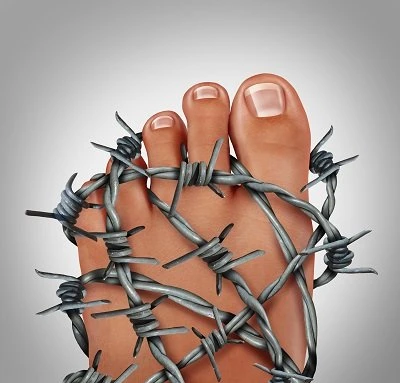
Effective foot skin care doesn't require a complicated routine. The basics, done consistently, outperform any expensive product applied sporadically.
That last habit matters more than most people realize. Ingrown toenails break the skin barrier and create entry points for bacterial infections that can turn a simple nail issue into a serious wound — especially if your circulation is compromised.
Your shoes and socks are the primary environment your skin lives in for most of the day. Moisture-wicking socks — merino wool or technical synthetics — reduce the sustained dampness that enables fungal growth. Breathable leather or mesh uppers move air across the foot. Shoes that fit correctly distribute pressure evenly instead of concentrating it at stress points.
Shoe fit deserves more attention than most people give it. A half-size too small creates the kind of sustained pressure that generates both corns and blisters simultaneously.
The most common reason foot skin problems persist isn't that treatments don't work — it's that people stop too early or apply them incorrectly.
One insider observation worth noting: many people with recurring athlete's foot are reinfecting themselves from their own shoes. The fungus lives in the insole and re-colonizes the foot even after successful skin treatment. Discard old insoles or treat them with antifungal spray as part of the treatment protocol.
Cotton socks feel comfortable but trap moisture against the skin. During athletic activity or long days on your feet, cotton becomes a liability — it saturates, creates friction hot spots, and holds fungi-friendly humidity. Switch to technical fibers for any situation involving sustained activity or heat.
Wearing the same pair of shoes every single day is another overlooked mistake. Shoes need time to fully dry internally. Alternating between two pairs extends the life of both and materially reduces fungal load in your footwear environment.
Several persistent beliefs about foot skin conditions are flatly wrong, and following them wastes time or makes things worse.
Calluses are widely misunderstood. Many people treat them as purely cosmetic and aggressively remove all thickened skin. The truth is that a moderate callus on the heel and ball of the foot is protective — it's excessive buildup that becomes problematic. Removing all callus tissue with a razor or aggressive file strips away natural cushioning and increases blister risk.
Warning: Never use a razor blade, cheese grater, or electric callus shaver on skin that has visible cracks or any area near open sores — the infection risk is significant, and healing tissue needs the skin cover intact.
Similarly, the belief that cracked heels are simply a sign of poor hygiene ignores the real drivers: low humidity environments, hard floors, open-back footwear, and underlying systemic conditions. A person who showers twice daily can still develop severe heel fissures if they're spending hours barefoot on tile in a dry climate.
Foot skin care is not a set-and-forget system. Your feet face different challenges across the year, and your routine needs to adapt.
A consistent weekly routine — a brief inspection, light exfoliation, and targeted moisturizing — catches emerging problems before they become entrenched ones. Prevention takes five minutes. Treatment takes weeks.
There are clear thresholds beyond which self-treatment is not appropriate:
A podiatrist or dermatologist brings diagnostic precision that saves you weeks of trial and error. The cost of one professional visit is almost always lower than weeks of ineffective self-treatment with the wrong product.
The six most prevalent are athlete's foot (tinea pedis), dry and cracked heels, plantar warts, blisters, corns and calluses, and foot eczema or psoriasis. Each has a distinct cause and treatment pathway, so correct identification is the critical first step.
Athlete's foot typically starts between the toes with itching, scaling, and a moist or macerated appearance. Dyshidrotic eczema appears as intensely itchy, deep blisters on the sides of the feet and toes. If a three-week course of topical antifungal produces no improvement, eczema or psoriasis is likely and you need a dermatologist's assessment.
Blisters resolve on their own within days. Mild calluses reduce when the source of pressure is removed. Athlete's foot, plantar warts, and foot eczema do not reliably self-resolve — they require targeted treatment to clear. Waiting and hoping on those three conditions usually leads to worsening and spread.
Cracked heels result from dry skin losing elasticity under sustained body weight. Contributing factors include open-back footwear, low humidity, prolonged standing, and systemic conditions like hypothyroidism. Treatment involves daily urea-based moisturizer (at least 25% urea for severe cases), regular gentle exfoliation, and addressing any underlying systemic drivers.
Plantar warts are caused by HPV and are technically contagious, though transmission requires contact with contaminated wet surfaces — locker room floors, pool decks, and shared showers are the primary vectors. Direct skin-to-skin transmission is uncommon. Walking barefoot in shared wet areas is the main risk factor to avoid.
With consistent daily application of an appropriate topical antifungal — clotrimazole, terbinafine, or miconazole — most cases of athlete's foot clear within two to four weeks. Stopping treatment as soon as symptoms disappear is the number one reason infections return. Complete the full course regardless of how quickly symptoms resolve.
A callus is a broad, diffuse thickening of skin in response to distributed pressure, usually on the heel or ball of the foot. A corn is smaller with a hard central nucleus, typically found on or between the toes where a bony prominence presses against shoe material. Both respond to pressure relief; corns often benefit from protective cushioning pads during the healing period.
See a medical professional if you have any foot wound that isn't improving after two weeks, if skin problems are accompanied by swelling or fever, if you have diabetes or poor circulation and notice any skin break, or if four weeks of appropriate over-the-counter treatment hasn't produced improvement. Early professional intervention prevents minor issues from becoming serious complications.
The six common skin issues feet deal with are all manageable — but only if you act on accurate information rather than guesswork or habit. Start with the condition that's affecting you most right now: identify it precisely using the comparison above, match it to the correct treatment, and commit to the full course. Your feet carry you through everything — give them the consistent, informed attention they deserve and book a podiatrist appointment if anything persists beyond a month of self-care.


About Mehnaz
Mehnaz is the founder and editor of RipPain, a health resource site dedicated to helping readers navigate pain management, recovery, and medical device research. Her work on the site is driven by personal experience caring for seriously ill family members, which led her to study evidence-based guidance from physicians, pain specialists, and published medical research. She curates and summarizes expert medical insights to make credible health information accessible to everyday readers.
You can get FREE Gifts. Or latest Free phones here.
Disable Ad block to reveal all the info. Once done, hit a button below
 Mehnaz