
Have you ever woken up at 3 a.m. completely unable to breathe through your nose, your head pounding and your face tight with pressure? If so, you already know how relentless sinus congestion can be. The encouraging part: you can learn exactly how to clear sinus congestion using simple, proven methods — and most of them don't require a prescription. Whether your blockage stems from a cold, allergies, or dry winter air, this guide covers everything from instant relief to long-term prevention.
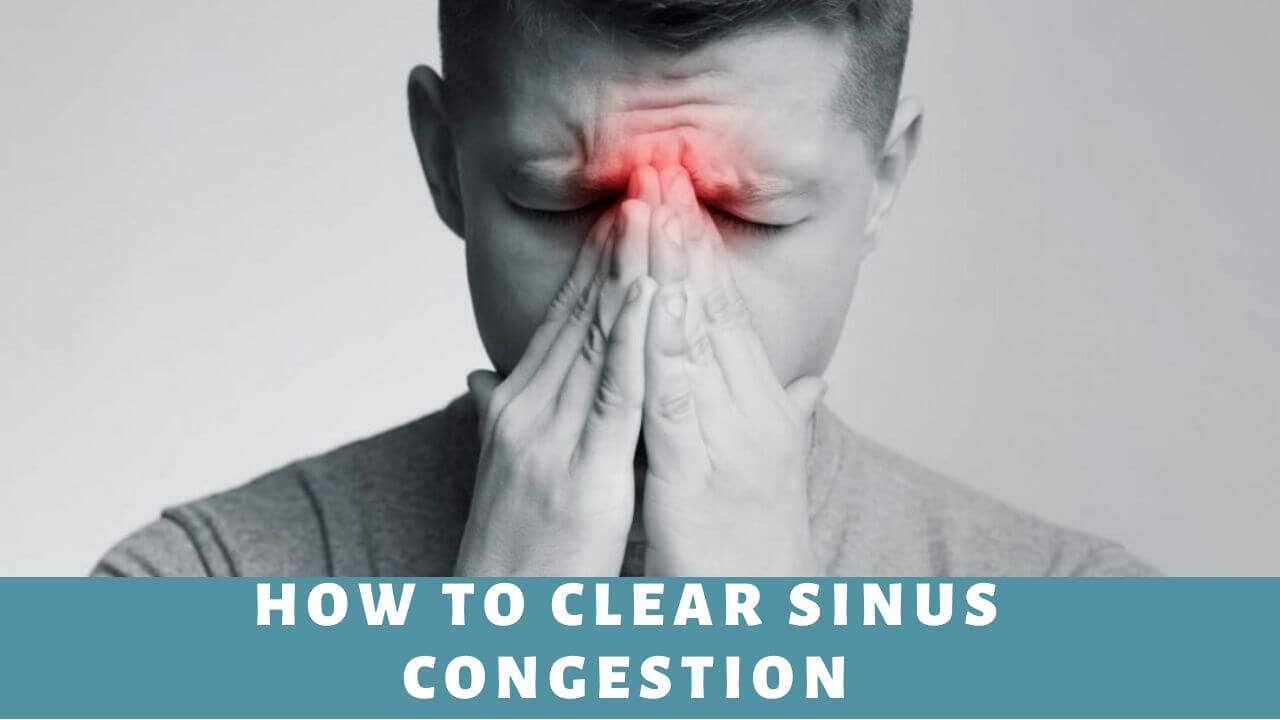
Sinus congestion happens when the mucous membranes lining your nasal passages become inflamed and swollen, trapping mucus and cutting off airflow. The result is that familiar heavy pressure behind your eyes, forehead, and cheeks. Triggers include viral infections, allergens, dry air, and structural issues like a deviated septum (when the wall between your nostrils leans to one side). Sometimes congestion is a standalone nuisance. Other times it travels alongside a persistent cough, which is worth paying attention to. If you're unsure whether something more serious is brewing, read about how to tell if bronchitis is turning into pneumonia, since the symptoms can overlap in confusing ways.
Most acute congestion from a cold resolves within 7 to 10 days. If yours drags on longer — or keeps cycling back — you may be dealing with chronic sinusitis or a related condition. The bronchitis section of this site covers how respiratory inflammation affects breathing over time. For now, let's focus on what you can start doing today.
Contents
When your sinuses are at their worst, you want results in minutes, not days. Several home remedies deliver real, measurable relief fast — no pharmacy run required. These are your first-line tools when congestion hits hard.
Steam is one of the most effective and underrated options available to you. Breathing in warm, moist air loosens thick mucus and reduces swelling in your nasal passages. You don't need any special equipment — a bowl of hot water with a towel draped over your head works just as well as a commercial steam inhaler. Add a few drops of eucalyptus oil if you have it. Eucalyptus contains cineole, a compound with natural decongestant properties.
A hot shower achieves the same result. Stand in the steam for 10 minutes and breathe deeply. For more targeted relief, press a warm, damp washcloth over your nose and cheeks for 5 to 10 minutes. The heat dilates blood vessels and encourages mucus to drain rather than pool and thicken.
Pro tip: Add one drop of peppermint essential oil to your steam bowl — menthol activates cold receptors in your nose, creating an immediate sensation of clearer breathing even before the steam fully works.
A saline (salt water) rinse physically flushes mucus, allergens, and irritants out of your nasal passages. Studies consistently show it reduces congestion and speeds recovery from upper respiratory infections. You can buy pre-made saline sprays or mix your own: dissolve a quarter teaspoon of non-iodized salt and a pinch of baking soda into a cup of distilled or previously boiled water.
Tilt your head to one side over a sink, pour the solution into the upper nostril, and let it drain out the other side. It sounds unpleasant at first — most people feel the same way — but after a few tries it becomes a quick, effective part of your routine. Use it twice daily during a flare-up for the best results.
Beyond steam and saline, a handful of practical devices make a genuine difference in how you manage congestion at home. Having the right tools on hand means you're prepared the moment symptoms strike.
A neti pot is a small container — ceramic or plastic — shaped like a teapot and designed specifically for nasal irrigation. It delivers a steady, controlled flow of saline solution that's more thorough than a spray alone. Use only distilled, sterile, or previously boiled water in your neti pot. According to the FDA, tap water can harbor microorganisms that are safe to swallow but dangerous inside nasal passages — so this step is non-negotiable.
Saline sprays are more convenient for daily use or when you're on the go. They moisturize dry nasal tissue and prevent mucus from becoming the thick, sticky type that blocks your sinuses. Look for sprays labeled isotonic saline (the same salt concentration as your body's fluids) for the gentlest, most consistent effect.
| Tool | Best For | Ease of Use | Typical Cost |
|---|---|---|---|
| Neti Pot | Deep irrigation, chronic congestion | Moderate (short learning curve) | $10–$20 |
| Saline Spray | Daily moisture, mild blockage | Very easy | $5–$12 |
| Steam Inhaler | Acute congestion, sinus pressure | Easy | $20–$50 |
| Cool-Mist Humidifier | Prevention, dry environments | Very easy (set and forget) | $25–$100 |
| Nasal Strips | Nighttime breathing, mild blockage | Very easy | $8–$15 |
Dry air is a silent aggravator of sinus congestion. When indoor humidity drops below 30%, your nasal membranes dry out and crack, leaving them vulnerable to irritation and infection. A cool-mist humidifier in your bedroom adds moisture back into the air overnight, keeping your nasal passages supple and reducing morning congestion.
Keep indoor humidity between 40% and 50%. Go higher and you risk mold growth, which worsens allergies significantly. Clean your humidifier every two to three days — a neglected humidifier can disperse bacteria and mold spores directly into the air you breathe.
When you're deciding how to clear sinus congestion, you face a real choice: reach for medication or rely on natural methods. Both approaches have legitimate uses depending on the severity and cause of your symptoms.
Over-the-counter decongestants like pseudoephedrine narrow blood vessels in your nasal passages, reducing swelling quickly — often within 30 minutes. The trade-off: they raise blood pressure and can cause jitteriness, making them a poor choice if you have a history of cardiovascular problems.
Nasal decongestant sprays like oxymetazoline work faster than oral options but carry a significant risk. Using them for more than three consecutive days triggers rebound congestion — a cycle where your nasal tissue becomes dependent on the spray and swells even more when you stop. Limit spray use to two days maximum to avoid this trap.
Antihistamines target allergy-driven congestion by blocking histamine, the chemical your immune system releases in response to allergens. They work well for hay fever and pet allergies but are less effective for cold-related blockage. If your congestion worsens outdoors or around specific triggers like dust or pet dander, antihistamines are worth trying first.
Warning: Never use nasal decongestant sprays for more than three days in a row — rebound congestion (rhinitis medicamentosa) can be harder to treat than the original problem and may require medical intervention to break the cycle.
Several natural options have genuine evidence behind them. Bromelain, an enzyme from pineapples, reduces sinus inflammation. Quercetin, a plant compound found in apples and onions, acts as a natural antihistamine. Supplements that support immune function and reduce systemic inflammation can play a supporting role in managing chronic congestion, particularly when the root cause involves ongoing immune activation.
Spicy foods — hot peppers, wasabi, horseradish — temporarily trigger nasal drainage by stimulating nerve receptors in your sinuses. It isn't a cure, but it provides quick short-term relief when you need it. Capsaicin nasal sprays are currently being studied for longer-term sinus relief, with promising early results.
Managing how to clear sinus congestion isn't only about what you do during a flare-up. The habits you build between episodes determine how often congestion comes back — and how severe it is when it does. Think of this as maintenance for your respiratory system.
Water is your sinuses' most reliable ally. Staying well-hydrated keeps mucus thin and moving freely rather than thick and stuck. Aim for at least eight cups of water daily, more if you're actively fighting an infection. Warm liquids — herbal teas, broth-based soups — add a mild steam effect as you drink them, making them doubly effective.
Diet matters more than most people realize. Dairy products cause mucus to thicken in some people, especially during a cold or allergy season. Alcohol and caffeine are dehydrating and can inflame mucous membranes. Anti-inflammatory foods — ginger, turmeric, garlic, and omega-3-rich fish — support your immune system and reduce the frequency of sinus flare-ups over time.
How you sleep directly affects your sinuses. Lying flat on your back encourages mucus to pool in your nasal passages and worsen overnight congestion. Sleeping with your head elevated — using an extra pillow or an adjustable wedge — lets gravity assist drainage while you rest. If neck discomfort makes elevation difficult, the right pillow for neck pain can support your head in a position that helps both your neck and your sinuses simultaneously.
Quality sleep also matters for your immune response. If congestion is disrupting your rest, you're caught in a frustrating cycle — poor sleep weakens immunity, which makes congestion worse. The strategies for getting deeper, more restorative sleep apply here too, especially if chronic pain or inflammation is already part of your health picture. For indoor air quality, use a HEPA air purifier in your bedroom to capture airborne allergens and keep windows open when outdoor pollen counts are low.
If you find yourself asking how to clear sinus congestion several times a year, it's time to think beyond quick fixes. Recurring congestion signals that something in your environment, immune system, or anatomy needs to be addressed at the root — not just managed episode by episode.
Most sinus congestion resolves without medical intervention. But certain symptoms signal that a healthcare provider needs to be involved:
Serious sinus infections can spread to surrounding tissues if left untreated. If you've ever wondered whether untreated respiratory infections can turn dangerous, the answer is yes — and the same caution applies to advanced sinusitis. Catching problems early prevents them from becoming much harder to treat.
If allergies are the primary driver of your congestion, treating them directly is the single highest-impact long-term strategy. Allergy testing — skin prick or blood tests — identifies your specific triggers precisely. From there, you have real options: allergen avoidance, daily antihistamines, nasal corticosteroid sprays like fluticasone (which reduce inflammation without the rebound risk of decongestant sprays), or immunotherapy.
Immunotherapy is the only treatment that actually changes how your immune system responds to allergens, rather than simply masking symptoms. It takes one to three years to reach full effect, but the long-term reduction in congestion and medication dependence makes it worth considering for anyone dealing with moderate to severe allergic rhinitis (hay fever and related nasal inflammation).
Congestion from a cold usually clears within 7 to 10 days. Allergy-related congestion lasts as long as you're exposed to the trigger. If your symptoms persist beyond 12 weeks, you likely have chronic sinusitis and should see a doctor for evaluation and targeted treatment.
Blowing your nose helps remove mucus, but doing it too forcefully can push bacteria-laden mucus deeper into your sinuses, potentially worsening an infection. Blow gently, one nostril at a time, and avoid the temptation to force it when your nose feels fully blocked.
Yes. When mucus can't drain properly, pressure builds behind your forehead, cheeks, and eyes. True sinus headaches worsen when you bend forward and improve as congestion clears. Note that many headaches labeled "sinus headaches" are actually migraines — if yours are severe or recurring, see a doctor for an accurate diagnosis.
Cold air can irritate nasal passages and trigger increased mucus production in some people. Breathing through your nose (rather than your mouth) helps warm and humidify incoming air before it reaches your sinuses. Wearing a loose scarf over your nose and mouth in cold weather provides a simple, effective buffer.
No. Nasal decongestant sprays containing oxymetazoline should not be used for more than two to three consecutive days. Regular use causes rebound congestion, a condition where your nasal tissue becomes dependent on the medication and swells worse when you stop. Saline sprays carry no such risk and are safe to use every day.
Seek urgent care if you have a high fever above 102°F, severe facial swelling especially around the eyes, vision changes, a stiff neck, or symptoms that are rapidly worsening rather than gradually improving. These can indicate a spreading infection that requires prompt medical treatment.
Clearing sinus congestion rarely comes down to one magic fix — it's about pairing the right immediate relief with habits and tools that stop it from dominating your days. Start with what you have right now: steam, saline rinses, plenty of water, and an elevated sleep position. If congestion keeps returning despite your best efforts, book an appointment with your doctor to get a clear answer on what's driving it and explore options like allergy testing or nasal corticosteroids. Breathing freely is not a small thing, and you deserve to do it without a fight.


About Dr. Kevin Hackshaw, MD
Dr. Kevin Hackshaw is a rheumatologist affiliated with Ohio State University Wexner Medical Center and the James Cancer Hospital and Solove Research Institute in Columbus, Ohio. He received his medical degree from Baylor College of Medicine and has been in practice for more than twenty years. His research and clinical specialty interests include fibromyalgia, chronic pain, systemic lupus erythematosus, and vasculitis, with a focus on the role of fibroblast growth factors in pain propagation.
You can get FREE Gifts. Or latest Free phones here.
Disable Ad block to reveal all the info. Once done, hit a button below
 Dr. Kevin Hackshaw, MD