
What if ignoring your pain today sets off a chain reaction you can't easily reverse? If you've been putting off addressing your symptoms, it's worth understanding exactly what happens when fibromyalgia goes without care. The short answer: it doesn't stay the same. Fibromyalgia left untreated complications build steadily over time — touching your mental health, your relationships, your ability to work, and your overall quality of life. This post walks you through what's at stake and how to take back control.
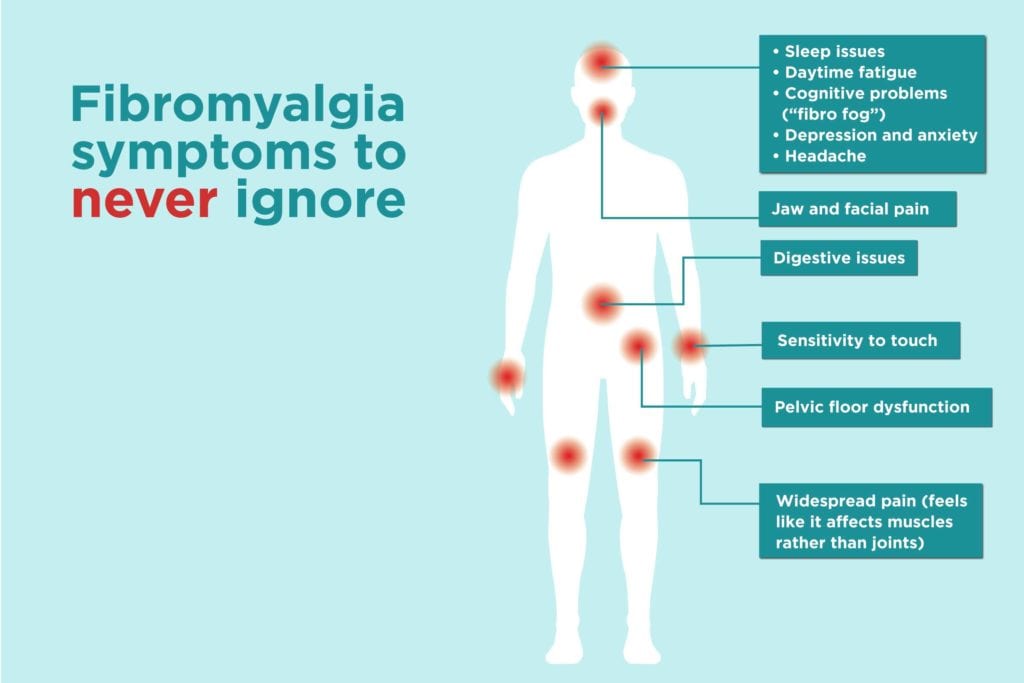
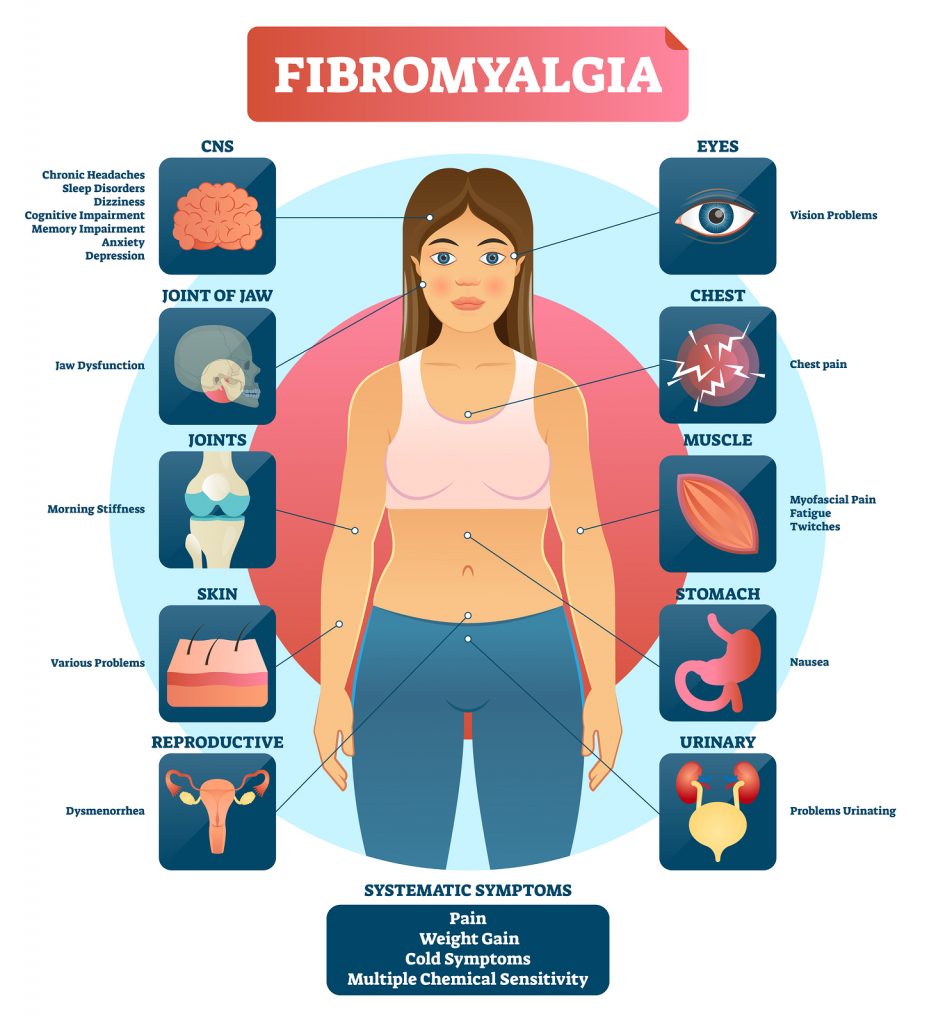
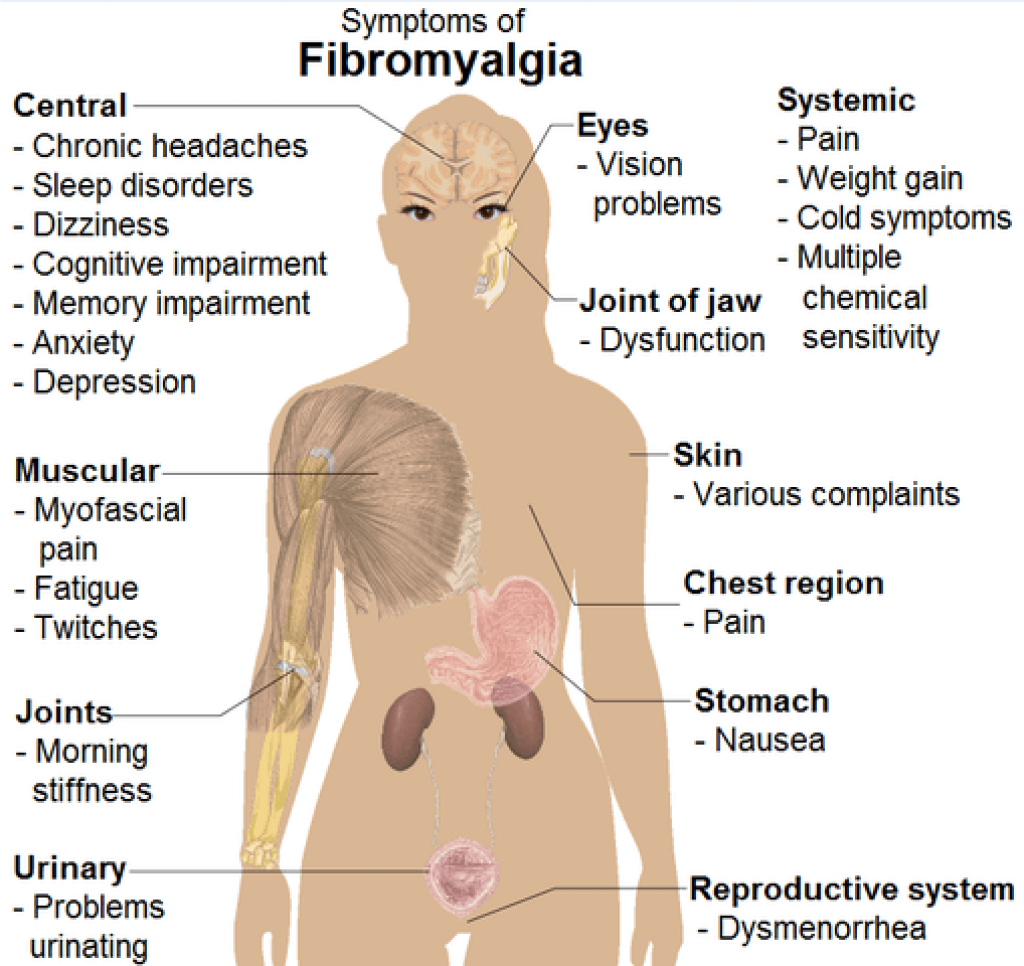
Fibromyalgia is a chronic condition estimated to affect 2–4% of the global population, with women diagnosed significantly more often than men. Its hallmarks include widespread musculoskeletal pain, persistent fatigue, disrupted sleep, and cognitive difficulties commonly called "fibro fog." Many people spend years trying to get a diagnosis — and some never pursue treatment at all.
That delay carries real consequences. Symptoms that go unmanaged tend to worsen and branch into other areas of your health. Understanding the risks isn't about alarm — it's about giving you the clearest possible picture so you can make informed decisions about your care.
Contents
Fibromyalgia pain doesn't necessarily stay contained. Without intervention, many people report that their pain points multiply and their sensitivity to everyday stimuli — sound, light, touch, temperature — increases significantly. This phenomenon is called central sensitization, and it's one of the most important risks of letting fibromyalgia run unchecked.
The cycle is self-reinforcing. Poor sleep intensifies pain. More pain disrupts sleep. Without treatment to break this loop, it becomes very difficult to manage independently. The longer the cycle runs, the more the nervous system locks in those maladaptive pain responses.
Living in chronic pain without support is exhausting in ways that go far beyond the physical. Studies consistently show that untreated fibromyalgia is strongly linked to depression and anxiety. These aren't just emotional side effects — they're neurological consequences of sustained pain signaling in the brain.
The mental health dimension of fibromyalgia left untreated complications is often underestimated. Addressing pain management without also addressing psychological well-being leaves large, costly gaps in your care.
Many people avoid treating fibromyalgia because of perceived cost. The irony is that not treating it typically costs more in the long run. Consider the financial weight that accumulates without a management strategy in place.
| Cost Category | Estimated Annual Impact | Notes |
|---|---|---|
| Lost work productivity | $3,000–$10,000+ | Missed days, reduced hours, job changes, disability claims |
| Emergency or urgent care visits | $500–$3,000+ | Unmanaged flares that escalate beyond home management |
| Over-the-counter pain medications | $200–$600 | Temporary relief without addressing root dysfunction |
| Secondary mental health care | $1,000–$5,000+ | Therapy and psychiatric care for depression or anxiety |
| Physical disability accommodations | Variable | Home modifications, mobility aids, ergonomic equipment |
| Career opportunity costs | Hard to quantify | Promotions missed, education interrupted, career paths narrowed |
These figures don't capture everything. Reduced earning capacity over years or decades, early retirement, and the cost of managing secondary conditions all add up. The financial argument for treating fibromyalgia early is genuinely compelling.
Chronic pain reshapes how you show up for the people in your life. You may cancel plans more often. You may become irritable or withdrawn during flares. Family members and partners who don't fully understand fibromyalgia may misread your symptoms — interpreting fatigue as laziness or mood changes as personality problems.

Getting a handle on fibromyalgia doesn't happen in a single doctor's appointment. It requires a layered, consistent approach — and the earlier you start, the better your odds of meaningful improvement. Here's a practical framework you can use to begin right now.
Without a formal diagnosis, you can't build a targeted plan. Fibromyalgia is diagnosed on clinical criteria — the American College of Rheumatology revised its criteria to rely on symptom surveys rather than physical tender point exams alone, making diagnosis more accessible.
Fibromyalgia responds best to multidisciplinary management. No single provider handles everything well. Build a team that covers multiple bases.
Pro tip: Don't wait until your symptoms are unbearable to seek a referral — earlier access to a multidisciplinary team produces measurably better long-term outcomes than crisis-driven care.
Fibromyalgia doesn't respond to a single approach. The most effective strategies combine pharmacological and non-pharmacological methods. Here's what the evidence consistently supports:
When fibromyalgia is identified and managed within the first year or two of symptoms, outcomes are generally more favorable. The nervous system hasn't yet had years to entrench its maladaptive pain patterns. You have more flexibility — more treatment options work, lifestyle changes make a bigger difference, and the psychological burden hasn't fully compounded.
Early action also protects you from the compounding costs outlined in the previous section. The sooner you invest in management, the less you're likely to spend correcting damage that accumulated from inaction.
When fibromyalgia left untreated complications are allowed to develop over many years, the treatment landscape shifts considerably. This doesn't mean recovery is impossible — but the road becomes longer and more demanding.
Dr. Frederick Wolfe — a leading figure in fibromyalgia research and a key architect of the ACR diagnostic criteria — spent decades documenting that fibromyalgia is a real, measurable condition that warrants active, sustained management. His work helped shift how the medical community recognizes and treats the condition. If you've been dismissed by providers before, seeking a specialist who understands fibromyalgia's neurological basis is worth the effort.
You don't need a complete life overhaul to make progress. Small, consistent changes compound over time — and they're often more sustainable than dramatic interventions that you can't maintain during a flare.
The mind-body connection is central to fibromyalgia because the condition is driven by the central nervous system, not peripheral tissue damage. Strategies that calm the nervous system can have real, measurable physical effects on pain levels.
None of these are cures. Fibromyalgia is a long-term condition you learn to manage rather than eliminate. But with consistent effort across multiple domains — medical, physical, psychological, and social — most people with fibromyalgia achieve meaningful improvements in both function and quality of life.
Yes. Without management, fibromyalgia symptoms — including widespread pain, fatigue, and cognitive difficulties — often intensify over time. Central sensitization becomes more entrenched, making pain harder to treat. Secondary conditions like depression and anxiety also develop more frequently in people who don't receive care.
Fibromyalgia itself is not life-threatening, but the complications of leaving it untreated can be serious. Prolonged depression, social isolation, inability to maintain employment, and physical deconditioning all carry significant health risks. The cumulative burden on quality of life can be severe over years.
Spontaneous remission is rare. Some people experience periods of reduced symptoms, but fibromyalgia is generally a chronic condition that requires ongoing management. Waiting for symptoms to resolve without intervention typically allows the condition to worsen and complications to develop.
Schedule an appointment with your primary care doctor and describe your symptoms in detail — when they started, where the pain occurs, how it affects your sleep and daily functioning. Ask specifically about fibromyalgia and whether a referral to a rheumatologist or pain specialist is appropriate for your situation.
Yes — low-impact aerobic exercise is one of the most evidence-supported interventions available. Walking, swimming, and cycling consistently reduce pain and fatigue over time. The critical factor is starting very gradually and building up slowly, especially if you've been inactive for a while. Pushing too hard too fast reliably triggers setbacks.
Certain foods are commonly reported to worsen symptoms, including highly processed foods, refined sugars, artificial additives, and alcohol. An anti-inflammatory dietary pattern may help, though research is still developing. Keeping a food and symptom diary is the most reliable way to identify your personal triggers rather than following generic lists.
Fibromyalgia is driven by central sensitization — a dysfunction in how the central nervous system processes and amplifies pain signals — rather than tissue inflammation or joint damage. This is why standard anti-inflammatory medications rarely provide adequate relief, and why treatments targeting the nervous system and brain tend to be more effective.
Fibromyalgia left untreated doesn't stay where it is — it expands quietly into every corner of your life, and the longer you wait, the more ground it claims.


About Dr. Kevin Hackshaw, MD
Dr. Kevin Hackshaw is a rheumatologist affiliated with Ohio State University Wexner Medical Center and the James Cancer Hospital and Solove Research Institute in Columbus, Ohio. He received his medical degree from Baylor College of Medicine and has been in practice for more than twenty years. His research and clinical specialty interests include fibromyalgia, chronic pain, systemic lupus erythematosus, and vasculitis, with a focus on the role of fibroblast growth factors in pain propagation.
You can get FREE Gifts. Or latest Free phones here.
Disable Ad block to reveal all the info. Once done, hit a button below
 Dr. Kevin Hackshaw, MD