
Have you ever wondered why your hands and feet stay ice-cold even when the rest of you feels warm? Or why your legs ache after just a short walk? The answer is often poor circulation — and once you identify it, you can do something about it. Learning how to improve poor circulation is not complicated, but it does require consistent, targeted action. This guide covers everything from recognizing the signs to building a sustainable routine, including tools, treatments, and when to get professional help. For foot-specific concerns, the foot care resource hub is worth bookmarking alongside this article.
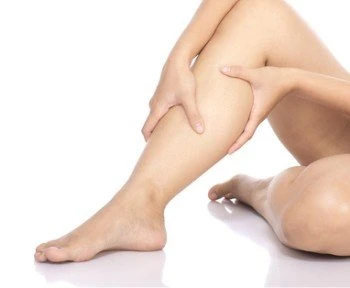
Poor circulation happens when blood flow through your arteries, veins, and capillaries becomes sluggish or restricted. Your extremities — hands, feet, legs — are the first to feel it because they're the farthest from the heart. The causes include sedentary behavior, smoking, obesity, diabetes, and peripheral artery disease, among others. But no matter what's behind it, the path forward follows a well-established set of principles.
What's encouraging is that most interventions are accessible, affordable, and begin working relatively quickly when applied consistently. This guide walks you through the full picture — from recognizing symptoms to building lasting habits to knowing when medical care is the right call.
Contents
Poor circulation rarely announces itself loudly. It builds slowly — a bit of numbness here, a cold foot there — until the pattern becomes undeniable. Recognizing it early gives you the best chance to reverse it before it compounds into something more serious.
The classic signs are cold hands and feet, tingling or numbness in the limbs, persistent leg fatigue, and swollen ankles by the end of the day. Skin discoloration — a pale, bluish, or mottled appearance in the extremities — is one of the clearest indicators that blood isn't reaching the tissue efficiently. Slow-healing cuts or sores on the lower legs or feet are a serious warning sign and should not be ignored.
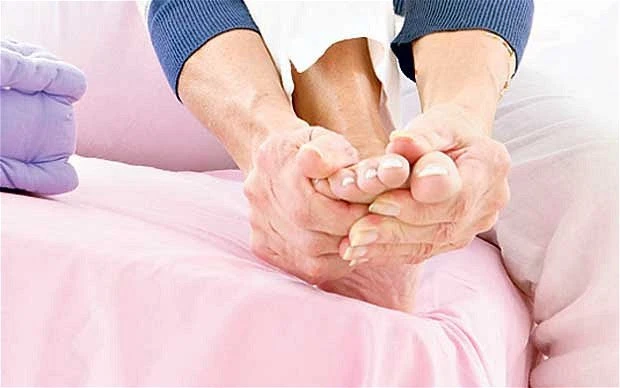
According to the National Heart, Lung, and Blood Institute, peripheral artery disease — a leading cause of poor lower-body circulation — affects over 8 million Americans aged 40 and older. That number climbs steeply with age, so if you're noticing these symptoms, you're dealing with a very common but very manageable condition.
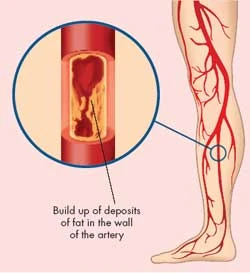
Smokers, people with diabetes, those carrying excess weight, and anyone who sits for most of the day face elevated risk. High blood pressure and high cholesterol damage arterial walls over time, narrowing the passages blood needs to flow through. Pregnancy, prolonged standing, and even ill-fitting footwear can also contribute — particularly to lower-leg and foot circulation issues.
This is where the real work happens. Improving circulation isn't about any single magic fix — it's about stacking effective habits that collectively push your vascular system toward better function. Here's how to approach it systematically.
Exercise is the most powerful tool in your arsenal for improving blood flow. Walking, swimming, cycling, and yoga all stimulate the cardiovascular system and force blood through even the smallest capillaries. Aim for at least 30 minutes of moderate-intensity activity most days of the week — that's the threshold where measurable vascular benefits kick in.
If lower-body symptoms are your primary concern, targeted movement matters even more. Our guide on improving circulation in your feet and ankles walks through specific exercises you can do seated or standing that directly address poor foot and ankle blood flow.
Don't underestimate simple micro-movements either. Ankle pumps, calf raises, and toe curls done throughout the day — especially during long sitting sessions — prevent blood from pooling in the lower extremities and keep circulation active between workouts.
What you eat has a direct effect on how well your blood vessels function. Omega-3 fatty acids, nitrates, and antioxidants help relax arterial walls, reduce inflammation, and improve blood viscosity. Prioritize fatty fish like salmon and mackerel, beets, leafy greens, garlic, and walnuts. Reduce processed foods, excess sodium, and saturated fats, which contribute to arterial stiffness and plaque buildup.
Hydration is equally important. Dehydration thickens the blood, making the heart work harder to push it through the body. Drink water consistently throughout the day — not just when thirst hits, because thirst is a late signal.
Pro tip: Cayenne pepper contains capsaicin, which dilates blood vessels and actively stimulates circulation. Adding it regularly to your meals is one of the simplest dietary changes you can make.
Improving your circulation is a long-term project. The lifestyle structure you build around it — the daily decisions you make about support, movement, and recovery — determines how well you maintain progress over time.
Compression garments are among the most evidence-backed tools for managing poor circulation in the legs and feet. They apply graduated pressure — tightest at the ankle, easing upward — which helps your veins push blood back toward the heart against gravity. If you sit for hours at a desk or stand all day at work, these are worth wearing consistently.
Compression socks are measured in millimeters of mercury (mmHg). For general circulation support without a medical diagnosis, 15–20 mmHg is the recommended starting range — firm enough to be effective, comfortable enough for all-day wear. For diagnosed venous insufficiency, your doctor may prescribe 20–30 mmHg or higher.
Warm baths and heating pads dilate blood vessels and promote circulation in a targeted area. Massage — whether manual or with a device — mechanically pushes blood through congested tissue and stimulates the lymphatic system. For the feet and lower legs specifically, a good foot massager used regularly can make a meaningful difference. Our breakdown of how to choose the right foot massager helps you match a device to your actual needs.
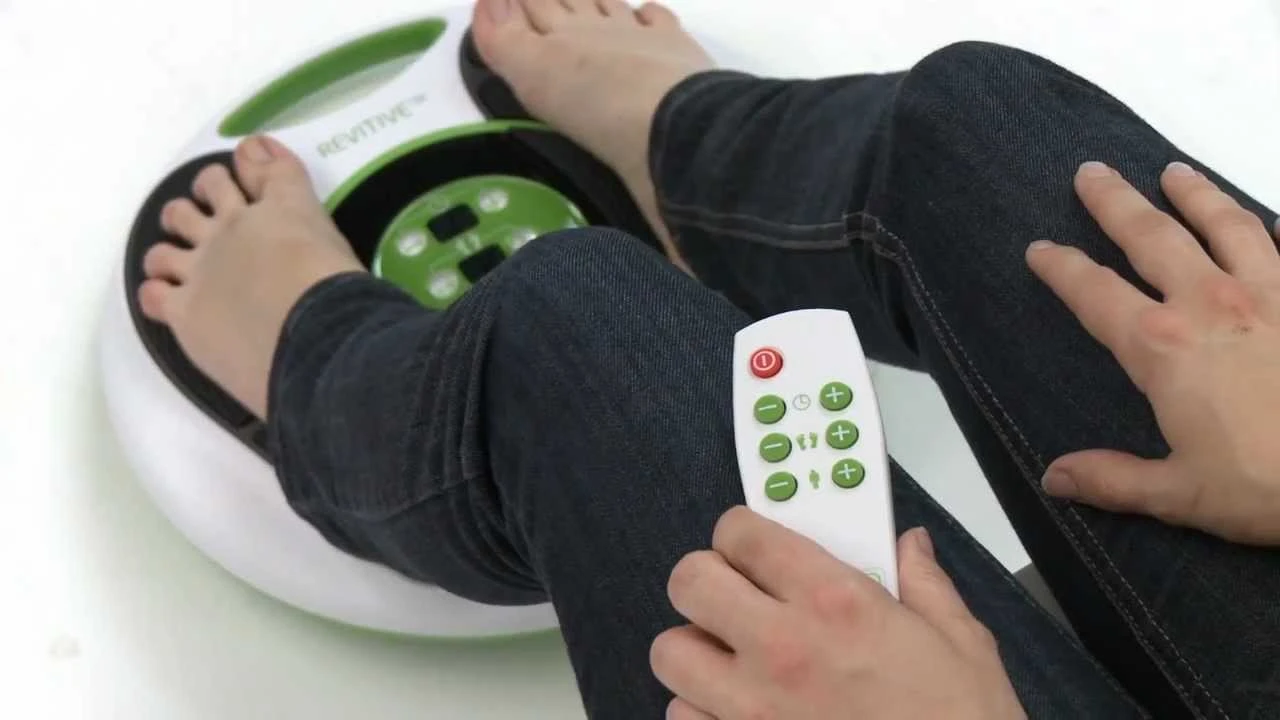
Electrical muscle stimulation (EMS) devices like the Revitive IX take a more active approach — they stimulate the muscles in your feet and calves to contract rhythmically, essentially pumping blood upward without any effort on your part.
One of the most practical questions people have is what all of this costs. The good news: the most effective interventions are often the cheapest. Understanding the landscape helps you spend wisely and avoid overinvesting in things that won't make a meaningful difference at your stage.
Walking costs nothing. Dietary changes require modest incremental spending. Hydration is essentially free. Even quality compression socks run $15–$40 a pair and hold up for months with proper washing. The table below gives you a practical overview of common options and what they run.
| Treatment / Tool | Estimated Cost | Effectiveness |
|---|---|---|
| Daily walking (30 min) | Free | High |
| Dietary adjustments | $0–$20/month extra | High |
| Compression socks | $15–$40/pair | High for legs & feet |
| Foot or calf massager | $30–$150 | Moderate to high |
| EMS device (e.g., Revitive IX) | $150–$350 | High for lower body |
| Prescription vasodilators | Varies by insurance | High for PAD / diagnosed conditions |
| Vascular specialist consultation | $150–$400+ out-of-pocket | Essential for severe cases |
If your symptoms include non-healing wounds, significant swelling, or chest tightness alongside leg pain, professional medical evaluation is the right move — regardless of cost. A vascular specialist can use imaging to assess blood flow directly and recommend interventions that lifestyle changes alone cannot accomplish. At that point, treating this as a medical expense rather than a wellness purchase is the right framing.
Not everyone starts in the same place. Some people are catching this early with mild symptoms; others have been managing a diagnosed condition for years. The right approach scales with where you're at.
If you're new to managing poor circulation, focus on four fundamentals first: daily walking, dietary improvements, compression socks, and reducing or eliminating smoking. These four changes, applied consistently, produce measurable results within a few weeks. You don't need expensive devices or supplements to see real improvement at this stage.
Track your symptoms — note how far you can walk before discomfort sets in, how often your feet feel cold, how quickly minor cuts or bruises heal. This baseline gives you something concrete to measure progress against as you build the habit stack.
If lifestyle changes don't produce noticeable improvement after 6–8 weeks, or if your symptoms worsen at any point, see your doctor. Medical options include blood thinners, vasodilators, angioplasty, and in serious arterial blockage cases, bypass surgery. These aren't last resorts — they're appropriate tools for conditions that have moved beyond what lifestyle alone can correct.
For people managing diabetes alongside circulation problems, blood sugar control is non-negotiable. Consistent glucose management is often more impactful on vascular health than any supplement or device on the market.
The quickest short-term boosts come from physical movement — even a brisk 10-minute walk raises heart rate and pushes blood through sluggish vessels. Warm water immersion, calf raises, and ankle pumps also produce immediate effects. Long-term improvement requires consistency, but you can feel a difference from simple movement within minutes.
In many cases, yes — especially when it's driven by lifestyle factors like inactivity, diet, or smoking. Consistent exercise, dietary improvements, and quitting smoking have all been shown to restore meaningful vascular function over time. For circulation problems caused by structural arterial disease, medical intervention may be needed, but lifestyle changes still enhance the effectiveness of any treatment.
See a doctor if you have sores or wounds on your legs or feet that aren't healing, if you experience chest pain alongside leg cramping during activity, or if one limb is noticeably more swollen, discolored, or painful than the other. These signs point to conditions — like deep vein thrombosis or advanced peripheral artery disease — that require medical diagnosis and treatment, not just lifestyle adjustments.


About Mehnaz
Mehnaz is the founder and editor of RipPain, a health resource site dedicated to helping readers navigate pain management, recovery, and medical device research. Her work on the site is driven by personal experience caring for seriously ill family members, which led her to study evidence-based guidance from physicians, pain specialists, and published medical research. She curates and summarizes expert medical insights to make credible health information accessible to everyday readers.
You can get FREE Gifts. Or latest Free phones here.
Disable Ad block to reveal all the info. Once done, hit a button below
 Mehnaz